There was a time when running meant chasing faster times, stronger finishes, and the next personal best. Now, for Webster Groves runner Mark Spewak, it means something deeper: getting to move at all.
On an October morning in 2025, Spewak woke up feeling unusually good. Within minutes, however, that feeling shifted into confusion, dizziness, and a loss of control. “I couldn’t stand up,” he recalls. “I was falling into the wall.”
At just 32 years old, the lifelong runner and fitness coach was having a stroke, something he never imagined could happen to someone so active and health-conscious. What followed was a week in a neuro unit and an intensive rehab process that tested both his body and mindset. But even in that uncertainty, structure took hold.
Your guide to a healthier, happier you
Sign up for the St. Louis Wellness newsletter and get practical tips for a balanced, healthy life in St. Louis.
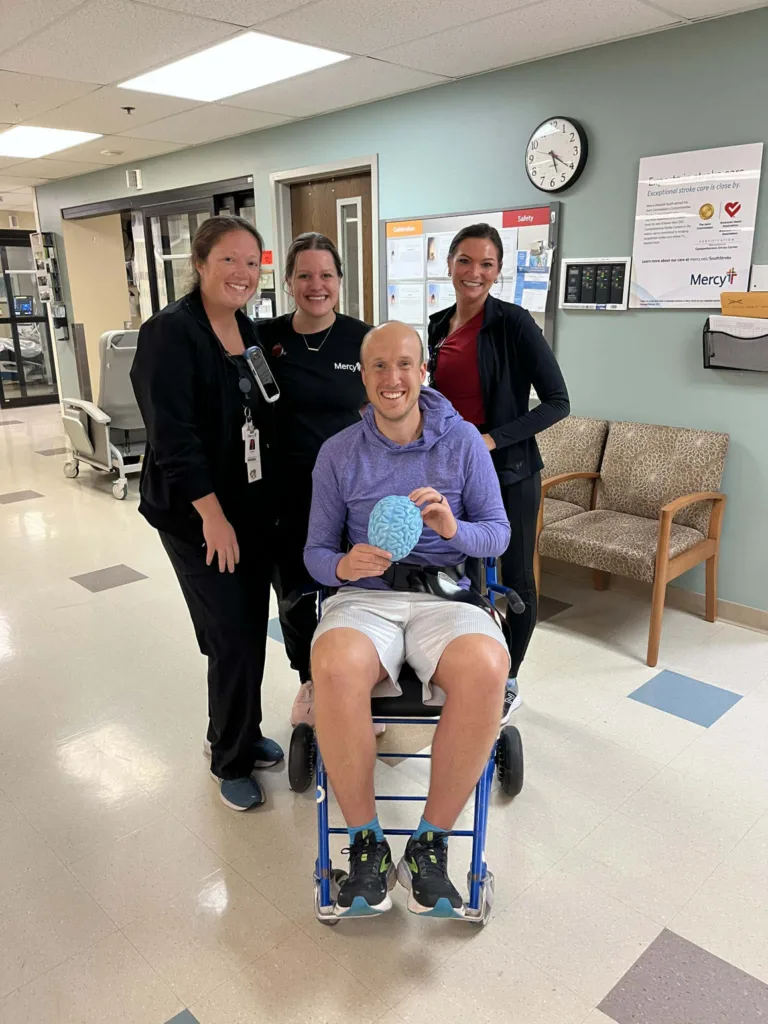
“There was a schedule every day,” Spewak says of rehab. “It felt like boot camp.”
That structure became essential, not just for rebuilding strength but for protecting his mental wellbeing. Physical therapy, occupational therapy, and speech work filled his days, offering both progress and purpose during an uncertain time. Over time, he realized wellness is not just about performance; it is about resilience.
For years, Spewak had thought about himself as a competitive runner, driven by pace, placement, and progress. After his stroke and a series of earlier health challenges, that relationship began to shift, though.
“I had to change my entire relationship with the sport,” he says.
From Performance to Presence
That shift is one that many people encounter, whether through injury, illness, or aging. The body changes. Expectations evolve. And fitness becomes less about achievement and more about sustainability.
For Spewak, that shift came into focus during his first run, on New Year’s Eve. After more than three months off, he laced up his shoes and joined friends in Forest Park. The run was slower and longer than planned, but it marked a return.
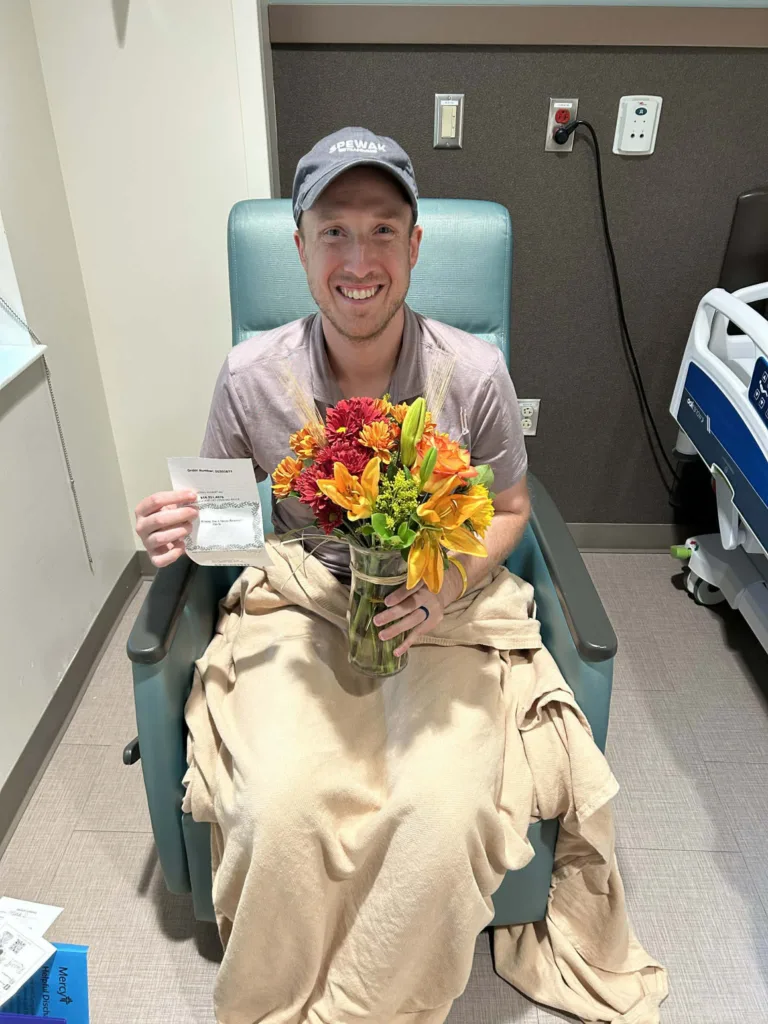
“I couldn’t even walk not that long ago,” he says.
In that moment, everything clicked. Fitness was no longer something he had to do. It was something he got to do.
That shift from obligation to gratitude now shapes how he approaches training. Movement is less about pressure and more about consistency and awareness.
Today, Spewak continues to rebuild, balancing strength training, running, and recovery as he prepares for a return to longer-distance races.
But the motivation behind those miles has changed.
Instead of chasing times, he is running to raise awareness for stroke survivors and to remind others that health is never guaranteed.
“Stroke knows no age,” he says.
That message extends beyond the running community, he notes. It underscores a broader reality: wellness requires attention, advocacy, and consistency over time.
The Power of Showing Up
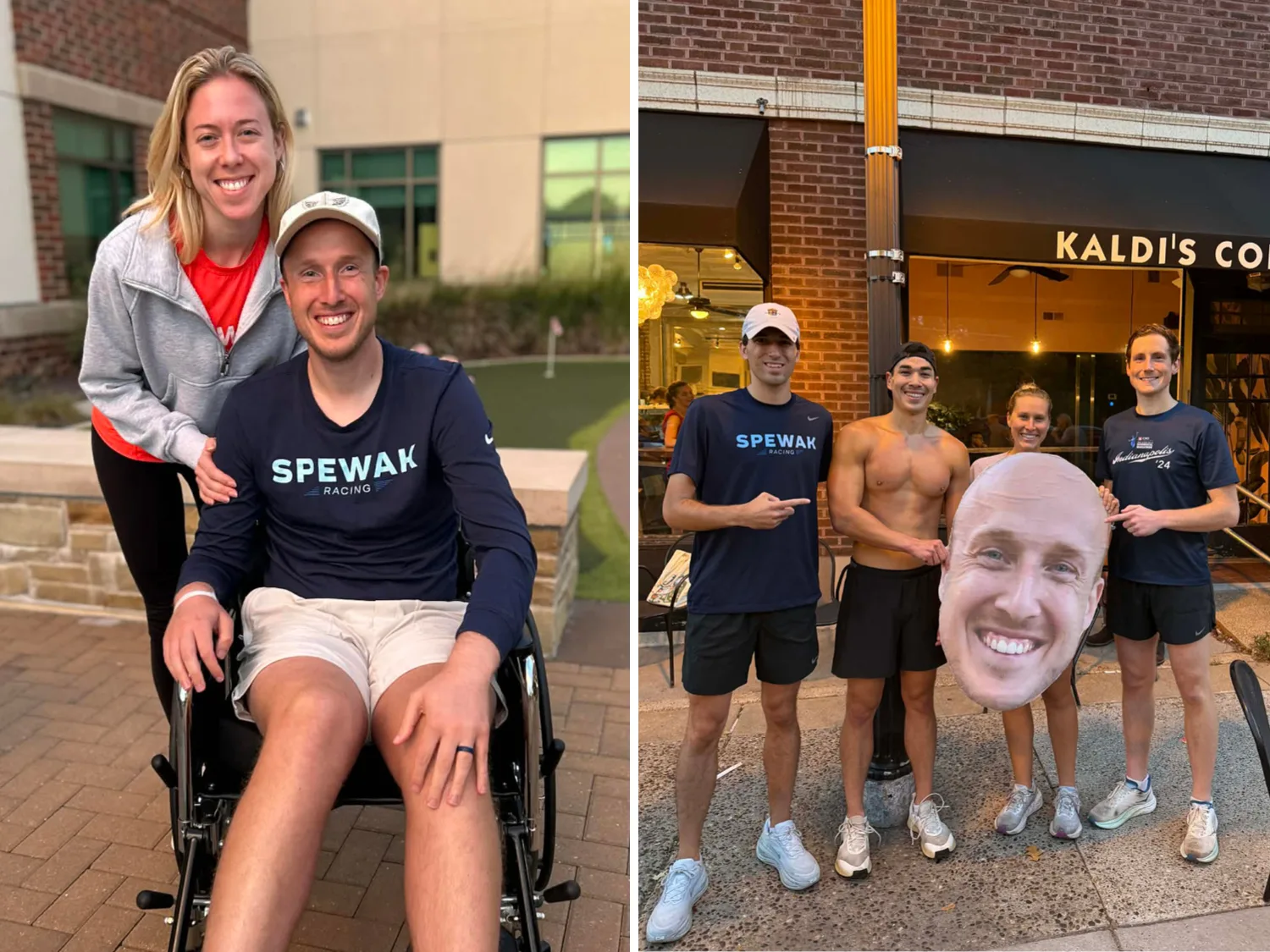
Recovery might be personal, but support is communal. For Spewak, who also founded the nonprofit Spewak Racing, community played a central role.
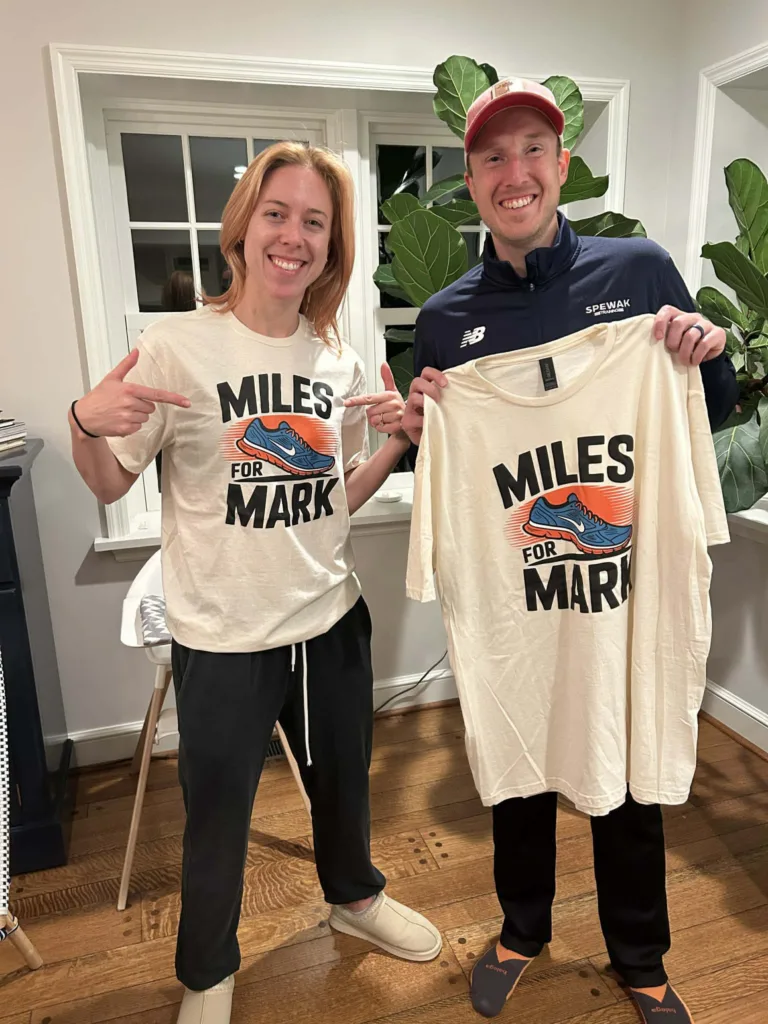
While in rehab, friends and fellow runners began to reach out. A grassroots effort called “Miles for Mark” took off across St. Louis, with runners logging miles in his honor and sharing them online.
“To wake up every day and see people doing something that I loved, for me, it just made me so positive,” he says.
That support helped reframe some of the more difficult moments. Rather than focusing on what he had temporarily lost, he found motivation in the community moving forward with him in mind.
It also reshaped how he approaches supporting others.
“I think people are sometimes afraid to say the wrong thing,” he says. “But just reaching out, letting someone know you’re thinking of them, it means everything.”
In conversations about wellness, the focus often stays on individual habits. But Spewak’s experience points to the role of community as part of that process.
That sense of connection now informs how he plans to move forward, he explains.
In the months ahead, he is preparing for the Illinois Marathon in late April, his first major race since his stroke, followed by 2026 Chicago Marathon in October. He plans to use both races to raise awareness and support for stroke survivors.
The races mark a continuation rather than a return.
“It’s important to remember that we are lucky to be able to participate in this sport, and in life, at any capacity,” Spewak says.