A doctor’s appointment should not require someone to take an entire day off work—or, worse yet, pay for an overnight stay in a city far from home. Yet across rural Missouri, seeing a provider can mean hours on the road, time away from work and family, and another difficult decision about how long care can wait.
At a time when costs are rising alongside the demand for medical access, healthcare systems are challenged to come up with better ways to reach remote patients.
“We’ve taken a healthcare model designed for cities and asked rural communities to make it work,” says Vijay Chauhan of BioSTL Global, who also leads its Center for Rural Health Innovation (CRHI). “With the population aging and health-care access under pressure, there is great need to leverage technology to reimagine healthcare that works for rural-based patients and healthcare systems alike,” he says. “St. Louis is helping to meet this need.”
Taking Action in St. Louis
BioSTL, the backbone of the region’s bio-innovation ecosystem, started the CRHI to address this growing need not only in Missouri but also across rural America.
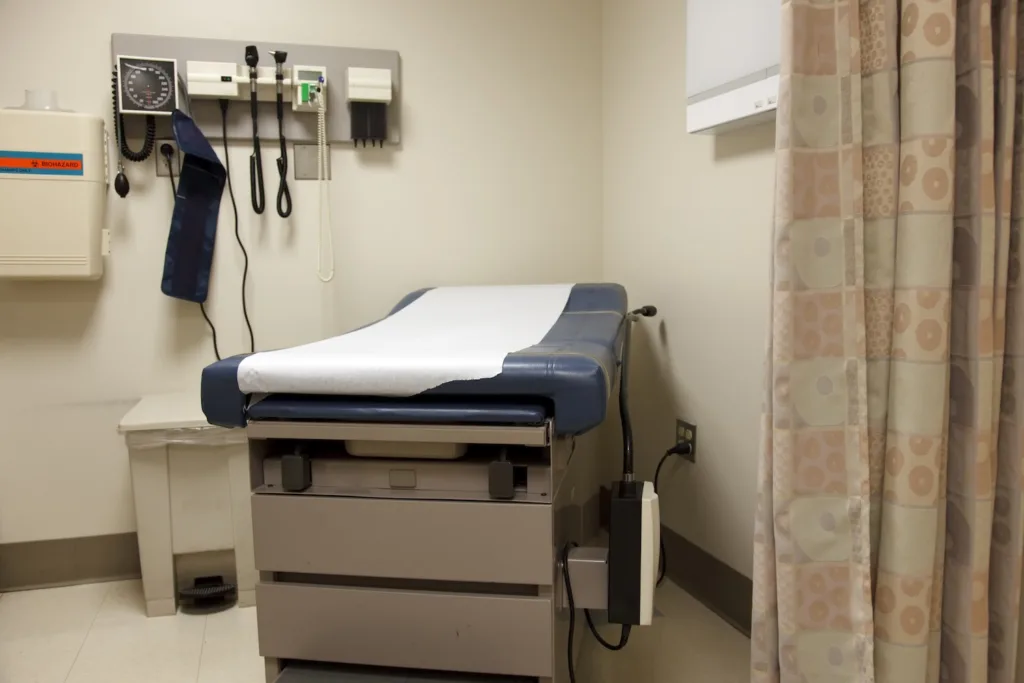
Interest in this topic is increasing as federal agencies acknowledge a shortage of healthcare access in rural areas across the country. In 2025, Congress approved the Rural Health Transformation Program (RHTP), which will allocate $50 billion over five years (2026–2030) to modernize healthcare delivery in rural areas, with technology playing a critical role in the approach.
On October 7–8., BioSTL’s CRHI will hold its annual meeting in St. Louis, bringing together RHTP stakeholders from 10 states, digital-healthcare innovators from around the world, and rural healthcare advocates committed to addressing the challenges of rural-based care.
“The CRHI Summit brings together promising solutions and the healthcare leaders who can put them to work treating remote patient populations,” Chauhan says. “St. Louis is uniquely positioned to make those connections—linking healthcare systems and their remote patients and communities with innovators from across the U.S. and around the world.”
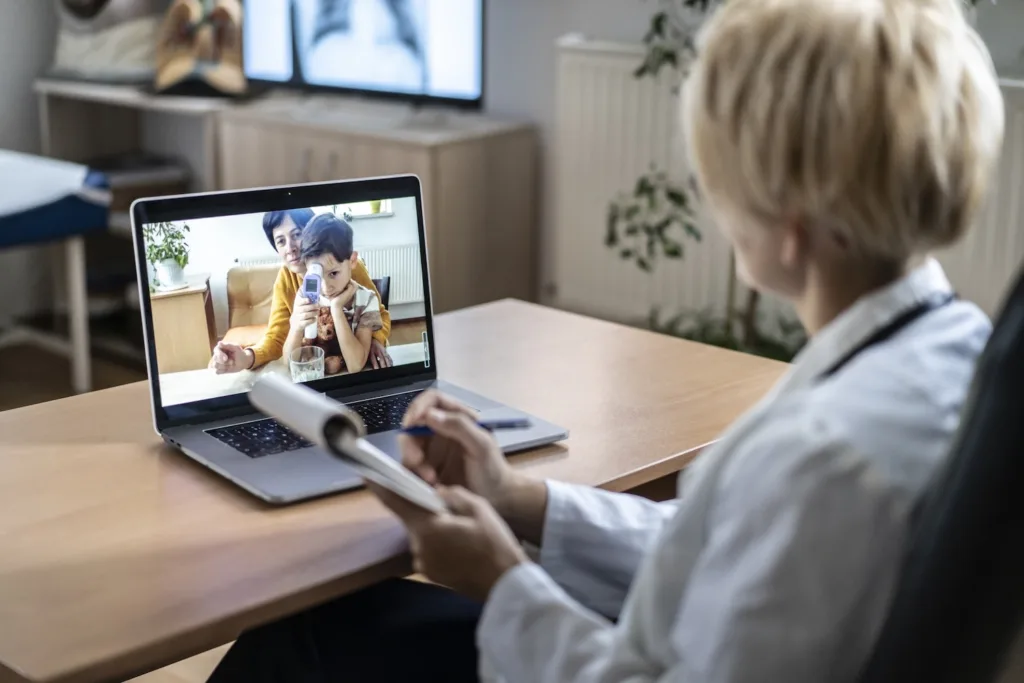
Connecting Global Entrepreneurs
This year, entrepreneurs from the United Kingdom will participate in the gathering, as part of BioSTL’s agreement with Health Innovation Networks of the U.K.’s National Health Service, which serves more than 55 million patients in that country. Young U.K. digital-health companies affiliated with the NHS and interested in entering the U.S. marketplace will use the opportunity to discuss their innovations with industry representatives and, hopefully, gain opportunities for collaborations, partnerships, or purchases.
For example, BioSTL brought U.K.-based Babylon Health to its 2019 Health Innovation Summit, where the company connected with St. Louis-based Centene, the largest Medicaid managed-care organization in the U.S. and the largest insurer on the Affordable Care Act marketplace. At the time, parts of southeast Missouri were losing hospitals and residents struggled to access primary care. Some insured patients turned to emergency rooms simply because they had nowhere else to go.
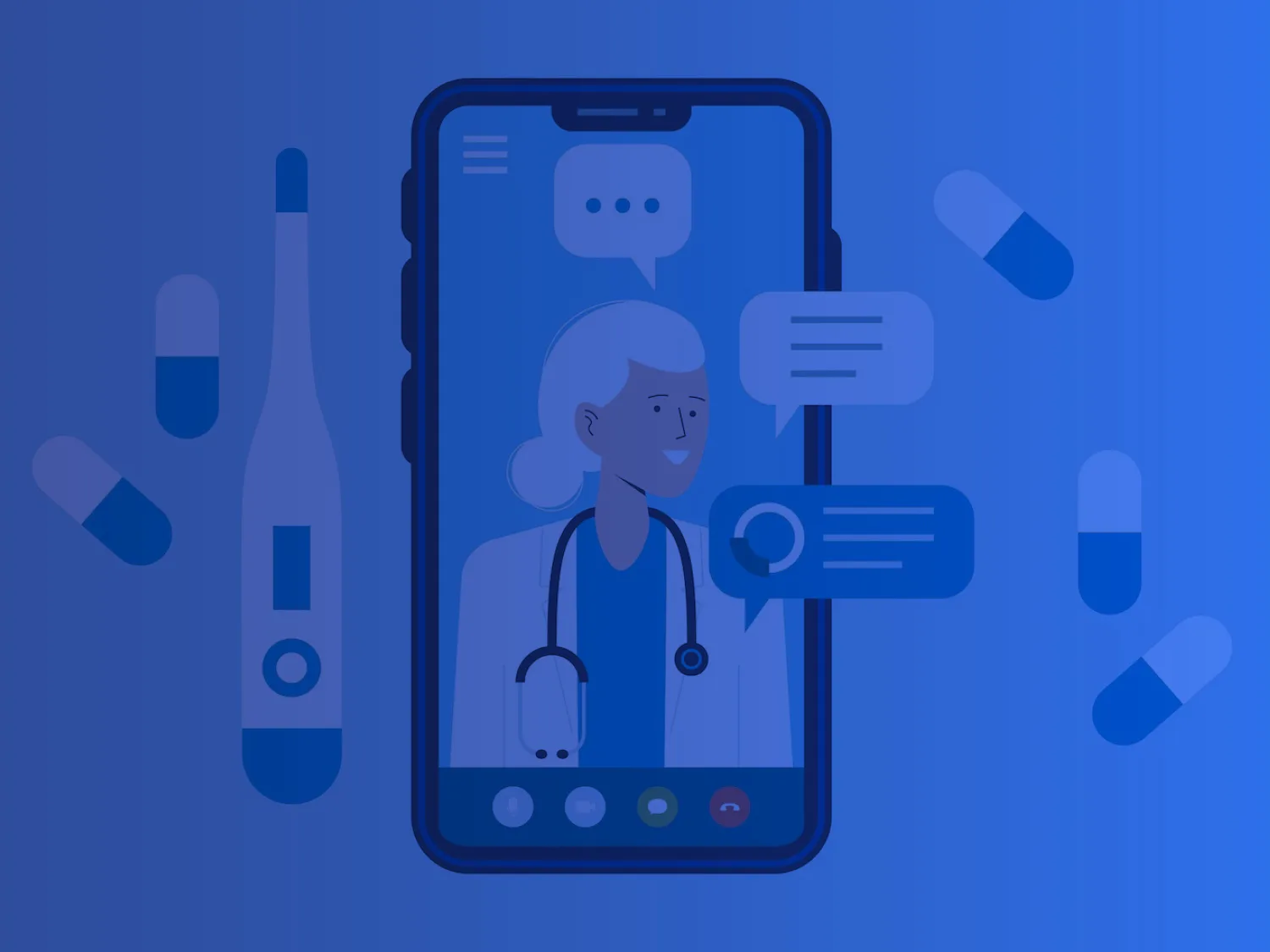
Babylon offered another option through round-the-clock primary care accessed remotely. The concept was first tested across 10 counties in Missouri’s Bootheel.
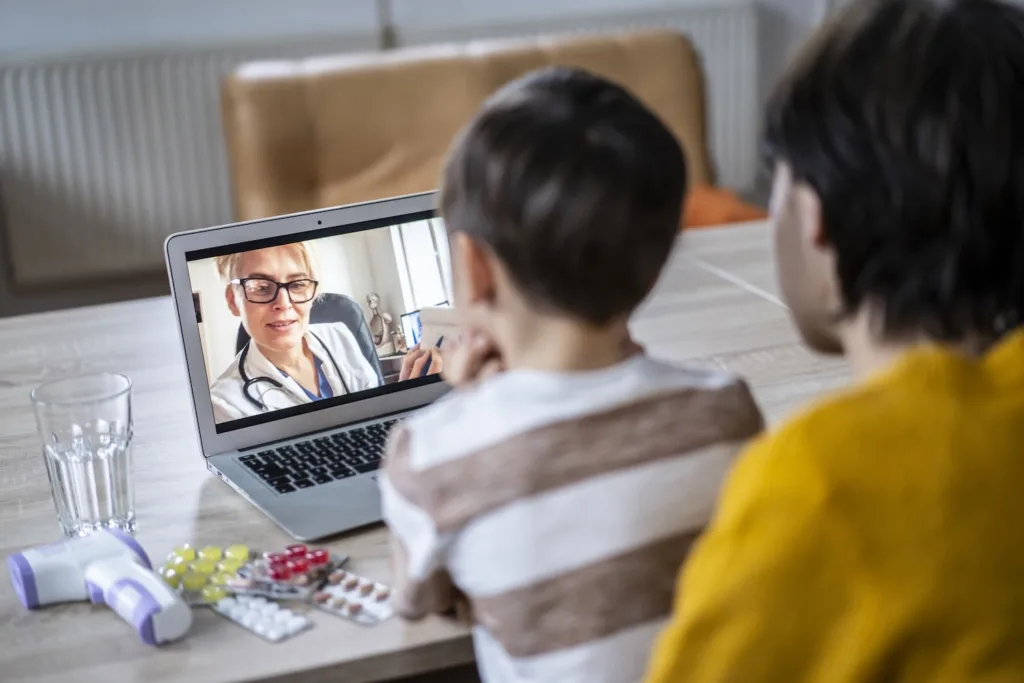
Chauhan remembers speaking with a young mother who lives in the area. When one of her three children developed an earache late at night, she said she could reach someone remotely, get answers, receive a prescription, and have medication sent to her home. “She said, ‘I have peace of mind because they’re there 24/7,’” Chauhan recalls. “That’s what it’s all about.”
Another project, this one in 2024, addressed the care of asthma patients in remote areas in Missouri. In collaboration with Asthma Ready Communities, NuvoAir Medical, and local health centers, the program provided high-risk children with home monitoring technologies, asthma action plans, and virtual clinical support, demonstrating how digital health innovation can improve access to specialty care in underserved communities.
“The future is bringing more care directly to people instead of requiring them to come into a doctor’s office,” Chauhan says. “Right here in St. Louis, BioSTL is working to build a healthcare system that works for all of us.”
This post was created by SLM Partner Studio on behalf of BioSTL. Learn more about BioSTL’s work in rural health innovation at BioSTL.org.