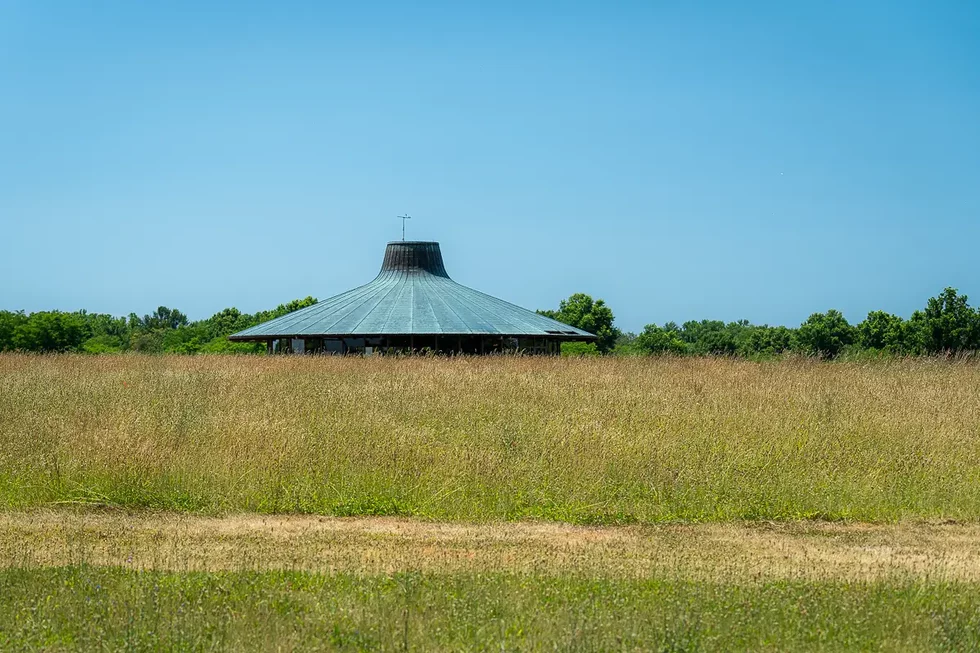
When the Saint Louis Zoo opens WildCare Park next year, it’s expected to draw 420,000 guests annually to an oft-forgotten part of the metro area. Spanish Lake sits near the confluence of the Mississippi and Missouri rivers, with easy proximity to the breathtaking Columbia Bottom Conservation Area as well as 425 acres within its borders. Yet many St. Louisans think of the unincorporated Spanish Lake area—if they ever even do—simply as a place that’s struggled with crime.
The St. Louis REALTORS think it’s high time that changes. With a grant from the National Association of REALTORS, they commissioned a report to examine how WildCare Park could lead to economic development in the area—and not just any development, but development done right.
Get a fresh take on the day’s top news
Subscribe to the St. Louis Daily newsletter for a smart, succinct guide to local news from award-winning journalists Sarah Fenske and Ryan Krull.
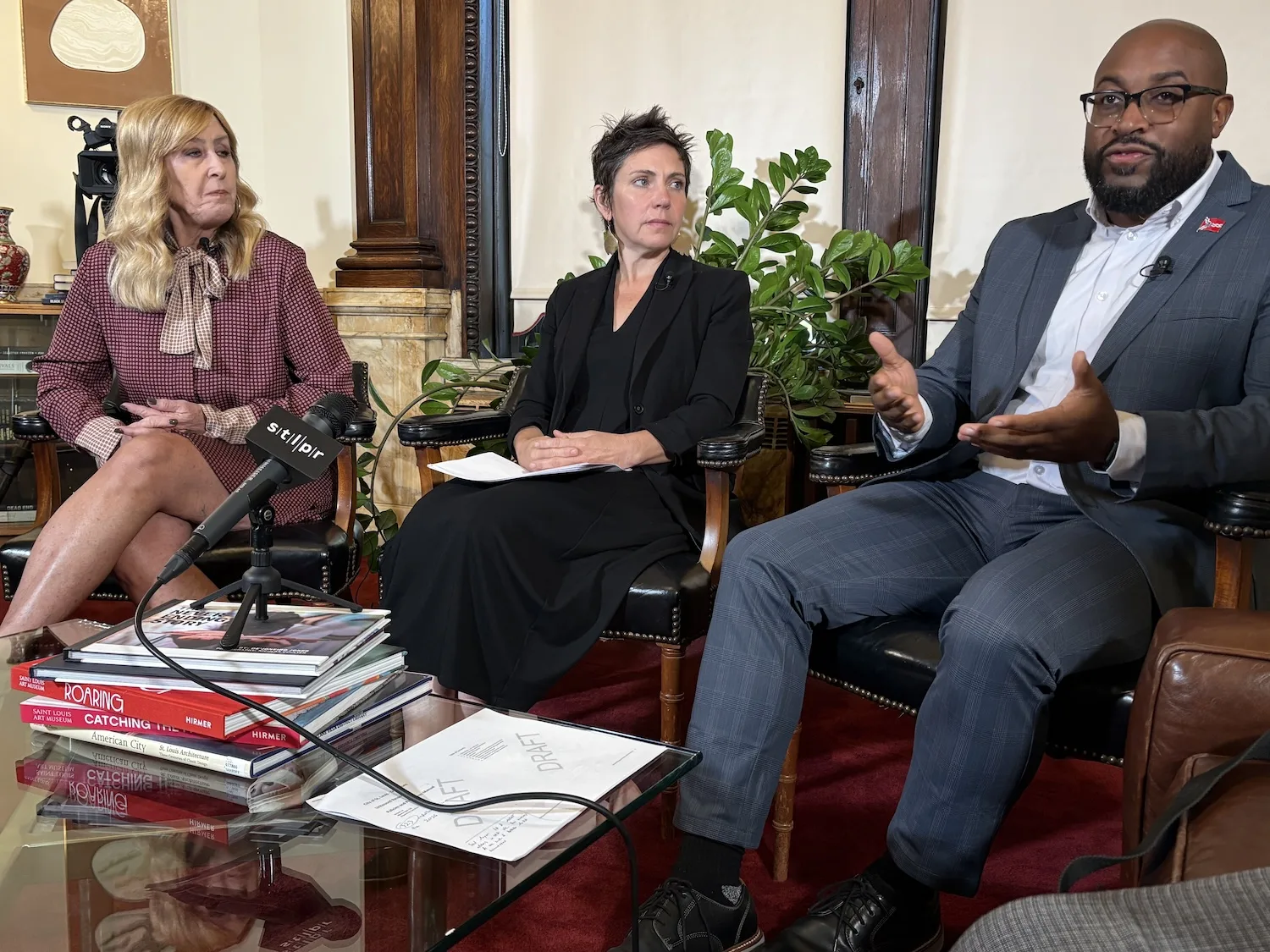
“It’s a place that needs some love,” acknowledges Charlie Hinderliter, chief advocacy officer and director of commercial services for St. Louis REALTORS. “As we’re trying to strengthen some communities around St. Louis, we thought this was one that could use some attention.”
The REALTORS hired the Counselors of Real Estate, or CRE, consultants known for providing action plans to government entities, to visit Spanish Lake last October, speak to key stakeholders, and examine the opportunities. The resulting report includes recommendations spanning the simple (wayfinding signage) to significant (new tax sources, new zoning, better public transport, and more).
As the report notes, crime has fallen in Spanish Lake in the past two years, yet local perception hasn’t adjusted to this new reality. CRE suggests it is “imperative” to “deploy targeted investment mechanisms that demonstrate momentum, build stakeholder confidence, and catalyze private-sector engagement.” In the short term, it says, that could mean “zoo-pilot impact fees,” along with matching grants and facade-improvement funding. (Those fees are never defined, but presumably would be some sort of fee assessed on zoo purchases or made voluntarily by the zoo itself.) In time, it could also mean a community improvement district or transportation development district generating tax dollars that are then redeployed into the area. It also suggests leveraging Rams settlement funds to help the area (although St. Louis County has spent one-third of its $159 million share).
The Saint Louis Zoo did not return a request seeking comment by deadline.
While WildCare Park is expected to have a $660 million impact over its first decade, the area currently suffers from disinvestment. The community is roughly 80 percent Black, and its population has fallen from a peak of approximately 21,000 people in 2000 to 18,000 today. Residents told CRE they want more retail and places to dine out, but that, the report notes, will require population growth.
CRE also notes there may be ag-tech potential thanks to the confluence nearby. “Investment in incubator space is already happening and can and should be augmented,” the authors write.
The report names the St. Louis Economic Development Partnership, which helped host CRE during its visit, as the “logical choice” to help execute its recommendations. CEO and president Rodney Crim says the agency is ready to do its part: “At STL Partnership, we believe in the potential of the Spanish Lake area. We will work with our regional partners to help the community reach its full potential for sustainable growth.”
Following through will be critical. The REALTORS got another grant from the national association, this one for $7,500, meant to keep the report’s recommendations front and center. “It probably mostly goes to Bread Co.,” Hinderliter jokes, saying the money is meant to simply facilitate conversations, which may mean monthly meetings.
Bigger picture, he says, backers want to “make sure that this report doesn’t just go on a shelf, but becomes part of the cadence of life for folks in Spanish Lake.” In recent years, the REALTORS have commissioned reports aimed at subjects as diverse as better building codes to increasing Black homeownership. They’ve also used their energy to try to keep those topics within the regional conversation.
In classic St. Louis fashion, Hinderliter notes that, when fact-finding for this report was getting underway, they found no fewer than four previous reports commissioned on Spanish Lake in the past decade. Some of them, he admits, were “frankly, pretty good.”While the previous findings were incorporated into this report, the REALTORS hope this one avoids a similar fate. Says Hinderliter, “How do we continue to work with the partnership, with the people in Spanish Lake, to say, ‘What do we want to take and start running with?’ Because there’s a lot of ideas in here. How do we make sure that we can build some momentum and start getting some things happening?’”