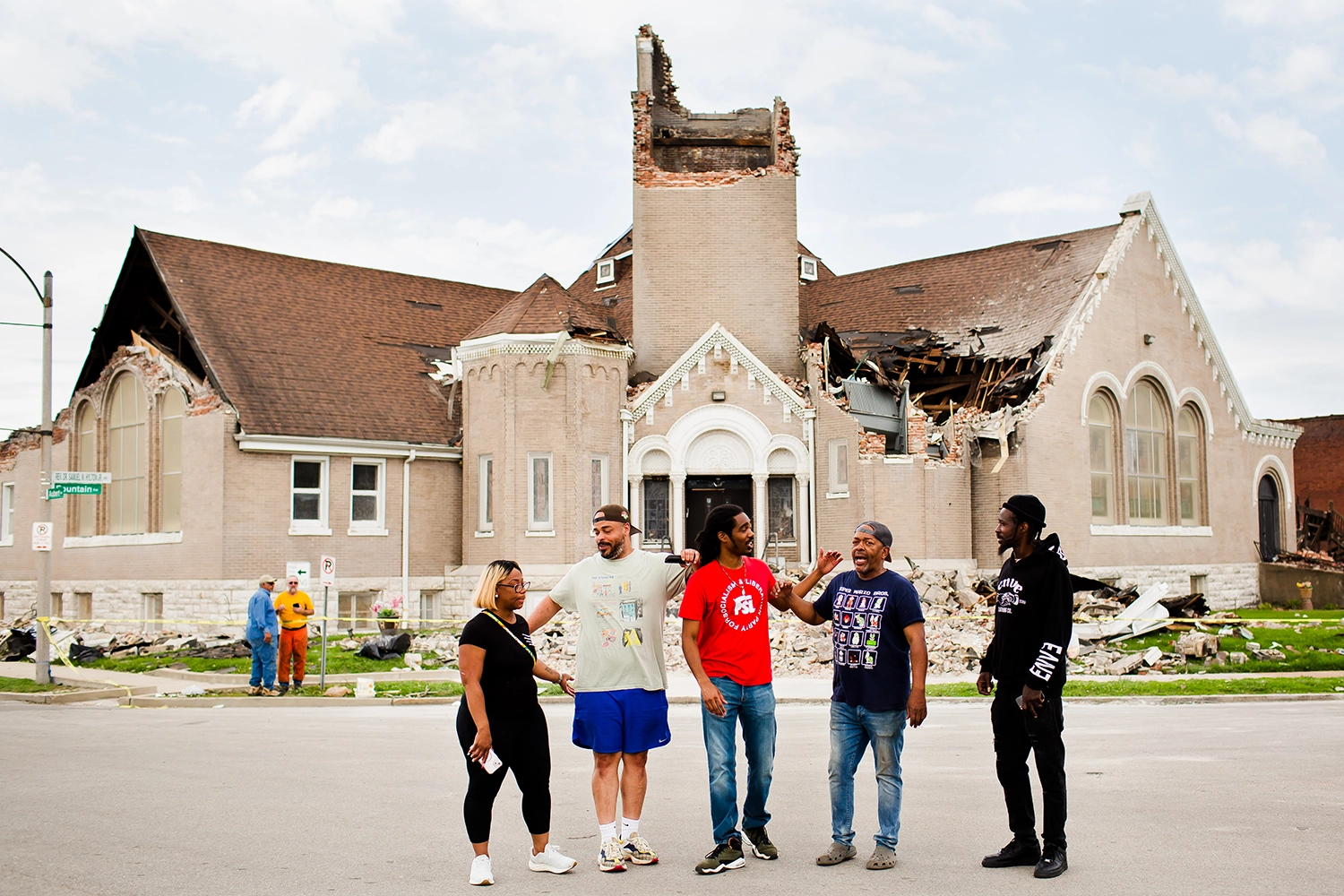
There are multiple stages of recovery after destructive events like the tornadoes that tore through St. Louis on May 16. Most important are the immediate survival needs, including housing, food, diapers, and more. But once these basics are met, it’s essential to check in with your mental health as well.
“Tornadoes, like many natural disasters, can leave behind more than physical destruction; they can deeply affect the mental resilience of survivors,” Ellie Mental Health clinic director Kimberly Vest says. “One psychological impact is a form of Post-Traumatic Stress Disorder (PTSD), sometimes referred to as Tornado Brain (TB).”
Your guide to a healthier, happier you
Sign up for the St. Louis Wellness newsletter and get practical tips for a balanced, healthy life in St. Louis.
Vest says this condition manifests when everyday triggers—such as weather alerts, sounds, smells, or vivid memories—reactivate the brain’s fear response. The mind becomes hyper-alert, unable to relax even in situations that once felt safe.
“Tornado Brain means the brain is rewired to constantly scan for signs of weather-related danger,” Vest says. “It expresses itself through hypervigilance, anxiety, and depression. In its effort to protect us, the brain becomes a sentinel—relentlessly alert, replaying traumatic memories to warn us that disaster has happened before and could happen again.”
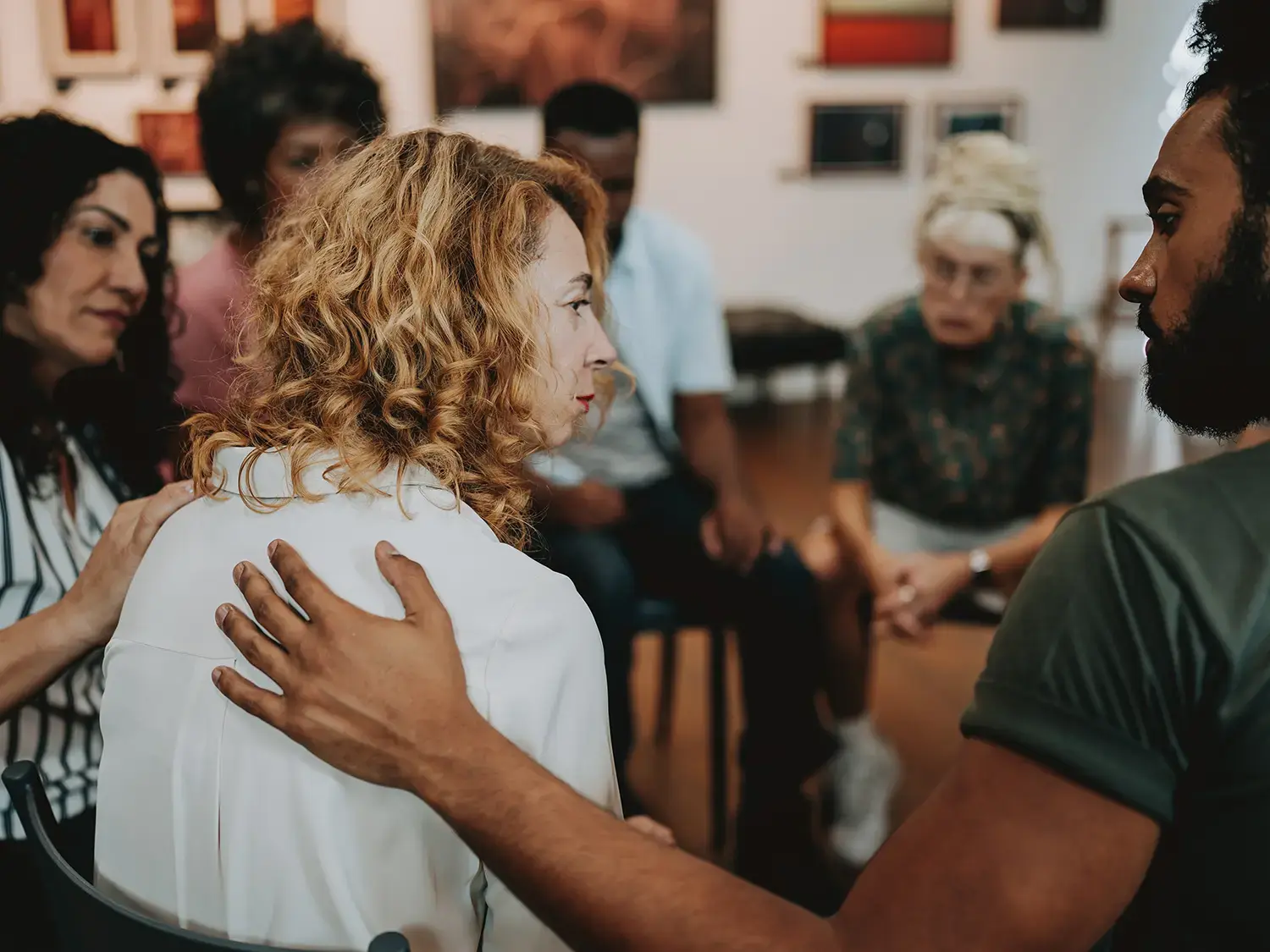
Trauma from events like tornadoes can leave individuals feeling powerless, overwhelmed, and isolated. But St. Louisans don’t need to navigate it alone. If you’re in need, explore our list of free, reduced-cost, or easily available mental health services available in the area as the St. Louis region navigates this crisis together.
Betty Jean Kerr People’s Health Centers
Founded in 1972, Betty Jean Kerr People’s Health Centers provides health care and social services to thousands of uninsured and medically underserved people throughout the St. Louis region. The team sprang into action immediately after the tornadoes struck St. Louis and will be providing mental health support to people in need. To connect with these services, call Behavioral Health Response by dialing 988 or 314-819-8811 or text 31658. The Disaster Distress Helpline is 1-800-985-5990.
Ellie Mental Health, St. Louis Hampton Avenue
In addition to the Suicide & Crisis Lifeline (988), Ellie Mental Health provides ongoing support for individuals and families in the St. Louis community affected by the trauma, anxiety, and stress from the storms. The provider doesn’t have a wait list, so survivors can get the help they need without delay. It offers appointments available within a week and accepts all major insurance and Medicaid.
NAMI St. Louis
NAMI St. Louis is a nonprofit organization dedicated to helping families and individuals live with mental illnesses. NAMI provides community mental health programs and services and advocates for changing public attitudes about mental illnesses while also for improving access to services and increase opportunities for recovery. Like many other area organizations, NAMI is available when you need them. The best way to get in touch with NAMI is by accessing the organization’s In Crisis resources.
Mental Health America of Eastern Missouri
Mental Health America of Eastern Missouri (MHA) is a nonprofit organization that provides free therapy for families with children. The trained team specializes in working with people who’ve experienced trauma and adversity, with services offered in-home and in-community, meaning they’ll meet you where you are in the community. Likewise, if you’re unhoused or displaced from the storms, the MHA team can find a confidential space in the community to meet with a therapist. Get in touch is by visiting MHA’s website.
The Village PATH
The Village PATH works to destigmatize and reduce the barriers associated with Black men’s mental health. During times of disaster, this support is more crucial than ever. Contact The Village PATH using its chat and phone line at 314-200-5757. Send a text or call, and their team will get in touch as soon as possible.
KHAOS Inc.
KHAOS drives change in mental health support and resources for families impacted by toxic and traumatic stress. After the storms, the nonprofit organization is hosting a virtual healing session via Google Meet every Sunday moving forward, noon–1 p.m. The informal sessions are available for anyone impacted, grieving, or simply trying to navigate the traumatic experience. Visit the Instagram link above for access to the virtual session.
The Bullet Related Injury Clinic (BRIC)
While The Bullet Related Injury Clinic (BRIC) typically is geared toward helping people impacted by gun violence, the team has also stepped up to support St. Louisans during this time. The organization hosted a community gathering on May 20 to share food, supplies, first aid, and free mental health support on the spot in impacted neighborhoods.
The Annie Malone Crisis Center
The multi-service center, which addresses social and education needs of children and families in crisis and at-risk throughout St. Louis, will be providing free food and supplies, as well as on-site case management services to connect families with resources.
Other necessities and resources
Although mental wellbeing is an essential part of your overall health, during emergencies and disasters, sometimes what you need most are the basics. Use St. Louis Magazine’s ever-evolving resource guide to discover support options and ways to give back available in your area.