At only 28, Alan Cina hurt all over. He’d suffered a series of work-related accidents, including a fall from the roof of a two-story building, and had pounded his body for years as a competitive runner. He needed help, and nothing he tried was working—until he learned about Rolfing.
A massage therapist suggested that Cina visit a certified Rolfer, and it changed his life. Not only did Cina find relief, but the encounter sent him on new career trajectory in which he would share the technique with hundreds of clients over almost three decades as a practitioner in St. Louis.
Your guide to a healthier, happier you
Sign up for the St. Louis Wellness newsletter and get practical tips for a balanced, healthy life in St. Louis.
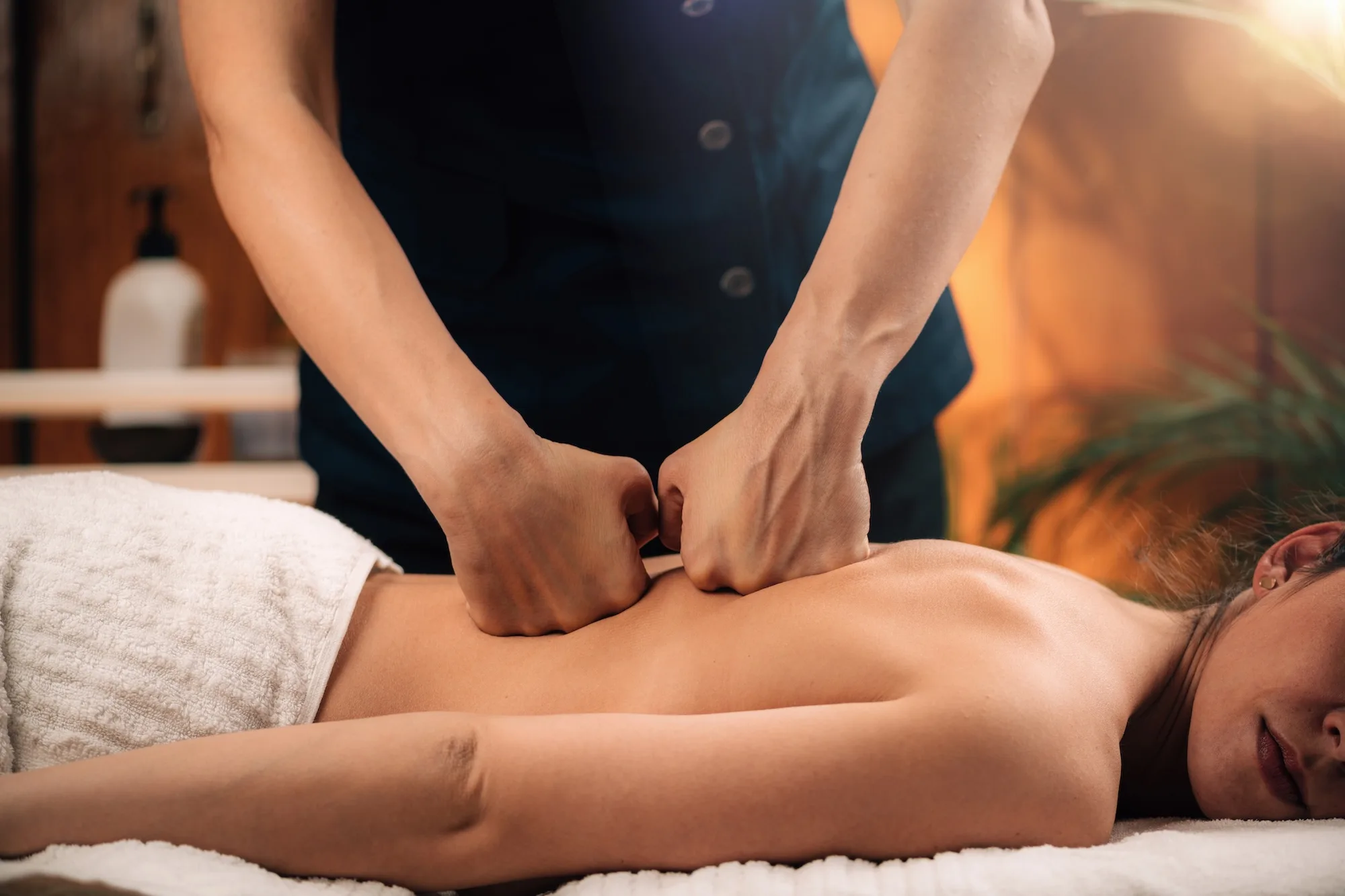
Rolfing, also known as structural integration, is a bodywork technique developed in the 1940s by biochemist Ida Rolf. Seeking answers for her own health issues, Rolf found that imbalances in musculoskeletal structure in response to gravity could affect muscles, fascia, tendons, and ligaments, causing chronic pain. She developed a program of soft-tissue manipulation and movement education, certifying others at what became the Rolf Institute of Structural Integration in Boulder, Colorado.
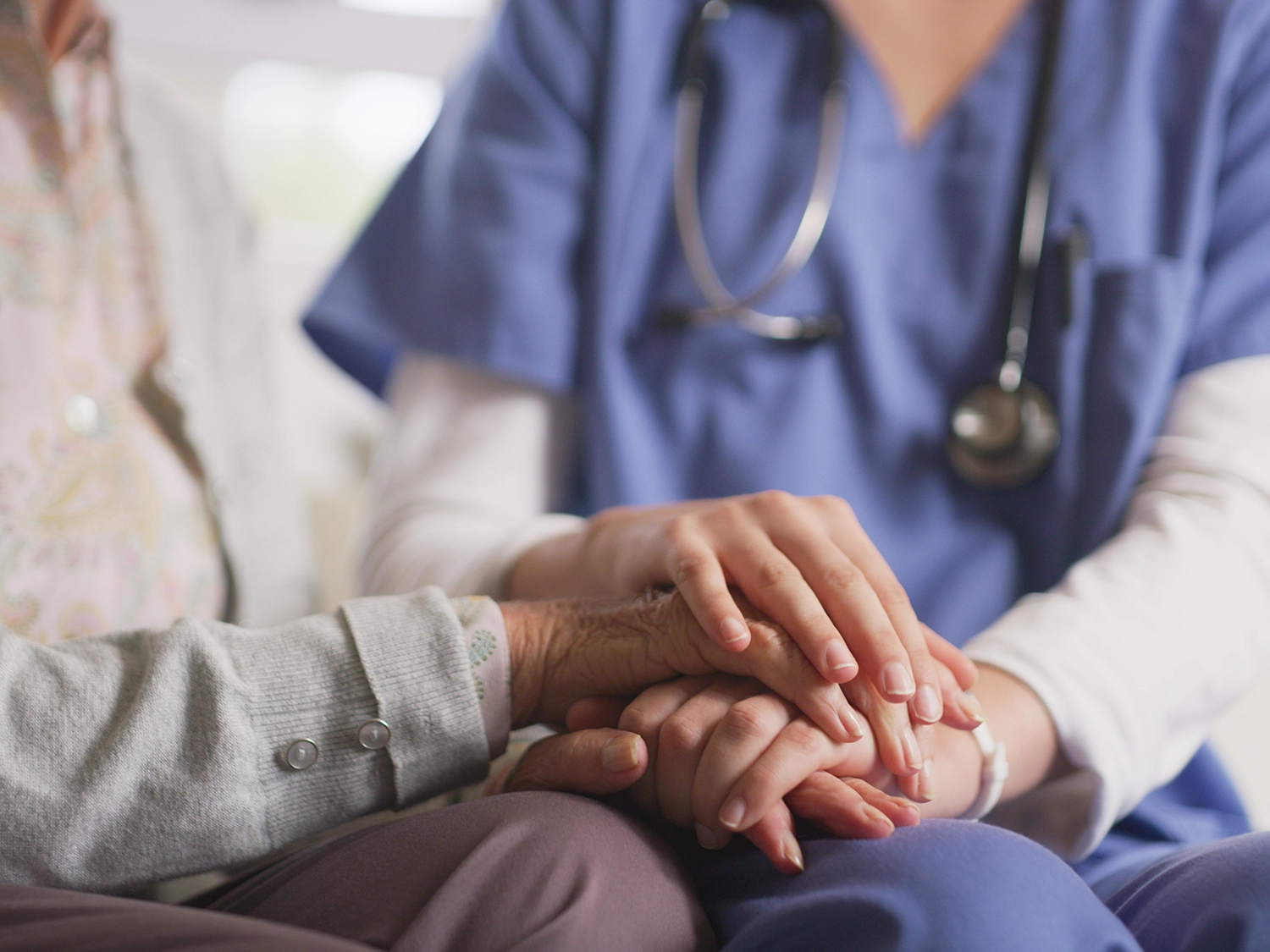
By his third session of Rolfing, Cina noticed a marked improvement in his chronic pain. “It’s destiny that I ended up doing this work,” Cina says. Although Cina found relief from his injuries, Rolfing addresses a variety of conditions. For instance, Rolfers work with post-surgical clients who benefit from releasing scar tissue. “And it’s not just working the actual scar tissue wherever the surgery site was,” he says. “It’s also the buildup of tissue because the body will compensate to stay out of pain. [Clients] start moving through their bodies again in a better pattern than the compensatory one.”
Beyond the structural mechanics, however, Cina, who graduated from the Guild for Structural Integration in 1997, addresses clients’ mind-body connection. “I was taught that the body, the mind, the spirit—it’s all one,” he says. “All these things reflect into the other aspects.”
That holistic approach, combined with Cina’s extensive personal experience and education, is what he says enabled him to hone in on clients’ needs quickly and effectively. “As we gain experience… we can see what’s going on in a person in a heartbeat,” he says. “They hardly have to do anything but show up and it’s, ‘OK, I see your challenges right now.’”
For many people, optimal benefit comes from the “10 series,” a set of 10 sessions in which the practitioner targets misalignment in different parts of the body’s system of connective tissues, focusing on specific areas before integrating all parts of the body in the final session. The goal is to achieve targeted function and bring all body systems into sync for freer and more comfortable movement.
Cina’s Rolfing career was immensely gratifying, but at 70, he has decided to pass the baton. Fortunately, Conor Taylor, a Bridgeton native who practiced Rolfing in Florida before recently returning to St. Louis, was ready to step in at the beginning of this year, taking over Cina’s lease and client load with his practice Anima Rolfing at the Movement Center of St. Louis (645 Hanley Industrial ).
Taylor worked closely with Cina for several months to ensure a smooth transition for existing clients, and he welcomes “anyone who’s seeking more ease in their body,” he says. “Rolfing is absolutely something different. A lot of times, it’s the last house on the block that people come to when they’re thinking about surgery and chiropractic,” he says. “Massage, acupuncture… if nothing’s worked, sometimes we can get job done. [Rolfing] can hit the nail on the head where other things have missed.”