A cancer diagnosis is overwhelming. Suddenly, appointments, tests, treatments, and a flood of information compete with anxiety and fear, leaving many patients and families wondering where to begin.
That time of uncertainty was the inspiration behind the START Strong Survivorship Clinic at Siteman Cancer Center, a program launched last year and designed to help patients focus not only on treating their cancer but also on caring for themselves throughout the process.
Your guide to a healthier, happier you
Sign up for the St. Louis Wellness newsletter and get practical tips for a balanced, healthy life in St. Louis.
START stands for Support, Thrive, Advocacy, Resilience, and Tools—five pillars intended to help newly diagnosed patients build healthy habits while addressing the emotional, physical, and practical challenges that often accompany cancer treatment.
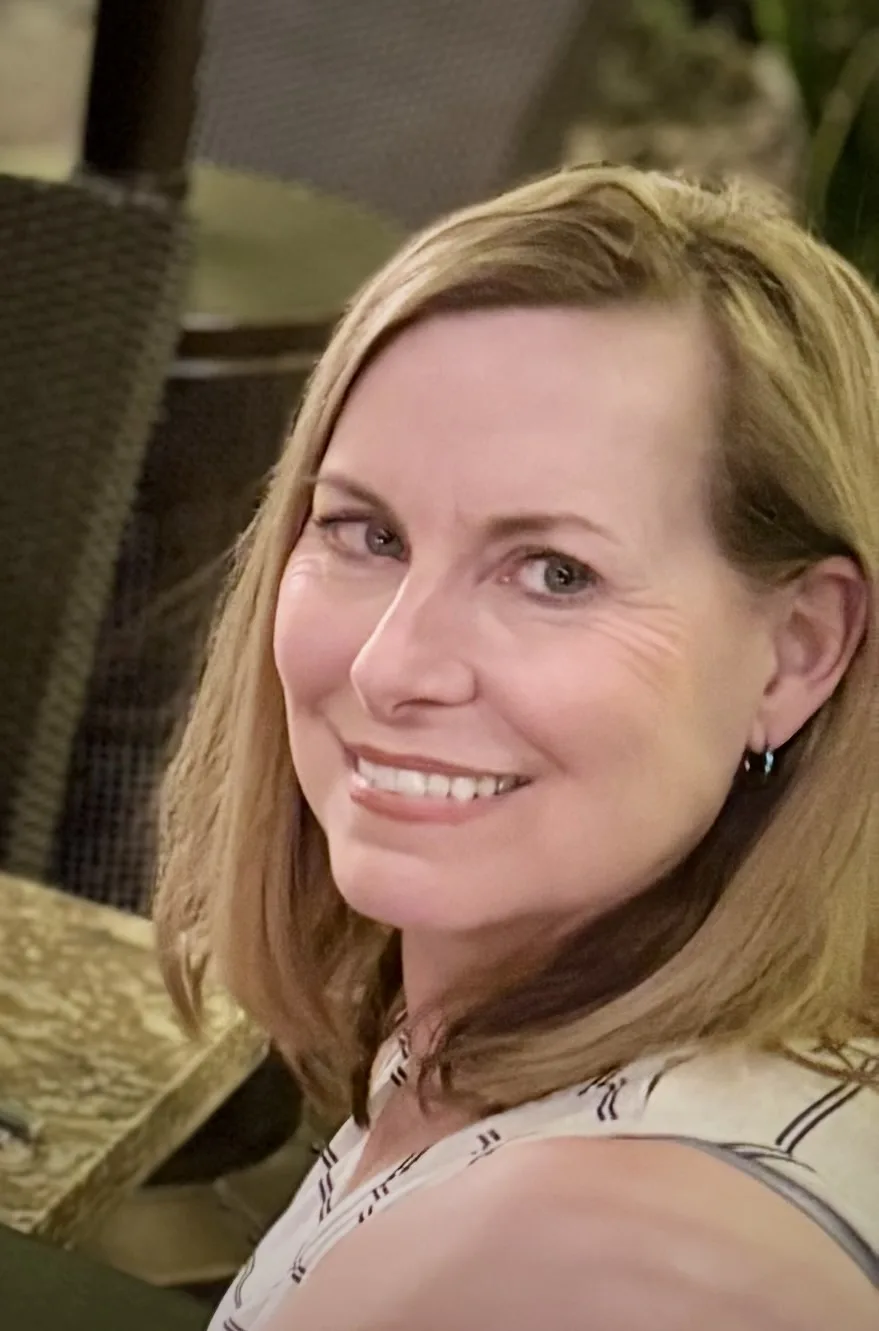
“We have consistent and growing evidence that lifestyle factors such as physical activity, nutrition, and weight management can improve cancer outcomes, including reducing recurrence risk and improving survival in certain cancers,” says Dr. Lindsay Peterson, clinic director and associate professor of medicine at WashU Medicine.
Beyond encouraging healthy habits, the clinic also helps identify the social, emotional, financial, and logistical hurdles that can make an already difficult experience even more challenging.
“At the same time, we recognized that many patients also have important social, emotional, financial, and practical needs that can significantly impact their cancer experience and overall well-being,” Peterson says. “The START Strong Survivorship Clinic was designed with this in mind, providing dedicated time to identify those needs early and connect patients with the wide range of supportive care resources available through Siteman Cancer Center, including nutrition services, physical activity programs, social work, psychological support, financial navigation, and other survivorship resources.”
Each patient meets with a multidisciplinary team that includes an oncology medical provider, physical therapist, and dietitian. Social workers are also available to help address emotional, practical, and financial concerns while connecting patients with additional support services when needed.
The clinic’s success has prompted Siteman to expand its hours this month, allowing it to serve more patients. Referrals can come from patients themselves or their medical providers.
While the clinic is designed to see patients early in their cancer journey—often around the time treatment begins—Peterson says it has also proven valuable during treatment and into recovery. “We are happy to see patients within the first two years of their diagnosis, and we welcome patients as their needs evolve,” she says.
Patients, Peterson adds, have responded overwhelmingly positively to the clinic’s approach. Many say they feel more supported, more empowered, and better prepared to navigate treatment and recovery. “Some patients have even commented that they feel this type of visit should be a standard or mandatory part of care for all newly diagnosed cancer patients,” she says.
Perhaps the clinic’s greatest strength is its personalized approach. Rather than focusing solely on the disease, the team helps patients address the many aspects of life that cancer touches, while connecting them with resources that continue throughout treatment and into survivorship.
Peterson hopes patients and families leave knowing they aren’t facing cancer alone—and that there are meaningful ways they can actively support their own health.
“Importantly, patients should also know that they can play an active role in their own health and outcomes through lifestyle choices such as exercise, nutrition, sleep, stress management, and avoidance of tobacco and excess alcohol,” she says. “While patients cannot control every aspect of cancer, there are meaningful steps they can take to support their health during and after treatment.”