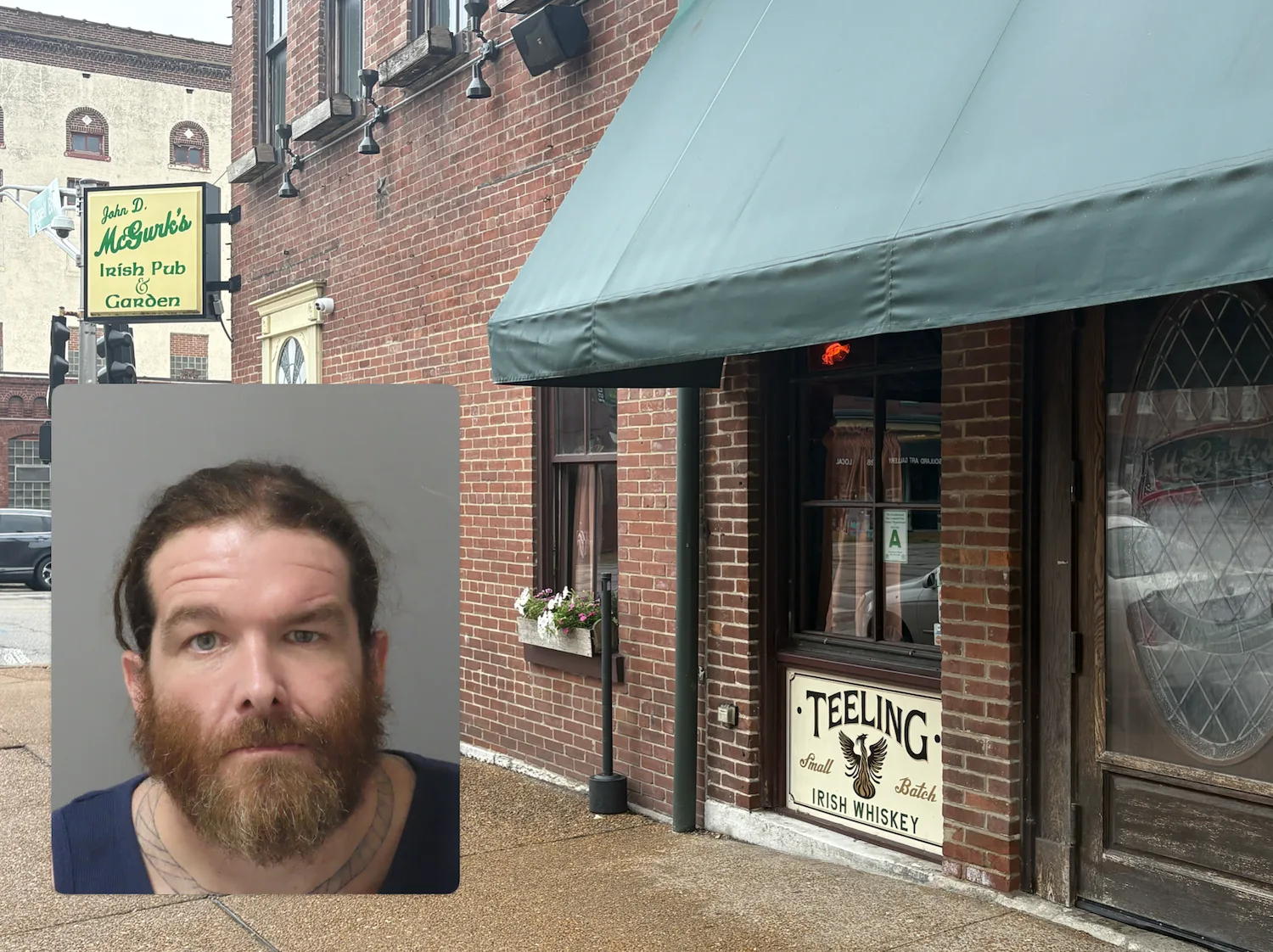
A series of cooking grease thefts from John D. McGurk’s last summer looked at first like the work of an addled thief committing a crime of convenience. A federal indictment now suggests it was part of something much bigger: a multi-state, million-dollar conspiracy trafficking in stolen fryer oil.
The thefts from the Soulard bar happened over the course of three nights in April and May of last year. Ronald Braden, 39, of Republic, in southwest Missouri, allegedly made off with thousands of pounds of grease from the restaurant, valued at more than $2,000. He was captured on surveillance footage and eventually charged with two counts of felony stealing.
Get a fresh take on the day’s top news
Subscribe to the St. Louis Daily newsletter for a smart, succinct guide to local news from award-winning journalists Sarah Fenske and Ryan Krull.
But Braden wasn’t taking the pilfered grease to some unscrupulous recycling depot right down the road.
According to a federal indictment unsealed earlier this month, Braden was transporting the grease back to Republic and selling it to 72-year-old Harry Stephen Steele who, through his company, Steele Excavation and Septic Service, was funneling the stolen grease into the legitimate renewable energy market.
Grease, also known as used cooking oil, has long been a commodity that one unfortunate soul or another is interested in stealing. There’s even a 1998 episode of The Simpsons in which Homer moonlights as a grease thief.
While it was previously used in livestock feed or the manufacture of soap or other products, the value of used cooking oil increased in the mid-2000s when Congress created the Renewable Fuel Standard program, requiring that a certain amount of renewable fuel be blended into gasoline. Now companies that produce renewable fuel from used cooking oil also generate energy credits that can be sold to other energy companies that don’t blend the required amount of renewable fuel into their products and need to purchase the credits to comply with federal law. This is all to say that the messy, smelly substance restaurants often stash in bins outside their buildings can be worth a lot of money. Yellow gold.
According to federal prosecutors, Steele began purchasing stolen grease through his company in September 2022. He encouraged Braden and four other men supplying him with grease to forge traceability and origin documentation to make the used oil appear to have a legitimate source. Steele then used the bogus paperwork to sell the product to an unidentified company based in Minnesota.
The indictment is light on details as to which restaurants had their grease pilfered. But the timing of Braden’s alleged thefts from McGurk’s falls squarely within the timeframe of the alleged conspiracy. Another defendant, Blake Neptune, also of southwest Missouri, was arrested by the Joplin Police Department for a theft at a Raising Cane’s. A Joplin police spokeswoman confirmed Neptune had been caught stealing grease.
It’s unknown exactly how many times Braden sold grease to Steele or in what quantities. The indictment mentions two specific instances in which Steele purchased stolen oil from Braden, paying around $2,000 each time. The indictment says Neptune made about 25 sales to Steele, getting paid a total of $112,000.
The enterprise was lucrative for Steele as well. The indictment lists 10 payments from the Minnesota company to his bank accounts, totaling around $1.3 million.
A corporate investigator who works for a legitimate grease recycler and did not want his name used in the story explains that stealing grease presents criminals with a low-risk, high-reward proposition. Grease thieves often arrive in unmarked trucks at night and are able to empty a restaurant’s outdoor grease vat in as little as five minutes. The presence of large equipment makes them look legitimate. The thieves themselves often wear reflective vests and hard hats. If police should happen upon them, they often explain to officers that the business’ regular grease men have subcontracted them for the job. Des Moines, Iowa, is something of a hot bed for these organized rings, the investigator explained.
It’s unclear exactly how Steele’s and Braden’s alleged scheme began to unravel, but presumably Steele’s grease henchmen getting busted in St. Louis and Joplin didn’t help. The same month Braden was charged in St. Louis, an undercover officer sold a truckload of purportedly stolen used cooking oil to Steele’s company for $579, the indictment says.
Steele faces the most serious charges of the bunch: a total of 16 counts of interstate transportation of stolen property, along with wire fraud, money laundering, violating the Clean Air Act (for falsifying the origins of the renewable fuel), and conspiracy against the United States. Braden, Neptune, and the other indicted men face only the conspiracy charge.
The feds are also seeking to seize Steele’s property in a secluded area of Greene County, southwest of Springfield.