A new breed of free spirit is wandering the globe: the digital nomad. Shorn of stuff, connected to everyone and everything they need by phone or laptop…
It sounds a bit like a psychological juice cleanse. Part fascinated, part horrified, I quiz Rick Frausto, a digital nomad who stays in St. Louis with relatives whenever he and his wife bounce back to the Midwest.
“My wife and I decided to sell everything I own,” he begins, the grammar no doubt a Freudian slip. “She’s more of a minimalist than I am.”
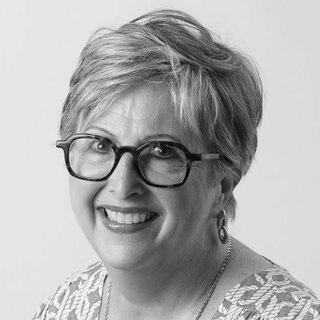
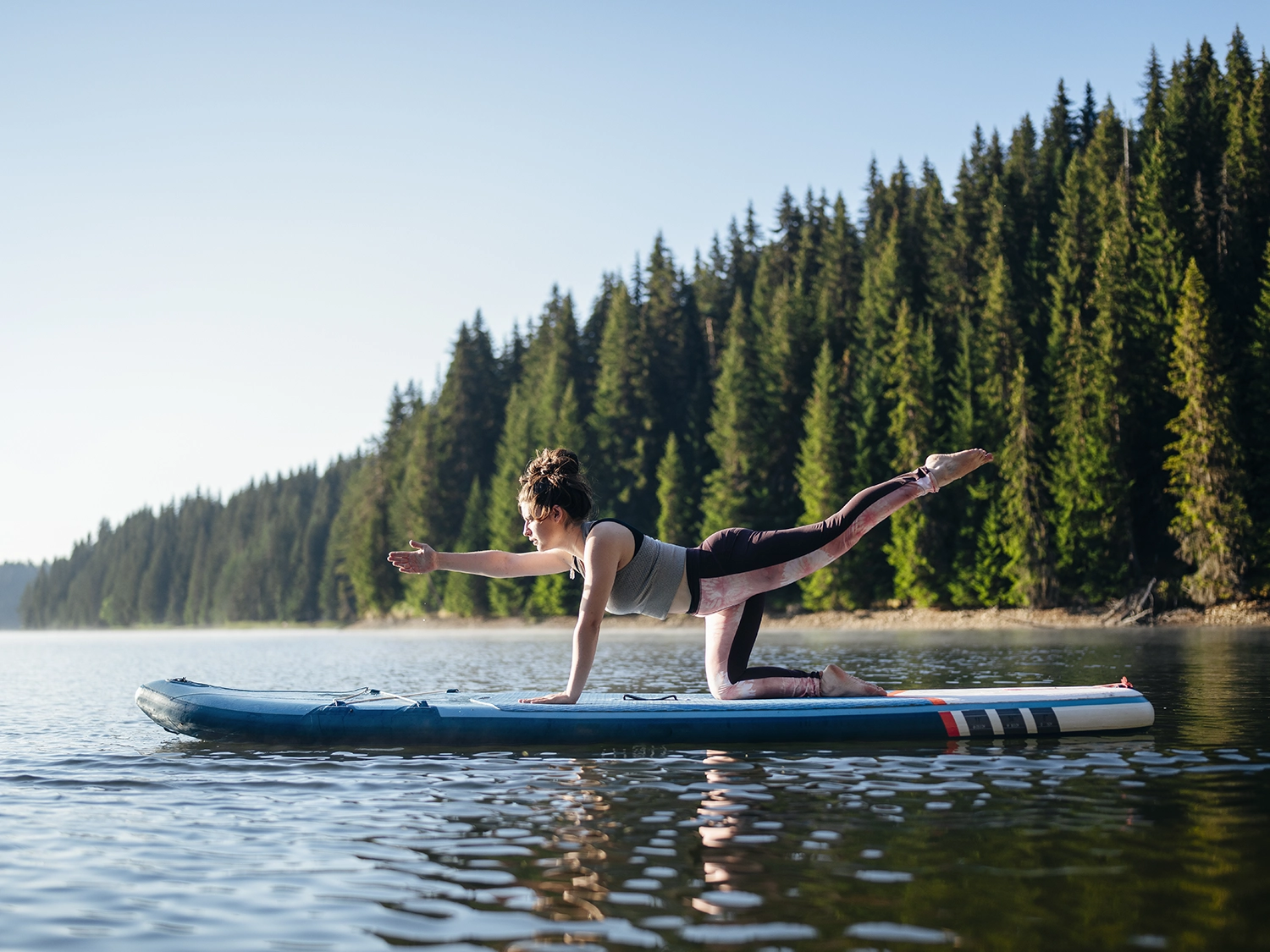
The founder of Chrysalis Yoga, Kim Wolff travels lightly in the world—but Frausto had the acquisitions of a 25-year art career. Huge sculptures, found objects, canvases… “I had to go through a few years of mental preparation,” he says, “to part with all my finished art and supplies. But it’s funny, how when you decide to take a leap of faith like that, things fall into place.”
Now he and Wolff have one suitcase and one backpack apiece. No furniture, no gadgets. A super-functional wardrobe they can layer and interchange. Some sentimental stuff tucked into relatives’ closets. Last year they lived in St. Louis, Mexico (Wolff gave a yoga retreat there), Long Beach, France, Morocco (another yoga retreat), and Kauai. This year they’ll be in Mexico again, then Guatemala, then British Columbia, then back to Bordeaux.
“You know how you get caught in a rut,” Frausto says, “and you just find yourself repeating patterns? We were both in a position where we could break those patterns.” He sold or gave away all his art, including an 8-foot robot he’d painstakingly welded, and he gave found objects to artist friends. “We’d come back from a trip and they were already having shows with what they’d created,” he says. “I felt this huge sense of relief.”
“But what about your art?” I squeak.
He says he has shifted to pen-and-ink illustrations, photography, and drawings based on their travels. “It’s a beautiful world.” Living a month in Fez or finding an airBnB in Paris or walking through the Bordeaux countryside…“It’s an interesting frequency. People are more relaxed. You come back to the U.S., and everyone is so stressed; everyone is being worked so hard.”
A digital nomad’s stresses are practical ones, like Montezuma’s Revenge or mail service. They use a virtual mailbox service, looking at their mail online. Most of it goes to the trashbox; some, they ask to be opened and displayed; a few pieces are physically forwarded to them, wherever they’re living at the moment. They love packing cubes, “so you don’t have to root through your suitcase and make a mess every day,” Frausto explains. “I’ve watched people do that at airports. I said, ‘That cannot be us.’”
Emotionally, they’ve learned to be malleable, adaptable, open. “One of the greatest things you gather when you’re out there is intuition,” Frausto says. “That inner vision gets stronger, because you have to rely on it in so many unfamiliar situations.”
After a couple years, they may weary of nomadism. They’re already keeping an eye out for places that could become a home base, communities where they’d like to put down roots. But the psychological effects won’t be forgotten.
“There’s a pressure release, almost a weight off your shoulders,” Frausto says. “Stuff really does keep you grounded. It’s like a ball and chain; it keeps you in the place where you are, and it’s almost impossible to leave. There are people who fill a whole house up with stuff and then just stay there.”
Yeah, I say in a small voice. There are.
“To each his own,” Frausto continues. You’ve got to have the desire, I guess, to get out in the world.” He worked in Hollywood for six years, as an art director. “Hollywood is harsh,” he says. “L.A.—I could never live there. It’s just too crazy, too transient. I like community. I like settling down into something.”
Hang on—isn’t what he’s doing just the opposite?
“Well, I guess you can be both,” he says easily. “We like being locals wherever we go. We’re not tourists. It’s a little bit existential, to just pop into a place and feel like you belong there.” Plus, “the technology gives you the freedom to do this and stay connected, to take your community with you. And with e-commerce, you don’t need to be in one place anymore.
“I feel lighter,” he says. “A lot lighter. Your perspectives on things change completely. You realize the world is small. Everything feels closer together, and people do, too. There’s a lot of isolation in not knowing what’s out there.”