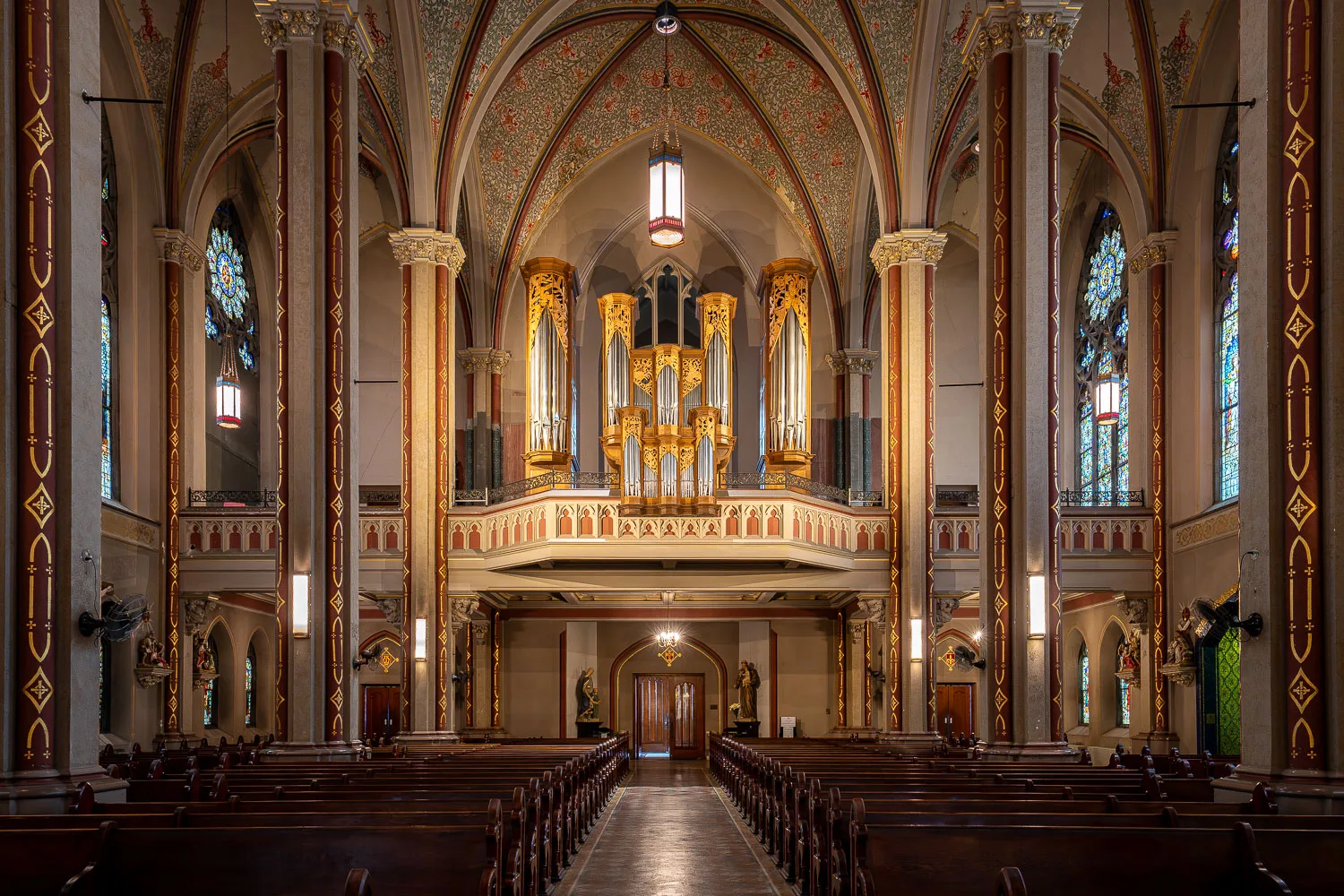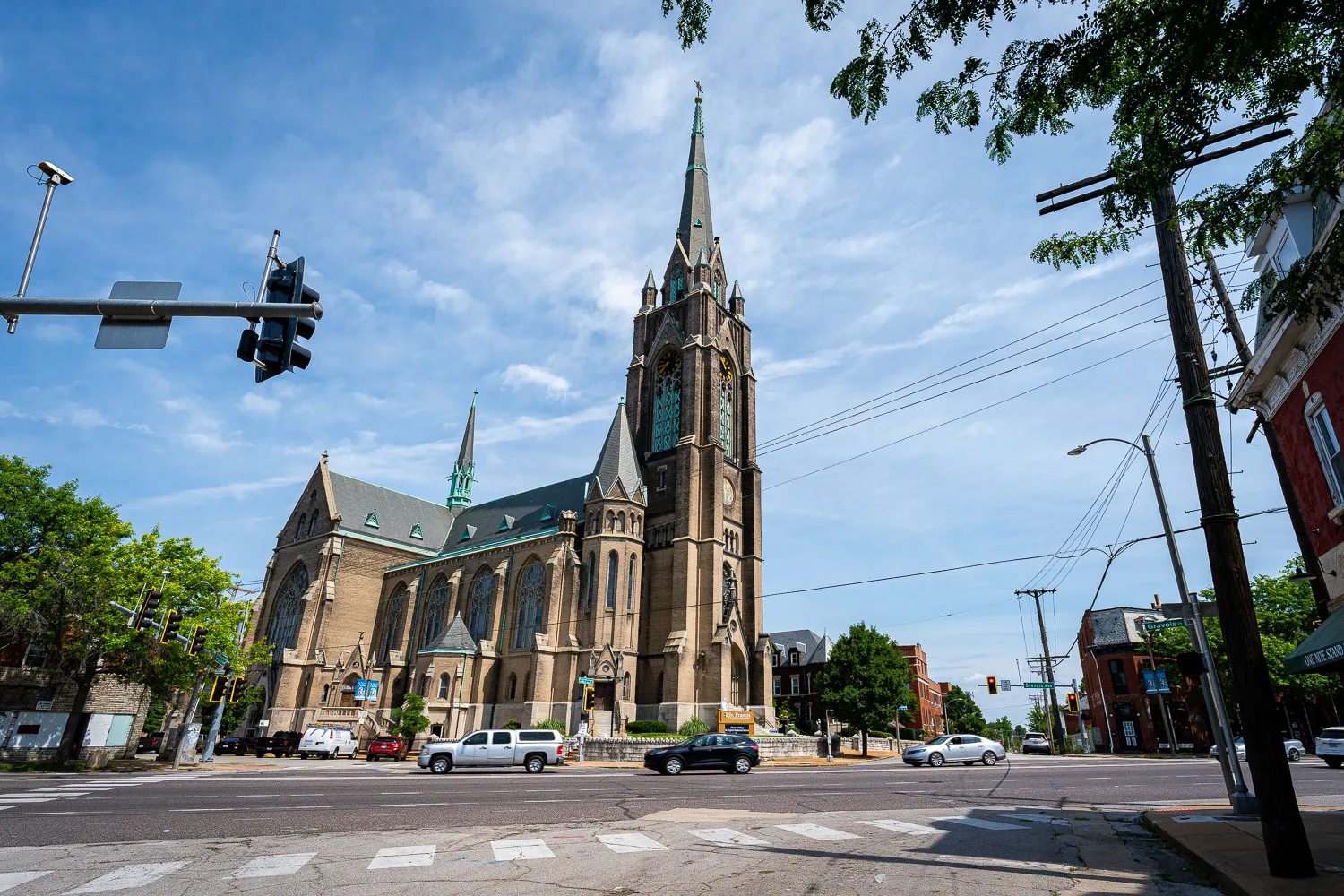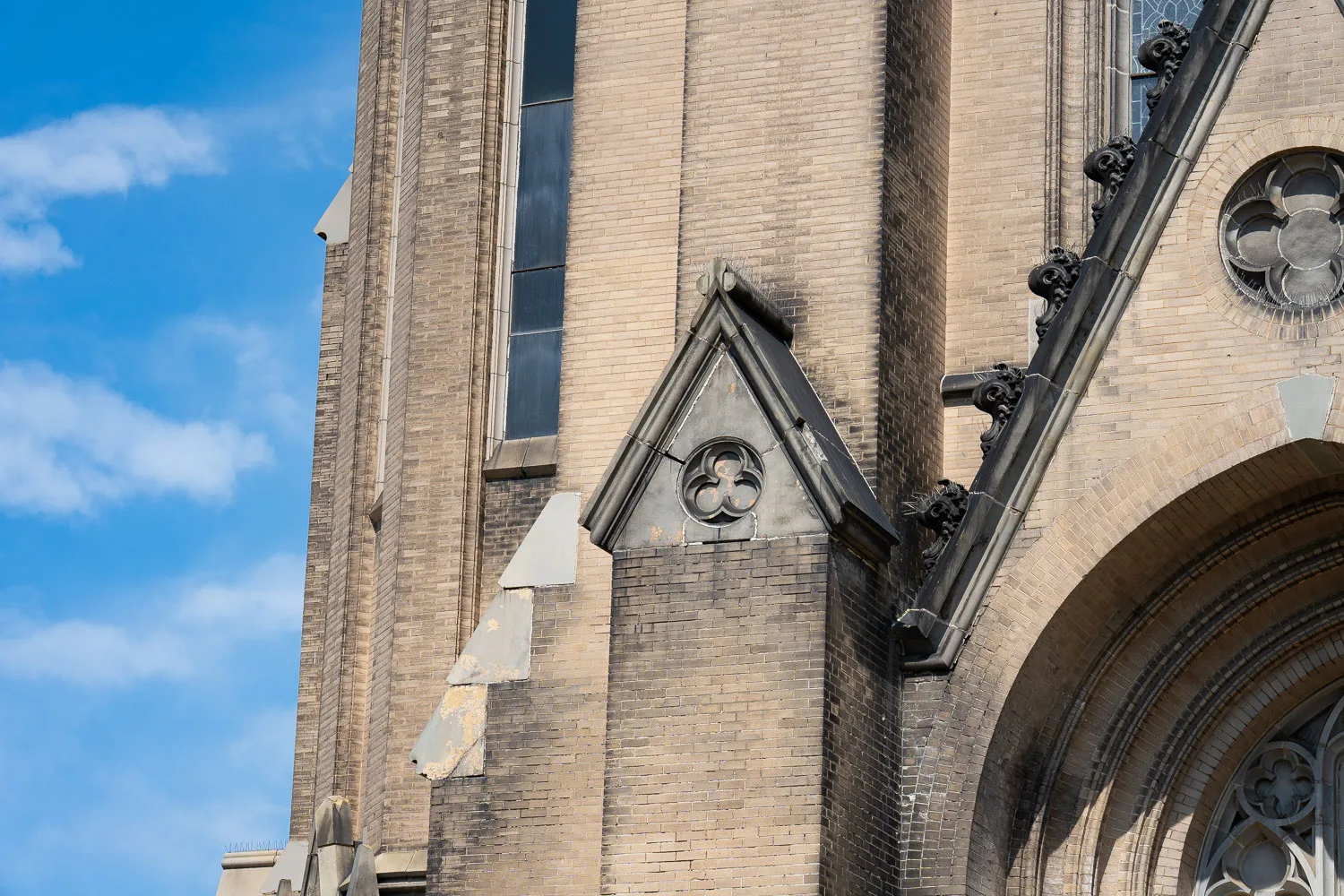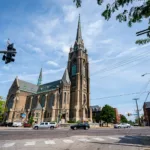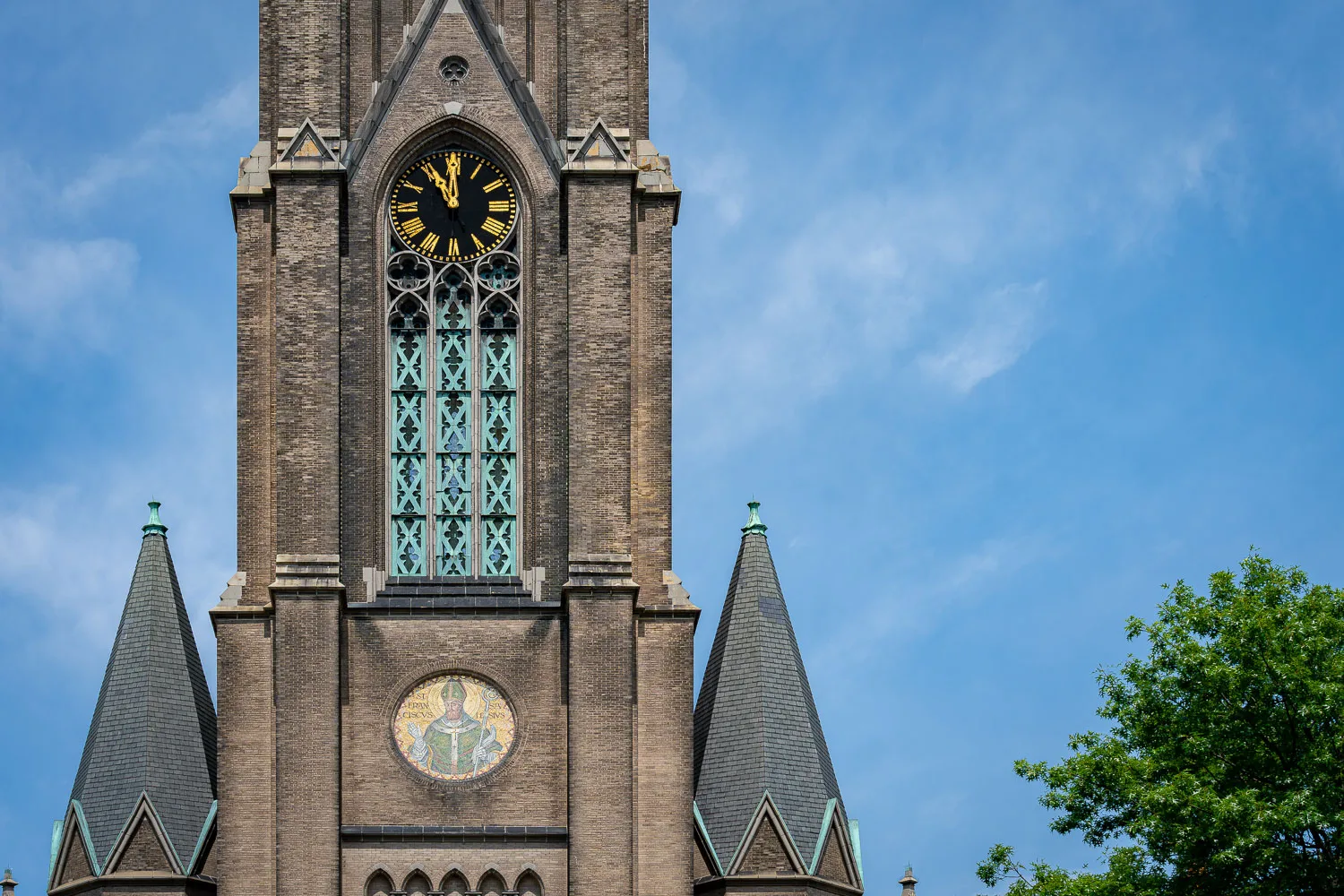
A Catholic congregation in the heart of the city is pushing forward with an ambitious plan to restore the German neo-Gothic building that’s been called “the Cathedral of South St. Louis.”
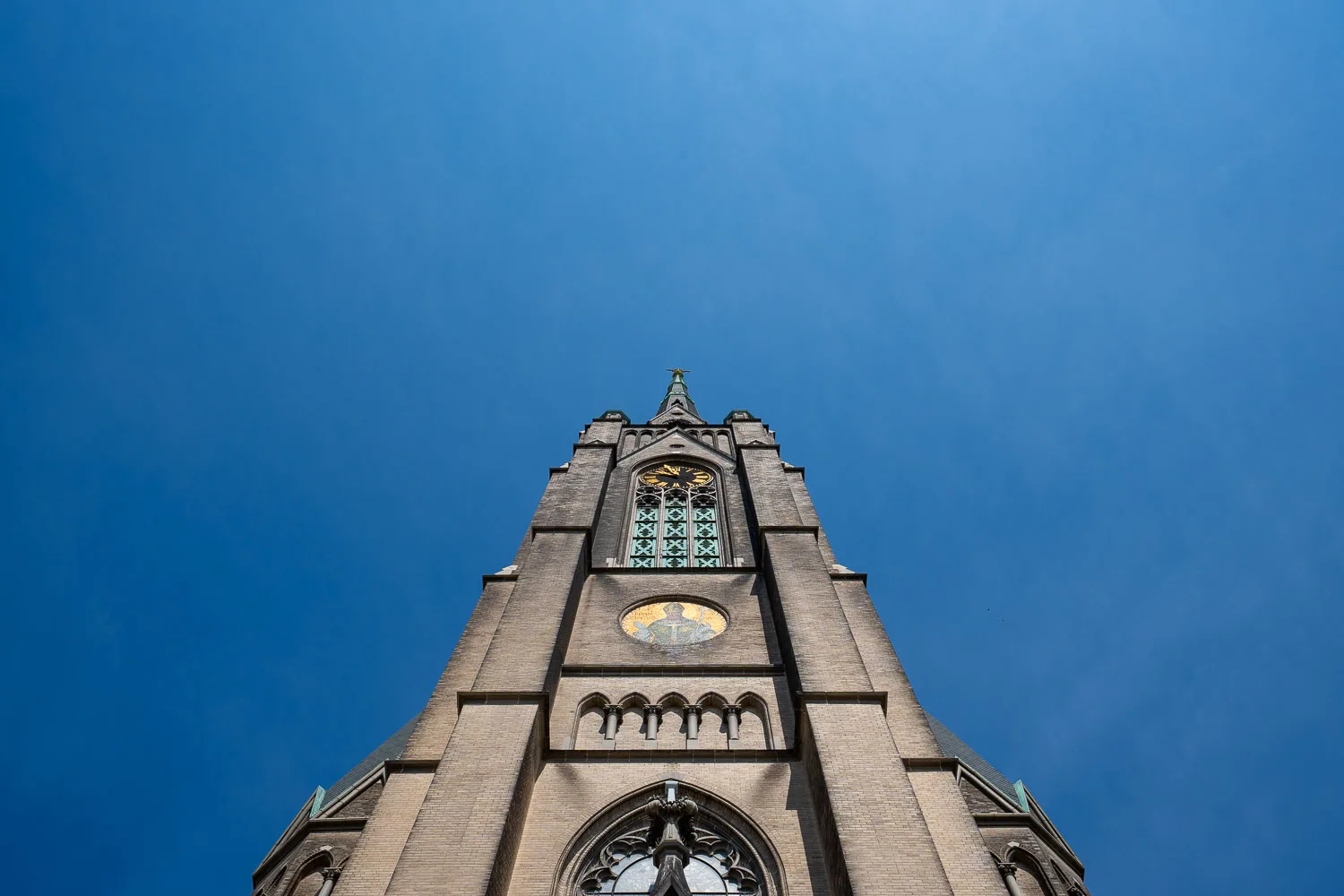
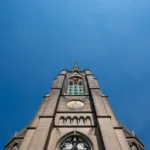
St. Francis de Sales is one of just two oratories in the Archdiocese of St. Louis that celebrates the Latin mass. It worships inside the stunning 1867 edifice, sometimes called “the Cathedral of South St. Louis.” Its spire is 300 feet high—the tallest in the Midwest and sixth tallest in the U.S. It’s located in the up-and-coming Fox Park neighborhood, which suffered years of neglect but is now seeing a wave of young home buyers drawn to the stately old homes and walkable streets.
Get a fresh take on the day’s top news
Subscribe to the St. Louis Daily newsletter for a smart, succinct guide to local news from award-winning journalists Sarah Fenske and Ryan Krull.
“This church here, it’s really a landmark, but most people in St. Louis don’t even know about it,” says its rector, the Rev. Canon Benjamin Coggeshall. That’s perhaps because it’s on a singularly unlovely stretch of Gravois, or perhaps because it was empty for a time: The parish that was located on site closed in 2005, and originally the archdiocese sought to reopen it as a ministry focused on Hispanics. Those plans never came to fruition, and the oratory focused on the Latin mass instead opened not long after.
St. Francis de Sales now counts 5,000 members from across the region and now consistently draws 700 to 800 people to mass every Sunday—more than double what it did five years ago.
Worth noting: The current congregants are mostly not people who grew up with the Latin mass. The average age is 29 years old, Coggeshall says. These members are not just younger than most American Catholics, and younger than most people in the aging St. Louis region, but also people who were born well after the reforms of Vatican II sought to modernize the church. They are going back to the Catholicism of their ancestors, not something they knew personally.
Coggeshall is himself in that number. He says he first became aware of the Latin mass in college—but found it immediately resonated. “I discovered the Catholicism that my heart always longed for, but I never knew existed,” he says.
It was during the pandemic that St. Frances de Sales saw a sizable upswing in numbers. Coggeshall credits some of that growth to Illinois forcing all of its churches to close even while Missouri’s lockdown was both short-lived and had enough holes to drive a Popemobile through.
“Even as far as city parishes go, St. Francis de Sales Oratory reopened up completely as soon as it was possible, and so there were tons of people from Illinois who didn’t even know about Latin mass,” Coggeshall says. “They could just come over the bridge and we’re one of the closest parishes to Illinois.” Even after the pandemic receded and Illinois fully reopened, he adds, some of those people stayed.
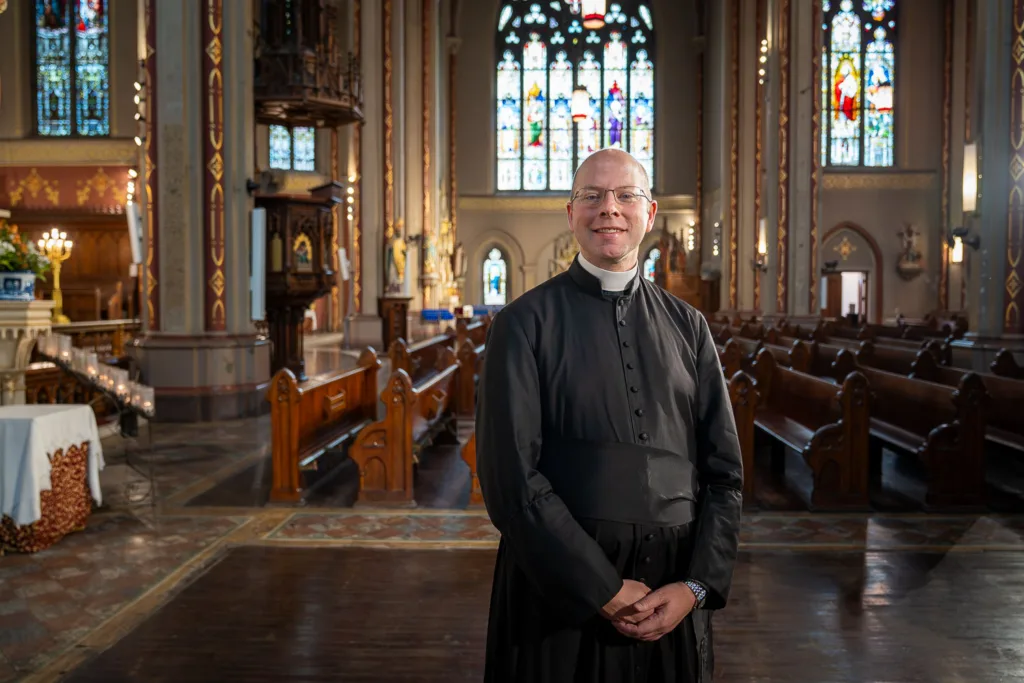
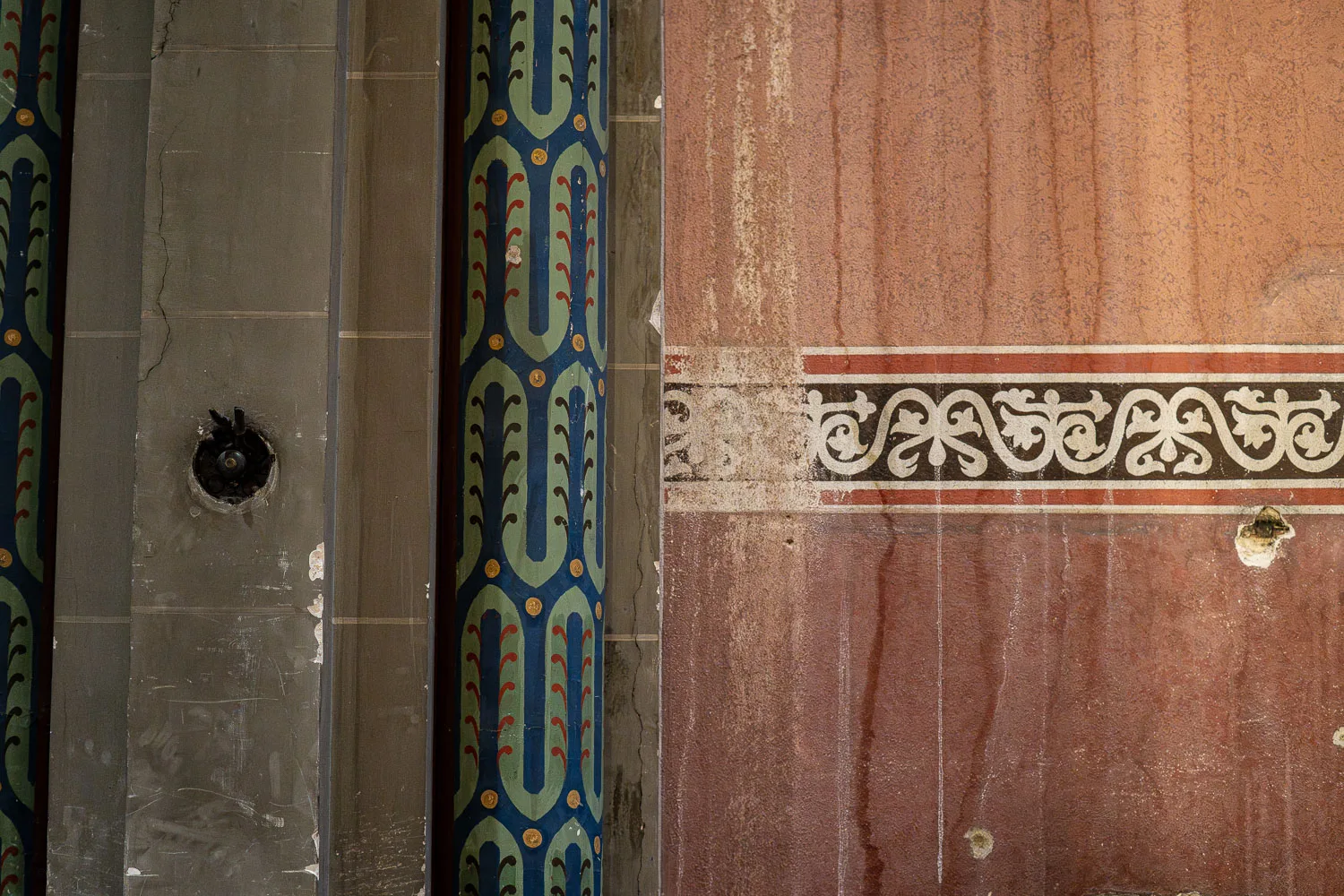
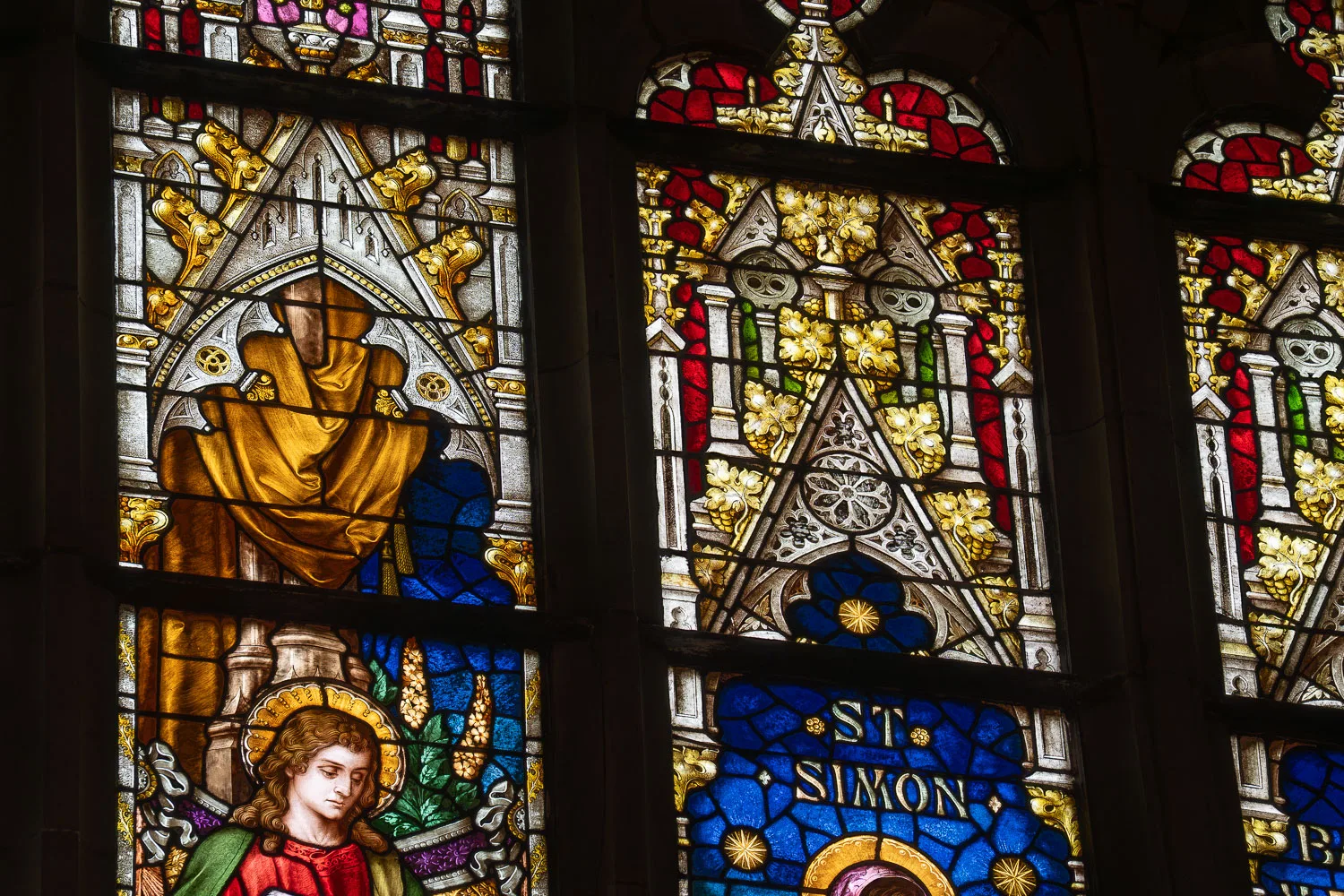
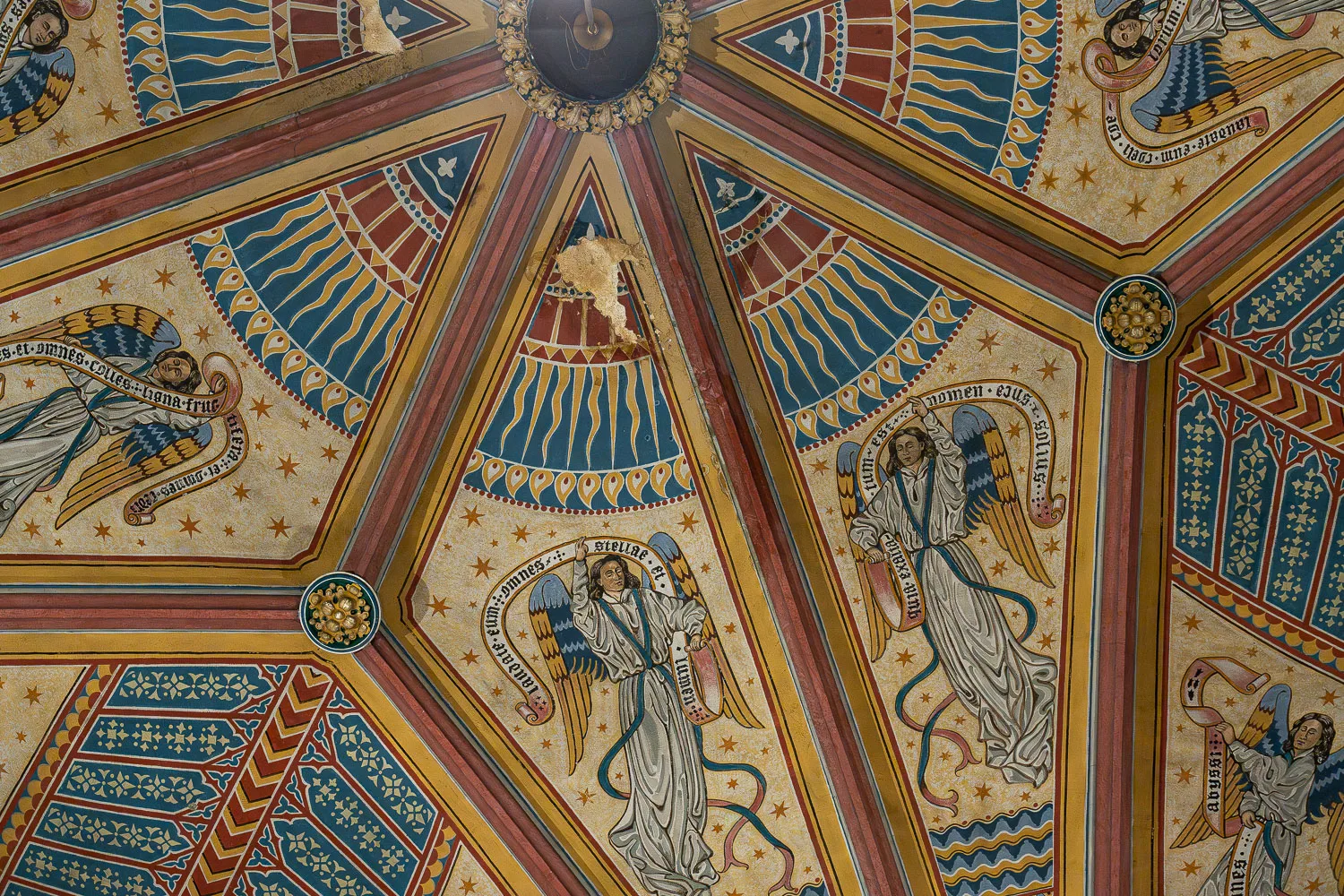
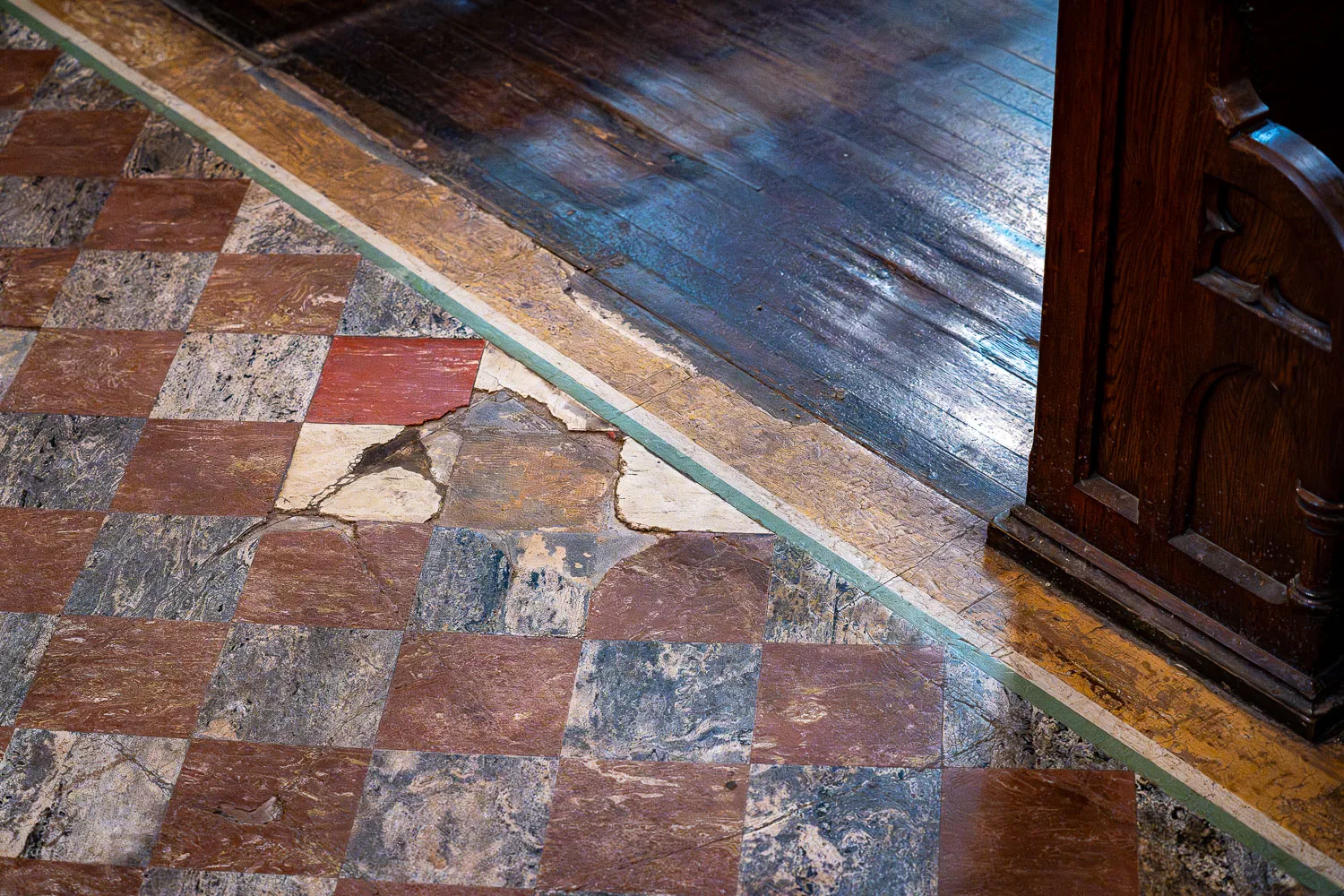
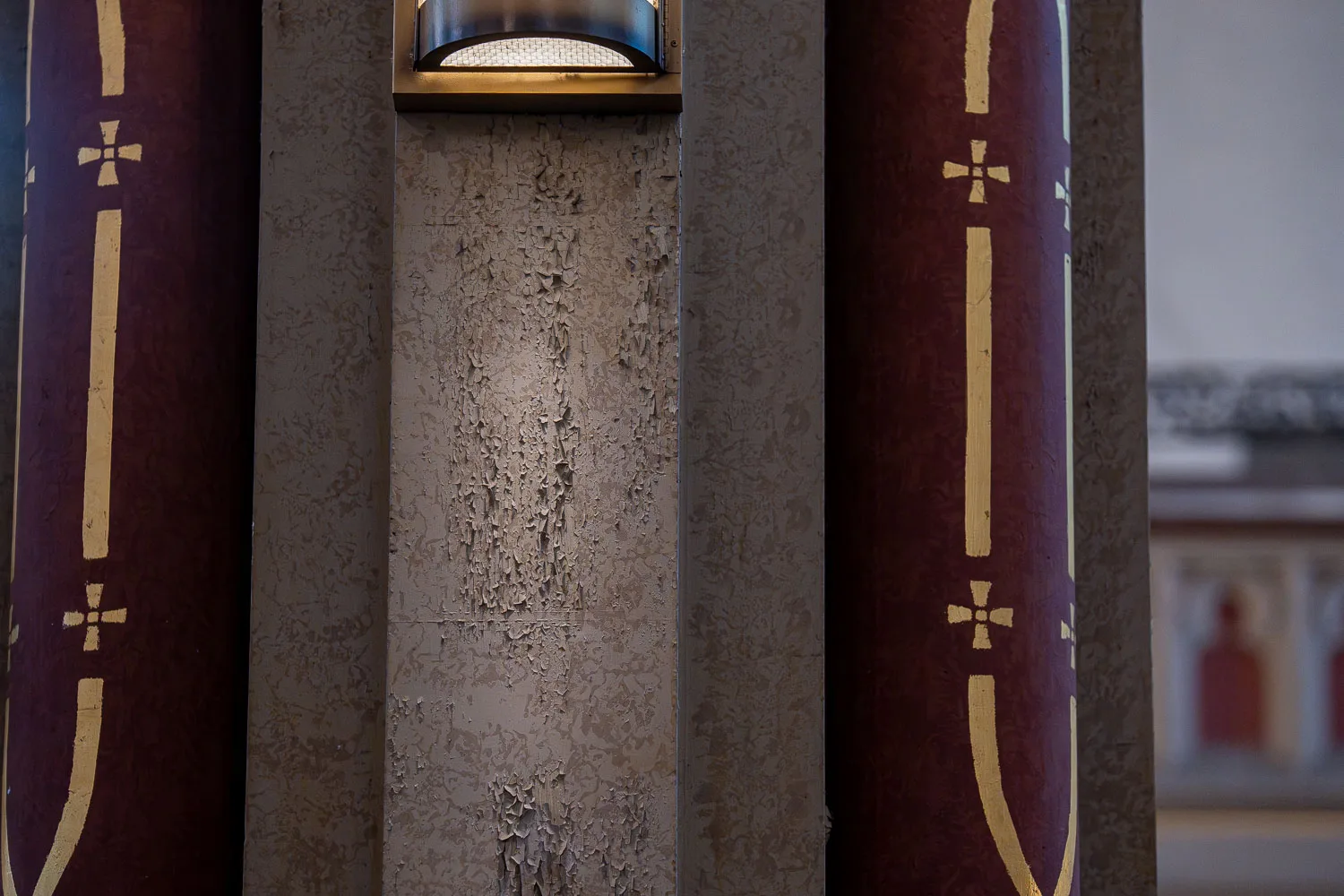
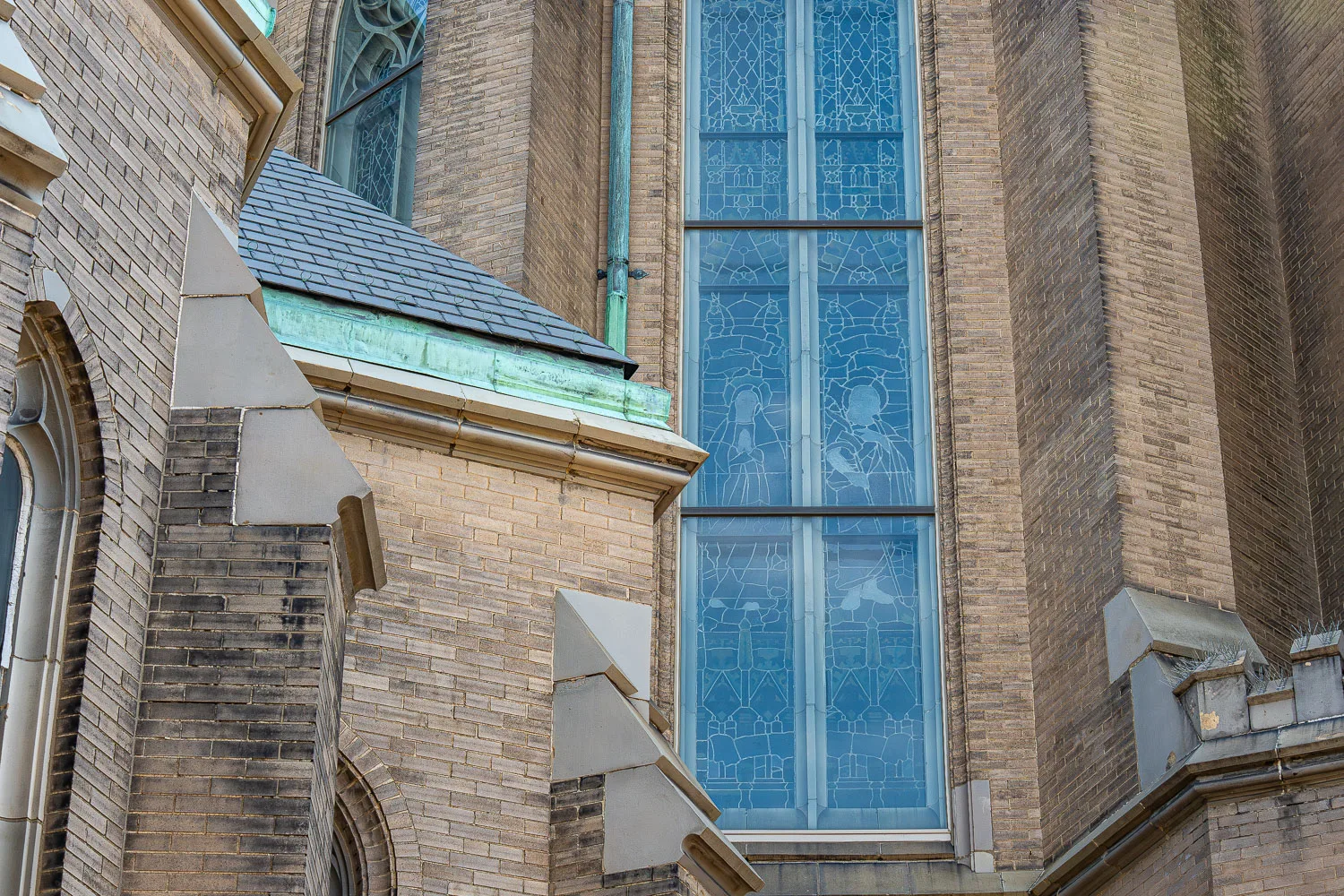
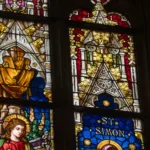
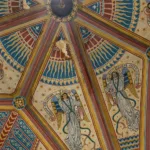
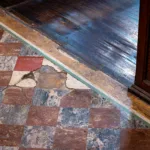
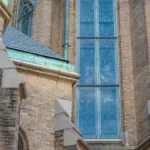
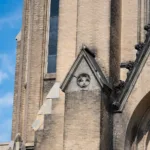
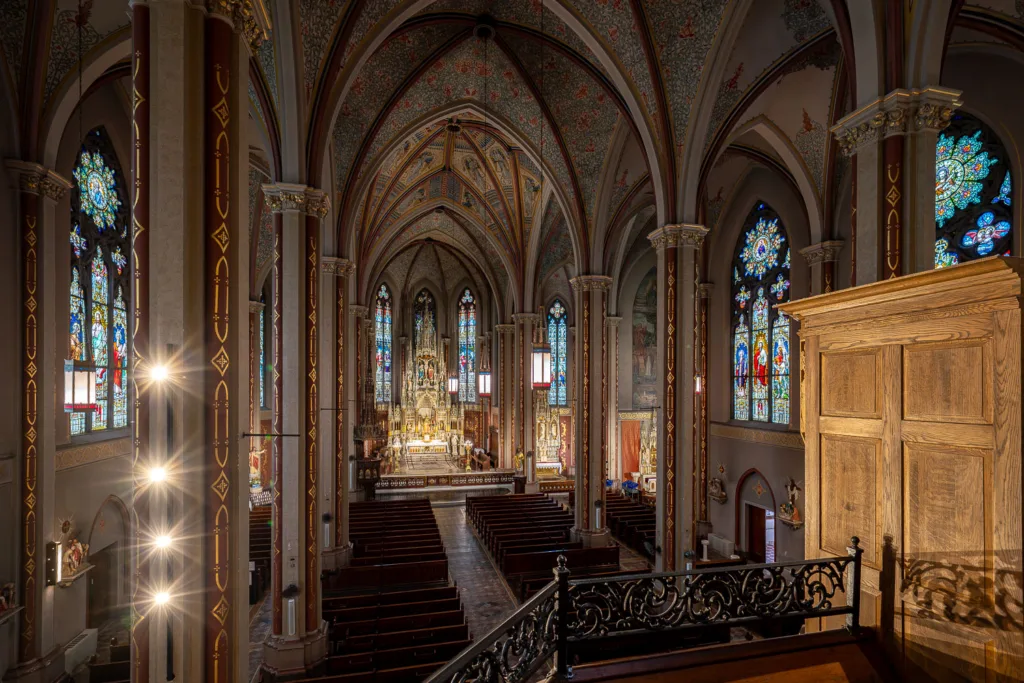
Now the church is pushing forward on restoration of its 159-year-old building. The $15 million campaign, Beauty Reborn, is being done in phases, as money allows. A total of $2.6 million in improvements have already been made to the HVAC system. Next up: Work to conserve the historic stained glass windows, masonry and structural stabilization, renewal of the high altar and interior shrines, restoration of historic lighting, flooring, and pews, and painting.
Coggeshall is particularly fond of the stained glass, which was done by noted local firm Emil Frei. “Because they were done by that one company, and they were all installed at the same time, the coloring is all the same, the artistry, the style is all the same, and so you can appreciate not just one window, but the ensemble,” he says.
Coggeshall is hopeful that the community will support the renovations as something adding beauty to the neighborhood—even as the church supports the neighborhood by bringing in visitors, some of whom stick around and spend money at local businesses. (Some 3,000 people visited the oratory last year for weddings, confirmations, and events.) The church has commissioned a report showing it has a $6.9 million economic impact, or “halo effect,” on the surrounding neighborhood.
More than anything, though, he acknowledges that the building is a fitting place for the rituals being celebrated on site.
“When you talk with people, whether they’re coming to the oratory or talking about the Latin Mass in general, that’s just the word that always comes up: beauty,” he says. “They like the beauty of the liturgy, the beauty of the church, the beauty of the music. For them, it’s just very unmistakably Catholic.”
The longing for a more traditional mass isn’t just a phenomenon in Fox Park. The Oratory of Saints Gregory & Augustine in Richmond Heights, which also offers the Latin mass, regularly draws 800 people on Sundays, according to the Archdiocese. Even so, it’s worth noting that the Latin mass remains distinctly niche: A 2025 Pew Research report found that just 2 percent of American Catholics report worshiping at a Latin mass every week. (Another 2 percent do so once or twice a year.)
The mass is heavily linked to Catholicism’s conservative wing, some of which also rejects other Vatican II changes (increased roles for lay people and increased interfaith dialogue among them). Coggeshall stresses that his congregation is very much aligned with other Catholics: “We think some people would point to it as conservative, but the thing is, we don’t teach anything that the church doesn’t teach.”