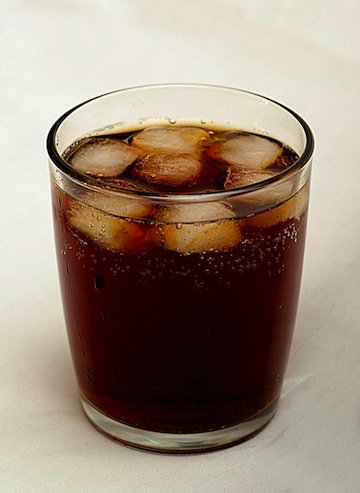
San Francisco lawmakers would tell you it’s bad—really bad.
The age-old soda debate made headlines once again last week, following San Francisco’s unanimous vote in favor of an act that would require a warning label on ads for sugary beverages. A separate measure at the state level is also in the works to require such warning labels on the products themselves. The label would read:
Your guide to a healthier, happier you
Sign up for the St. Louis Wellness newsletter and get practical tips for a balanced, healthy life in St. Louis.
“Warning. Drinking beverages with added sugar(s) contributes to obesity, diabetes, and tooth decay. This is a message from the City and County of San Francisco.”
The health effects of soda have been debated for decades. Guidelines differ and change, and research is ever-evolving. Scientists can’t seem to definitively prove the dangers of aspartame and other artificial sugar substitutes. For consumers, it can get confusing—and frustrating.
But before we dive into the debate, Connie Diekman, director of university nutrition at Washington University, reminds us of an important distinction in terminology: “The whole sugar-sweetened beverage arena is a problem. Yes, the majority of that is soft drinks. In other words, the Dietary Guidelines Advisory Committee tells us we’re getting a big chunk of our added sugars—about 39 percent—from sugar-sweetened drinks. Of that, about 25 percent is soft drinks, and we can’t ignore the rest of the 29 percent.”
In other words, a news story might read, “Health risks of soda,” but we can’t forget non-carbonated sugar sources like sweetened iced teas, sports drinks, vitamin waters, and the rest.
“Our intake of added sugars continues to grow,” Diekman adds. “The recommendation is that 10 percent or less of our daily calories come from added sugars. Right now, we’re doing about 3 to 10 percent more than that, so about 13 to almost 20 percent of our daily calories come from added sugars.”
That 10 percent figure came from an updated report by the Dietary Guidelines Advisory Committee in 2015, which cited health risks of sugar-sweetened beverages. The report shows “strong and consistent evidence” that intake of added sugars is associated with excess body weight and obesity in children and adults. Additionally, the report found higher consumption of added sugar—especially in beverages—is linked with an increased risk of type 2 diabetes in adults, a relationship the committee says, “is not fully explained by body weight.”
The warning label in San Francisco seeks to convey this research, to show there’s a connection between sugary drinks and chronic disease. “Type 2 diabetes is considered chronic because it’s something you’d have to live with,” Diekman explains. “Often, we also lump the issue of cardiovascular disease into that category because it’s still the No. 1 killer in the U.S.”
In 2012, a study published in the American Journal of Nutrition found an increased risk of stroke among adults who consumed more than one can of soda per day. It’s practically impossible to put an exact bottle or ounce limit on sugary drink consumption, notes Diekman, because such studies don’t account for other variables like lifestyle habits or socioeconomic status.
“When you look at the evidence of sugar-sweetened beverages as a cause of hypertension, cardiovascular disease, or stroke, there’s not a body of evidence to make that conclusion,” Diekman says. But she does believe that research has evolved to the point where we can say with certainty that excessive consumption of sugar-sweetened beverages can increase a person’s risk for obesity and related chronic health complications.
Diekman also points to the relationship between soft drinks and tooth decay, a link with more definitive evidence. The carbonation and acidity in soda is also known to cause gastrointenstinal distress and can worsen symptoms of gastro-esophagael reflux disease, including reflux and stomach ulcers.
When it comes to warning labels, opinions are mixed. A new debate over the effectiveness of such warnings enters the picture and people don’t tend to see eye-to-eye. “We still don’t have a lot of evidence to show any sort of labeling changes who purchases,” Diekman says. “The other thing I hear a lot is people saying, ‘You don’t have to tell me they’re bad—I know they’re bad, but I’m choosing to do it anyway.’
“I think what we need is to get a better understanding of why people do this,” she adds. “Obviously, taste is a factor, but when people know it’s not a good choice, what are the roadblocks to prevent them from stopping it? Is it availability, economic, habit that nobody has worked with them to change? I think that’s a much better step than warning labels—a much harder step. It’s easier to throw a label on something, but I’m not sure that will stop purchases.”