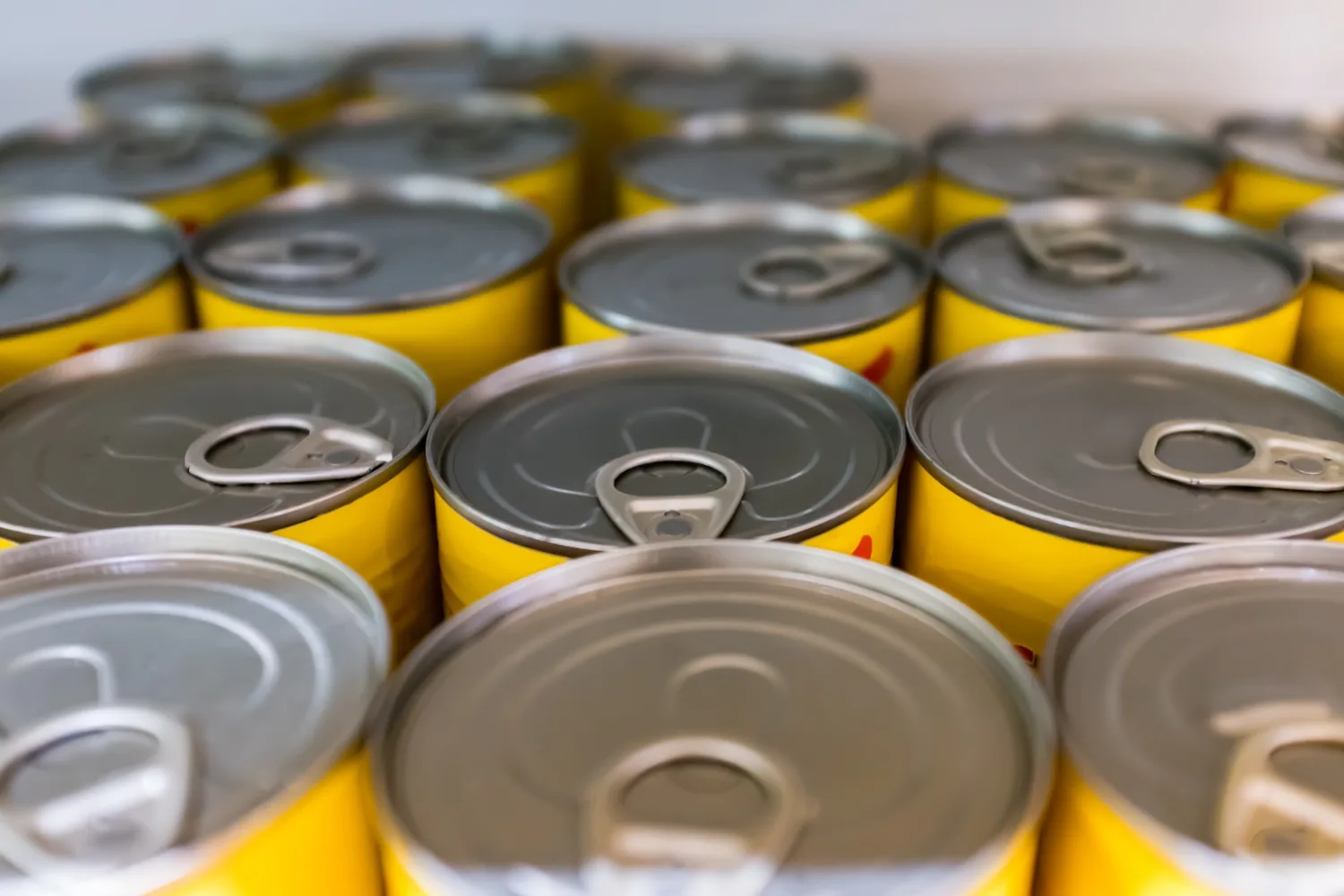
I’d love to say that I am a meal planner, but I tend to fall into the habit of figuring out what I’m making for dinner sometime around mid-afternoon, which means I’m at the grocery store nearly every day. It’s inefficient, and I am trying to get into a better routine. One thing that’s been helpful is having certain pantry staples on hand, so I can cobble together a meal or snack with what I have on hand. I’m never without at least two cloves of fresh garlic, olive oil, dried pasta, and a can of crushed San Marzano tomatoes. Separately, they can be incorporated into many different dishes, and together I can whip up a quick tomato sauce if I don’t feel like grocery shopping for dinner.
Jeff Friesen, a longtime St. Louis chef and culinary instructor at Kitchen Conservatory, says I’m on the right track. He tells his students to think of pantry staples as a utility belt. Although there are a few things he feels are essential for every home cook to have around, he suggests thinking about the types of dishes you typically like to prepare and the flavor profiles that you want to have around when assembling your own culinary toolkit. That said, he has a few suggestions that he believes are universal.
Find the best food in St. Louis
Subscribe to the St. Louis Dining In and Dining Out newsletters to stay up-to-date on the local restaurant and culinary scene.
Kosher salt: Friesen says he is often asked what kind of salt he uses, and his answer is simple. “I use kosher salt because it is inexpensive, clean, and doesn’t have a lot of other stuff in it,” he explains. “It’s just consistent.” In addition to having salt around, one thing he always stresses to his students is the importance of salting meat ahead of time. “It’s so important,” he says. “Even doing it an hour ahead of time is helpful. If I’m cooking a two-inch ribeye, I will salt it the day before; for a chicken thigh, I do an hour before I cook it. If it’s a pork butt, I’m brining it well ahead of time. If you don’t salt your food, it tastes dead. It’s a must.”
Vinegars: Friesen notes that acid is an essential component in food, and that it’s good to have on hand because it is shelf-stable. “I love lemons and limes, but those go bad in the refrigerator,” he says. That’s why he always keeps different kinds of vinegars on hand; white wine, red wine, rice wine and sherry are all good options and will brighten your dishes and awaken your sour receptors. Sometimes, even dishes that you don’t know have vinegar in them benefit from its brightening quality, he says, and though which vinegars you choose depends on what type of cuisine you typically cook, he personally loves to keep around sherry vinegar, red wine vinegar, and apple cider vinegar.
Fish sauce: Like vinegar, Friesen sees fish sauce as one of those ingredients that, even though you don’t know it is there, makes such an impact on a dish. “Nobody likes fish sauce on its own, but it brings out so much umami in different dishes,” says Friesen. “It’s great when you want to enhance the meatiness of something. His favorite use: bolognese sauce.
Canned San Marzano tomatoes: “I have really awesome heirloom tomatoes right now, but I’m not going to use them to make a red sauce; I’m going to use canned San Marzano tomatoes,” says Friesen. The chef recommends the Italian plum tomatoes because they are picked at their peak freshness, are low acid and sweet, so they make a reliably perfect sauce. “You don’t have to add much—just olive oil and salt—and it’s beautiful. Everybody has dried pasta around, so instead of just butter noodles, you can make a quick red sauce or marinara really easily.”
Chili powders: Friesen does not use a lot of dried herbs, but he is a big fan of dried chili powders. He suggests keeping on hand guajillo, ancho, morita, and chipotle for grilling or an impromptu taco night and suggests stocking multiple styles because of their different nuances.
Avocado oil: Although Friesen loves extra virgin olive oil in certain situations, it’s never his go-to for high-heat cooking, because it has a low smoke point. Enter avocado oil, which he loves for its ability to withstand searing hot cooking and neutral flavor. “I use it more than anything else,” Friesen says. “It’s great to put in a ripping hot cast iron skillet, or I like to make my own mayo with it because I can control the quality of the ingredients.”
Follow Cheryl on Facebook, Instagram, Bluesky, the Arch Eats podcast, or send her an “Ask Cheryl” email at [email protected]. For more from SLM, sign up for newsletters, or follow us on Facebook, X, and Instagram.