1. Scout for Pests and Disease
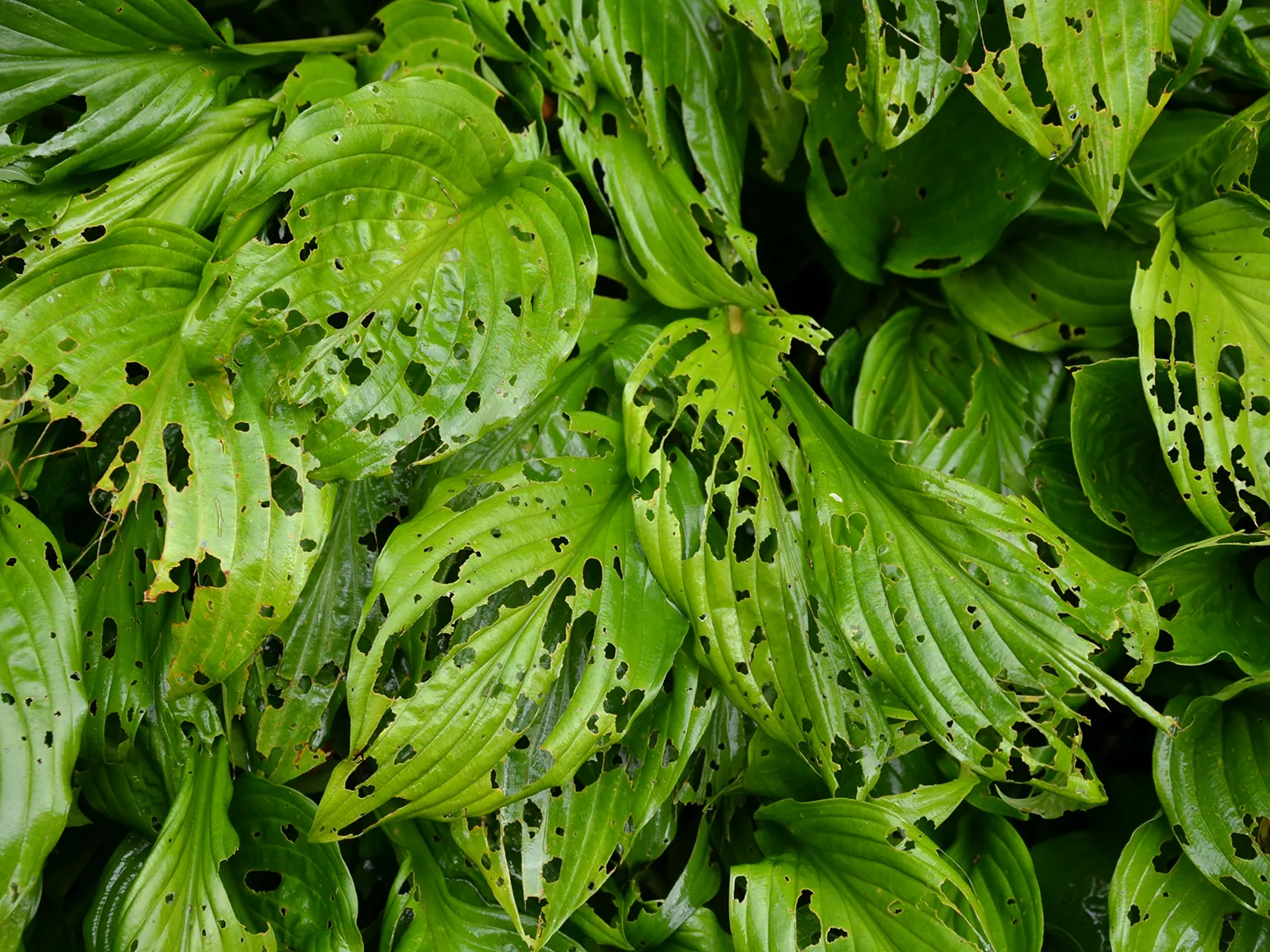
“June is usually pretty hot, humid, and rainy, which means quite a few fungal diseases, cankers, and pests are really prevalent,” she says. That makes June one of the most important months to regularly inspect plants for signs of trouble. “I usually advocate for regular scouting on your plants: checking new installations, fruit, and leaves for discoloration, holes where insects may have been chewing, or stippling, like tiny little dots that may indicate insect pressure. An ounce of prevention is worth a pound of cure, so scouting ahead of time is one of the best things you can do.”
Get a weekly dose of home and style inspiration
Subscribe to the St. Louis Design+Home newsletter to explore the latest stories from the local interior design, fashion, and retail scene.
The more familiar homeowners become with their landscapes, the easier it is to identify when something looks off. “Getting familiar with your landscape is really important,” adds Smith. “Just being out in your garden and checking on your plants regularly helps you catch a lot of these things early.”
Due to the common fungal problems often caused by wet conditions, airflow is key. “Making sure plants are appropriately spaced helps because a lot of fungal diseases are spread through water, wind, and tight spaces.” Removing damaged foliage can also help reduce the spread of disease: “Remove those leaves before they hit the ground and inoculate the soil.”
2. Mulch and Water for Summer Heat
As temperatures rise, maintaining soil moisture becomes increasingly important. “Putting down an organic mulch like compost, pine bark, straw, or leaf mulch helps retain moisture in the soil,” Smith says. Mulch also helps during dry spells. “When it’s really hot and we haven’t gotten rainfall for a while, mulch helps hold onto moisture longer before it evaporates.”
Mulching can also reduce weed competition. “Weeds tend to rob nutrients and water from surrounding plants, so mulch does a great job of keeping those resources in the ground.”
June is often rainy in St. Louis, but prolonged dry stretches can still stress plants. “June tends to be a pretty wet month for us, but during extended dry periods make sure to water, especially new plants and evergreen trees,” Smith says. One of the easiest ways to tell if plants need water is by checking the soil itself. “If it’s dry and crumbly, that’s an indicator that you need to water.”
Smith says “low and slow is the best way to water.” She also recommends “using soaker hoses or a slower trickle” to allow for deeper watering. “Deep watering is healthier than just dumping a five-gallon bucket all at once.”
“When you water lawns, you want to do it deeply and infrequently,” Smith continues. “Watering for a slightly longer period, two to three days a week, is healthier than watering lightly four to five days a week.”
3. Weed Consistently
June weeds grow quickly, and staying ahead of them now can prevent larger problems later in the season. “I try to weed at least once a week intentionally, but anytime I’m out there and see one, I just pull it,” Smith adds.
The most important thing is preventing weeds from spreading seed. “Once they drop seed, that just creates more problems for later this season and next year.”
Supplies to keep on hand? “A hori hori knife is one of the best tools for removing weeds because it penetrates the soil really easily,” Smith says.
4. Adjust Lawn Care for Summer Growth
June marks an important transition period for fertilizing. “By June, you want to stop fertilizing cool-season grasses because they’re going to go dormant,” explains Smith. “Warm-season grasses are actively growing in June, which means you can start fertilizing those.”
It’s also important to keep in mind timelines for fertilizing other plants. “You should stop fertilizing most trees and shrubs by the end of June,” Smith adds. “When temperatures rise and we add fertilizer, it can cause new growth that’s more readily damaged by hot temperatures. Vegetable gardens may still need fertilizer, but most other things should be done by then.”
The seasonal shift also affects how different grasses should be mowed. “Cool-season grasses like Kentucky bluegrass and fescue can be mowed higher, about three to four inches,” she says. “Zoysia can be mowed down to about one to two inches.”
She continued, “I wouldn’t mow more than about a third of the grass height at a time.”
5. Take Care of Fruit Plants
Fruit trees naturally begin shedding excess fruit this month in a process called the “June drop,” explains Smith. “If a plant has too much fruit, it can’t support all of it, so it intentionally drops some.”
Once that happens, homeowners can begin thinning fruit for better harvests. “You want to thin fruits on apples, pears, peaches, and nectarines to about a hand width apart,” Smith says. “That helps produce bigger, tastier fruits rather than a bunch of smaller fruits.”
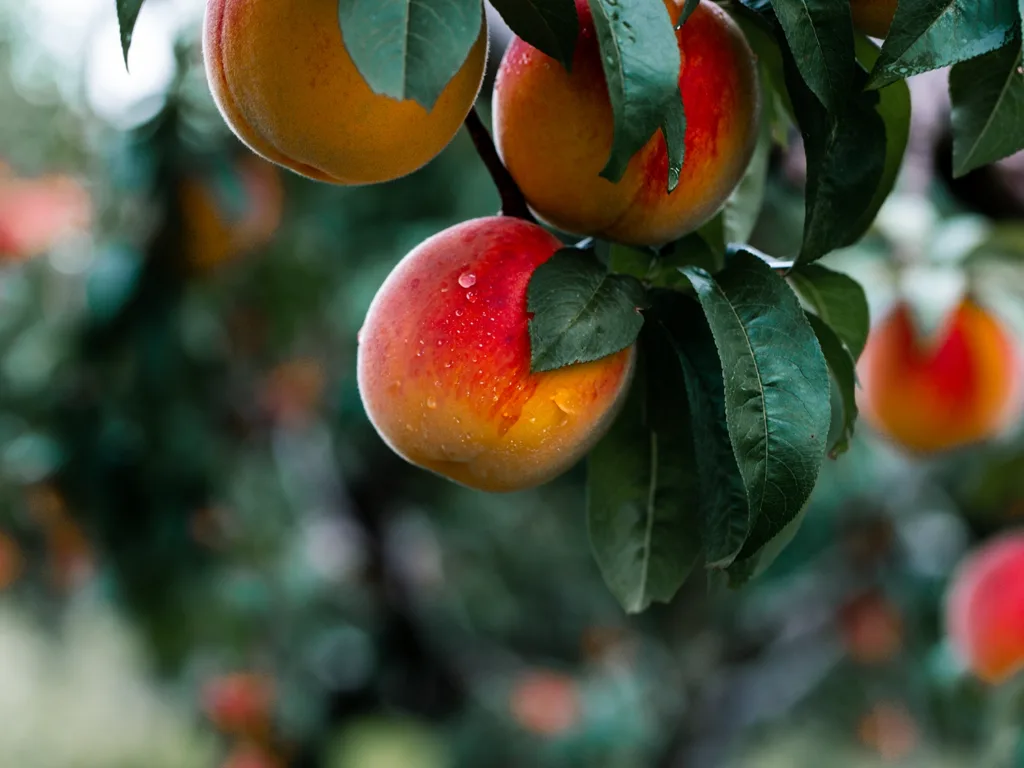
For the best results, timing matters. “Wait until the June drop has occurred, then thin your fruits for the best production.”
June is also the time to renovate strawberry patches. “Around June, strawberries will probably start slowing production, and you can start renovating them,” Smith says. “That means thinning them out, keeping them weeded, and mulching the area around them.” Strawberry plants spread aggressively, so annual thinning helps maintain productivity. “They spread really rapidly, so thinning them every year is important for their health and productivity.”
A tip for those with stone fruit trees? “You should spray for peach tree borers if you haven’t yet,” Smith says. “Not doing it can kill your peach trees or stone fruit trees, in general, like nectarines and plums.”
6. Plant Warm-Season Crops and Harvest Early Produce
June is still an excellent time to plant warm-season vegetables. “Even into June, you can still plant basil, beans, edamame, sweet potatoes, tomatoes, peppers, melons, and summer squash,” says Smith. “Some people think if they didn’t plant in May, it’s too late, but they can still absolutely get things in the ground and get a harvest.”
Most warm-season vegetables are still establishing themselves this month. “Most warm-season vegetables probably won’t be producing heavily yet in June,” Smith says. However, several crops are ready to harvest. “Strawberries, blackberries, blueberries, peas, and beans are probably going to be ready to harvest around then,” she says. Meanwhile, cool-weather crops are beginning to decline. “Cool-season crops like lettuce, broccoli, and cabbage are probably mostly done by then because they don’t handle heat as well.”
7. Prepare for Heat Stress – For Plants and Yourself
Extreme heat can slow flowering and reduce harvests later in the month. “If temperatures get really high, like 85 to 90 degrees and above, a lot of flowering plants will stop flowering or their pollen production will be affected,” Smith notes. “People may notice their vegetable plants start to get stressed and slow down production toward the end of the month.”
Gardeners should also take precautions for themselves while working outdoors. “Just generally take care of yourself out there,” Smith says. “Wear sunscreen and stay hydrated.”