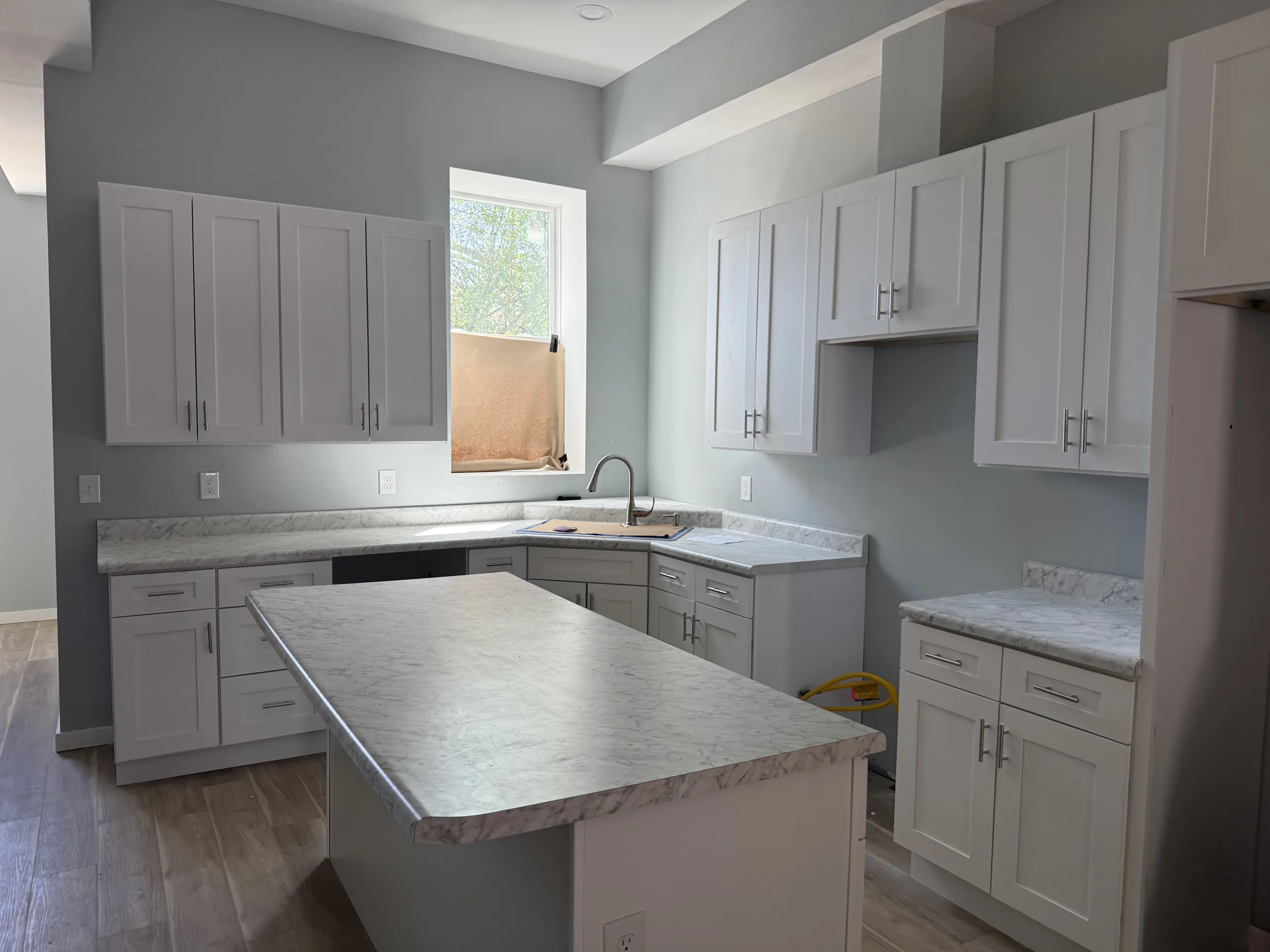
It starts with a question most people never ask: Where do building materials go when a project is completed before they are used? The answer usually unfolds out of sight, long before anyone considers what those unused pieces could become.
In St. Louis, Habitat for Humanity Saint Louis has a different answer. Cabinets, countertops, and supplies move from storage to homes that are still coming together. What once waited for a purpose now becomes part of everyday life, where families cook, gather, and begin a new chapter built to last.
The kind of donation that builds more than you think
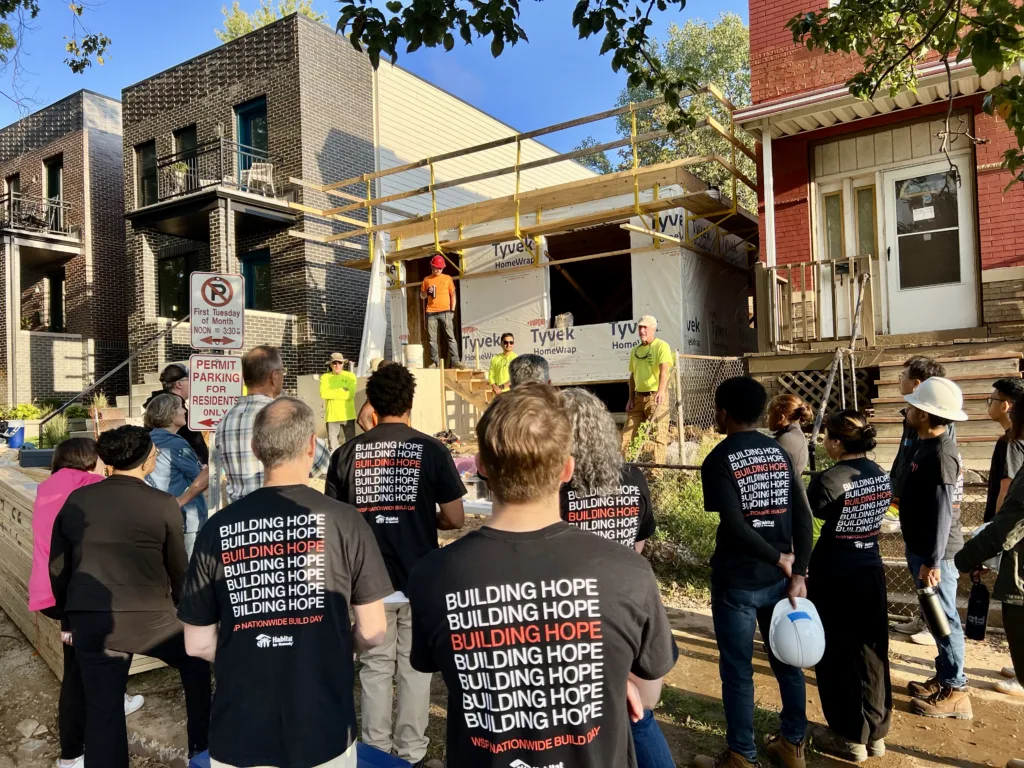
At Habitat for Humanity Saint Louis, the work begins well before any foundation is poured. Partnerships take shape early, materials are set aside, and time is invested before construction even starts. Each piece plays a role in making homeownership possible for working families.
Harper Zielonko, director of resource development, focuses on connecting those efforts. She works across partnerships, volunteer engagement, and funding to make sure every contribution supports the mission.
In-kind donations play a critical role in that process. Materials, services, and labor step in where traditional funding alone cannot carry the full weight. Each contribution reduces direct costs and allows more resources to stay focused on building.
“Every day that we do not have to pay outright for something is something we can bring back into home construction,” Zielonko says.
Turning surplus into shelter
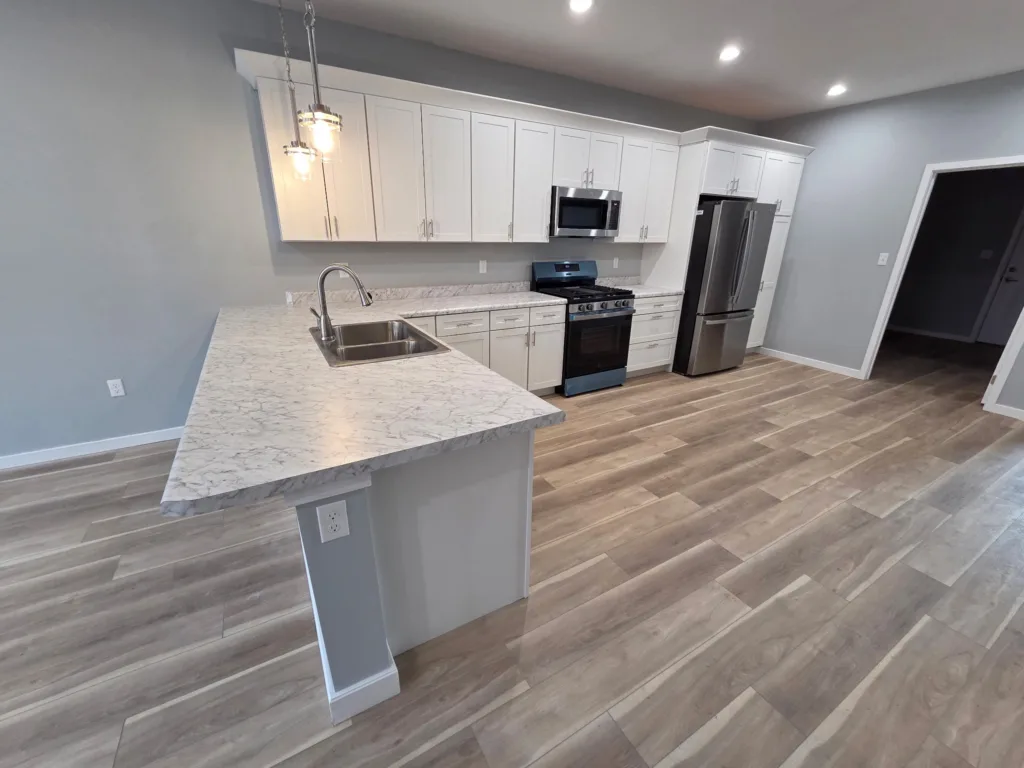
A recent partnership with C&G Wholesale, for instance, shows how large that impact can become. During a warehouse transition, the company had a logistical puzzle to solve of excess inventory of cabinets and countertops. Instead of discarding them, they chose to donate them. Materials now move through homes and Habitat ReStores across the region. Pieces once set aside begin to show up in kitchens, workspaces, and everyday routines.
“C&G Wholesale is proud to support Habitat for Humanity because we believe strong communities are built on the foundation of safe and affordable housing,” a company representative says. “Donating cabinets and materials for homes is our way of contributing to promote homeownership and help foster long term economic growth across the region.”
Zielonko describes the donation as being valued at more than $1 million in cabinets and countertops. Truckloads continue to move through the system, with each adding to homes and extending into the community through ReStores. Cabinets are now available for purchase to the public at the St Louis area ReStores located at 2117 Sams Drive, Des Peres, MO 63131.
The hands behind every home
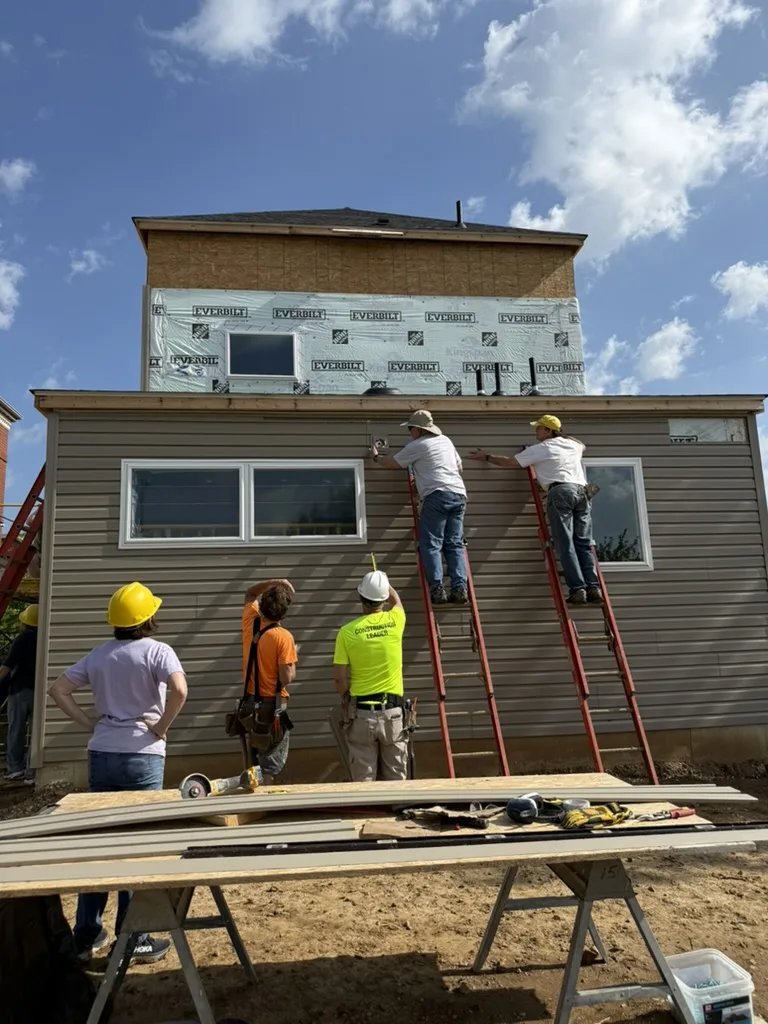
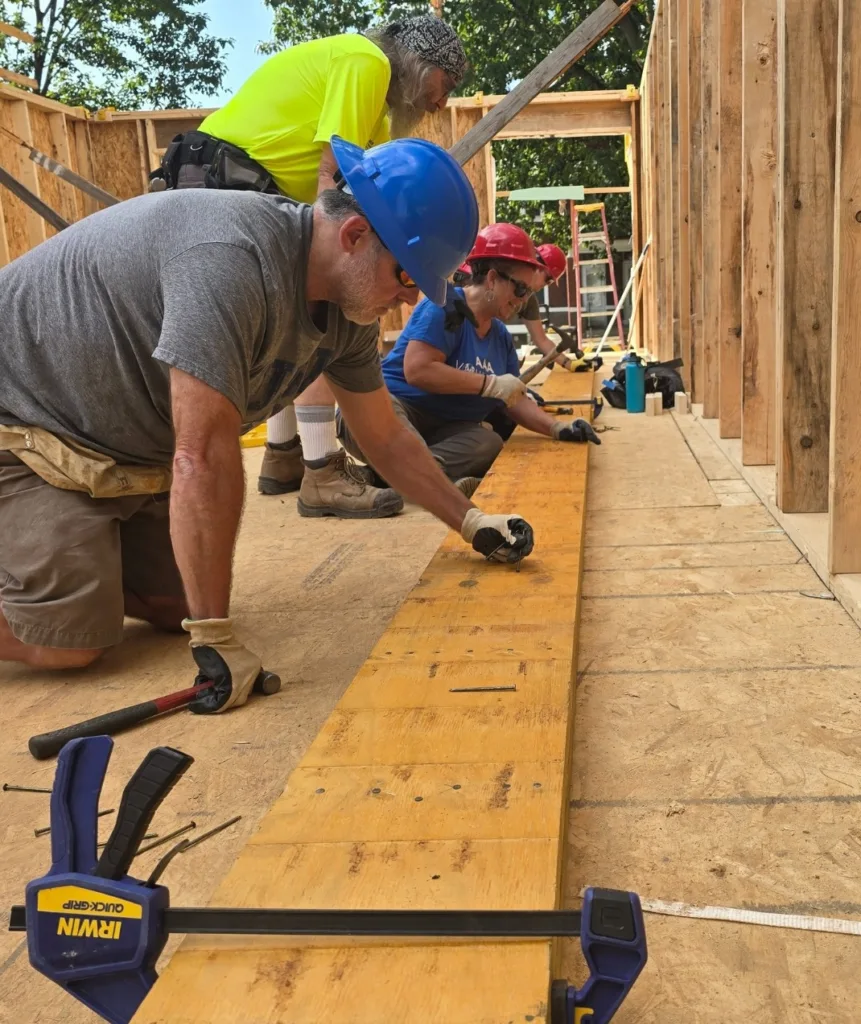
Materials alone cannot build a home. Skilled labor helps drive each build forward with care and experience. Longstanding partners such as IBEW Electrical Connection provide technical skill and dependable support across every build, with the coordination and reliability needed to keep projects moving from one phase to the next.
Habitat for Humanity Saint Louis continues to see growing demand for both skilled volunteer labor and construction materials. Concrete work, painting, and trade experience remain among the organization’s largest labor needs, while materials such as lumber, windows, doors, flooring, lighting fixtures, plumbing fixtures, water heaters, scaffolding, and power tools continue supporting builds across the region.
“If we don’t have those partnerships, construction stops and we wait, and those are costs we have to absorb,” Zielonko says.
What if every material had another chapter?
Sustainability is present throughout the process. Habitat ReStores collect and resell donated goods, keeping materials in use and extending their value. Each year, more than 1,100 tons of materials are kept out of landfills through Habitat ReStores.
A kitchen tear out can fill a dumpster in hours. Instead, those same materials find their way into new spaces where they are used again. Cabinets, fixtures, and supplies move from surplus into homes and community spaces, helping fund additional construction along the way.
“We see it every day. Materials that could be thrown away still have real value when they are put back into homes,” Zielonko says.
How far can one donation go?
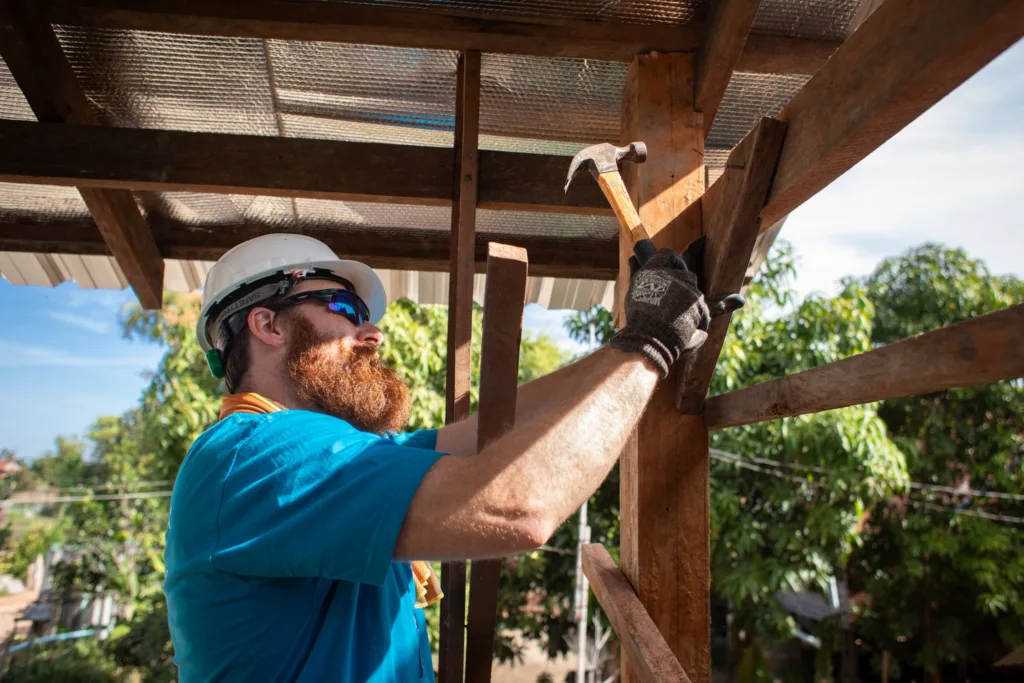
Every home built carries a financial gap between cost and affordability. Donations help close that gap, with volunteer hours playing a crucial role. Time on site, hands-on work, and skilled support all reduce costs in real ways.
Savings return directly into the build. Homes can include stronger materials, long-term durability improvements, and energy-ready features that support families over time.
Families gain more than a place to live. Children have a consistent place to sleep, a quiet space for homework, and routines that support learning and well being. Parents carry less daily pressure and can begin planning ahead.
“You can see it come together piece by piece,” Zielonko says. “A donated cabinet, a volunteer’s time, a skilled trade stepping in when it matters. Then, one day, a family walks through the door and everything changes.”
Where the story really begins
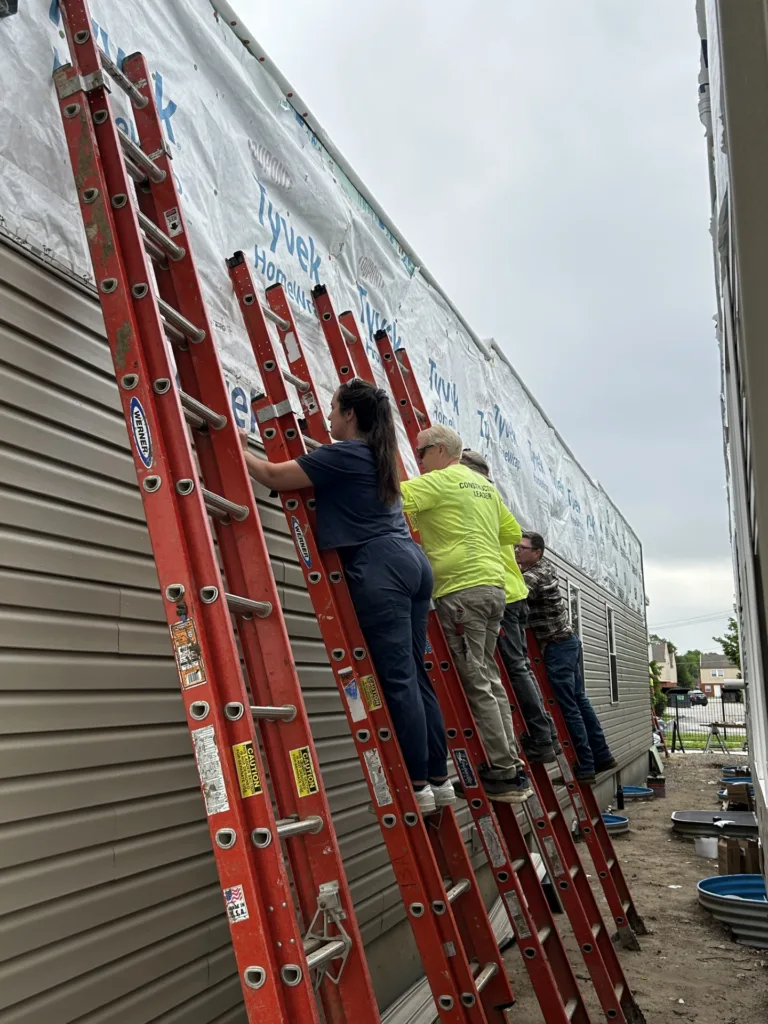
The story rarely ends where people expect. A warehouse clears out, a donation is made, a job site moves forward. Then, a door opens, and a family steps inside a place they can call their own.
Everything continues in the days that follow. A child returns to the same table each night. A parent locks the door knowing it will still be theirs tomorrow.
“A donation doesn’t stop at the job site,” Zielonko says. “It becomes part of everyday life, and the impact stays with families long after the work is done.”
And it all starts with a simple decision to provide what already exists with a second life.
This post was created by SLM Partner Studio on behalf of Habitat for Humanity St. Louis. For more information, visit habitatstl.org or reach out to Zielonko at [email protected] or 314-371-0400 ext. 629.