This story was commissioned by the River City Journalism Fund
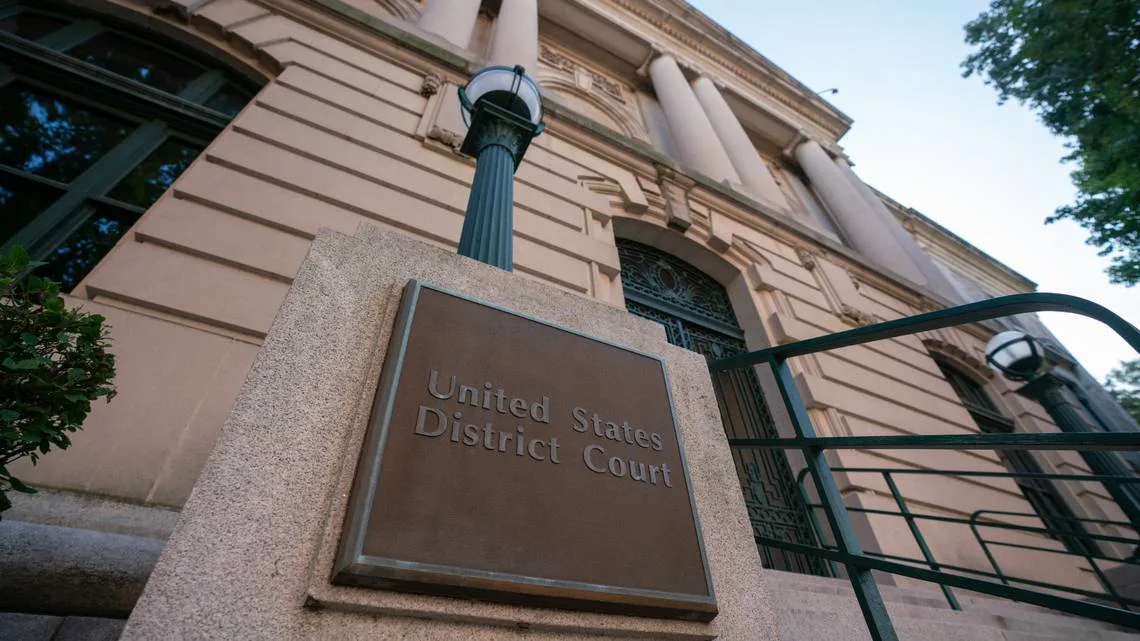
The gears of justice are grinding slowly these days in the East St. Louis courthouse where the fates are being decided of the nearly 6,500 lawsuits filed against Syngenta Corporation. The vast majority of the lawsuits have been filed by farmers and agricultural workers.
Get a fresh take on the day’s top news
Subscribe to the St. Louis Daily newsletter for a smart, succinct guide to local news from award-winning journalists Sarah Fenske and Ryan Krull.
The lawsuits allege that Syngenta, based in Basel, Switzerland, had failed to warn American consumers of the dangers inherent in its blockbuster weedkiller Gramoxone, whose key ingredient is the highly toxic herbicide paraquat.
Scores of scientific studies worldwide have shown a strong link between exposure to paraquat and the development of Parkinson’s disease, the world’s fastest growing brain disease. In court papers, Syngenta lawyers have steadfastly denied a causal link (see “Failure to warn: How East St. Louis became a key battleground in the fight over paraquat”).
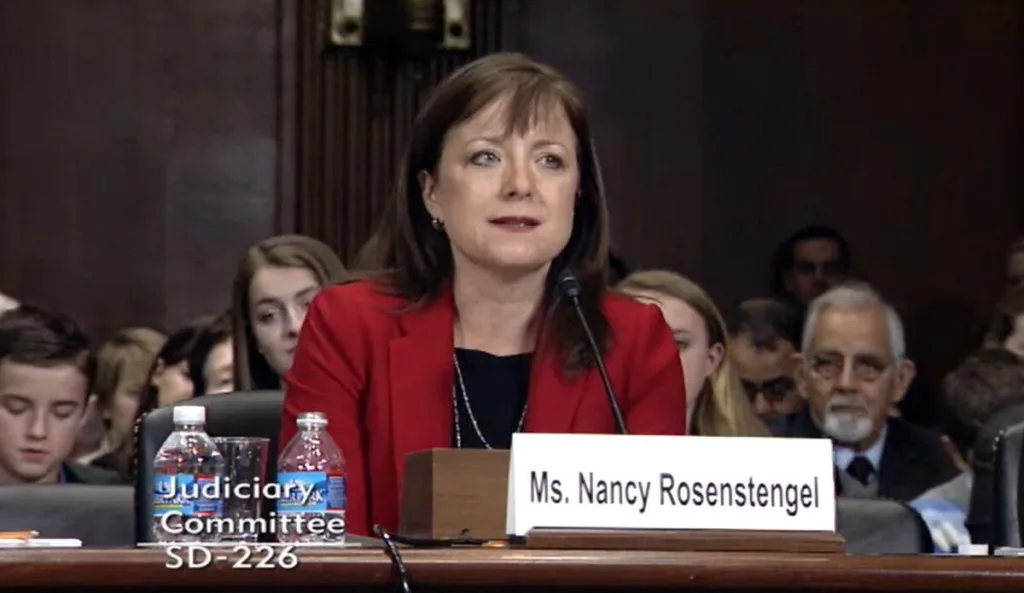
U.S. District Judge Nancy Rosenstengel is overseeing the Multidistrict Litigation, or MDL, that consolidated the lawsuits in East St. Louis in June 2021. She has delayed bellwether trials—which are chosen to go to trial first to test evidence and gauge jury reactions— while both sides work on a settlement agreement.
Meanwhile, some plaintiff’s attorneys across the country have been quietly complaining about the sweeping proposed settlement that Syngenta has been drafting as part of a deal to end the litigation.
In its latest financial statement, posted on its website, Syngenta noted that last August it had reached a master settlement agreement with MDL plaintiffs’ co-lead counsel “that would be made available to a number of lawsuits pending” in the federal multidistrict litigation in East St. Louis and California state court.
“Qualifying plaintiffs who agree to participate in the settlement will be required to dismiss their cases and provide a broad release of their claims,” according to the statement. “The settlement payment will depend on the number of participating plaintiffs. Syngenta believes that all of these claims are without merit. The settlement is not an admission of liability but was entered into solely for the purpose of bringing to an end these claims.”
Some plaintiff attorneys have complained the Syngenta deal would pay their clients too little money and would force them to face too high a bar in proving that paraquat had caused their Parkinson’s disease.
Meanwhile, legal experts have estimated that paraquat settlements could average $100,000 to $150,000, based on settlement amounts that Bayer, the German chemical giant, has paid to resolve at least 100,000 Roundup weedkiller lawsuits.
So far Bayer, the owner of Monsanto, has paid out nearly $11 billion in claims, with some reports indicating another 60,000 cases are still unresolved.
Concerns about the tentative Syngenta settlement terms were put on display back in October, when Judge Rosenstengel threatened sanctions against plaintiffs’ attorney Aimee Wagstaff. Rosenstengel accused Wagstaff of trying to “subvert” the settlement plan being hammered out.
Wagstaff had planned to hold a video meeting in November with other lawyers representing people with Parkinson’s symptoms who are suing Syngenta. Wagstaff’s aim was to discuss the potential settlement terms, which have not been publicly disclosed, and to air out other attorney concerns and complaints.
The move angered Rosenstengel, who demanded that Wagstaff appear in person in her courtroom to explain her actions during the Oct. 14 hearing.
Wagstaff, the founding partner of a law firm based in Denver, appeared with her own attorney during the morning hearing, seemingly prepared for the worst.
Moving with the help of crutches, her right foot encased in a plastic boot, Wagstaff leaned over to a lawyer seated in the courtroom’s front pew and said to him in a low voice, “It’s a shitty settlement. Spread that far and wide in case I get gagged.”
During the hearing, Judge Rosenstengel said Wagstaff appeared to be trying to “subvert” the settlement process and said “a lot of work went into this settlement and I want to see it move forward without people trying to attack it.”
Wagstaff replied that the settlement appears to place undue burdens on plaintiffs, including proving a level of Parkinson’s diagnosis that would leave out many people, and strict requirements for providing proof of paraquat exposure.
Wagstaff told the judge there “is a lot of concern in the plaintiffs’ bar, a lot, about the fact that this proposed settlement only relates to, to a fraction of the injuries that are in the MDL and that are in other—in people’s clients. There is grave concern over this.” (Wagstaff declined further comment after the hearing.)
Khaldoun Baghdadi, an attorney who sits on the plaintiffs’ leadership committee working out the deal with Syngenta, said that his team held its own webinar in September, that more than 200 plaintiff lawyers took part, and that the webinar dealt with “every question” about the proposed Syngenta settlement.
“We are committed and dedicated to obtaining fair and reasonable compensation for those who wish to obtain it,” Baghdadi said via video linkup during the hearing.
In the last week of January, just before the start of a trial scheduled for state court in Philadelphia, Syngenta obtained an out-of-court settlement with a retired landscaper who had alleged in a lawsuit that paraquat had caused his Parkinson’s symptoms. Terms of the settlement were not disclosed.
So far Syngenta has reached settlements for every case set for trial before the trial could begin.
The company disclosed in 2021 that in June of that year it had agreed to pay $187.5 million to resolve an undisclosed number of cases “solely for the purpose of bringing an end to these claims,” according to Bloomberg.
This story was commissioned by the River City Journalism Fund, which seeks to advance local journalism in St. Louis. See rcjf.org for more information.