Picture your ideal day at the Saint Louis Zoo. Your favorite animal to visit might be Kali the polar bear or the penguins and puffins. No matter what, though, you’re probably one in a gaggle of humans looking in on a few zoo residents. Now imagine the situation reversed. Picture being on safari, your Jeep crossing the savanna, and suddenly you’re the one surrounded, maybe by a great number of giraffes. Now imagine that experience in North County. That’s the type of adventure the Saint Louis Zoo is hoping to create on its 425-acre North Campus. And soon the public will have a chance to weigh in on future attractions. The zoo is hosting two public input sessions, on January 18 from 1 to 5 p.m. at the North Campus (12385 Larimore) and on January 23 from 4 to 8 p.m. at the Living World building at the Saint Louis Zoo in Forest Park.
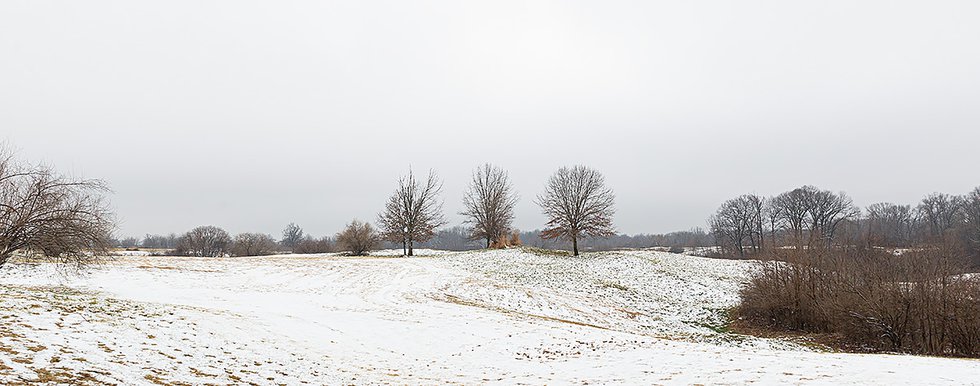
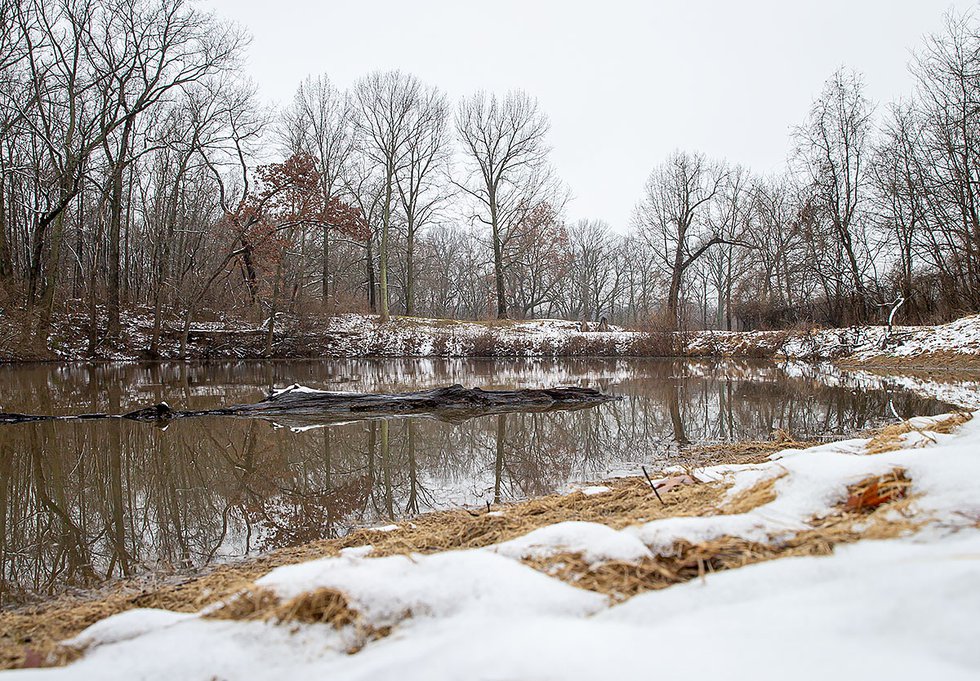
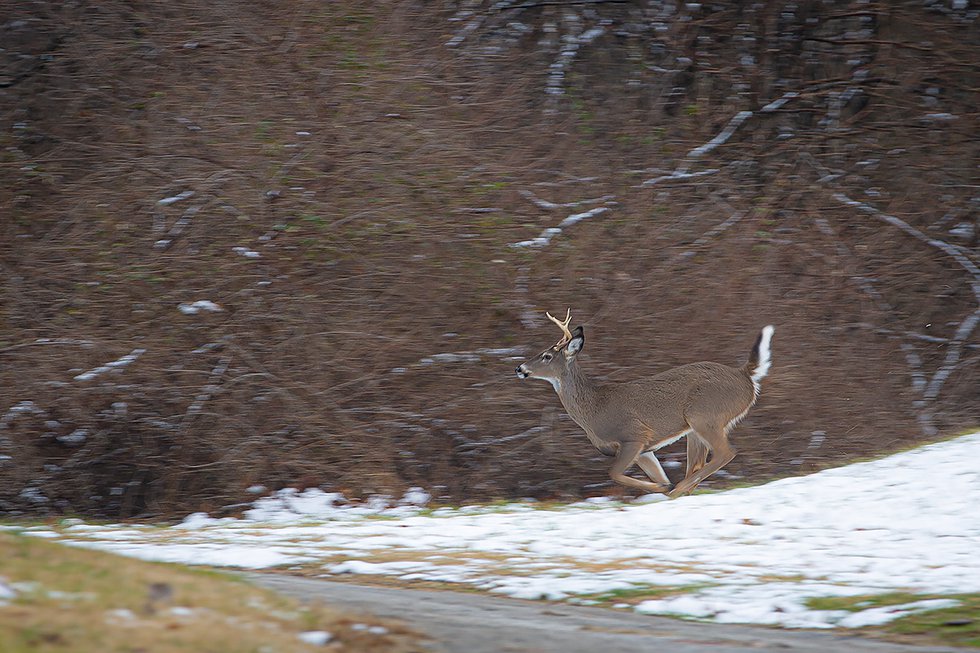
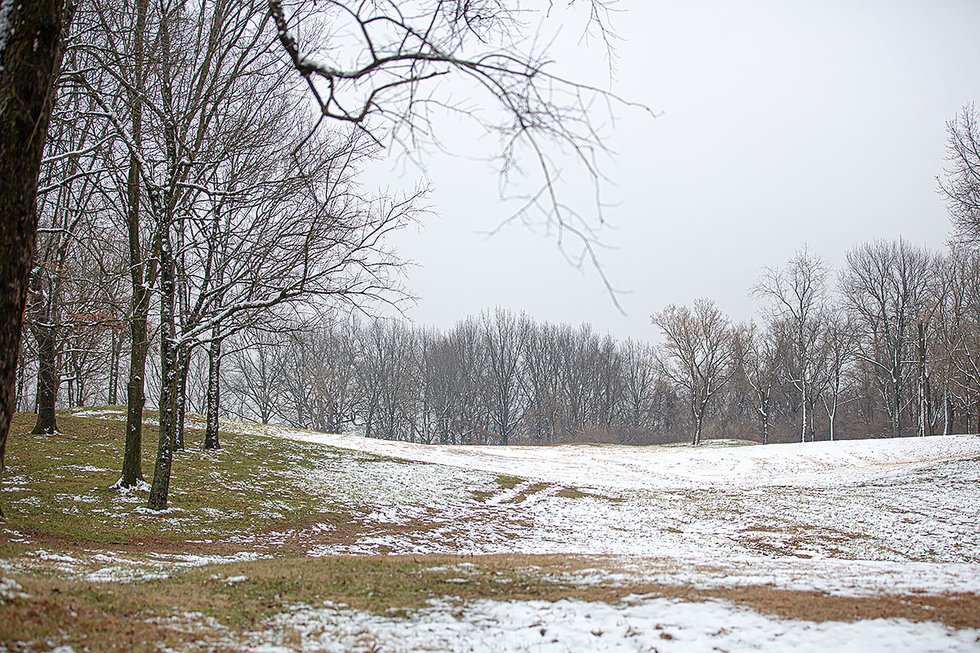
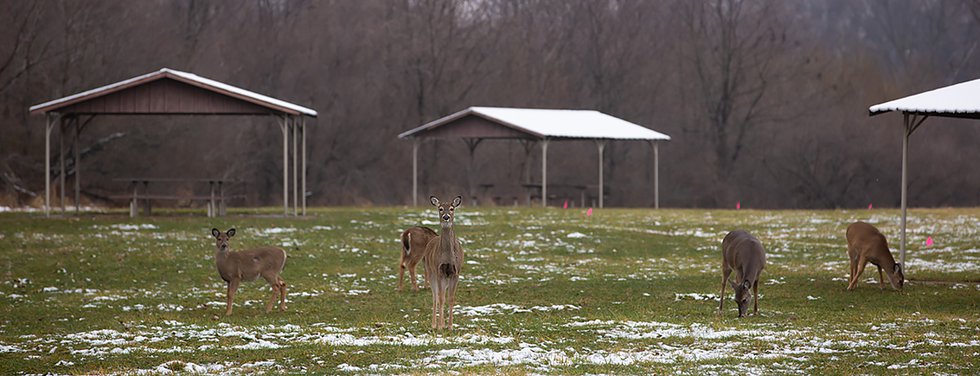
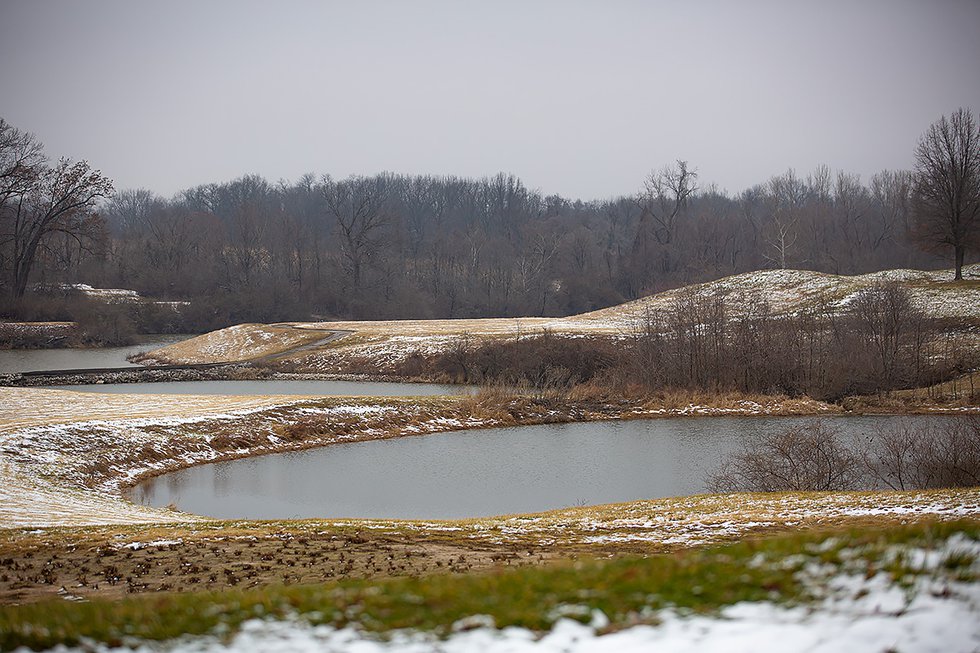
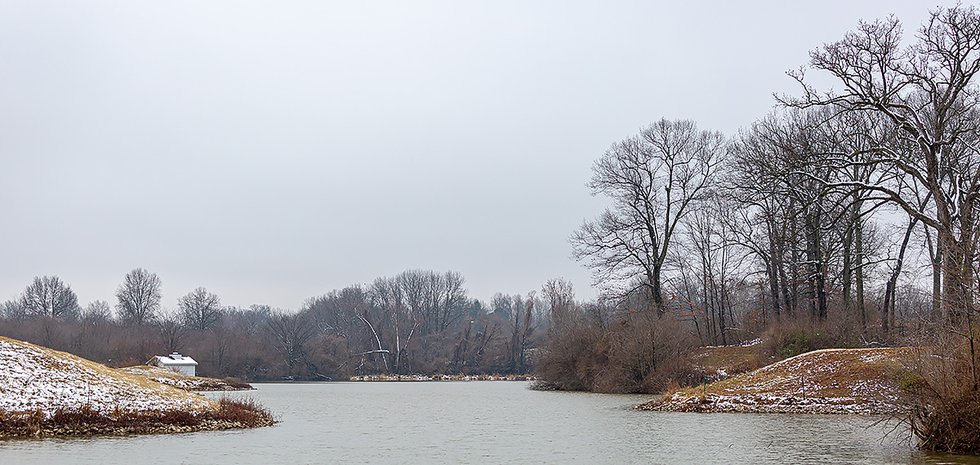
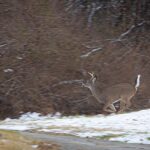
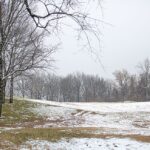
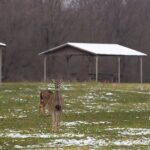
Photos of the North Campus before construction:
Get a fresh take on the day’s top news
Subscribe to the St. Louis Daily newsletter for a smart, succinct guide to local news from award-winning journalists Sarah Fenske and Ryan Krull.
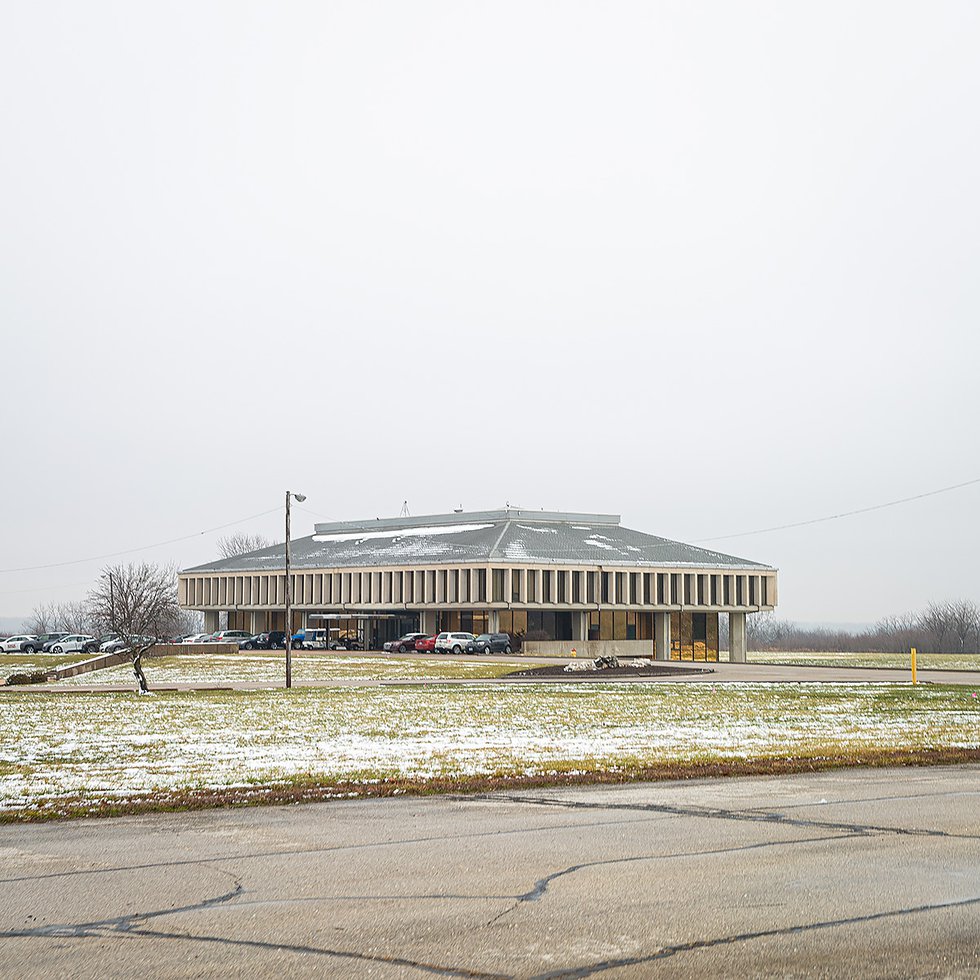
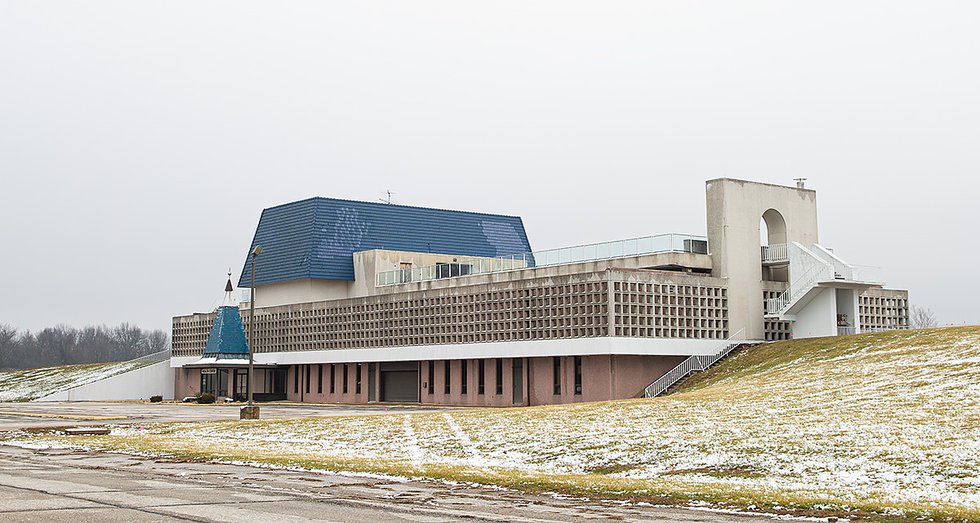

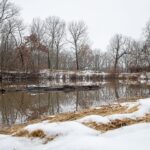
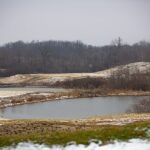
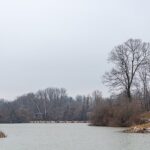
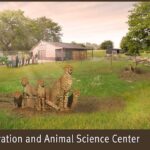
A brief history of the project: The Saint Louis Zoo Association used privately donated money to purchase the land for its North Campus, in Spanish Lake, in September 2018. The United Association of Plumbers & Pipefitters Local 562 had previously owned the property, which is right next to both Columbia Bottom Conservation Area and Spanish Lake County Park, and near the Missouri River and Mississippi River confluence. In November 2018, voters passed Proposition Z to help fund repairs to the zoo in Forest Park and to operate the North Campus, which will have both a safari-type experience (the first located within a major city) and a Conservation & Animal Science Center that will help the zoo manage endangered animal populations. St. Louis County residents will get in for free; unlike the Forest Park zoo, all other visitors will have to pay admission. A construction date hasn’t been set, but the North Campus hopes to open within five years.
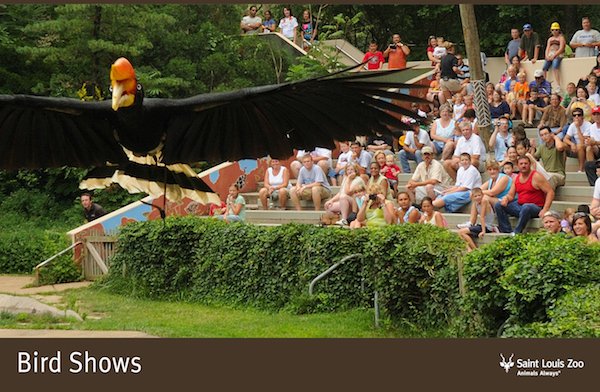
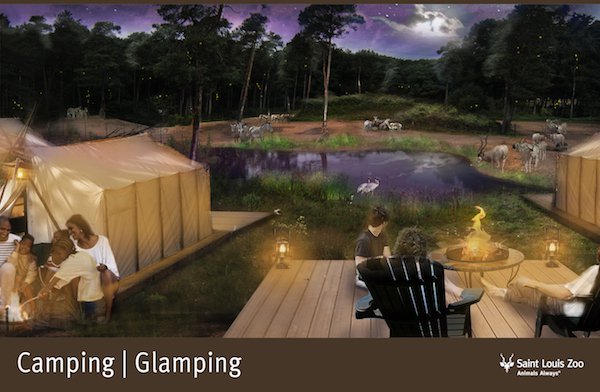
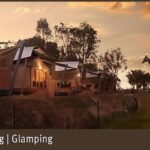
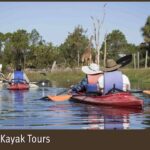
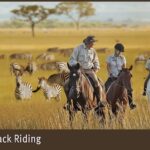
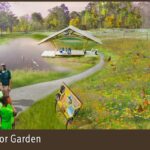
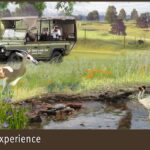
So what else will the zoo’s North Campus offer? That’s where the public input meetings come in, but the zoo has a few ideas, including on-site camping and glamping, guided kayak tours and a water ride, a zip line, horseback riding, a canopy tour, and a playground.
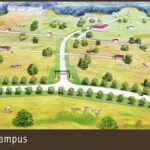
Renderings of ideas for the North Campus:
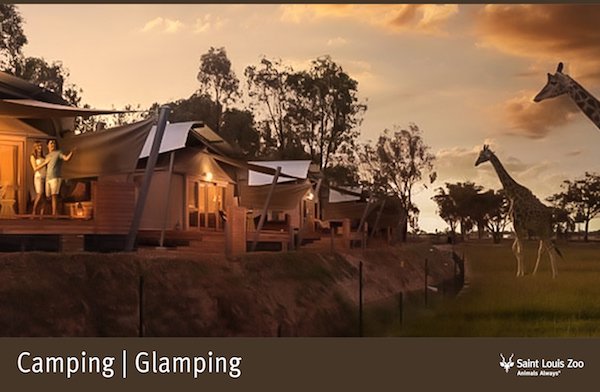
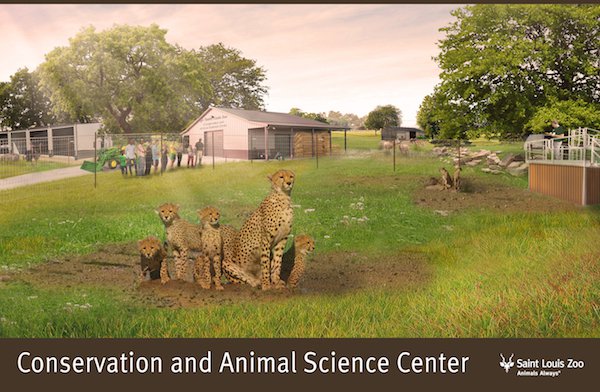
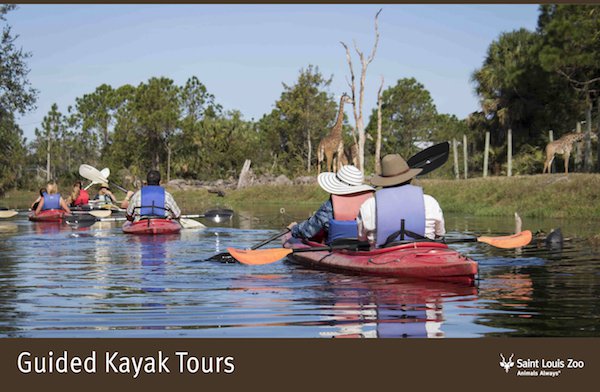
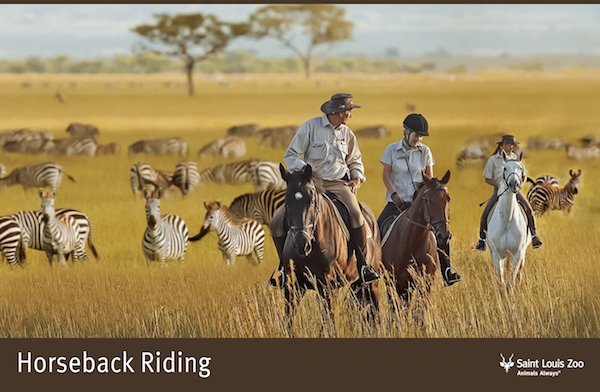
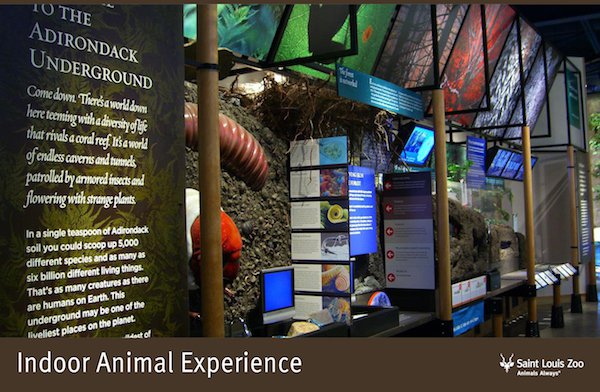
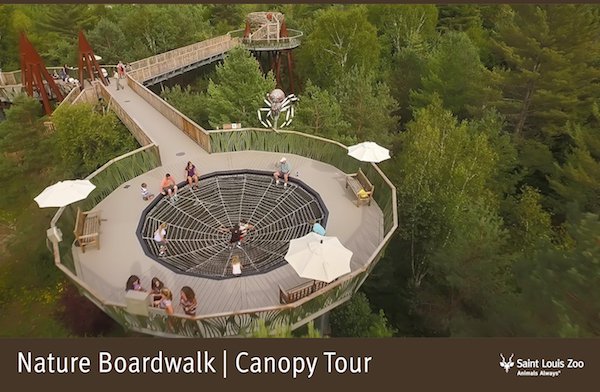
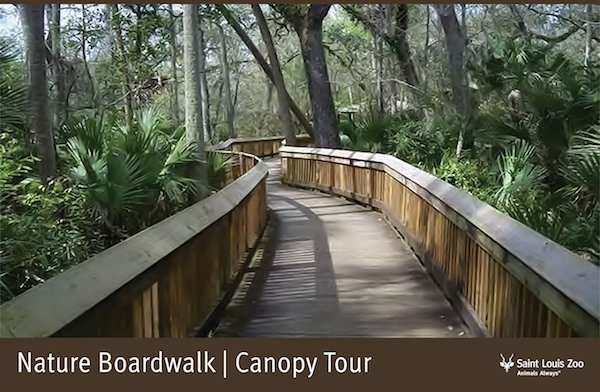
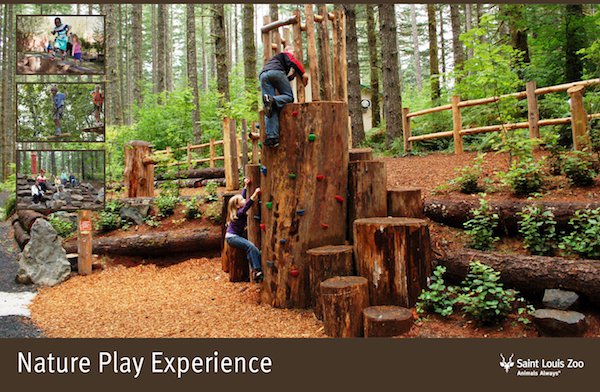
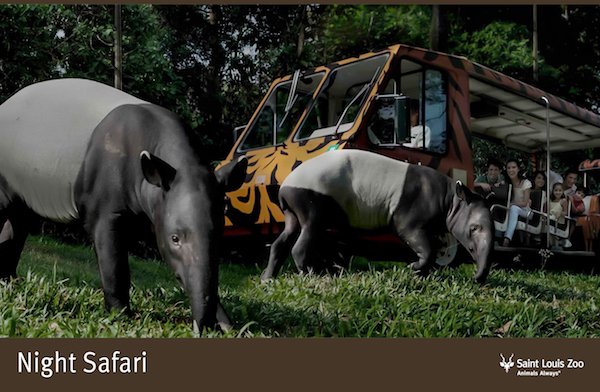
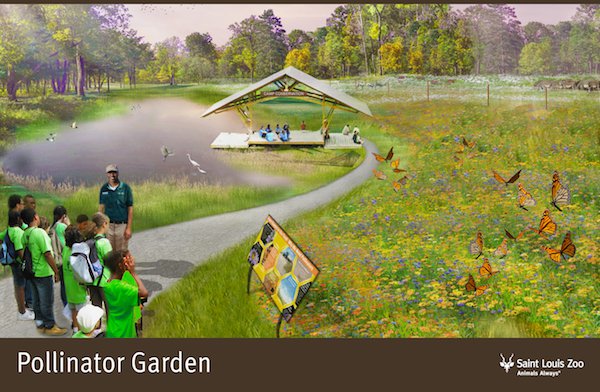
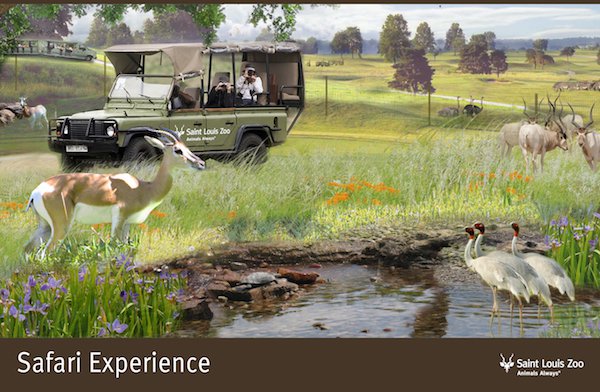
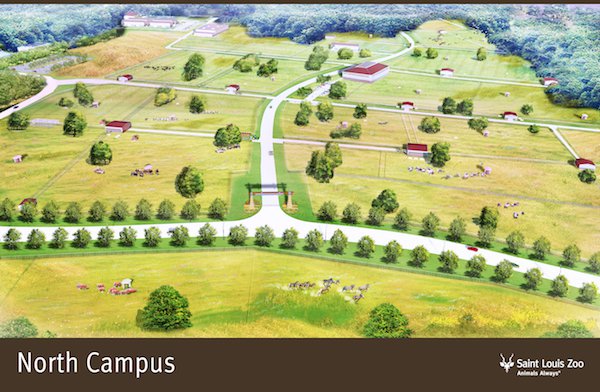
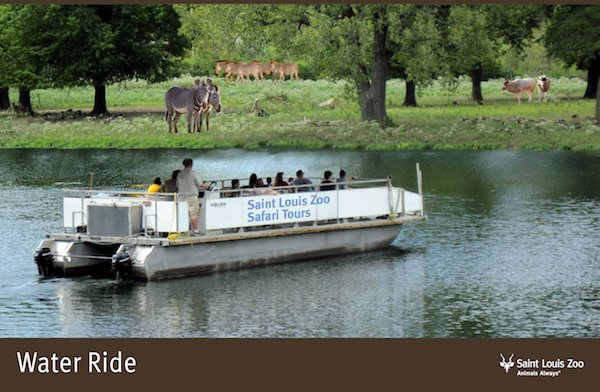
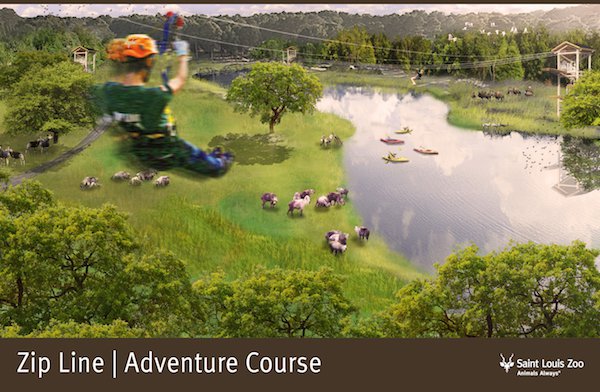
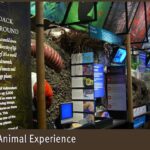
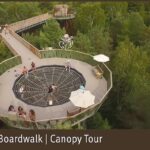
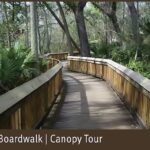
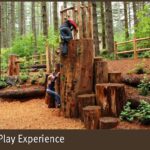
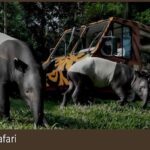
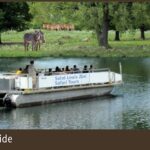
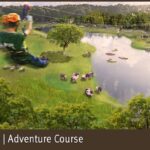
As far as animals you can expect to find at the North Campus, there are three main groups: hoofstock (members of the horse family), birds, and amphibians. “You would think amphibians wouldn’t take up that much space, but every single nook and cranny in the herpetarium [at the Saint Louis Zoo] is filled now,” says Dr. Jeffrey P. Bonner, president and CEO of the Saint Louis Zoo. The zoo also has to look at populations of endangered species—what animals can they be working with to make a difference? Then it becomes a balancing act with the public, says Bonner. “If you’re going to have a safari experience—if you’ve ever seen a giraffe in the wild, that sort of prehistoric movement that they have, when you see a group of them moving across the horizon out toward you, it’s just an amazing thing,” he says. “You would say, ‘Well, but giraffes aren’t in that much trouble.’ But on the other hand, there’s subspecies of giraffe [that are]. So how do you balance that?”
Something else that’s unique about the North Campus is that there’s already wildlife that calls the property home. A large swath of the property is a golf course, and there are 13 different water features—a large lake plus smaller ponds—throughout. On a tour of a portion of the land, deer run across the snowy landscape. Jo-Elle Mogerman, Ph.D., is the North Campus’ new director. She says that before construction begins, the zoo is doing a biological survey to understand who lives here and how they use the land. “As we move through our planning process and determine what species we’ll have as a part of the experiences here, both on the safari component as well as the conservation science and animal breeding side, then we’ll begin to look at the interface between the native wildlife and the wildlife that we will bring in, and determine what our best options are to make sure that both of them can flourish,” she says.
The future North Campus will also take a different approach to breeding than a traditional zoo, where animals are bred on an animal-by-animal basis. In North County, they’ll breed as a herd. “You want them in that natural context,” says Bonner. “They’re going to fare better if they have an opportunity to go back to their wild home if they’re reared in that kind of context. … That means you’re not going to manage them as intensively.”
Asked about the differences between the two zoo locations, Bonner pointed to the impact the North Campus could potentially have on visitors. “I guess you could say that there’s nature at the zoo, but it’s not like this,” he says. “This is a wild place, and that’s going to have a different impact on people. You can’t go walking in the woods at the zoo. You can here. We can get you up in the treetops. We can put you in a place that you otherwise would never go, and also a safe place.”
To RSVP for the January 18 or 23 feedback sessions, click here.