Data centers may be a bipartisan target of antipathy, but you’d never know it to listen to the three leading candidates for St. Louis County executive. The three agreed that large data centers, like those needed to run AI models, should be able to be built in the county. A number of smaller data centers already exist in the area, including a Verizon data center in Maryland Heights, a fact that many of the candidates mentioned.
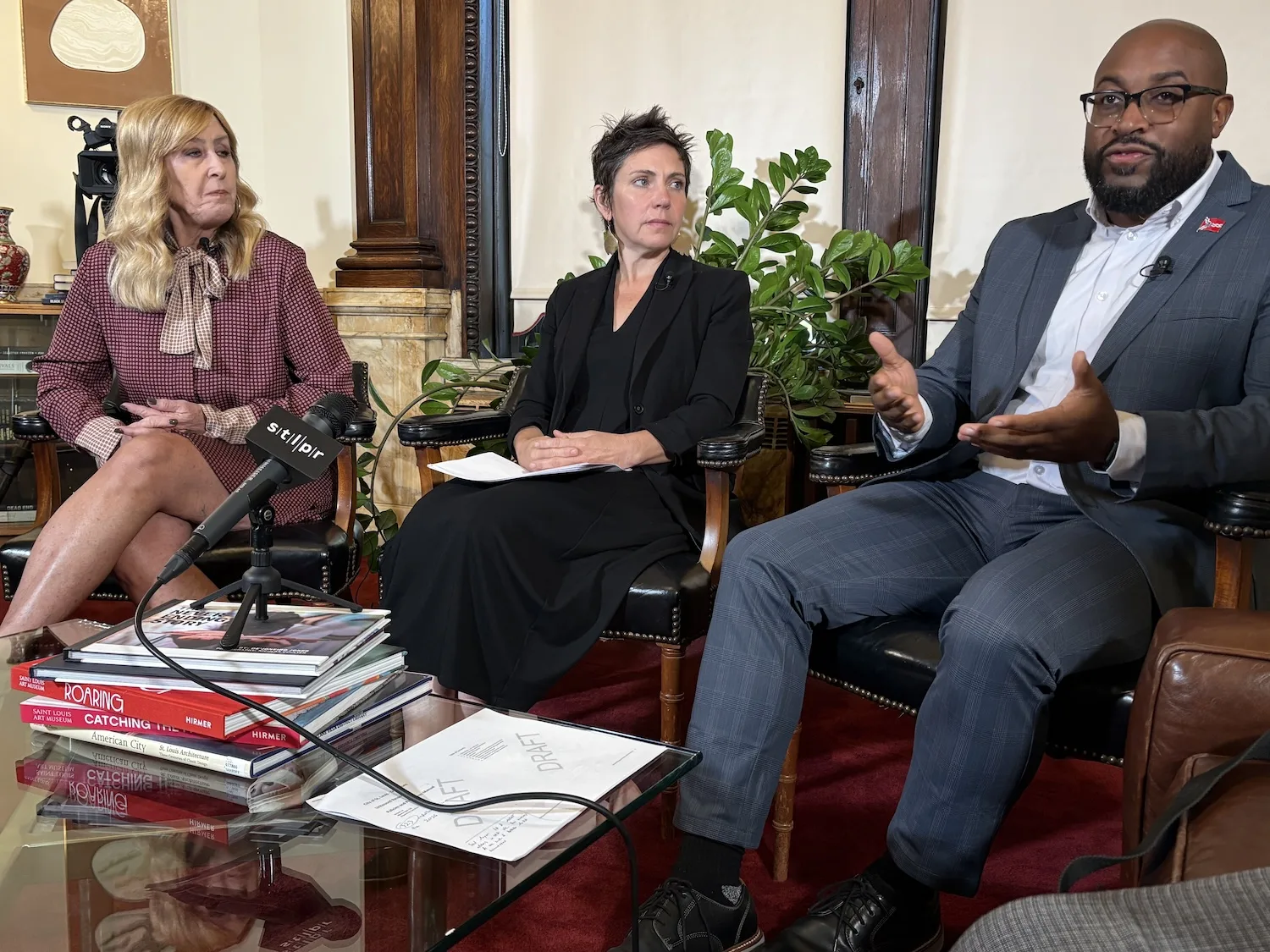
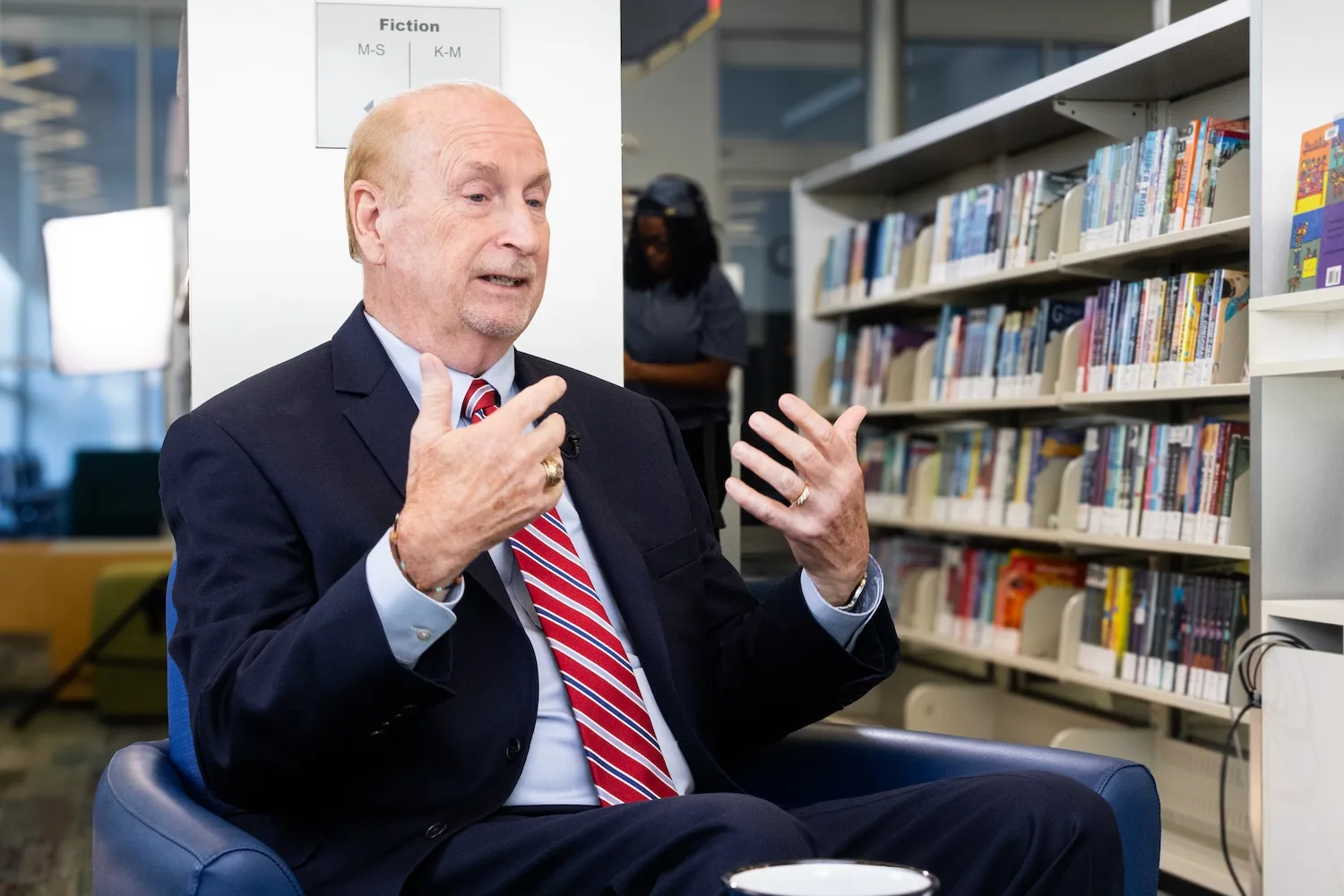
The three were asked about the issue in interviews conducted by Nine PBS and SLM on behalf of the Citizens’ Agenda, a list of five topics identified by voters as important to them.
Get a fresh take on the day’s top news
Subscribe to the St. Louis Daily newsletter for a smart, succinct guide to local news from award-winning journalists Sarah Fenske and Ryan Krull.
County councilman Dennis Hancock, the lone Republican in the race and the former mayor of Fenton, sees data centers as a means of job creation and a way to keep young people from leaving the region. “While data centers seem to get a lot of headlines … I don’t know that they’re necessarily the boogeyman that everybody’s making them out to be,” he says.
County Assessor Jake Zimmerman and state Senator Brian Williams both tempered their support for large data centers with transparency-related caveats, suggesting the developments should disclose the companies they are affiliated with and consult the surrounding community before building. (The third Democratic candidate, Angela Mosley, did not make herself available for an interview.)
Said Williams, “I do recognize that data centers have been around for two decades. And we have to evaluate how do we create a community engagement piece of that where they’re identifying who the client is, that client is forthcoming about what their intentions are in
this community or this region, and then most importantly, the community feel at ease and believe that there’s transparency in that process.”
He added, “I’ll never be in support of a data center [that] I felt deprived our region of its energy, its water, contaminated our environment or wasn’t transparent and [did not] disclose who the provider or the client was.”
Zimmerman also said that he believes community consultation is necessary prior to the centers being built.
“It is instructive to look at the difference between places like Festus, where people seem to have come out of the woodwork mad as hell, feeling like they weren’t consulted, and doing what they need to do to get these things stopped,” he said. “Versus an interesting example is the one that Google did, I believe in Montgomery County … where they didn’t encounter that kind of community pushback.”
Other emerging technologies drew out more differences between the candidates.
Hancock said that he supports the use of drones and new technologies in policing, such as the new Drones as First Responders program being implemented in St. Charles County and the City of St. Louis. Zimmerman, however, expressed some hesitance about the idea.
“When you talk about police drones it gives me the ooky gookies a little bit. It feels a little like 1984. But is it the technology of the future? Maybe. Does it need to be studied? Maybe, but I would suggest a whole lot of community consultation,” Zimmerman said.
Williams echoed the sentiment that he would like to conduct town halls before implementing a technology such as the drones, but said he largely supports the idea, noting his endorsement by public safety organizations. “If this is an avenue to promote public safety in a safe community driven way, that’s something I’ll entertain,” he said.
Aside from not prohibiting the construction of large data centers, the candidates found another point of agreement: their use of AI. The three candidates all said they use AI in their daily lives to do tasks like analyzing data or answering questions, and that they will use it in their administrations—even while stressing it would be in a limited manner with human oversight.
As for the predicted job disruption due to AI, Hancock said he believes the economy will find ways to adapt. He said that county government does not need to focus on workers who might be left behind: “Instead of worrying about ‘how is this technology going to affect us,’ [it] is really, ‘How can we attract the entrepreneurs who are going to be bringing along the next generation of technology?’ What can we do to attract those folks and help them be successful?”
Zimmerman, who currently serves as county assessor, said he thinks AI is appropriate for jobs such as deed transfers, but that he would not use it to assess the worth of a house.
“You would get hopping mad at me if you wanted to appeal your property value, if you wanted to talk to the assessor’s office and say, ‘you guys say we have three bathrooms, but really we only have two.’ And I said, ‘great, talk to the chatbot.’ If I do that, you’ll throw me out of office the next month and you should,” he said.
Williams, for his part, affirmed that he believes that there is always going to be a need for a human in government, but sees AI as a way to become closer with county residents.
“I think there’s always going to be a need for a human element and I don’t think we should take that away from our residents. But I do like the idea of us keeping up with the time, modernizing our workforce and most importantly looking at tools to ensure that [the] government feels close to residents and not distant.”
Watch our one-hour special Race for County Executive: The Citizens’ Agenda
Read about what the candidates say about the issues that matter to voters:
St. Louis County executive candidates aren’t ready to endorse city-county unification
St. Louis County executive candidates say they can end the dysfunction
County executive candidates on affordability: ‘The No. 1 overarching problem’
Better roads will cost money, and county executive candidates differ on how to find it