St. Louis Magazine revealed the winners of the tenth annual Excellence in Nursing Awards at a gala reception on Thursday, April 18, at Windows on Washington.
Presented by Goldfarb School of Nursing at Barnes-Jewish College and Barnes-Jewish Hospital, St. Louis Magazine’s Excellence in Nursing Awards recognize nurses from institutions across the St. Louis region for their exceptional level of knowledge, passion and dedication to their fields.
Your guide to a healthier, happier you
Sign up for the St. Louis Wellness newsletter and get practical tips for a balanced, healthy life in St. Louis.
This year, more than 300 nominations were reviewed by a distinguished selection committee comprised of respected leaders from such organizations as Mayo Clinic–Florida, Johns Hopkins University School of Nursing, and the University of Missouri. They selected 60 finalists and chose the winners in 18 categories.
See the winners below and look for the full Excellence in Nursing feature in the May 2018 issue of St. Louis Magazine.
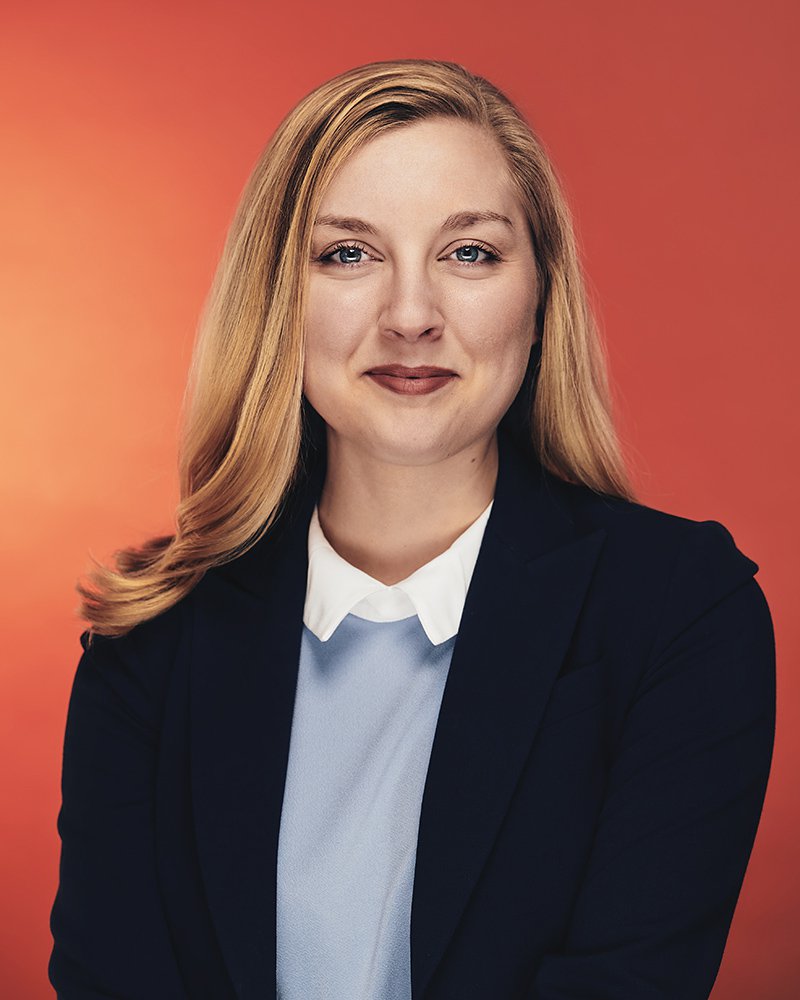
ORTHOPEDICS
Symone Swift
Washington University School of Medicine
A clinical nurse coordinator, Swift helps prepare patients for orthopedic surgery and follows up to ensure that they’re feeling better—even if it sometimes means going the extra mile. A colleague recalls Swift’s refusal to be reassigned, for example, from one irritable patient. After the two eventually bonded over a love of music, Swift listened to songs after work to prepare for their conversations the next day. Over time, thepatient’s demeanor improved, along with his physical and mental health.
On the greatest challenge in nursing: “Nursing can be exhausting—mentally, physically, and emotionally—but even the smallest moment of joy with your patient outshines any of that.”
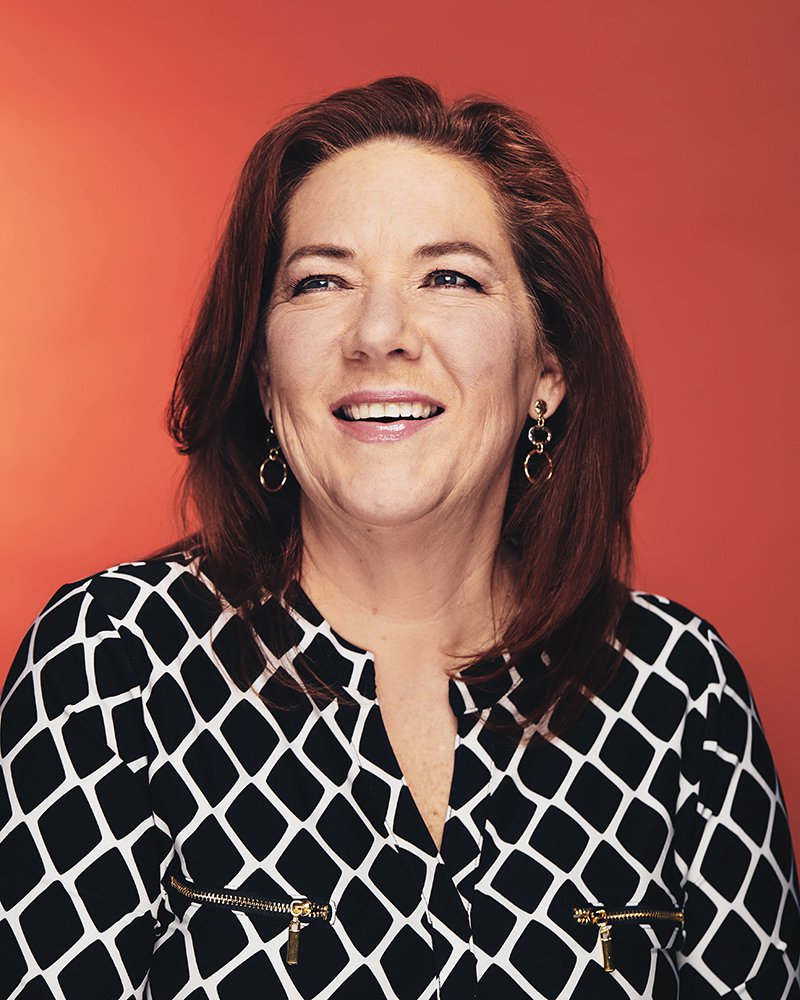
NEUROLOGY/PSYCHOLOGY/BEHAVIORAL HEALTH
Mary Epperson
Washington University School of Medicine
When a position opened in Wash. U.’s headache and concussion clinic, Epperson—a sufferer of chronic headaches who’s sustained concussions herself—thought, “You know, I can be very empathetic with that.” Today, she continues to stay up to date as neurological research—including that on chronic traumatic encephalopathy, brain trauma often associated with football—expands. The nurse practitioner also works part-time in urgent care for Health Care for Kids and still makes time to coach a Special Olympics basketball team.
On attention to detail: “It goes back to the simple things, like making a bed without creases so a patient’s not bleeding in a crease and getting a bedsore. Nursing encompasses all of those simple things and all of the advanced medications and therapies. We get to be a part of all of that.”
MEDICAL-SURGICAL NURSING
Lisa Chavarria
Mercy Hospital Jefferson
At Mercy Hyperbaric and Wound Care at Mercy Hospital Jefferson, Chavarria goes beyond the traditional expectations of her job on a daily basis. She sets an example for nurses with her bedside care, and she’s always looking for ways to improve her unit. “Lisa is involved in all aspects of problem-solving for our unit,” says a fellow nurse. Chavarria keeps up with the latest innovations in wound care and helps orient float nurses and students to the unit. For example, she has demonstrated to colleagues how to properly care for a wound and promptly administer the necessary medications based on the culture. Those under her care also recognize Chavarria’s dedication, as one of her colleagues notes, often sharing about their “excellent patient experiences.”
Advice for new nurses: “Be open to different types of nursing and new experiences. You may think you’re passionate about an area of nursing but find out you’re meant to do something else.”
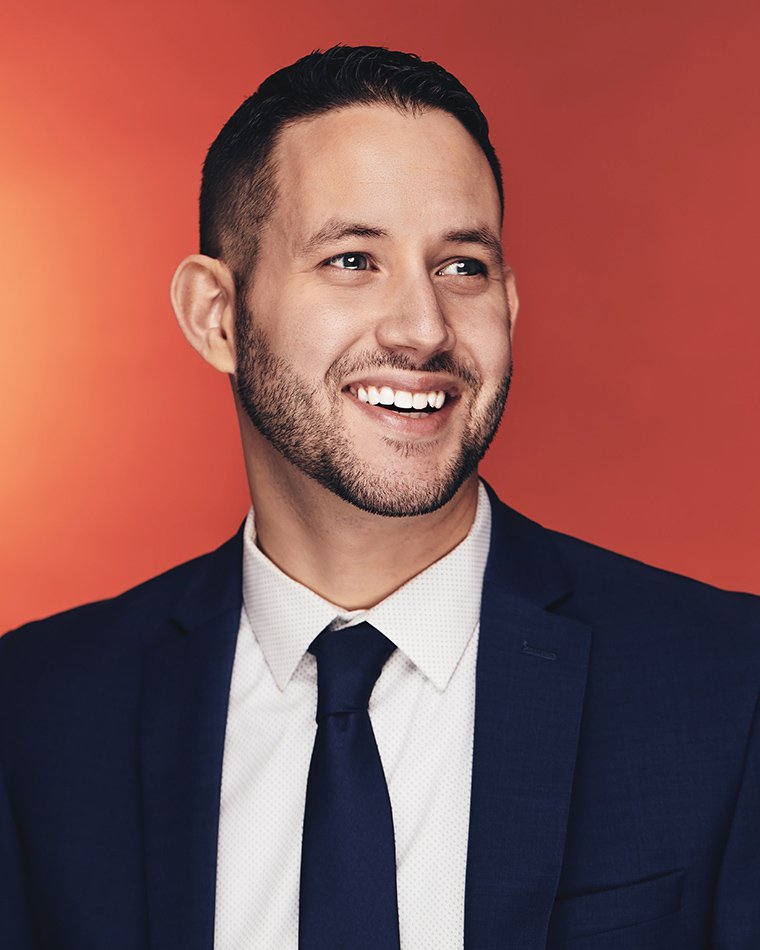
EMERGING LEADER
Josh Fender
Barnes-Jewish Hospital
“I will never forget a patient that Josh took care of many times,” one of his colleagues recalls. The patient’s wife of 45 years was at his bedside every day. She later told the colleague how thankful she was for Fender, particularly the way that his interactions with her husband—talking to him even while he was sedated, letting her help wash his hair—maintained his dignity. “These seemingly small things were so important to her,” Fender’s colleague recalls. “They let her continue to be a part of her husband’s life.”
On becoming a nurse: “Growing up, my mom was a drug addict and an alcoholic, so I wanted to be there for somebody at their worst times and make their day a little bit better. It’s why I do what I do. I don’t want anyone to feel alone.”
PEDIATRICS: NON-NEONATAL
Kathleen Potts
SSM Health Cardinal GlennonChildren’s Hospital
Over the course of her career, Potts has worked in public health, urgent, primary, and hospital care and served as a public health nurse in Alaska. Many of her former patients now bring their own kids to her. As one of Potts’ colleagues says, “Kathy’s kindness and care for her patients shines through in every encounter.”
Bonding with patients: “It’s important to take time to connect carefully with children. Children are vulnerable; they often feel powerless. They need to know you respect them and see them as a person.”
Advice for new nurses: “Realize how important your role is, take it seriously, and understand how much you can contribute to someone’s life. Get as much experience as possible in the beginning, and don’t narrow your focus too soon.”
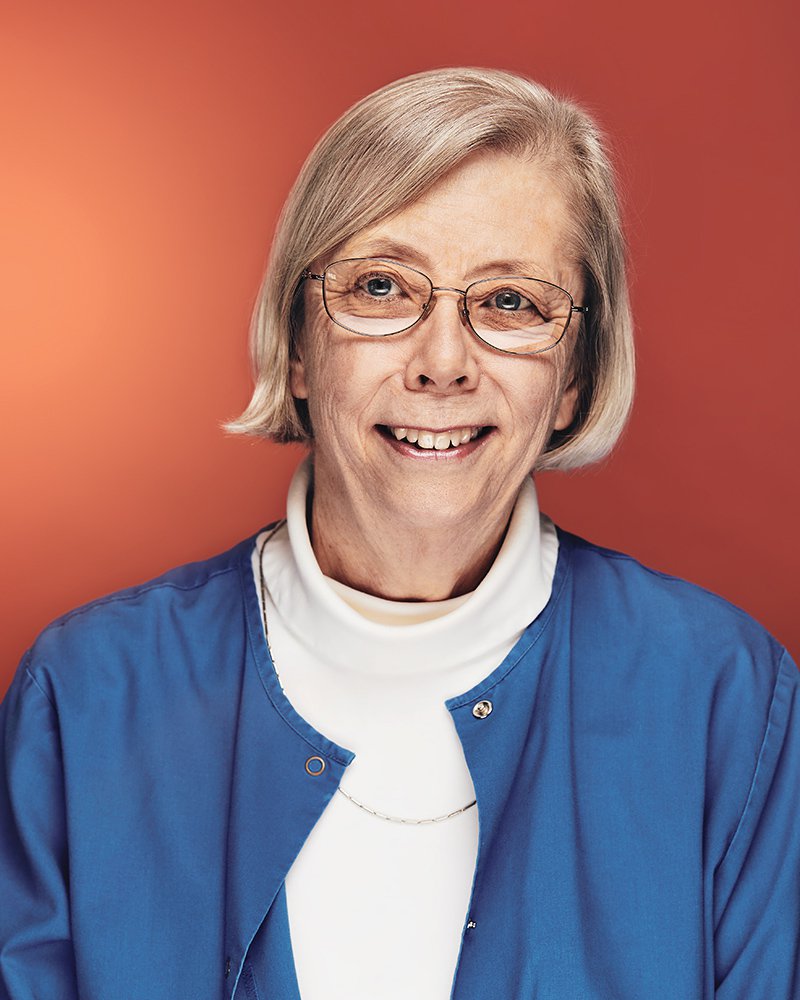
COMMUNITY CARE/AMBULATORY CARE
Carolyn Odom
SSM Health Cardinal Glennon Children’s Hospital
Odom’s no stranger to stressful situations. Working with the Missouri Poison Center hotline, her role in ensuring that callers remain calm and get proper treatment is vital. A nurse for almost 40 years, she serves as course master for the nationally recognized Certification for Specialists in Poison Information exam review class and helps create its content. After Hurricane Maria ravaged Puerto Rico, she helped get the exam translated for nurses there in need of certification.
What led her to nursing: “I was at a concert, and a girl passed me on a stretcher, seizing. I felt uncomfortable and helpless. I never wanted to feel that way again, so I decided to go to nursing school so I would know what to do. I feel so privileged to do what I do every day.”
HOSPICE/HOME HEALTH/PALLIATIVE CARE/LONG-TERM CARE
Pamela Piel
St. Louis Children’s Hospital
A self-described “late bloomer to nursing,” Piel worked in business before becoming a nurse. At St. Louis Children’s Hospital, she served in the pediatric and cardiac intensive care units before joining the Pediatric Advanced Care Team. “Many times, these families are faced with some really difficult decisions and journeys,” she says. Nonetheless, Piel takes pride in being able to “help families navigate these really difficult waters.”
On her patients: “In the ICU, I would try to carve out time, regardless of how busy it was, to make sure families felt like they had someone to talk to and were supported. To this day, I often think of those families during certain times of the year when their child recovered and was able to go home. I remember the joy on their faces.”
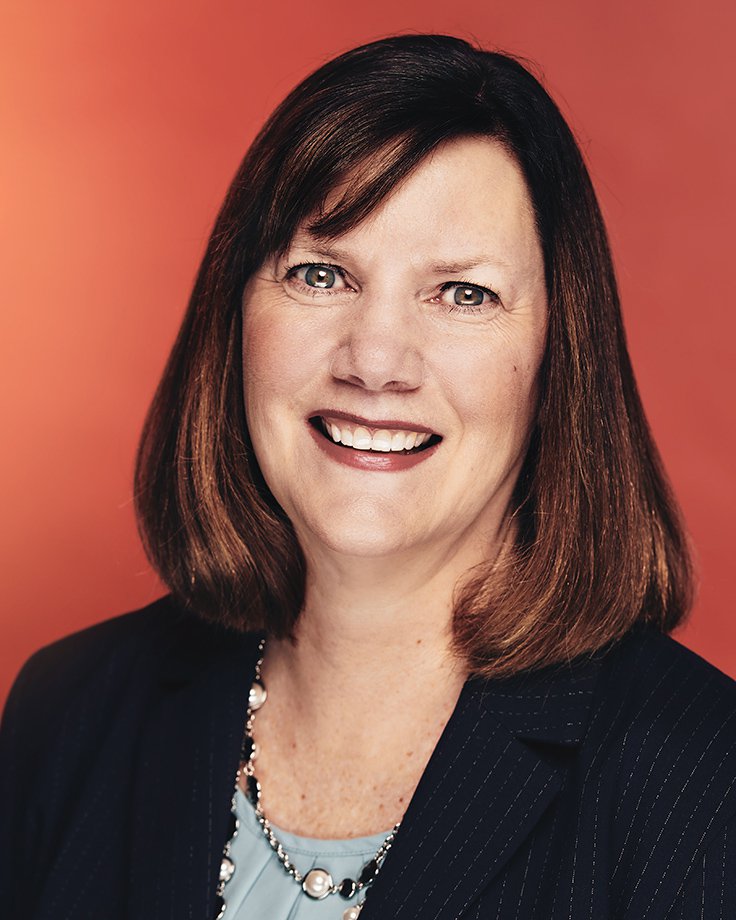
PEDIATRICS: NEONATAL
Kimberly S. Juenger
St. Louis Children’s Hospital
The best part of Juenger’s job? Babies. “I love taking care of the little, little babies and making sure that we’re giving them the best from the start,” says the neonatal nurse practitioner. “What we do in the beginning can affect what their outcome is later as they grow.” Before becoming a nurse, she served in the Air Force and was deployed to Saudi Arabia. She left the service when a remote assignment overseas would have taken her away from her newborn for too long.
On how the military prepared her to be a nurse: “It has helped me deal with situations that come up in an ICU, such as codes and having to think fast on your feet and make sure the situation is under control—just keeping it together until you don’t have to anymore.”
WOMEN’S HEALTH
Sarah Oerther
Saint Louis University School of Nursing
Oerther’s mother, grandmother, and aunts were all nurses. It was her grandmother’s work, in particular, that inspired her to choose the profession. Now, as a nursing instructor and Ph.D. student at SLU, Oerther is also working to raise the profession’s visibility by writing op-eds for such outlets as the HuffPost and The Hill.
On the rewards of the job: “To play such a vital role in some of the most wonderful—as well as the most difficult—moments in the lives of parents and their children, especially mothers and their children, is really humbling.”
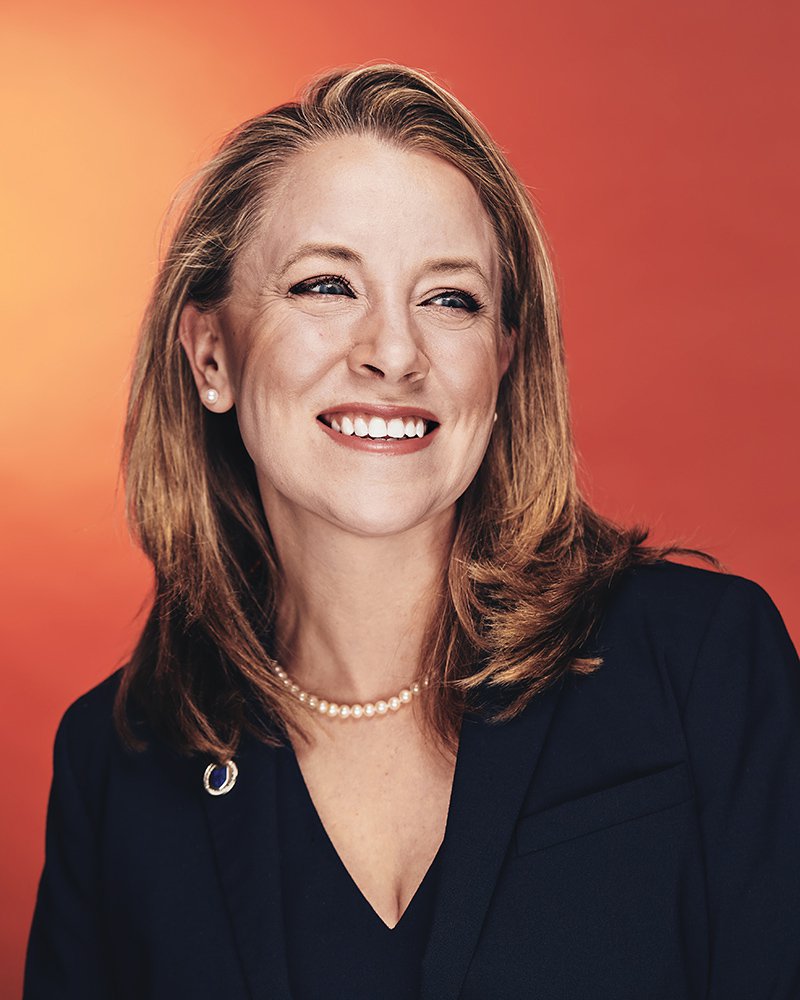
ONCOLOGY
Mary Ellen Hawf
Missouri Baptist Medical Center
Hawf is an advocate for her patients. On a regular basis, she will contact insurance companies to make sure her patients don’t have to stop a lifesaving treatment because of the financial burden. Hawf has an ability to identify a patient’s needs and make sure that safety nets are in place. When there’s a change in medication, she works with the pharmacy to assure a smooth transition. She’s always thinking about the continuum of care, far beyond the acute setting. “I count on Mary Ellen to be the voice of the patient while leading our program,” says a fellow nurse.
On becoming a nurse: “I had two grandparents who died when I was in my teens, and both of them had cancer. I think that’s where I got my interest. The first job I had was a mixture of internal medicine and oncology. I had a patient who had acute leukemia and was there for more than a month. You develop a relationship. It was: ‘Oh my gosh. This is what I’m going to do the rest of my life.’”
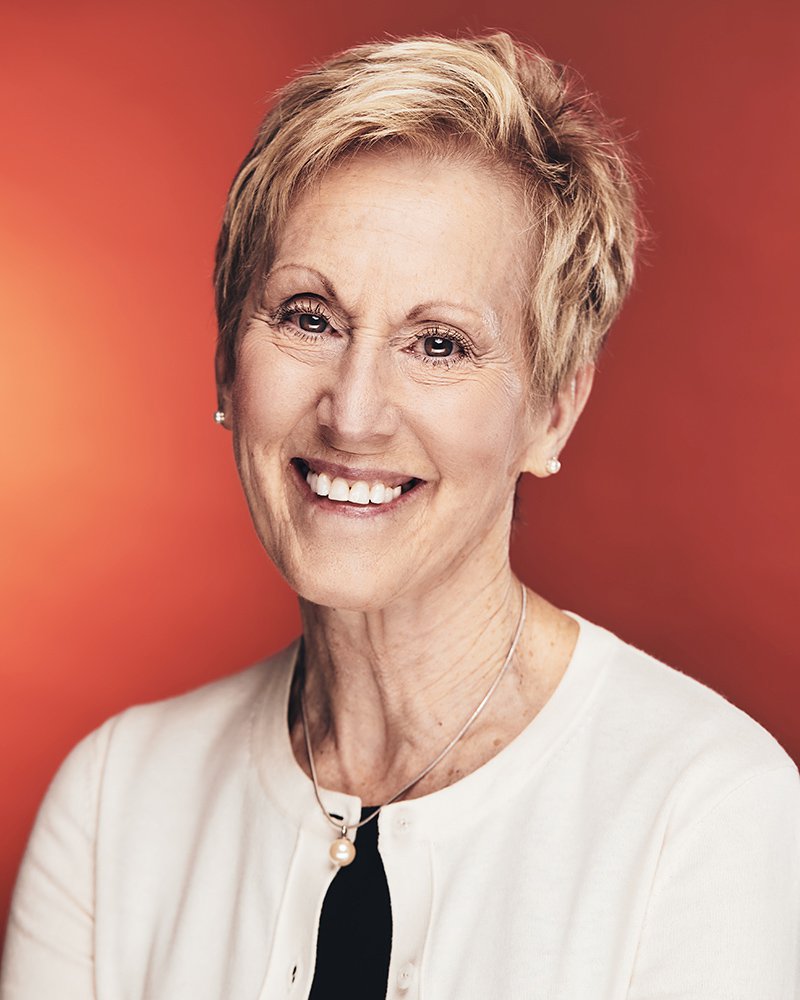
EDUCATOR
Margaret Bultas
Saint Louis University School of Nursing
A nurse with more than 25 years’ experience, Bultas no longer sees patients on a regular basis, but the associate professor’s work ethic remains as strong as ever. “She makes time for students when they need her,” notes one colleague, “whether it is calling a student in the evening when they are studying and have questions, coming in early in the morning to proctor an exam for an athlete who has to catch an early flight, being available on a Sunday night because there is an exam on Monday morning, or having coffee with students in the lounge area.” For her, the great moments are seeing her students make a difference in a patient’s life. “It is important,” she says of her work, “and I love it.”
On advice for new nurses: “Because nursing is a caring profession, nurses notoriously forget that they themselves must be content and well in order to provide exceptional care for others.”
ACUTE CARE/FAMILY PRACTICE/GENERAL MEDICINE
Amanda Mayfield
SSM Health St. Joseph Hospital–St. Charles
At age 7, Mayfield saw her mother at work in a clinic and immediately wanted to be a nurse. She later spent six months working as a tech to be sure, and in her decade as a nurse, she’s never looked back. No matter the circumstances, Mayfield makes certain that patients remain at the center of her day, often using her sense of humor to help them and their families through stressful times.
Why she loves her job: “I get to be there to care for somebody, not just physically but emotionally and spiritually. I meet people at their lowest, and I try to make them smile or let them know that whatever they’re going through, somebody’s here. It’s not always the medicine that will make someone feel better; it’s lifting their spirits.”
ADVANCED PRACTICE
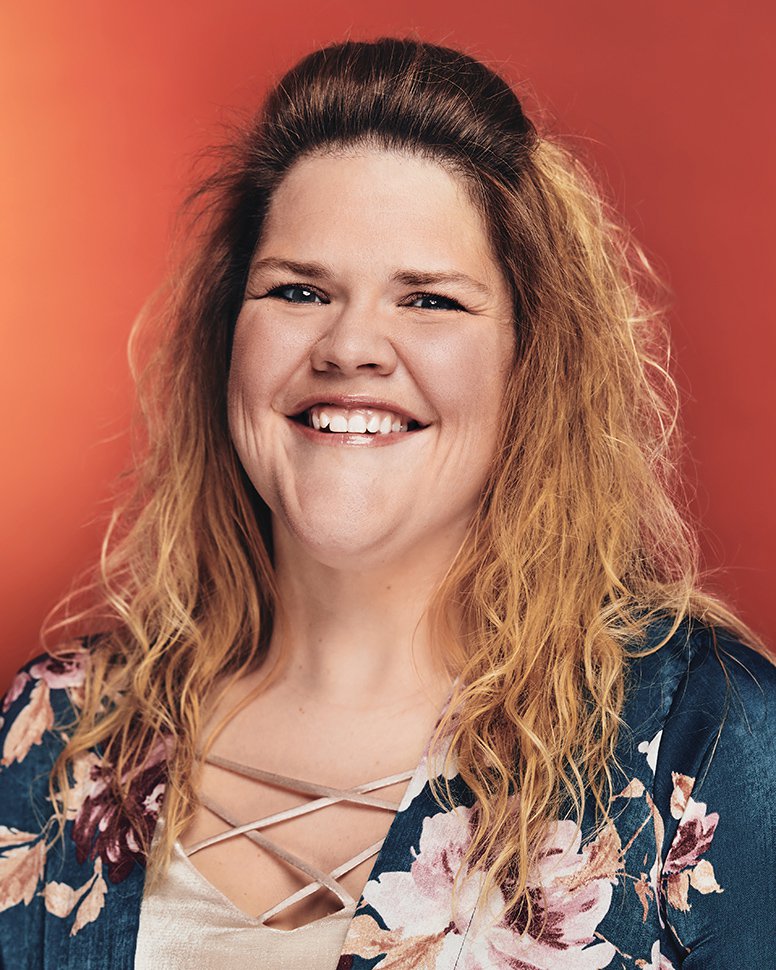
Rebecca Hunt
SSM Health Cardinal Glennon Children’s Hospital
A neonatal nurse practitioner in Cardinal Glennon’s NICU, Hunt constantly seeks ways to help others grow in their careers. As a panel member for the American Society of Health-System Pharmacists’ Standardize 4 Safety Initiative, she worked with health care leaders across the nation to standardize intravenous medication procedures for pediatric and neonatal intensive care units. “It was so fun to talk with so many smart people,” she says, “figuring out how to do things better for our children.”
On her favorite part of the job: “Watching babies thrive and graduate from the NICU. Even through the hard times, families let us in. We get to be family for the rest of our lives.”
RESEARCH
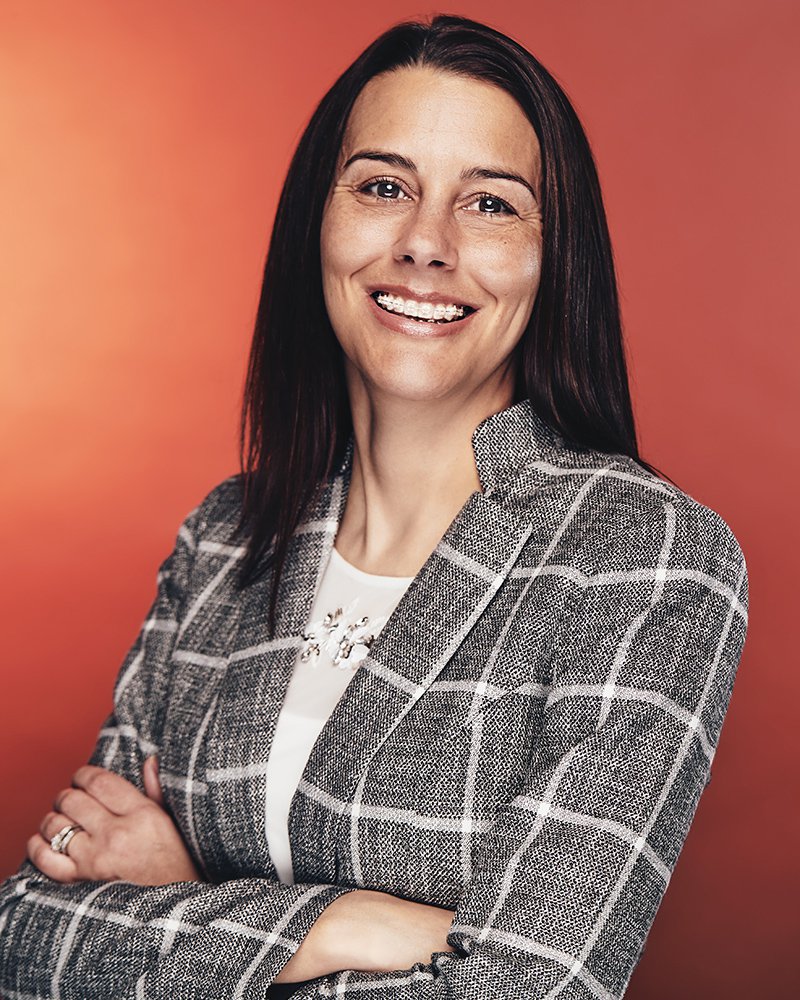
Carol Mechem
Mercy Hospital South
Mechem found her calling by chance. She worked on a study for the now widely used clot-busting drug tPA, and it opened her eyes to the good that such trials can bring. “Her experience and knowledge is irreplaceable,” says a colleague. Today, she’s heading nine research studies and continuing work on improving the management of stroke care.
On the rewards of research: “I am always learning. Each study is a new challenge. I’m an advocate for patients who volunteer to participate. I enjoy being able to offer them something that is cutting-edge and has potential to be a new treatment or device. It’s rewarding to see patients benefit, not only in the study but down the road.”
EMERGENCY DEPARTMENT
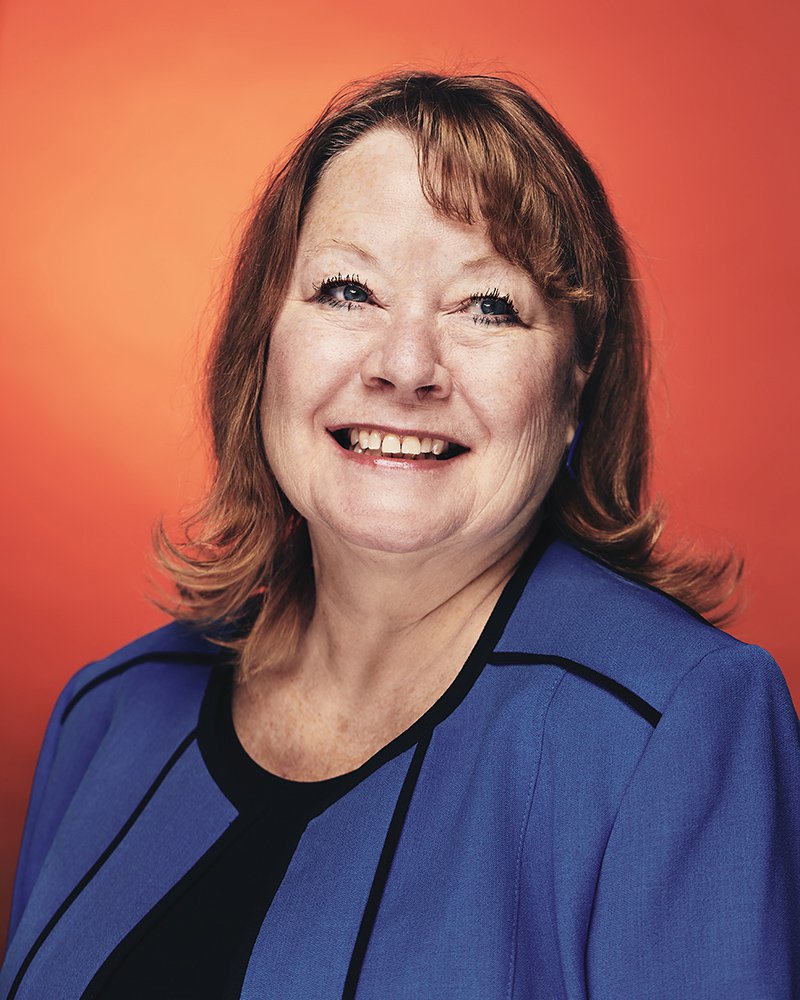
Jessica Dutton
SSM Health Cardinal Glennon Children’s Hospital
You could compare Dutton to the eye of a storm. “She has a calming demeanor, whatever situation arises,” notes a colleague. Working the night shift in Cardinal Glennon’s emergency department, the charge nurse gives patients and staff members her full attention—“which can be difficult,” the colleague adds, “in an emergency department with the amount of stimuli occurring around you.” Along the way, she’s mindful of her role in the situation: “Jessica is constantly thoughtful about the ‘how’ and the ‘why’ of her actions, and she will share these with those who ask and be transparent in her intentions.”
Advice for new nurses: “Nobody is perfect. Keep asking questions and trying to learn. There are always learning opportunities.”
INTENSIVE CARE
Kristen Kustermann
Memorial Hospital East
Kustermann values lifelong learning. At night, she teaches other nurses by serving as a resource nurse at Memorial Hospital Belleville and Memorial Hospital East. She offers her support when needed, though “she never takes over,” a colleague notes. She will “walk a new nurse through the most simple to the most complex type of issue with great respect for where that new nurse is in his or her development.”
Advice for new nurses: “You’ll never know everything. The moment you feel like you know everything, you’ve failed yourself and your patient. You’re always learning something.”
Being an ICU nurse: “I think you learn after a while how to tolerate the emotional side of the job. I leave work at work and home at home. If you start to mix them together, it takes a huge toll on you. A lot of places across the country have programs for nurse burnout. It’s a real thing.”
CARDIOVASCULAR
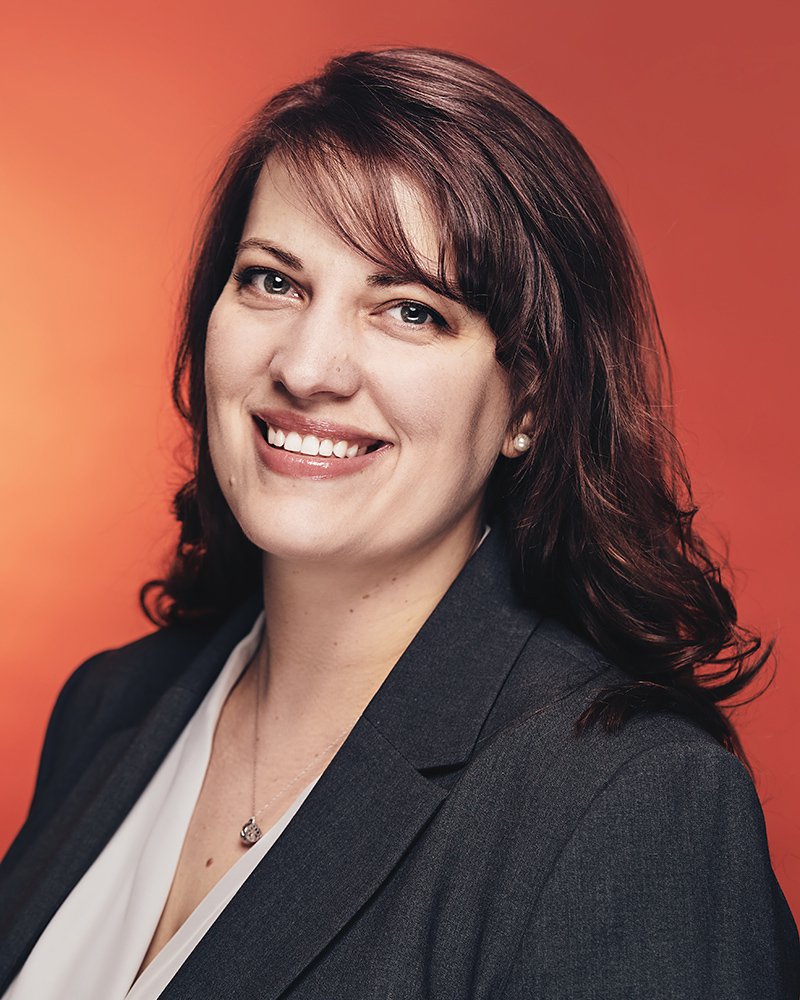
Megan Oller
Barnes-Jewish Hospital, Barnes-Jewish St. Peters Hospital
Oller somehow manages to look out for her colleagues while offering exceptional care, both to her own patients and to others on her floor. She volunteers to take tougher assignments or the patient who needs more care, and she has an uncanny ability to remember patients who are readmitted. Those who return often ask for Oller specifically. She even leads the hospital’s cardiovascular progressive care unit team in the American Heart Association’s annual Heart Walk by designing and selling T-shirts, hosting a yard sale, and organizing friendly competitions with sister units.
On becoming a nurse: “I got into nursing because my sister is handicapped, and I’ve helped take care of her since she was born. I was 4 when I started helping my mom. As she’s gotten older, she’s had more needs that my mom has had to learn, so I’ve always helped. I saw how staff at different hospitals would treat her and make my parents’ day just a little bit better when we were there. It seemed like a good fit for me.”
ADMINISTRATION
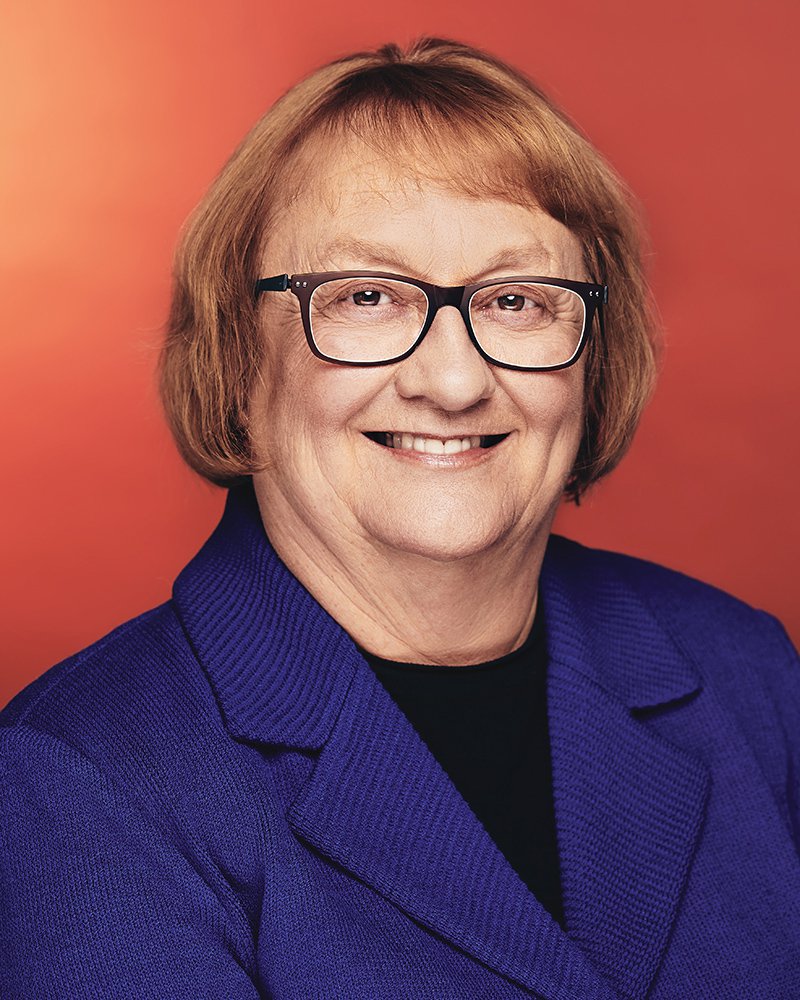
Nancy Ridenour
Goldfarb School of Nursing at Barnes-Jewish College
As the president of Goldfarb School of Nursing, Ridenour works tirelessly to provide the best educational experience for students. This includes encouraging them in their academic and co-curricular pursuits while promoting professional development opportunities for nursing faculty. Ridenour established the Dr. Donald M. Suggs Minority Nursing Student Scholarship to support minority students who want to pursue a nursing career, and she’s worked in a variety of countries, including Peru, Thailand, Sri Lanka, Cuba, and India. She always leads with a calm demeanor, a sense of humor, and an infectiously positive attitude.
On becoming an administrator: “A lot of nursing is administration and leadership, so nurses get a lot of experience managing and setting priorities.”
On the job’s rewards: “It’s just so cool to see a student graduate and the difference that they make. When you think about the number of lives they are going to impact in their career, it’s like multiplying your influence. It’s very gratifying.”
Finalists
ACUTE CARE/FAMILY PRACTICE/GENERAL MEDICINE
Lauren Carqueville, Mercy Clinic Primary Care
Amanda Mayfield, SSM Health St. Joseph Hospital–St. Charles
Amanda Wagner, SSM Health St. Clare Hospital
ADMINISTRATION
Carla Moore Beckerle, Esse Health
Leonora Muhammad, Corizon Health
Nancy Ridenour, Goldfarb School of Nursingat Barnes-Jewish College
Joan Smith, St. Louis Children’s Hospital
ADVANCED PRACTICE
Angela DeClue, Washington County Memorial Hospital
Rebecca Hunt, SSM Health Cardinal Glennon Children’s Hospital
Brittany Shoults, Mercy Clinic Heart and Vascular
CARDIOVASCULAR
Angela Albert, St. Luke’s Hospital
Megan Oller, Barnes-Jewish Hospital, Barnes-Jewish St. Peters Hospital
COMMUNITY CARE/AMBULATORY CARE
Robyn Drake, SSM Health Cardinal Glennon Children’s Hospital
Carolyn Odom, SSM Health Cardinal Glennon Children’s Hospital
Joanne Wood, Memorial Hospital Belleville
EDUCATOR
Margaret Bultas, Saint Louis University School of Nursing
Lisa Burnitt, Goldfarb School of Nursing at Barnes-Jewish College
Tamara Otey, Goldfarb School of Nursing at Barnes-Jewish College
Krista Simmons, Saint Louis University School of Nursing
Barbara Vancil, Mercy Hospital Jefferson
EMERGENCY DEPARTMENT
Jessica Dutton, SSM Health Cardinal Glennon Children’s Hospital
Karen Gist, SSM Health St. Joseph Hospital–St. Charles
Mia Glover, Mercy Hospital South
EMERGING LEADER
Jordan Austin, St. Louis Children’s Hospital
Josh Fender, Barnes-Jewish Hospital
William Holt, Washington University School of Medicine
Claire Ravenscraft, Barnes-Jewish Hospital
HOSPICE/HOME HEALTH/PALLIATIVE CARE/LONG-TERM CARE
Tally Crosby, Kindred Hospice
Pamela Piel, St. Louis Children’s Hospital
INTENSIVE CARE
Molly Eggleston, Mercy Hospital St. Louis
Kristen Kustermann, Memorial Hospital East
Amber Lewis, Barnes-Jewish Hospital, Washington University School of Medicine
MEDICAL-SURGICAL NURSING
Lisa Chavarria, Mercy Hospital Jefferson
Maureen Deutman, SSM Health St. Clare Hospital
Molly Figgemeier, Mercy Clinic Children’s Surgery
Karen Middendorf, Barnes-Jewish Hospital
NEUROLOGY/PSYCHOLOGY/BEHAVIORAL HEALTH
Mary Epperson, Washington University School of Medicine
Rebecca Light-Pearlman, Washington University School of Medicine
Rachel Sargent, Missouri Baptist Medical Center
Angela Williams, Washington University School of Medicine
ONCOLOGY
Margaret Compernolle, Barnes-Jewish Hospital
Mary Ellen Hawf, Missouri Baptist Medical Center
Shannon Krus, Washington University School of Medicine
ORTHOPEDICS
Jayne DuValeus, Progress West Hospital
Nancy Miller, Mercy Hospital South
Symone Swift, Washington University School of Medicine
PEDIATRICS: NEONATAL
Kimberly s. Juenger, St. Louis Children’s Hospital
Sarah Kaiser, Mercy Children’s HospitalSt. Louis
Heather Miller, Mercy Children’s HospitalSt. Louis
PEDIATRICS: NON-NEONATAL
Phyllis Ballard, Washington UniversitySchool of Medicine
Rhonda Morrow, Mercy Children’s HospitalSt. Louis
Kathleen Potts, SSM Health Cardinal Glennon Children’s Hospital
Catherine Reese, St. Louis Children’s Hospital
RESEARCH
Teresa Beaudoin, Mercy Hospital St. Louis
Carol Mechem, Mercy Hospital South
Lottchen Wider, SSM Health Cardinal Glennon Children’s Hospital
WOMEN’S HEALTH
Jessica Henman, Birth and Wellness Center
Paula Lowery, St. Luke’s Hospital
Sarah Oerther, Saint Louis University School of Nursing
Kathy Shelton, Washington University School of Medicine
Special thanks to the selection committee
Ann Cary, dean, University of Missouri–Kansas City School of Nursing and Health Studies
Rita D’Aoust, associate dean, Johns Hopkins School of Nursing
Patricia Davidson, dean, Johns Hopkins University School of Nursing
Karen Drenkard, chief clinical and nursing officer, Get Well Network
Debra Harrison, chief nursing officer emeritus, Mayo Clinic in Florida