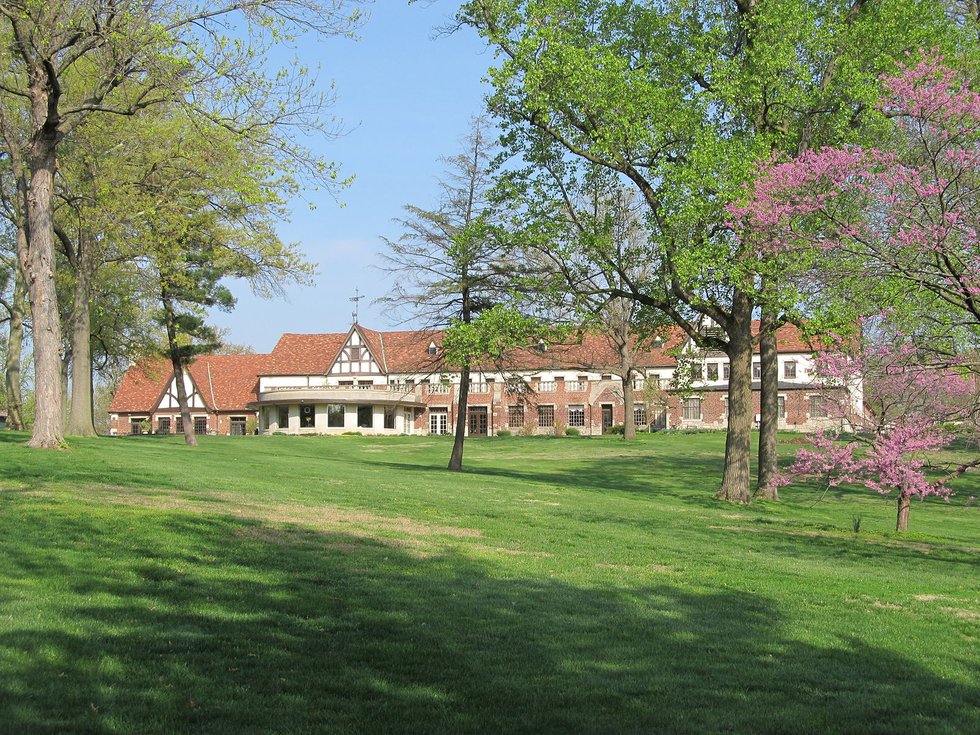
There were 77 men swinging clubs, six days of competition, two participating countries, and one victorious handstand. Four years after golf made its Olympic debut at The Games of the II Olympiad, the sport returned for a thrilling, quirky encore during the 1904 St. Louis Summer Games—and then disappeared from Olympic programming for 112 years.
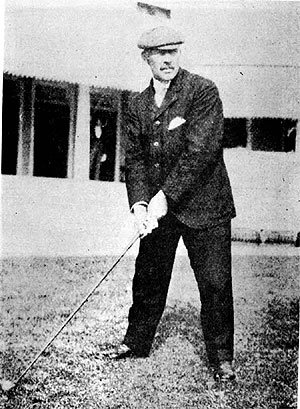
With the opening rounds of the men’s event underway at Tokyo 2020, this marks the first time since the St. Louis games that golf has been included on the slate in consecutive Olympiads. And the sport itself has come a long way since golfers were teeing off at Normandy’s Glen Echo Country Club in 1904.
That September, the schedule included team play, handicap events, putting and driving contests, and, of course, the individual competition. Though the latter was the highlight event at Glen Echo, it could barely be considered an international tournament. Seventy-four of the participants hailed from the United States, the majority of whom came from the Midwest. Three more made the trek from Canada, including eventual gold medalist George Lyon of Ontario.
The 46-year-old Lyon was an impressive all-around athlete who starred in cricket and track and field during his prime. Although he didn’t pick up golf until his late thirties, he quickly proved to be skilled with a set of clubs. He was also a natural showman who reportedly sang as he walked from hole to hole at Glen Echo.
As the individual field whittled down to a handful of contenders, Lyon found himself going head-to-head for the gold with American Chandler Egan in a 36-hole match play finale. During the tightly contested battle, Egan received an early-round lift from an archaic rule called a stymie.
Back then, players did not mark their balls on the green. So when Egan deftly placed a ball in front of Lyon’s, the Canadian was forced to putt around his opponent and went on to drop the hole. But Lyon shook it off and took a decisive lead on No. 15 of the final round, when Egan sliced a ball into a water hazard to lose his shot at gold.
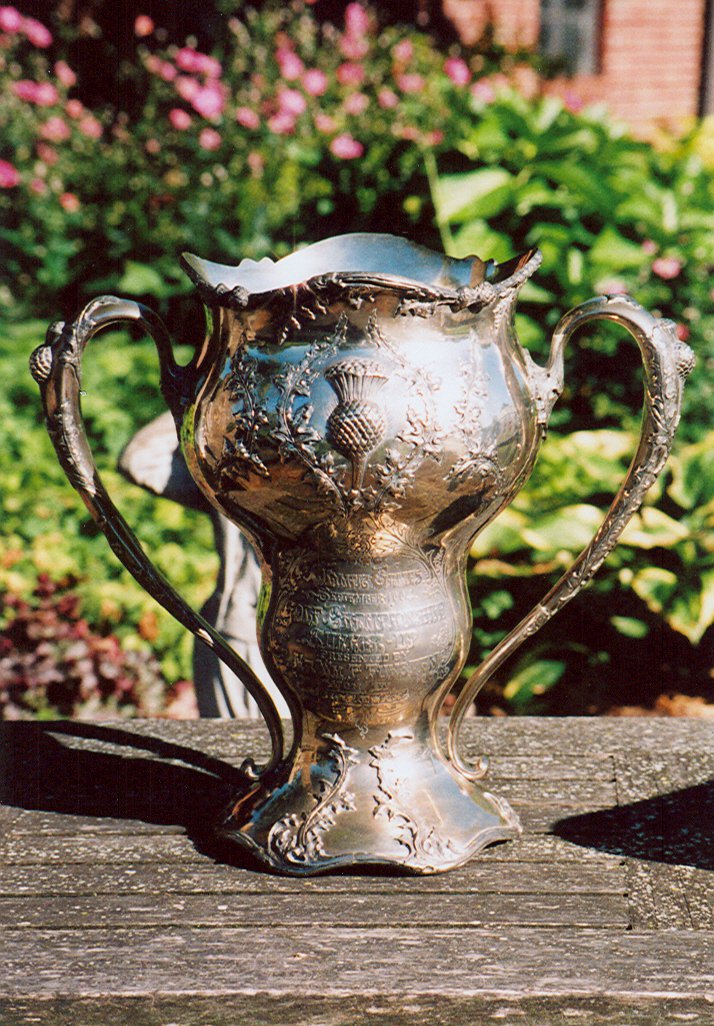
At a celebratory dinner after the match, Lyon was so excited about his victory that he walked on his hands through a banquet hall to collect his award.
Today, a replica of the gold medal is displayed inside the main entry to Glen Echo, where several other mementos from the 1904 Games can be found along the premises. The Olympic flag still flies, a flame outside the club serves as a nod to the Olympic torch, several plaques across the grounds describe meaningful moments from the club’s turn in the spotlight, and the body of water where the American silver medalist lost his ball is now appropriately named Lake Egan.
Katie Dooley, Glen Echo’s membership and marketing director, says approximately 70 percent of the course is still laid out as it was in 1904. “I think what we hold onto the most and what our members appreciate the most is just how important of a place the club has in history and how much we have tried to really honor that history,” Dooley says. “It defines who we are and how we got here.”
As for golf, it was a long journey back to the Olympics for Rio 2016. And though the sport’s Summer Games history is modest, a sizable portion of its Olympic narrative is set in St. Louis.