Most people have heard the word “ecosystem” in conversations about startups, innovation, or economic development. Outside those industries, it can sound like another business buzzword.
Justin Raymundo wants people to think about it differently. As vice president of innovation ecosystem building at BioSTL, Raymundo spends his days helping researchers, entrepreneurs, investors, companies, and community leaders work together, so promising discoveries have a chance to become something much bigger.
“At the end of the day, innovation requires a lot of partners working together,” Raymundo says. “The role of a backbone organization is having a vision for how those groups work together and helping create the connections that move ideas into the world.”
The missing piece behind every breakthrough
When Raymundo explains an innovation ecosystem, he often starts with nature.
Just as a natural ecosystem depends on different organisms playing different roles, innovation depends on researchers making discoveries, entrepreneurs building companies, investors providing capital, corporations bringing products to market, and public partners supporting workforce development, infrastructure, and policy.
Individually, each contributes something valuable. Together, they create an environment where ideas have a chance to succeed.
“How those groups come together around a shared strategy and shared priorities is really how an ecosystem functions,” Raymundo says.
How discovery becomes real world impact
A scientific discovery rarely becomes a product overnight. New medicines, agricultural technologies, diagnostics, and medical devices often require years of funding, laboratory facilities, business expertise, regulatory guidance, partnerships, and investment before reaching patients, farmers, or consumers.
Every stage presents another hurdle. “A good idea that just sits in academia without an ecosystem could really die on the shelf,” Raymundo says.
Helping discoveries move through those stages has become part of BioSTL’s work during the past 25 years. The organization connects innovators with the people, resources, and opportunities needed to move promising ideas out of research and into the marketplace.
Connecting people who would never meet otherwise
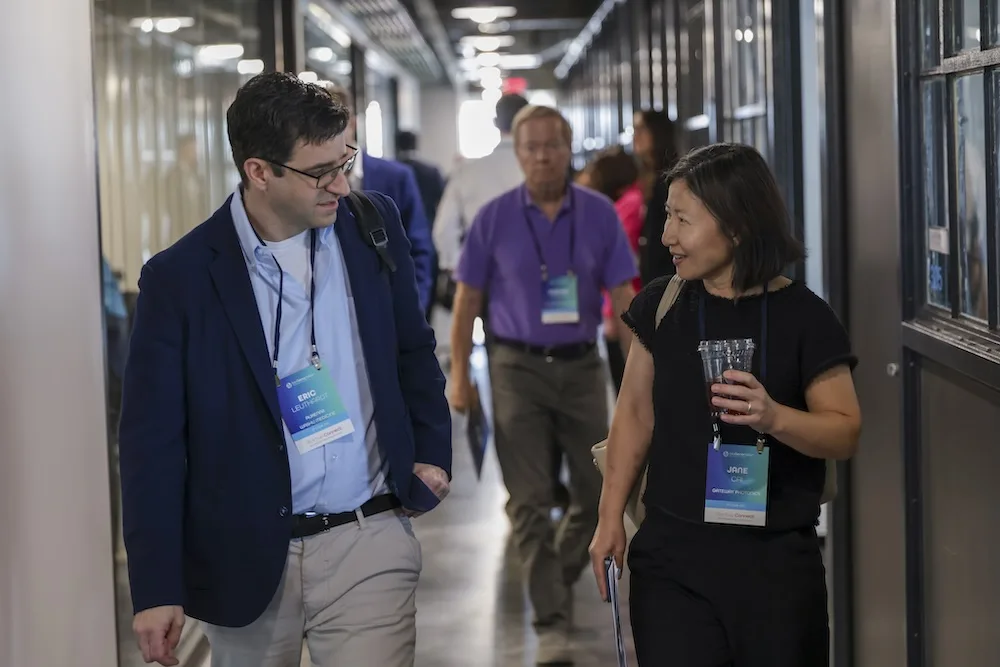
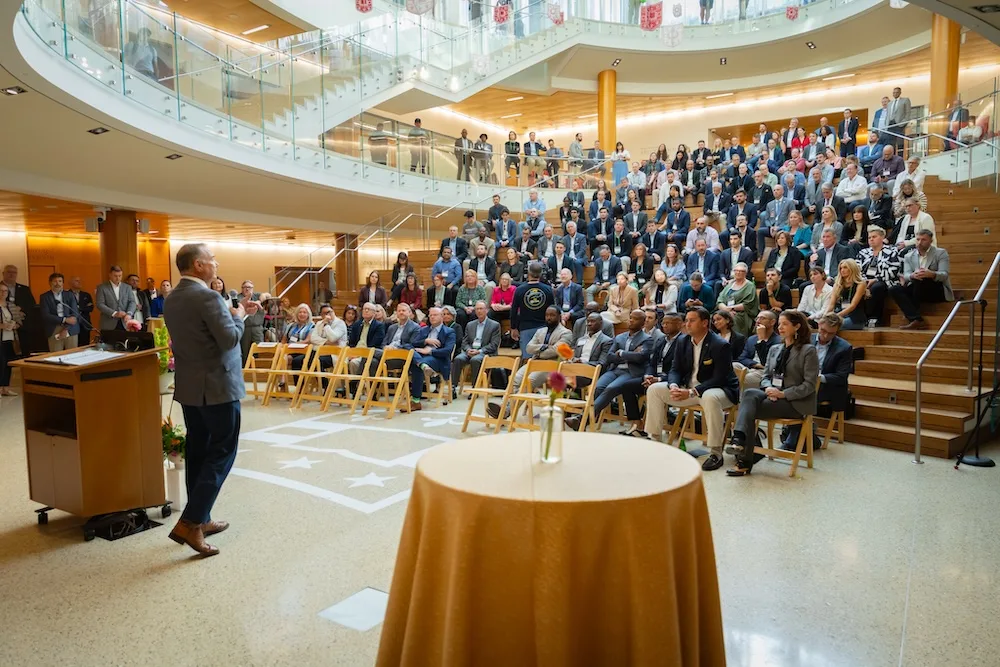
Most people never see ecosystem building happening. On one day, it may involve introducing a founder to an investor. Another day might focus on connecting a university researcher with an experienced entrepreneur or identifying a funding gap preventing a company from growing. Sometimes, the challenge involves talent. Other times, it involves infrastructure, facilities, policy, or capital.
“The role of ecosystem builders is helping align stakeholders around a shared vision and strategy to address barriers and gaps be it workforce development, physical infrastructure, public policy, commercialization support, or cross-cutting partnerships,” Raymundo says.
While researchers, startups, corporations, investors, and universities each pursue their own missions, BioSTL works behind the scenes to strengthen the relationships that allow everyone to move further together.
Why St Louis already has an advantage
Many people assume St. Louis is still trying to establish itself in innovation, though Raymundo believes that the region has been building on world-class strengths all along. “We’re not building an innovation economy out of nothing,” he says.
The region already brings together research universities, internationally recognized plant and life science leadership, major bioscience employers, advanced manufacturing, healthcare systems, entrepreneurs, and investors.
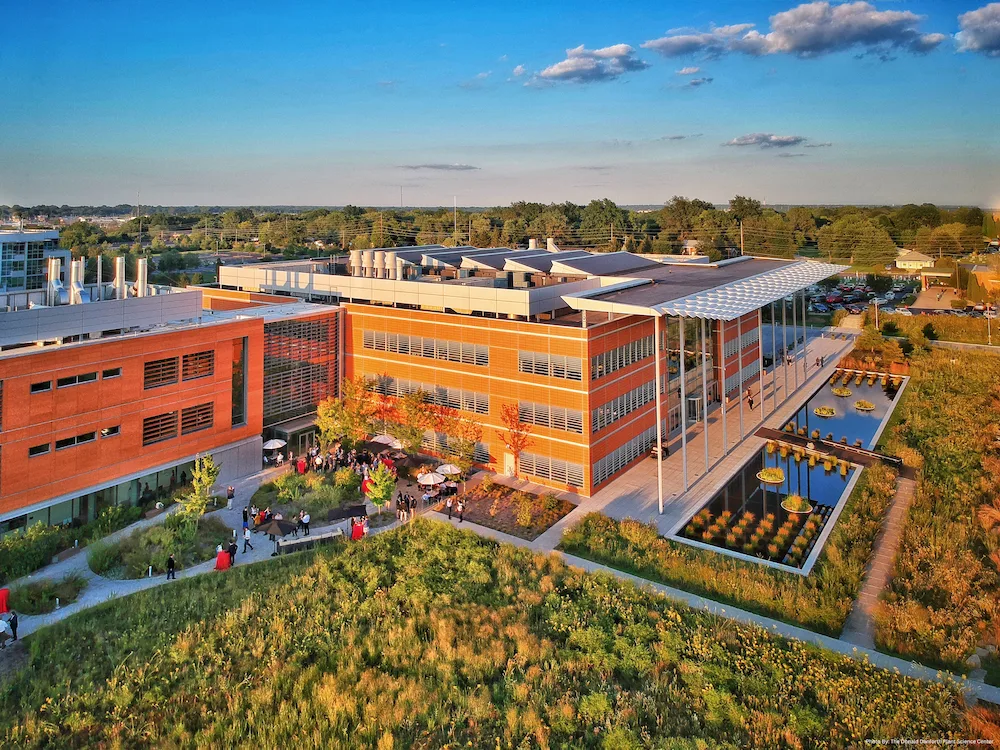
The numbers back that up. St. Louis is home to the largest concentration of plant science Ph.D.s in the world, with more than 1,000 working in the region. Washington University’s Jeffrey T. Fort Neuroscience Research Building is one of the largest neuroscience research facilities in the world. Thermo Fisher’s St. Louis site is one of the largest single-use technology contract development and manufacturing organizations (CDMOs) in the country. And the region is now home to more than 1,000 bioscience and biotechnology companies.
Institutions such as WashU, the Donald Danforth Plant Science Center, Bayer, Pfizer, MilliporeSigma, along with hundreds of startups and community partners, give the region an unusually strong foundation for innovation.
“We are a place of discovery,” Raymundo says.
The work few people ever notice
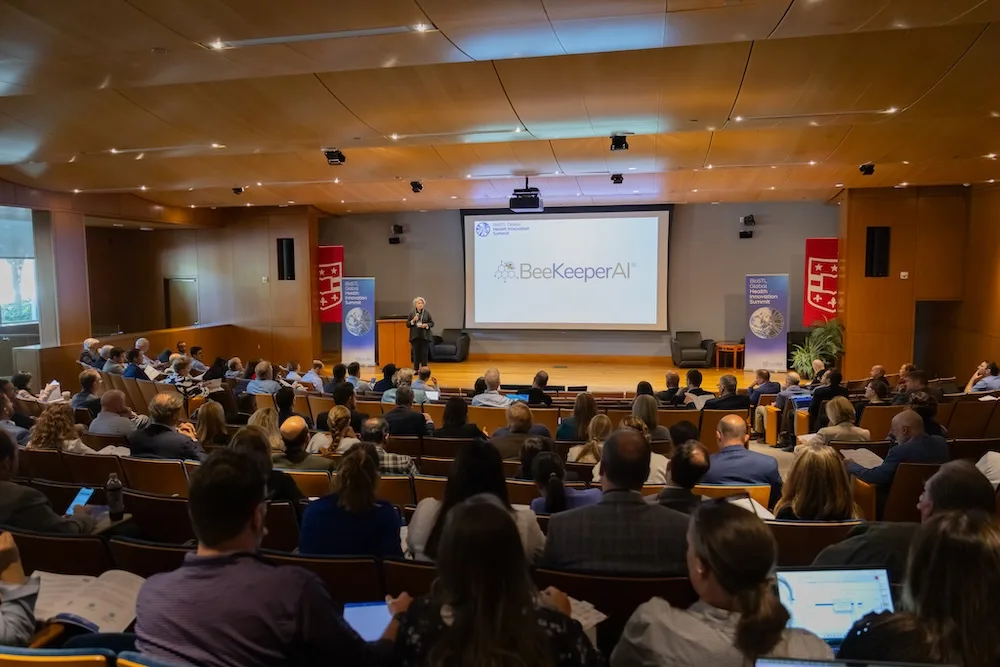
Most people eventually hear about the successful startup or the medical breakthrough. Much harder to see are the conversations that happened years earlier between researchers, investors, entrepreneurs, universities, companies, and community partners.
“Ecosystem building is inherently a team sport,” Raymundo says. “None of this happens because of one organization or one individual; it happens because people commit to working together.”
Twenty-five years after its founding, BioSTL continues to strengthen those relationships, helping discoveries become companies, companies create jobs, and innovation generate new opportunities across St. Louis.
Most people will never witness those conversations happening behind closed doors. They will experience their impact through better healthcare, stronger agriculture, new careers, growing businesses, and an economy built on ideas that now have a better chance to stay where they began.
This post was created by SLM Partner Studio on behalf of BioSTL. For more information, visit biostl.org.