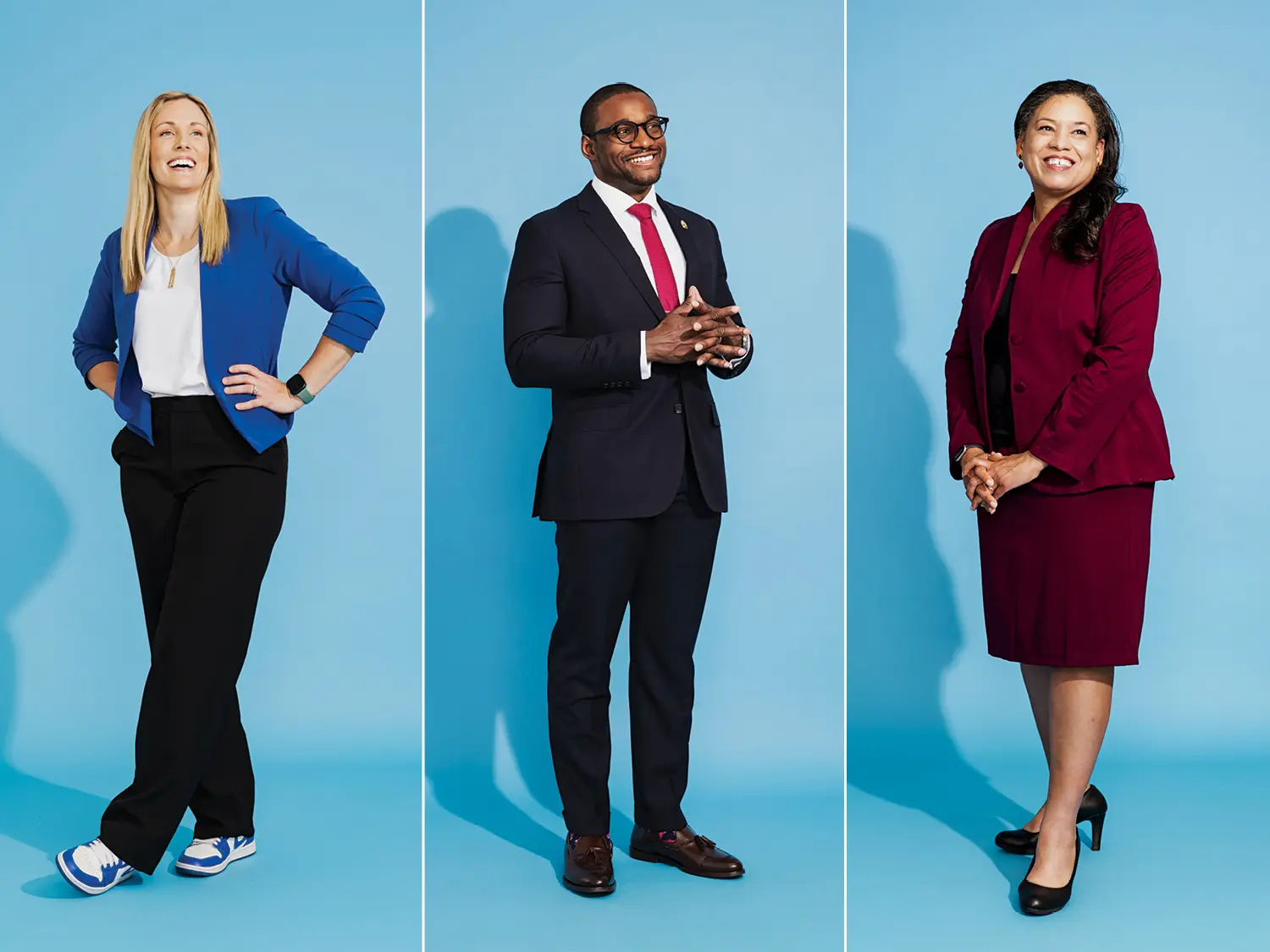
Dr. Alexandra Marie Edwards
Obstetrics & Gynecology
Mercy Clinic Maternal and Fetal Medicine
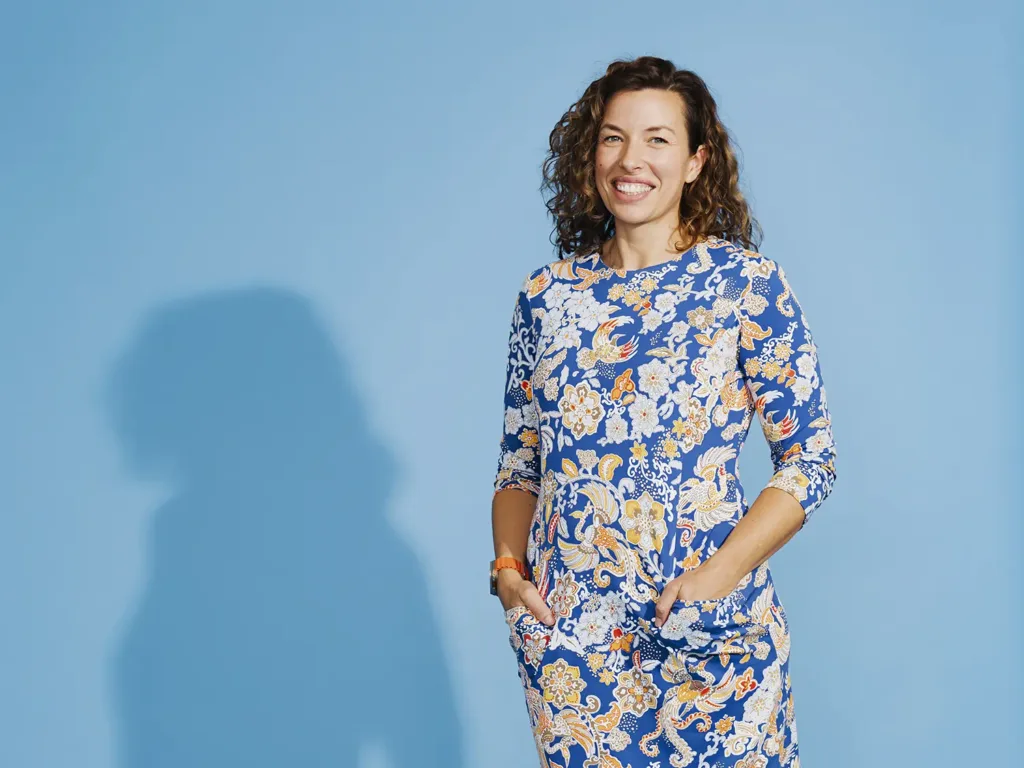
Dr. Edwards initially went into gynecological oncology. After experiencing the maternal death of a patient as a second-year resident, however, her trajectory changed. “I felt the weight of the death, the impact on her family, and became interested in critical care,” she says. “I chose maternal-fetal medicine as my specialty within obstetrics and gynecology, allowing me to care for women who have complications either before or during pregnancy.” Advances in her field have also made it easier to treat women dealing with complications, including noninvasive genetic testing, fetal therapy to treat babies prior to birth, and AI programs for labor monitoring that improve outcomes. “I am privileged to be a part of my patients’ lives in challenging times and in some of the best moments,” she says.
Your guide to a healthier, happier you
Sign up for the St. Louis Wellness newsletter and get practical tips for a balanced, healthy life in St. Louis.
Dr. Atif Shafqat
Medical Oncology
Missouri Baptist Medical Center
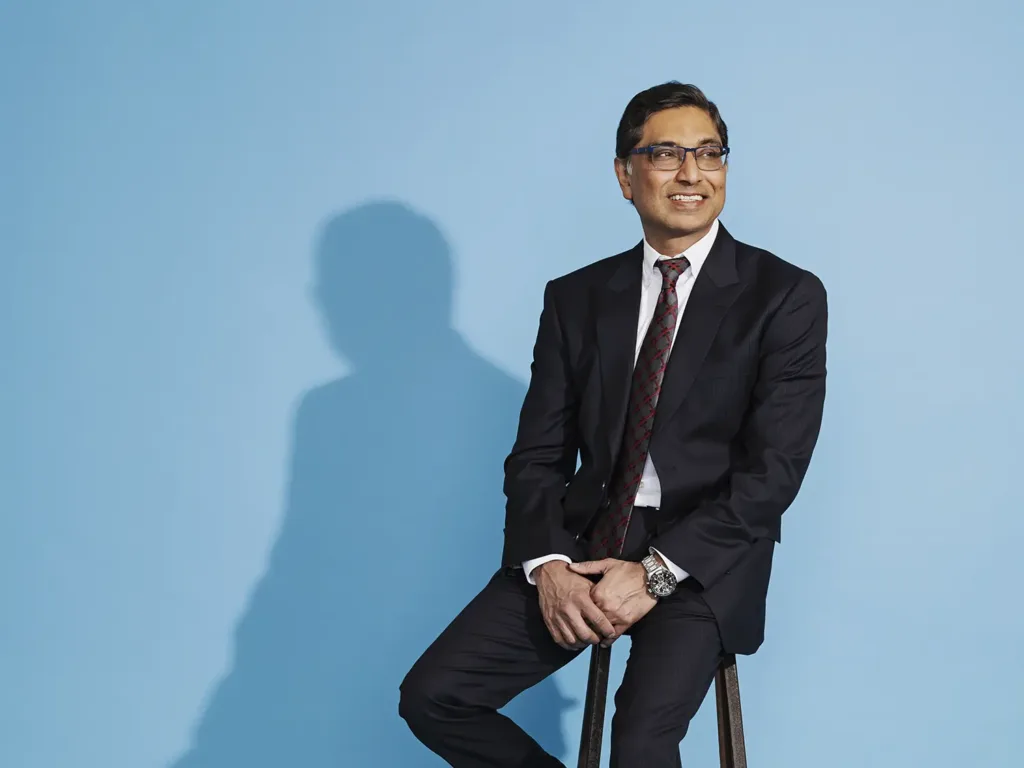
Shafqat’s primary focus is helping breast cancer patients. While that can involve complex medical procedures and treatments, Shafqat says his role as an oncologist isn’t nearly as daunting as the challenges that many of his patients and their families face. “I tell my patients that my job is easy,” he says. “I’m not the one going through the cancer experience and its stresses.” Unseen challenges can put additional weight on patients, including the questions surrounding a diagnosis, navigating employment challenges, and financial burdens. In the ever-evolving field, however, new research and treatments are enhancing long-term outcomes and prognoses. “For the oncologist, this is an exciting time to be able to offer these new options,” Shafqat says.
Dr. Amit Mathur
Neonatal-Perinatal Medicine
SLUCare Physician Group, SSM Health Cardinal Glennon Children’s Hospital
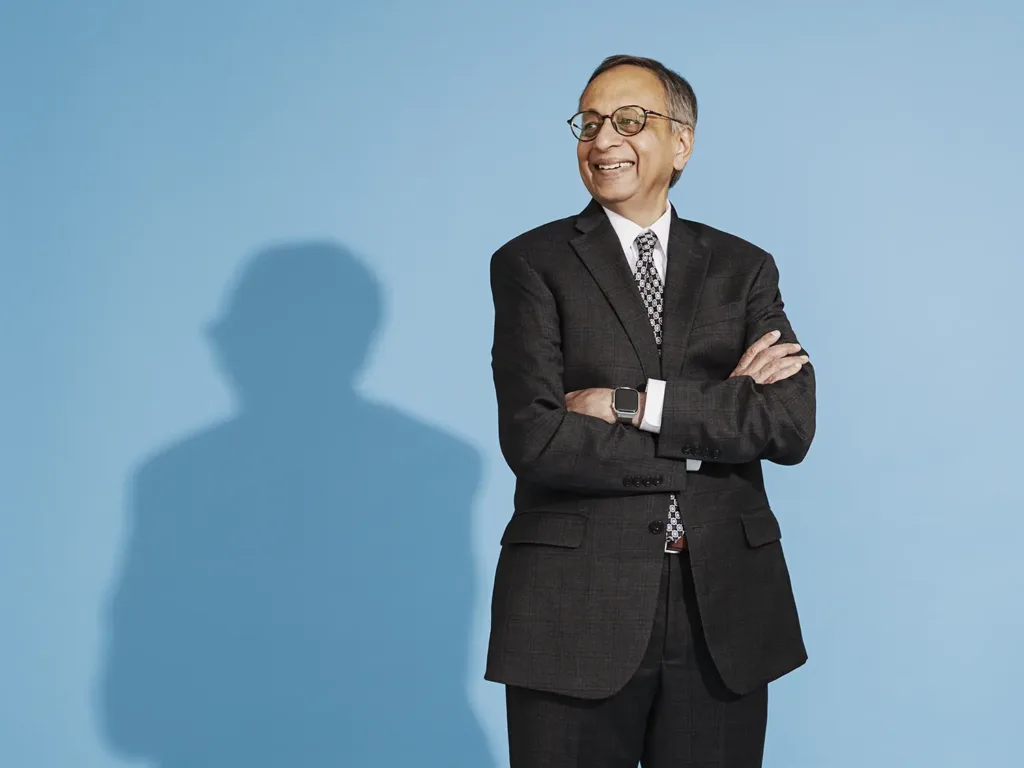
When Mathur first started his medical training, neonatology was just an emerging field. Today, he focuses on preventing brain injury in premature infants in the neonatal intensive care unit. Although Mathur’s work hours can be lengthy and exhausting, he’s proud to elevate the long-term outcomes of newborns. “There have been so many rewarding moments over the years, from seeing so many babies and their families ‘graduate’ from the NICU after a long, complex medical hospitalization,” he says. “Even more rewarding has been seeing them grow up.”
Dr. Danielle H. Carpenter
Pathology
SSM Health Saint Louis University Hospital
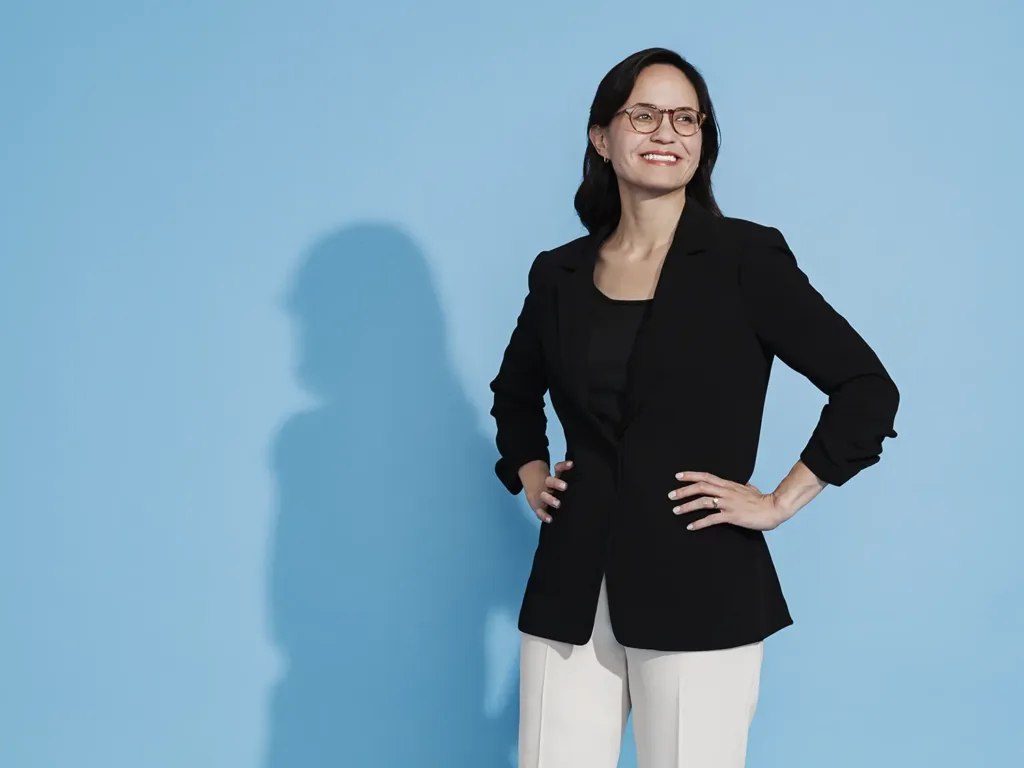
For Carpenter, pathology just clicked. “I discovered I had an eye for it,” she says. Today, she focuses on anatomic pathology, diagnosing diseases from different tissue samples. While staffing shortages pose a challenge for the industry as a whole, Carpenter says, medical innovations, such as digital pathology with image analysis and AI, may help bridge the gap. For instance, technology can be used to calculate the exact amount of fat in liver cells, which could inform disease diagnosis and treatment. “A computer is great at doing things like counting and quantifying,” she says. “I think the real advancement in medicine is going to be asking the computer to do something that we can’t do as humans.”
Dr. Matthew J. Spellman
Urology
Urology of St. Louis–Helios
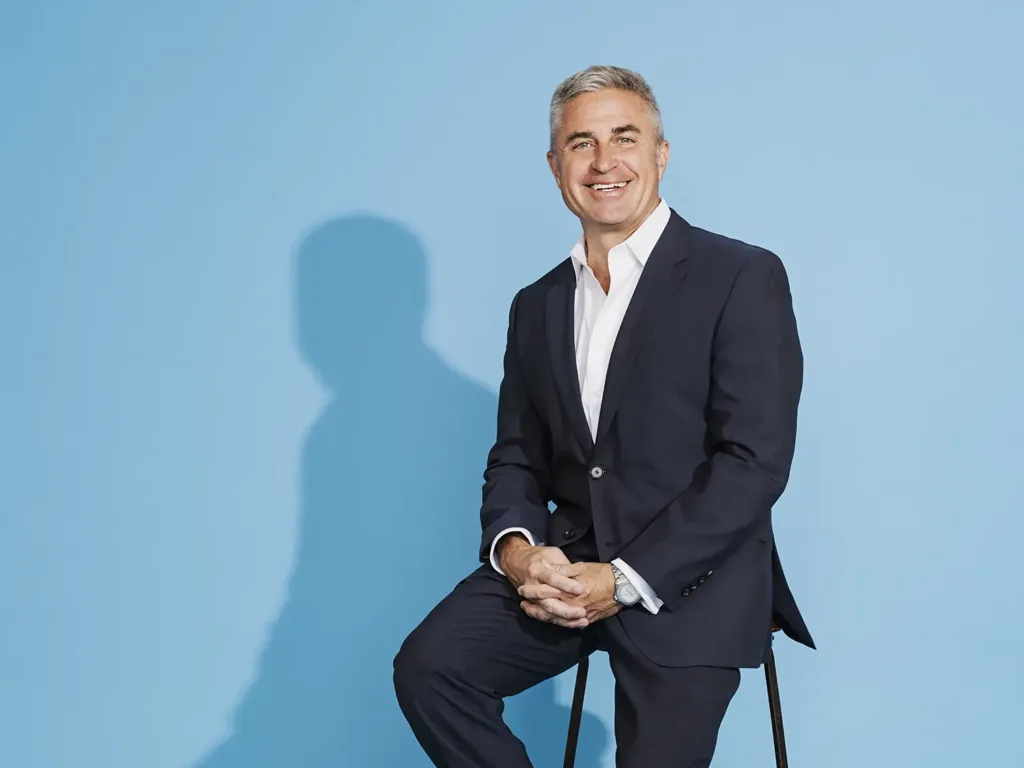
While completing his residency at the University of Nebraska Medical Center, Spellman initially focused on kidney transplants. He later switched to urology and today uses robotic technology to assist patients. “I replaced my hand with a 12-millimeter instrument,” Spellman says. At one time, a physician would use surgical instruments and a camera to treat a patient with urinary disease; now, a robotic arm can mimic a doctor’s movements during surgery, allowing for surgical work in a smaller space with superior vision. Spellman’s goal: to expand the technology, so patients in urgent need of care can receive treatment as fast as possible. “It’s about access and breaking down barriers,” he says. “If we can do both those things, my firm belief is that the patient wins.”
Dr. Lucia del Pilar Cristancho Pimiento
Psychiatry
WashU Medicine
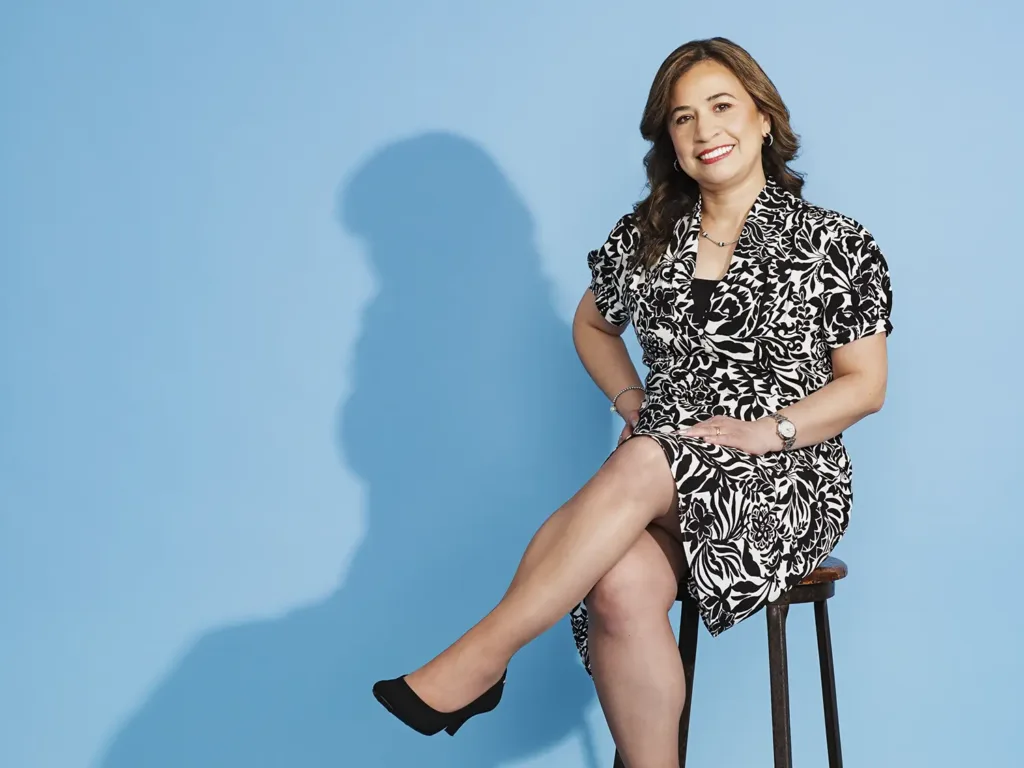
“Mental health is often overlooked and stigmatized, but it’s as important as physical health,” Cristancho Pimiento says. “Learning about brain processes that lead to mental illness is important to me in order to deliver effective treatments.” Her area of specialty focuses on neuromodulation treatments for patients with major depression. Among the treatment options is transcranial magnetic stimulation, a noninvasive procedure that uses magnetic fields to stimulate nerve cells in the brain. “It’s rewarding to provide collaborative care to my patients,” she says.
Dr. Kwee L. Thio
Child Neurology
WashU Medicine, St. Louis Children’s Hospital
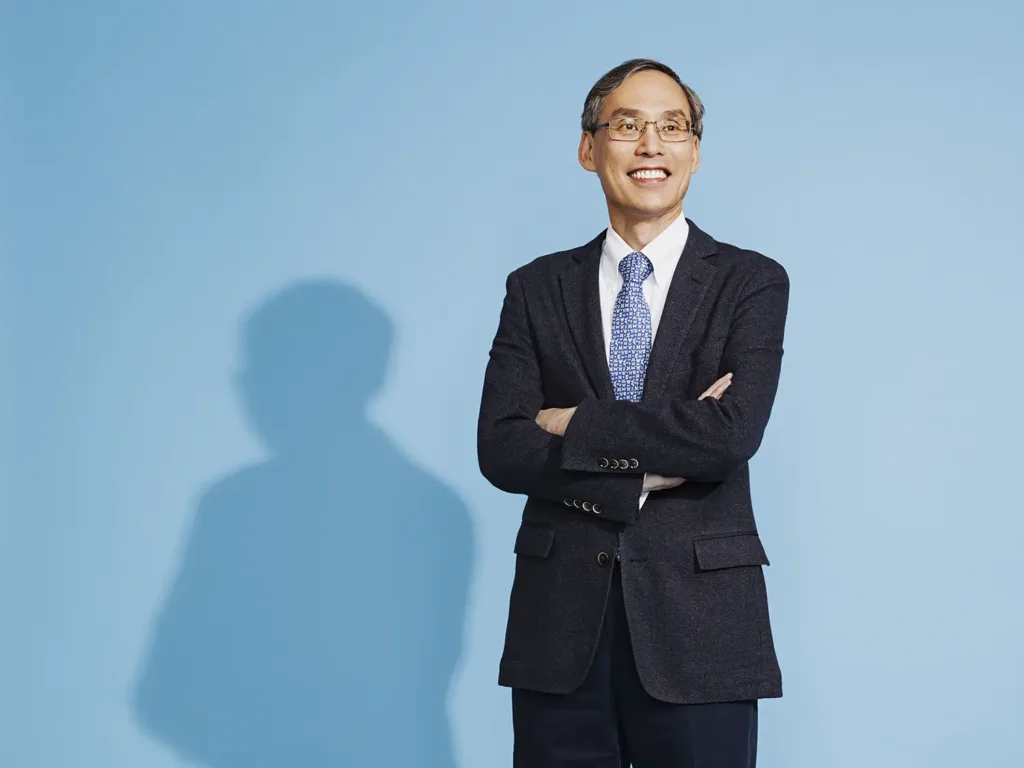
There used to be a misperception about the field of pediatric neurology, which focuses on rare diseases that typically have a genetic base, such as spinal muscular atrophy. “When I was training, people looked at child neurologists as physicians who couldn’t really do anything for the patient,” says Thio. “That’s certainly no longer true.” Since then, there have been dramatic innovations in the field, including therapies that can address the underlying genetic cause, rather than just managing symptoms. “Helping parents and their kids go through this journey that they didn’t sign up for is really important, in addition to being able to actually change the course of someone’s disease,” says Thio.
Dr. Ashley H. Ali
Orthopaedic Surgery
SLUCare Physician Group
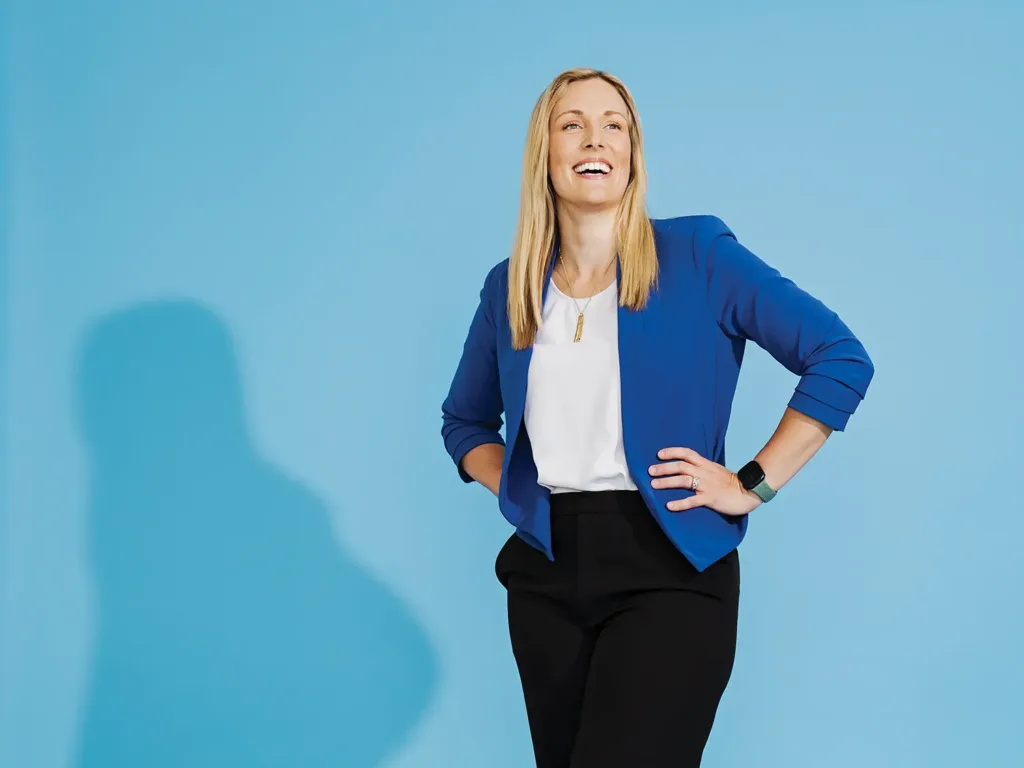
Ali credits her time as a college basketball player with leading her to study orthopaedic surgery. “That’s what drove me to go into sports medicine,” she says. “I fell in love with taking care of athletes, having been a former athlete.” One of the most rewarding aspects of her job is seeing an athlete recover. “It makes you feel special when an athlete entrusts you to care for them,” she says. “When an athlete chooses you to be their surgeon, it’s an honor. I will never take that for granted.”
Dr. Jason M. Edwards
Radiation Oncology
St. Luke’s Medical Group
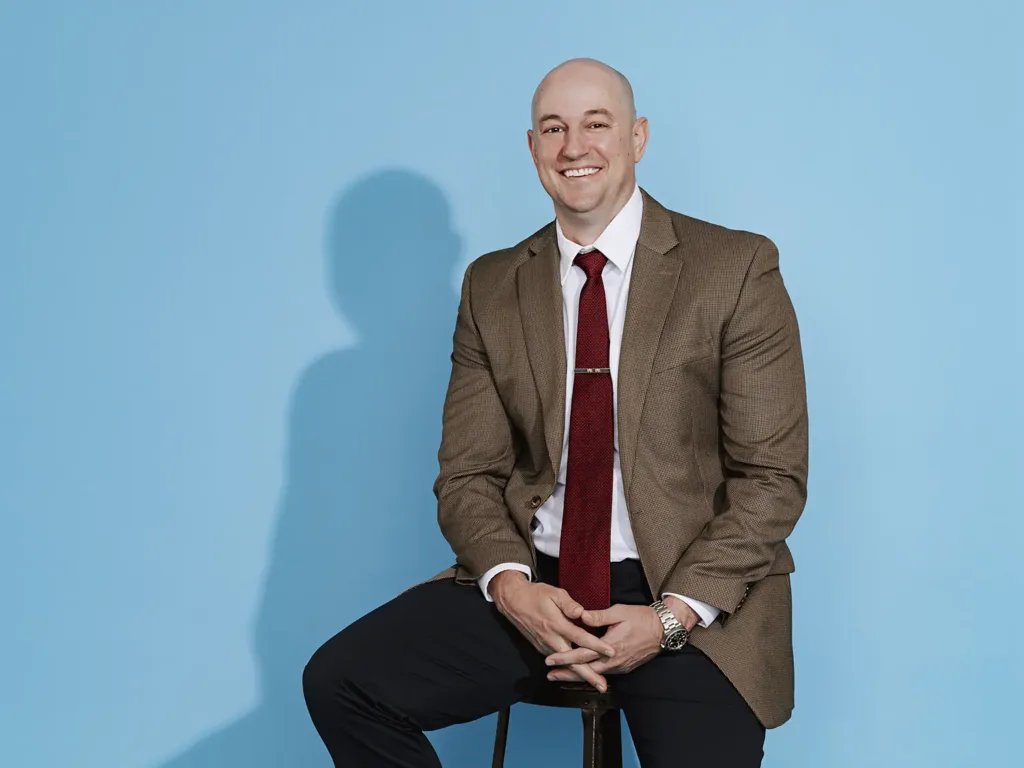
Edwards initially planned to become a cardiologist and earned a degree in cardiovascular physiology. Then, his wife recommended looking into radiation oncology. “I did a rotation in it, and I really liked it,” Edwards recalls. “What I realized is that it was a critical time in a patient’s life, where you could actually really make an impact.” Today, he’s proud of helping patients navigate the uncertainty that follows a cancer diagnosis. “I have the advantage of having the perspective of the whole path, which you don’t see as a patient,” he says. “It’s rewarding to take someone on that journey—you’re a part of their life, and they’re a part of yours. It’s a beautiful thing.”
Dr. Trina J. Blythe
Pediatrics
BJC Medical Group, Way to Grow Pediatrics
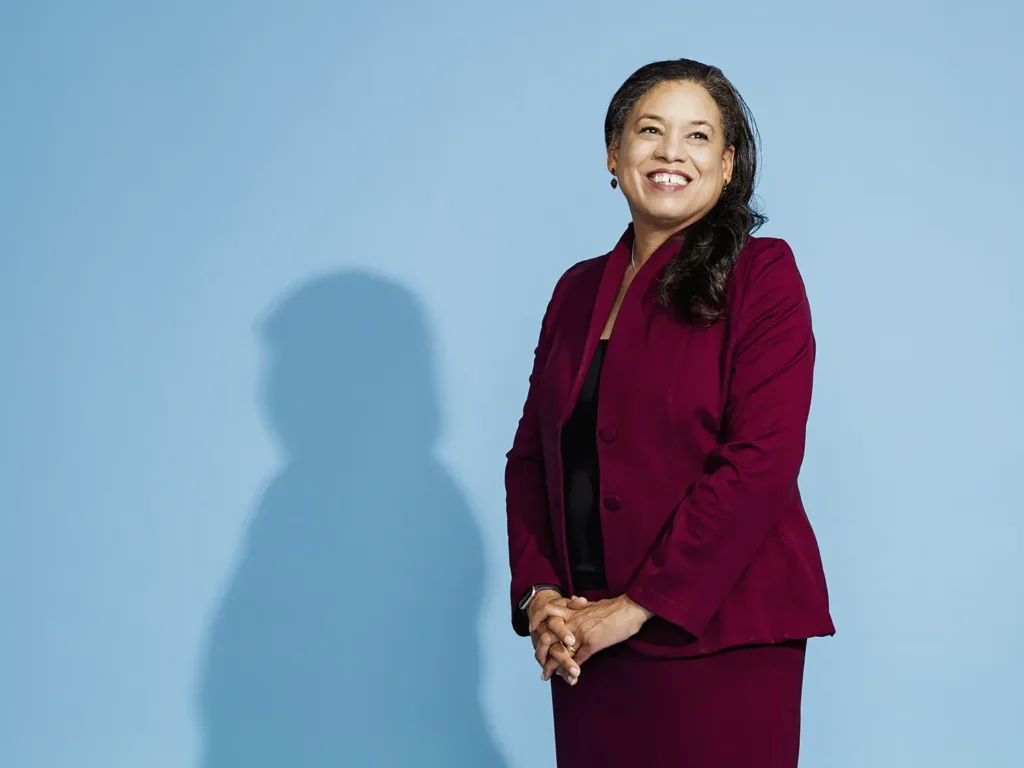
For Blythe, prevention and safety are at the core of her medical philosophy. “I am a firm believer in the adage that an ounce of prevention is worth a pound of cure,” she says. For instance, the respiratory syncytial virus (RSV) vaccine has significantly reduced the common illness, which can affect the lungs. While medical misinformation remains a challenge, Blythe stresses the importance of providing accurate, useful information for patients and their families. “Challenging, ingrained misconceptions are always difficult, especially when the misconception is coupled with fear and decreased health literacy,” Blythe says. “My goal is to partner with families to create best outcomes by making sure they understand diagnosis and treatment.”
Dr. Brenton H. Pennicooke
Neurological Surgery
WashU Medicine, Barnes-Jewish St. Peters Hospital
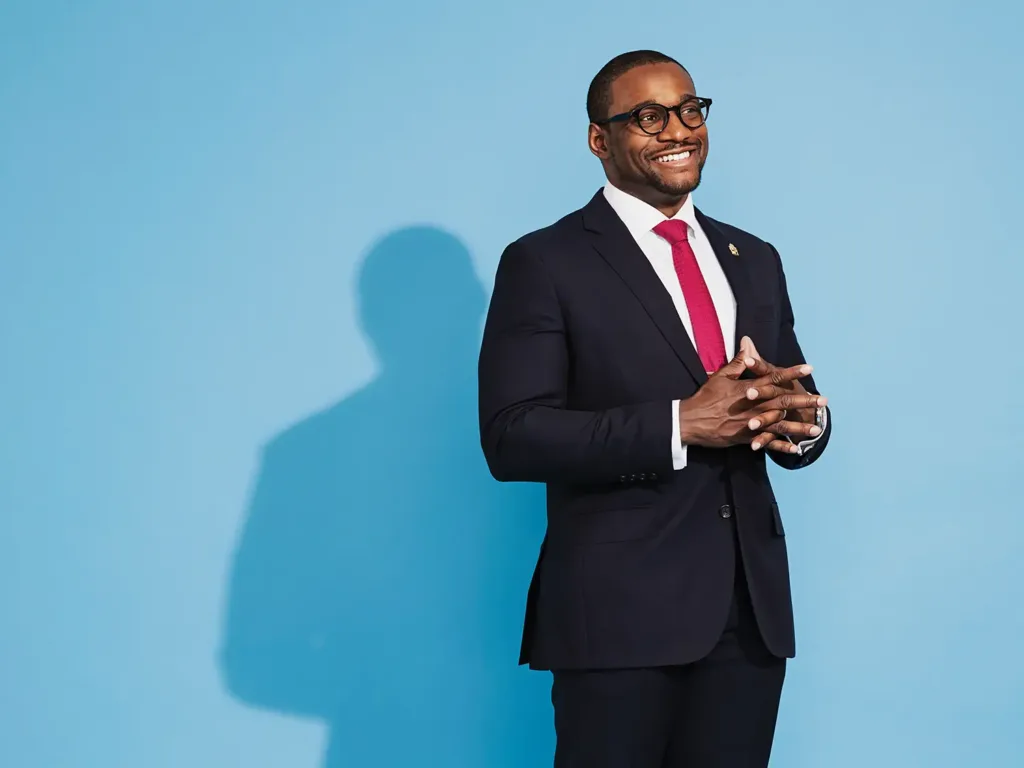
As a neurosurgeon who focuses on complex spinal surgery, Pennicooke takes a special sense of pride in helping patients. “For someone who has been progressively losing their ability to walk or has a tumor that’s pressing on their spinal cord, it’s a really tough situation,” he says. “I’ve had several patients that I’ve been able to help pretty significantly, and those are the most rewarding.” Recent innovations have also made it easier to use less-invasive medical procedures, such as fusion techniques, more opportunities for endoscopic spinal surgery, and artificial intelligence to help with surgical options.