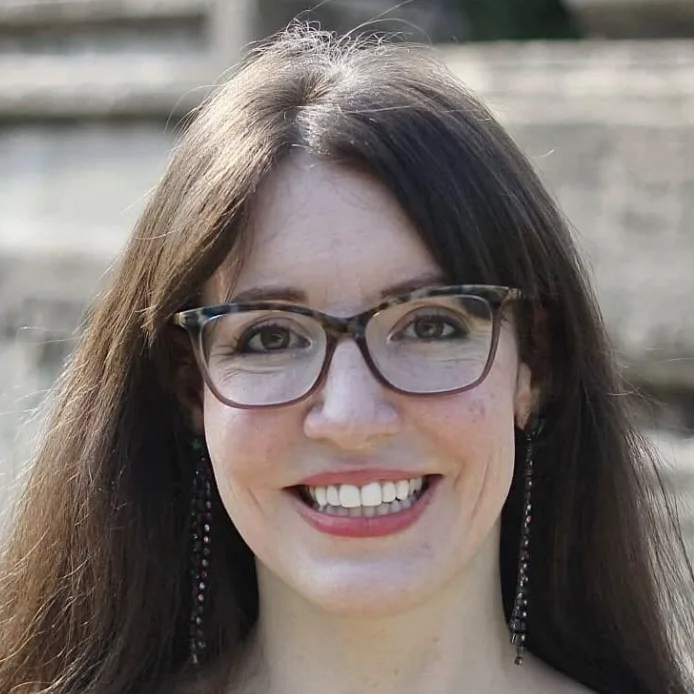
Melissa Fister turned her own experience as a survivor of domestic violence into a way to help others. In November 2021, she founded Melissa’s Home for Hope out of her St. Charles home, initially to support other survivors and later expanding her efforts to families facing hardship and people experiencing homelessness. Fister says her own journey helps her recognize those who may feel unseen or forgotten and inspires her to meet people where they are without judgment.
The St. Charles Community Spotlight is part of SLM’s free, weekly St. Charles newsletter. Sign up below to get it in your inbox every Friday.
Discover the latest St. Charles news and events
Subscribe to the St. Charles newsletter, sent every Friday
Organization: Melissa’s Home For Hope
Title: Founder
Age: 41
Hometown: St. Charles
Interests / Hobbies: Helping survivors of domestic violence, serving people experiencing homelessness, maintaining my community Blessings Box, volunteering, faith-based outreach, and spending time with my family.
What motivated you to get involved in this work/community/activity? My motivation comes from my own journey as a survivor of domestic violence and from knowing what it feels like to rebuild a life from the ground up. In November 2021, I founded Melissa’s Home for Hope out of my own home because I wanted other survivors to know they were not alone and that their story did not have to end with what happened to them. What began as a mission to support survivors has grown into serving anyone in my community who is hurting or struggling, including families facing hardship and people experiencing homelessness. Through my community Blessings Box, outreach efforts, donation drives, and direct assistance, I try to meet people where they are and help without judgment. My faith is at the center of everything I do. I believe God allowed me to turn my pain into purpose, and every person I serve is a reminder that even the hardest chapters of our lives can become a source of hope for someone else.
What values or principles guide how you show up in this role/community? Faith, compassion, dignity, consistency, and love guide the way I serve my community. I believe every person deserves to be seen, heard, and treated with respect regardless of their circumstances, past, housing status, or struggles. I do not believe in helping from a place of judgment I believe in meeting people exactly where they are and reminding them that asking for help does not make them weak or less worthy. My guiding principle is simple: If I have the ability to help, I want to help. Sometimes that means providing food, clothing, hygiene products, or emergency assistance. Other times, it means listening, advocating for someone whose voice has been ignored, or simply reminding a person that they matter. I try to serve with honesty, strong boundaries, and a heart led by God. To me, this is more than community work. It is a calling to turn compassion into action and make sure people know they have not been forgotten.
What’s the most enjoyable aspect? The most enjoyable part is seeing hope return to someone’s face. Whether I am helping a survivor begin again, feeding someone who is homeless, supporting a struggling family, or watching someone receive exactly what they needed from the Blessings Box, those moments remind me why I keep going. Knowing that a person feels seen, valued, and less alone even for one day is the greatest reward.
Can you briefly share a few standout memories? Some of my most meaningful memories include helping a survivor of sexual assault find a safe hotel room when she had nowhere else to go, watching members of the community quietly place food and supplies into the Blessings Box, and seeing children light up during our Christmas drives. I will never forget the people who arrived feeling hopeless, but left knowing that someone cared. The unexpected messages, prayers, donations, and acts of kindness from complete strangers have also shown me that one person’s compassion can inspire an entire community.
Can you share an insight about this role that most people don’t know? What most people do not see is how personal and constant this work is. Melissa’s Home for Hope is not a large organization with paid employees or a big building it is operated from my home, often using my own time, vehicle, resources, and personal space. The work does not follow business hours; people may need food, safety, encouragement, or emergency help at any time. It can be emotionally and physically exhausting, but every sacrifice becomes worthwhile when someone realizes they have not been forgotten. This work is not simply something I do it is part of who I am and the purpose God placed on my life.
What’s one key piece of advice you’ve embraced? Never forget why you started. Not everyone will understand your calling, support your work, or recognize the sacrifices happening behind the scenes. I have learned to remain obedient to what God placed on my heart instead of being distracted by criticism or waiting for applause. If you know your purpose, keep showing up even when the work is difficult and no one is watching.
What’s the greatest challenge? The greatest challenge is knowing that the need is often much greater than the resources available. It is difficult to hear someone’s story, recognize exactly what they need, and sometimes not have enough funding, supplies, housing options, or community resources to solve the problem. Because this work is deeply personal to me, I carry many of those stories in my heart. I have had to learn that I cannot save everyone, but I can still make a meaningful difference for the person standing in front of me.
Where do you find inspiration? I find inspiration in the people who are struggling silently, the ones who feel unseen, forgotten, or judged by the world. My heart recognizes them because I have been one of them. I know what it feels like to be broken, afraid, and uncertain of how you will ever rebuild your life. My own journey through domestic violence, trauma, survival, and healing inspires me to become the person I once needed. God did not waste my pain. He transformed it into purpose. Every time I meet someone standing in a painful chapter of their own story, I am reminded that where they are today does not determine where they will end up. I find inspiration in their courage to keep going and in the opportunity to look at someone the world may overlook and remind them, “I see you. You matter. Your story is not over.”
What are your future plans or ambitions? My dream is to continue growing Melissa’s Home for Hope so I can reach more survivors, struggling families, and people experiencing homelessness. I would love to eventually have a permanent location where people can come for food, clothing, hygiene products, support, resources, and most importantly a safe place where they are treated with dignity. I also hope to expand the Blessings Box outreach, build stronger community partnerships, and create more opportunities for survivors to rebuild their confidence and independence. My greatest ambition is not simply to grow an organization, but to build a lasting ministry where people feel seen, loved, and reminded that their circumstances do not define their future.