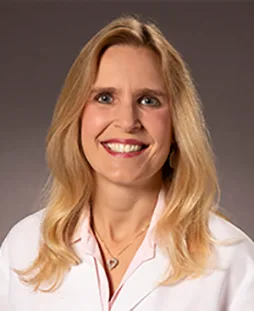
The kids need breakfast. The boss wants to know where that report is. There’s no more milk in the fridge. And the dog needs a walk. For many women, juggling multiple roles and demands adds up to a heavy load that can affect both mind and body. Dr. Amy Eichholz, an OB-GYN with SSM Health Medical Group, helps patients find ways to cope.
How do you define “mental load,” and what are some signs that a woman is struggling? I would define it as someone who, over time, has been carrying a lot of emotional baggage, and it starts to affect their physical and mental health. They appear depressed or struggling with weight loss or taking care of themselves. They don’t have time for themselves, and some physical complaints like pain or fatigue are exacerbated because they don’t have as much mental energy to cope with things that come their way.
So is this more common among certain groups or patient profiles? I see this in a significant amount of my perimenopausal and menopausal patient population. Some of them are in the “sandwich generation”: caring for sick or elderly parents, almost done raising their own family, and still trying to maintain their career. Then there are the hormonal changes, so they’re fighting poor sleep, weight gain, night sweats, hot flashes, aches and pains, and irritability.
When you have a patient struggling with a heavy mental load, what do you recommend? We offer counseling, and my practice has various resources and professionals we can refer patients to. I also recommend rest, exercise, and a healthy diet. I definitely try to help patients address their overall quality of life, and for some, hormones are the direction we need to go. I also offer patients a list of over-the-counter herbal remedies, which are very safe options—they just might not be enough for everyone. It’s really a matter of meeting people where they are and addressing how much relief they need.
Your guide to a healthier, happier you
Sign up for the St. Louis Wellness newsletter and get practical tips for a balanced, healthy life in St. Louis.
What can women do to help prevent our mental load from becoming detrimental, and what works for you? Unfortunately, a lot of people are overweight, so at most visits, I encourage patients to get some exercise in their day and address dietary choices. For instance, I like to run for exercise and do a lot of stretching to keep my joints healthy. I’m very diligent in maintaining that, and it makes a huge difference in my day-to-day outlook—just getting some fresh air. I also have protected time that I really preserve to decompress and rejuvenate, and I recognize that’s not a bad thing because it helps me be my best self.
What’s the most important piece of advice you have for women with a heavy mental load? Advocate for yourself. Don’t hide it if you feel bad, and don’t be shy about talking to your doctor and getting some counseling.