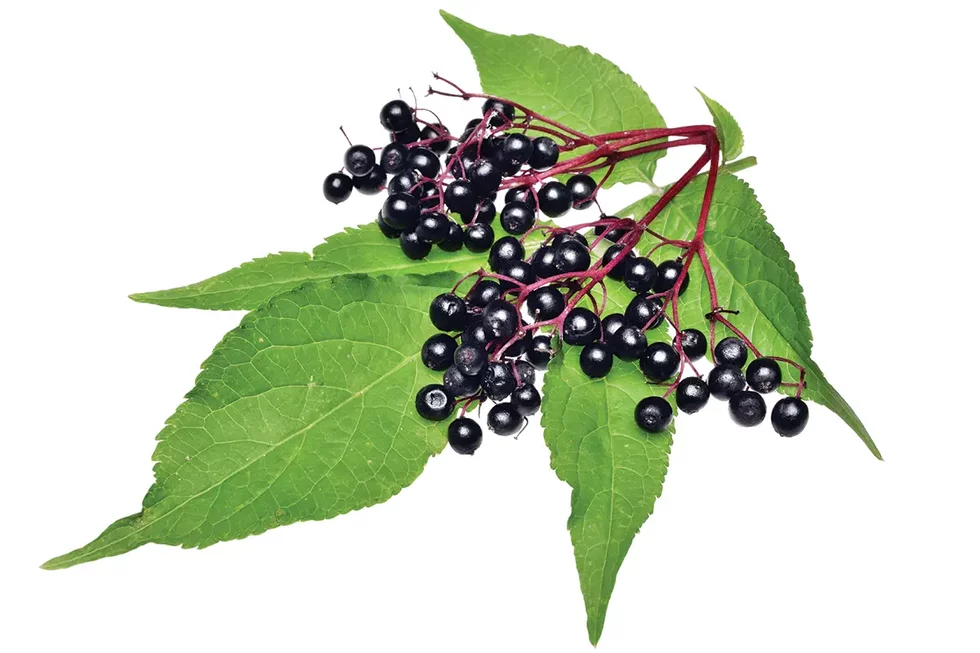
It grows wild in creeks, along roadside ditches, and even in the hills and glens of Forest Park. Native to Missouri, elderberry is so common and prolific that you can spot it just about anywhere in the state. It’s a leafy shrub that produces cones of lacy, white blossoms in the spring. As the blossoms grow into ripening berries, the stems turn rhubarb red, and the green berries turn dark purple.
It’s not only pretty, but it’s also pretty profitable. In 2020 alone, consumers in the United States spent roughly $300 million on elderberry supplements, largely due to its purported immune-bolstering effects. Between ever-increasing medical costs and a pandemic, many are turning to natural remedies to address health issues. Now, as interest surges, could Missouri be positioned to become the global capital for elderberry production?
Your guide to a healthier, happier you
Sign up for the St. Louis Wellness newsletter and get practical tips for a balanced, healthy life in St. Louis.
Just outside of Hermann sits a 150-acre farm where Emilia Rizzuto and Susan Smith of All Things Elderberry planted a young grove two years ago with big ambitions. Over the years, they’ve each dealt with their own health issues that have turned them toward nonpharmaceutical therapies, such as elderberry. Smith and Rizzuto started making an elderberry elixir on the kitchen stove, and eventually hit the farmers market circuit and watched their business grow. “At first, people assumed we were selling elderberry syrup for pancakes,” Smith says. “I told them, ‘No, this is an elixir—a medicinal product.’” It’s been viewed that way since 400 B.C., when Hippocrates called the elder plant his “medicine chest” because of its wide variety of applications.
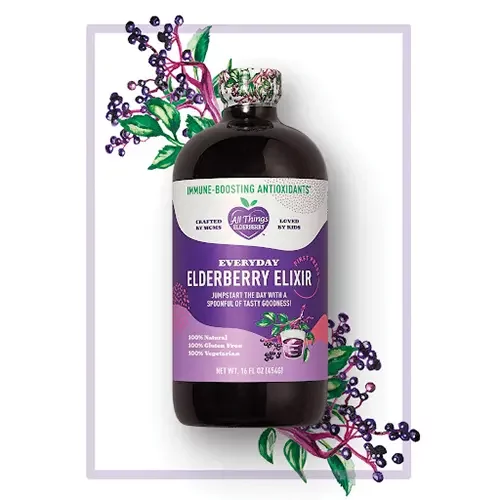
Smith and Rizzuto advise customers to keep the elixir in the pantry. They say, for instance, if someone wakes up sick, regular 1 tablespoon swigs could help ease symptoms. They’ve sold more than 10,000 bottles and offer gummies, jam, honey, and teas, with near-unlimited culinary applications: elderberry smoothies, elderberry martinis, elderberry everything.
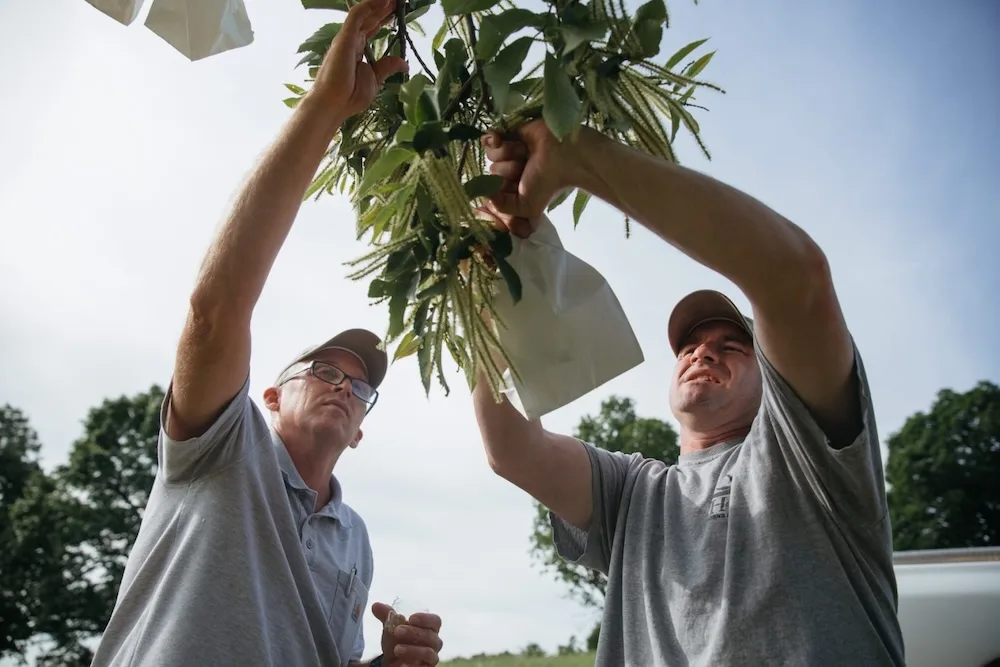
Recently, at the University of Missouri–Columbia, professor Andrew Thomas received a Specialty Crop Research Initiative grant—$5.3 million across four years—to study elderberries as a specialty crop for Missouri. “Elderberry-based dietary supplement product sales have skyrocketed because of their well-known health benefits,” Thomas says. “But there’s not nearly enough research.” According to Thomas, what’s been done suggests there are general benefits to brain health. There’s also academic research that supports elderberry’s ability to speed up stroke recovery. Some hope to use it to produce a new class of antivirals. Further human trials in brain health are underway, but a study using laboratory mice aims to measure how elderberry combined with DHA oil (found in fish oil) may help patients with dementia.
Still, there’s much left to learn about elderberry, both its potential as a major cash crop and as a potential medicinal tool. “Elderberry is not advanced at all in terms of cultivar development,” Thomas says. “We are jump-starting the project with a very basic, foundational breeding program, while concurrently using modern technologies to set the stage for much more sophisticated genetic advancements down the line.”
FYI: Find more info at allthingselderberry.com.