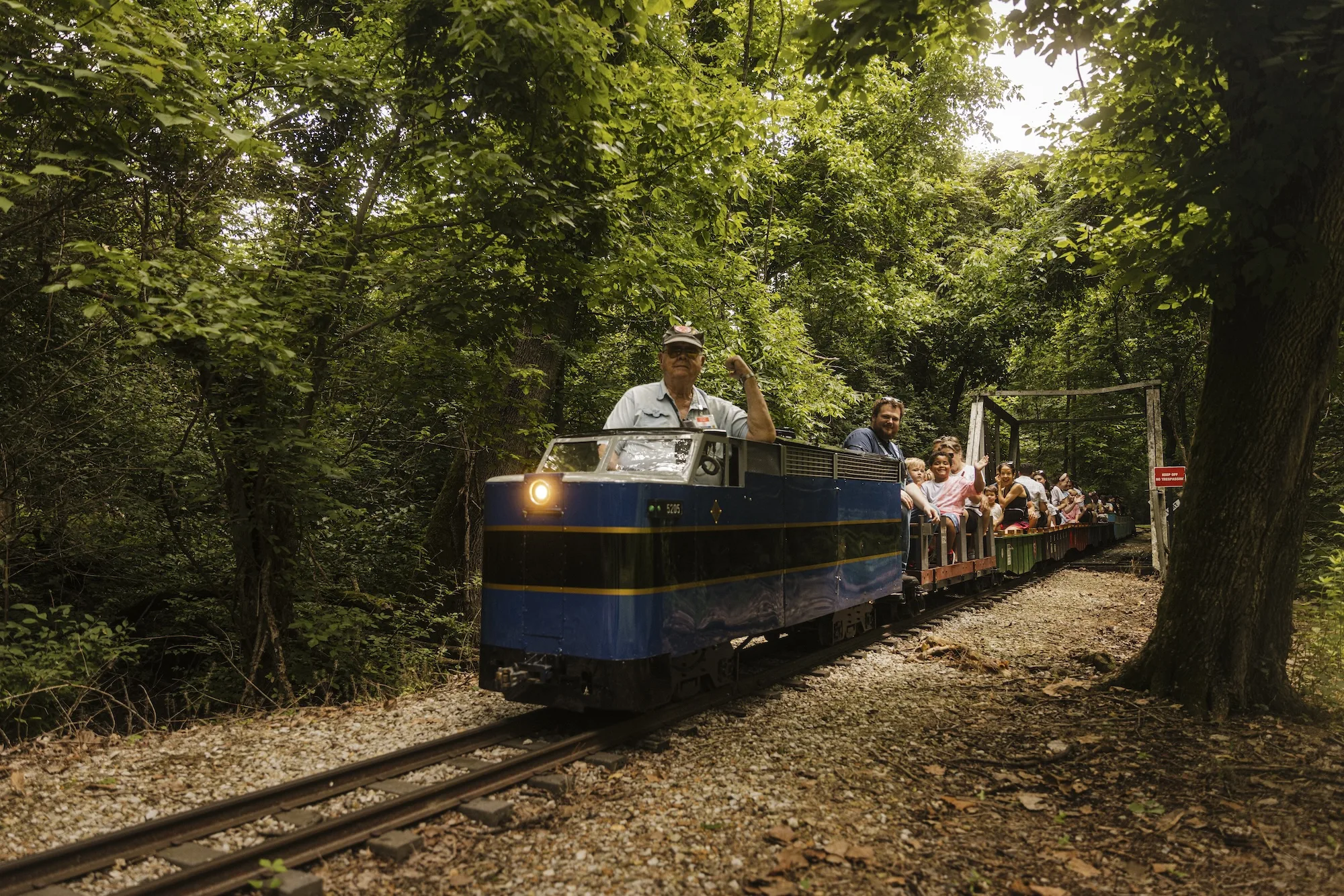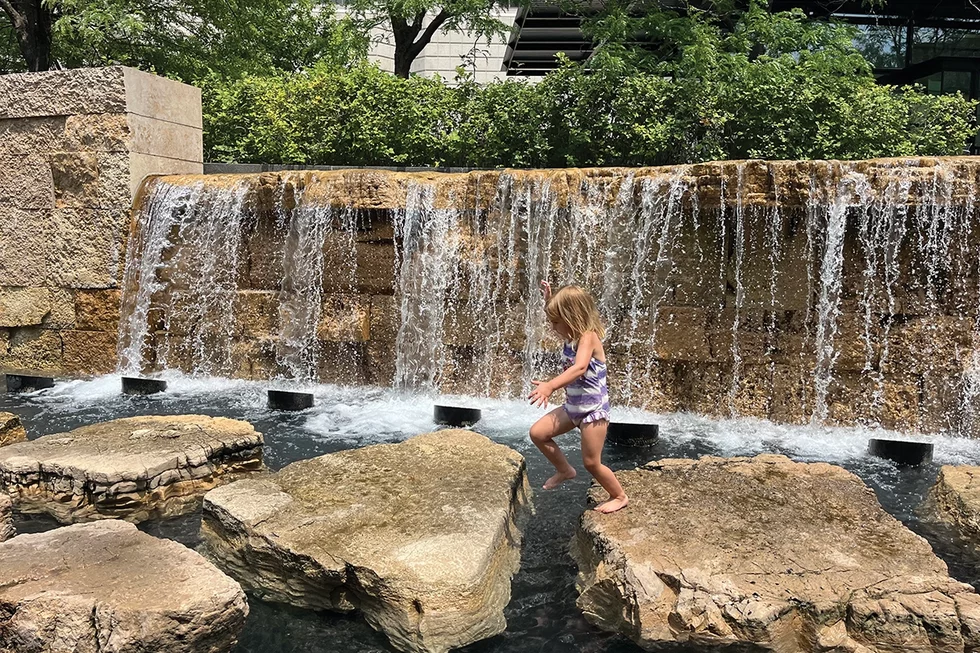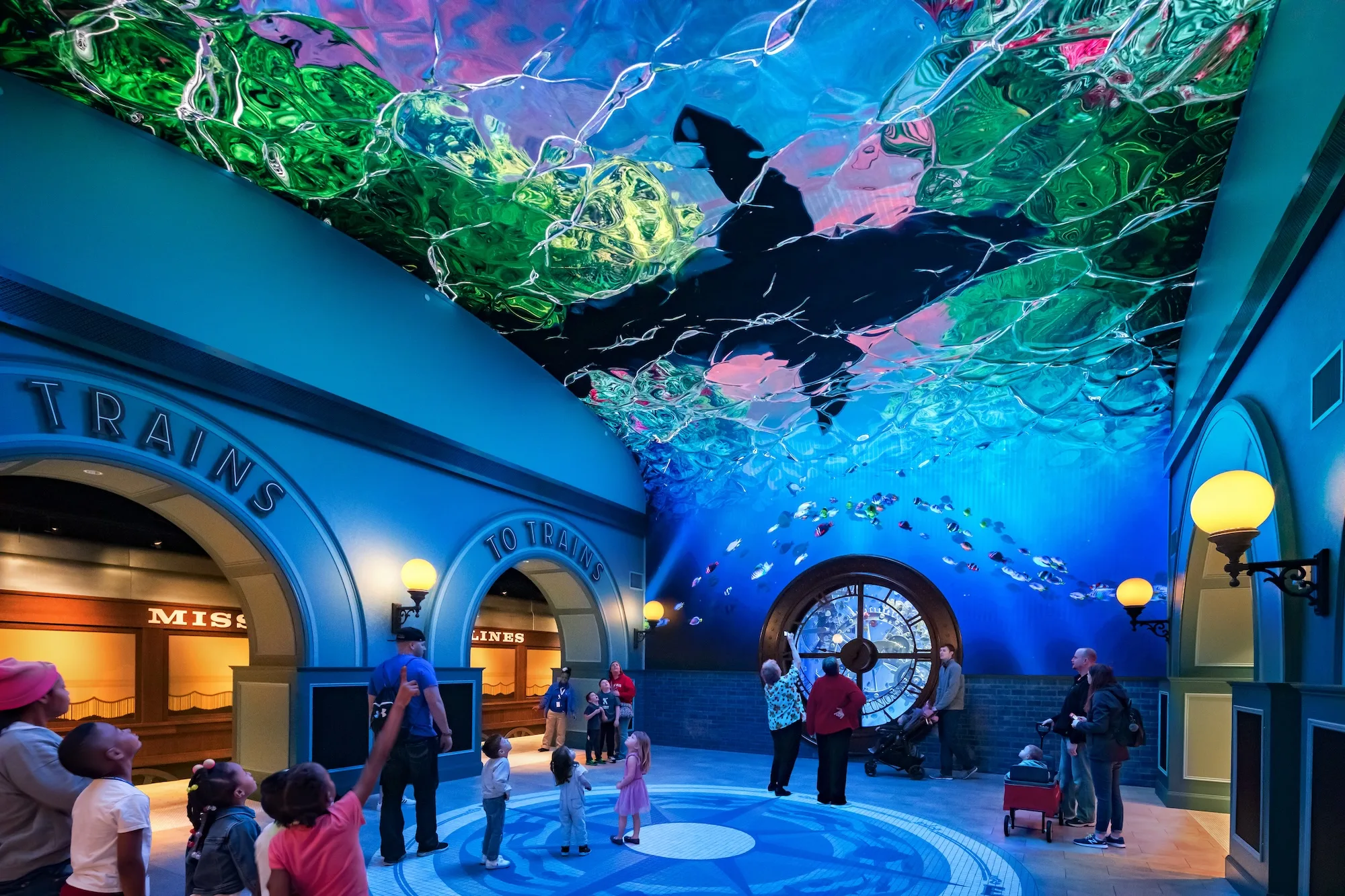
For some, it’s their baby’s first trip to the St. Louis Aquarium—watching their eyes shine as fish swim overhead. For others, it’s seeing their dad light up while reminiscing at the Cardinals Hall of Fame and Museum. For many, it’s the summertime tradition of polar bears, penguins, and primates at the Saint Louis Zoo.
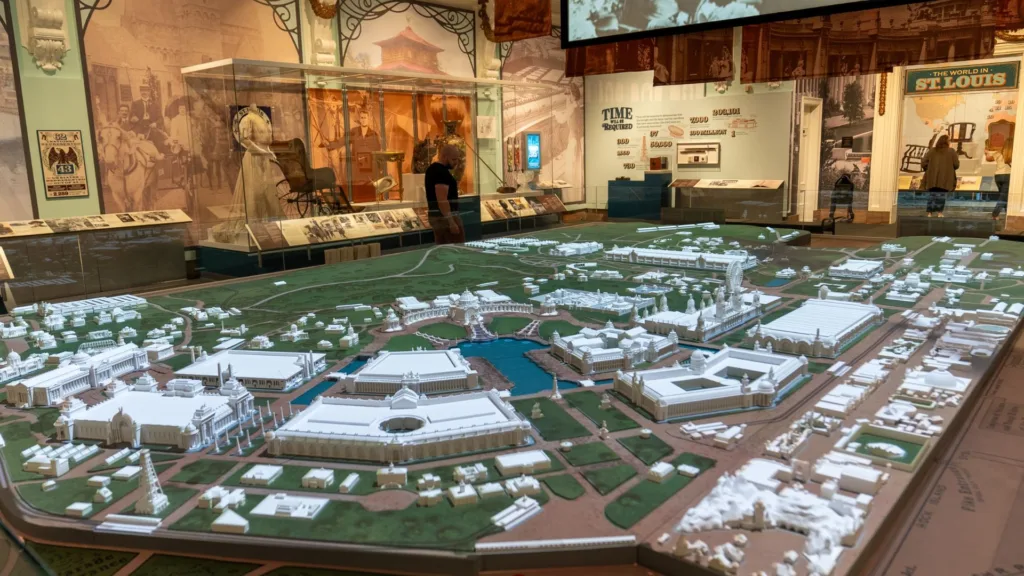
Whether they know it or not, a majority of St. Louisans have cherished family memories that were thoughtfully shaped by PGAV Destinations, the St. Louis–based company behind many of the world’s most renowned family attractions. Known in the industry as a one-stop shop that can “create things that don’t exist,” the firm’s accomplishments include the St. Louis Aquarium, multiple Saint Louis Zoo exhibits, the Missouri History Museum’s 1904 World’s Fair exhibit, and the Cardinals Hall of Fame and Museum, as well as the forthcoming WildCare Park, Union Station’s amusement park, and more Missouri History Museum exhibits.
Discover fun things to do with the family
Subscribe to the St. Louis Family newsletter for family-friendly things to do and news for local parents, sent every Monday.
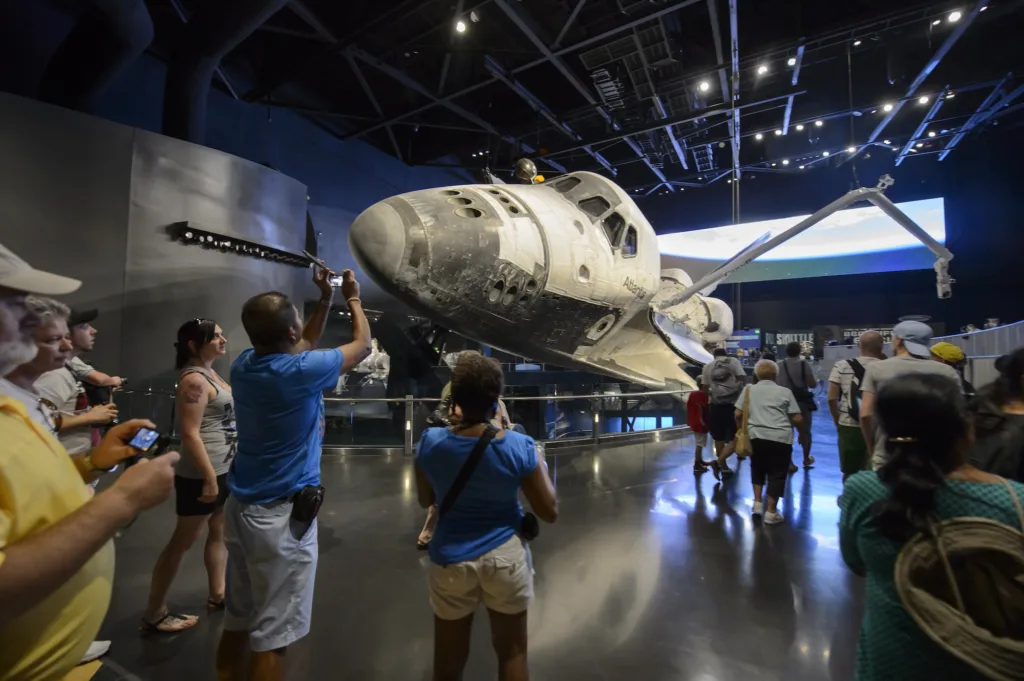
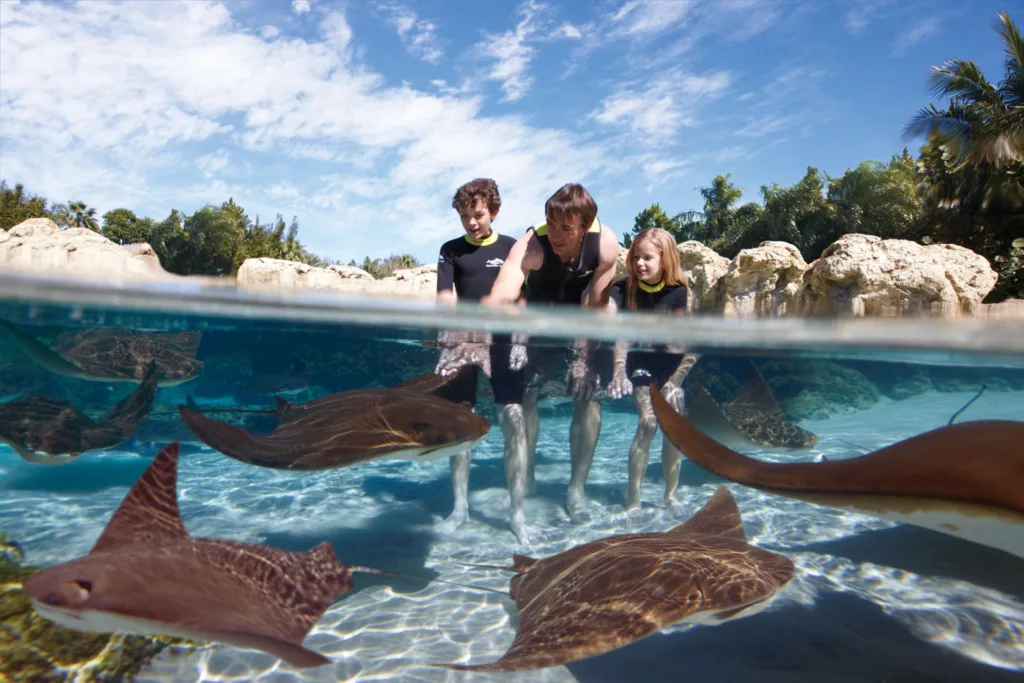
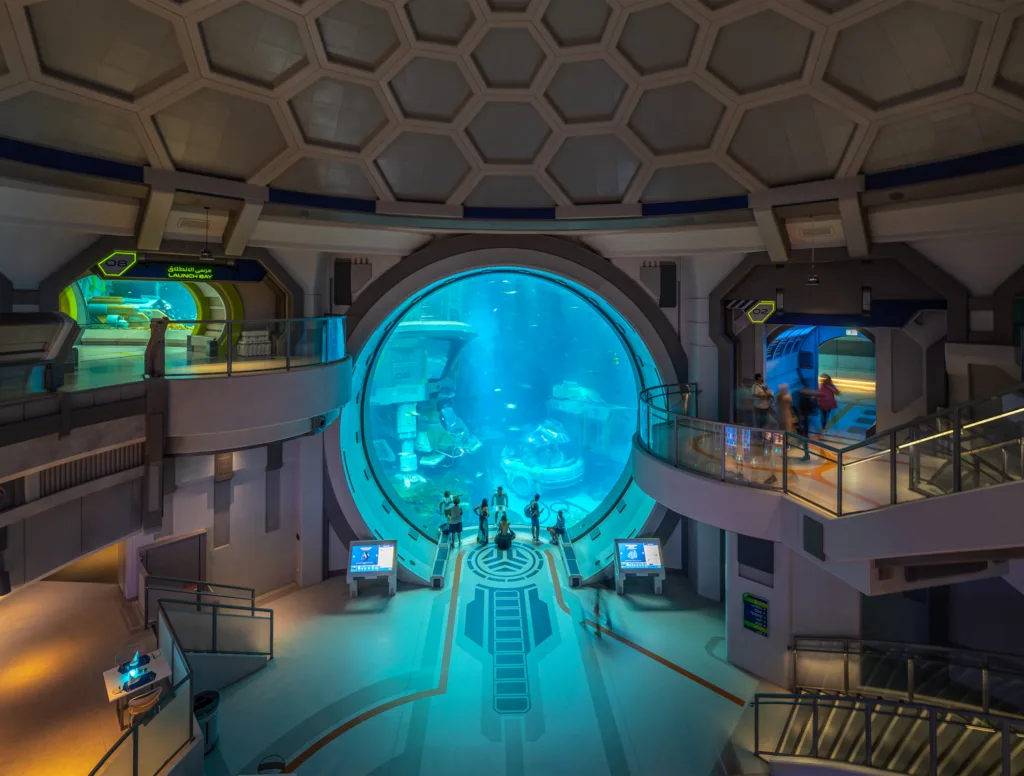
Among the team’s destinations beyond St. Louis: SeaWorld Abu Dhabi; the Smithsonian’s forthcoming National Air and Space Museum renovation; Discovery Cove, Space Shuttle Atlantis at Kennedy Space Center, and Busch Gardens in Florida; and Europe’s PortAventura World and Ferrari Land; among others. PGAV has built three of the biggest aquariums on Earth; China’s Chimelong Ocean Kingdom, one of the most attended theme parks in the world; and Guardians of the Galaxy: Cosmic Rewind at EPCOT.
Curating Memories
So what’s the recipe for creating a successful family attraction? PGAV principal Tom Marschner says it’s time (many of their projects are years in the making), a diverse team (designers, engineers, history or animal experts), and attention to detail.
While creating zoo exhibits, for example, Marschner’s team works with animal care professionals to ensure the healthiest, most enriching environment possible while incorporating many value-adding boundaries and experiential features that guests may never notice.
“I heard a kid say while visiting our Columbus Zoo exhibit [that we designed to appear as open as possible], ‘How come the lion doesn’t eat the giraffe?’ And the adult answered, ‘Oh, because they’re well-fed,’” Marschner recalls with a laugh. “I just want to be like, No, no, no, there’s a 16-foot barrier there that we’ve spent a lot of time planning and executing safely.”
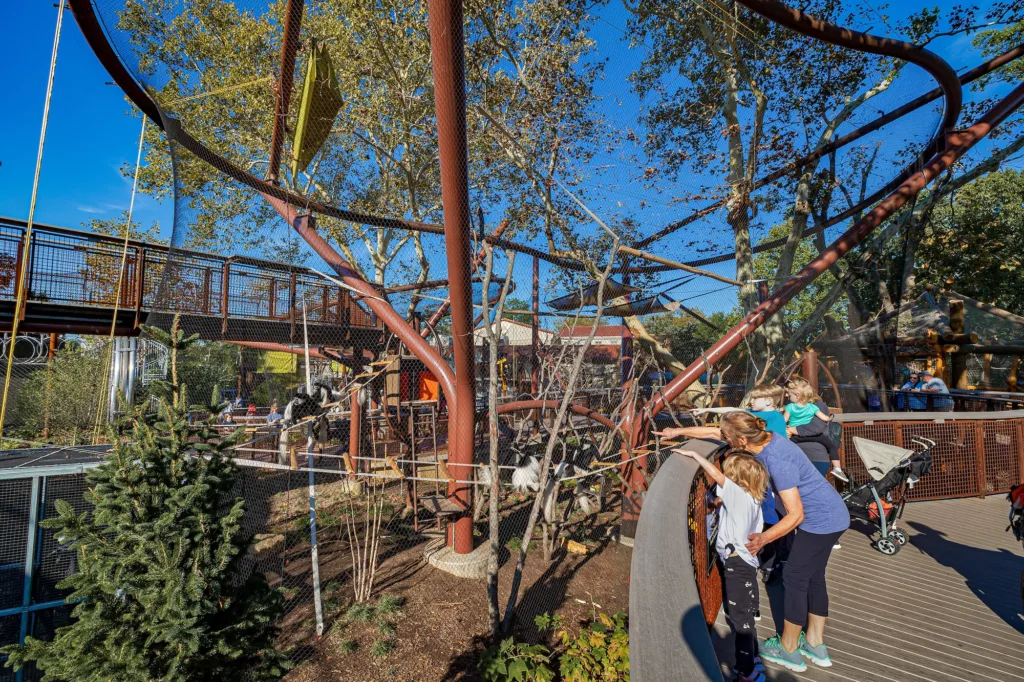
For guests, the idea is to remove any barriers that might prohibit a seamless experience. “We take a lot of time with things like operational models and thinking about how long somebody might dwell at a particular exhibit, no matter if it’s a zoo or an aquarium or museum,” principal Diane Lochner says. “There’s a lot of consideration around the arrival experience, the ticketing experience, etcetera. The guests don’t see it, but what happens is they have a better experience because they’re not dealing with this uncomfortable processing piece. They get right into the exhibits and really begin their day.”
Much of PGAV’s design architecture begins with honoring a story or a history that is multidimensional by utilizing top-of-the-line technology to tell the tale. “We take the point of view that the broadest spectrum of people will go and wherever they arrive—whether they’re an expert in a piece of history that we’re talking about, a topic we’re talking about, or whatever—we’re going to help elevate it to the next level,” says chairman and principal Mike Konzen. “Honestly, more often than not, like in the immersive 1904 exhibit, for example, technology is there to help evoke the story.”
Another aspect of the PGAV planning process involves internal research on family travel. For instance, multigenerational travel is on the rise, quality time and shopping are more important destination requirements than thrill-seeking or interactive experiences for many families, and children frequently help decide travel plans. PGAV’s design team—which includes parents of kids of multiple ages and interests—often uses their own families as informal focus groups, reflecting on favorite family experiences.
“What does family travel mean? What’s it look like? How do you design to make sure that whatever you’re designing is good for everyone?” creative writer and researcher Dawn Jasper says. “Not everybody wants to ride the most thrilling roller coaster. So what do people do, so they’re still involved and can be together as a family?”
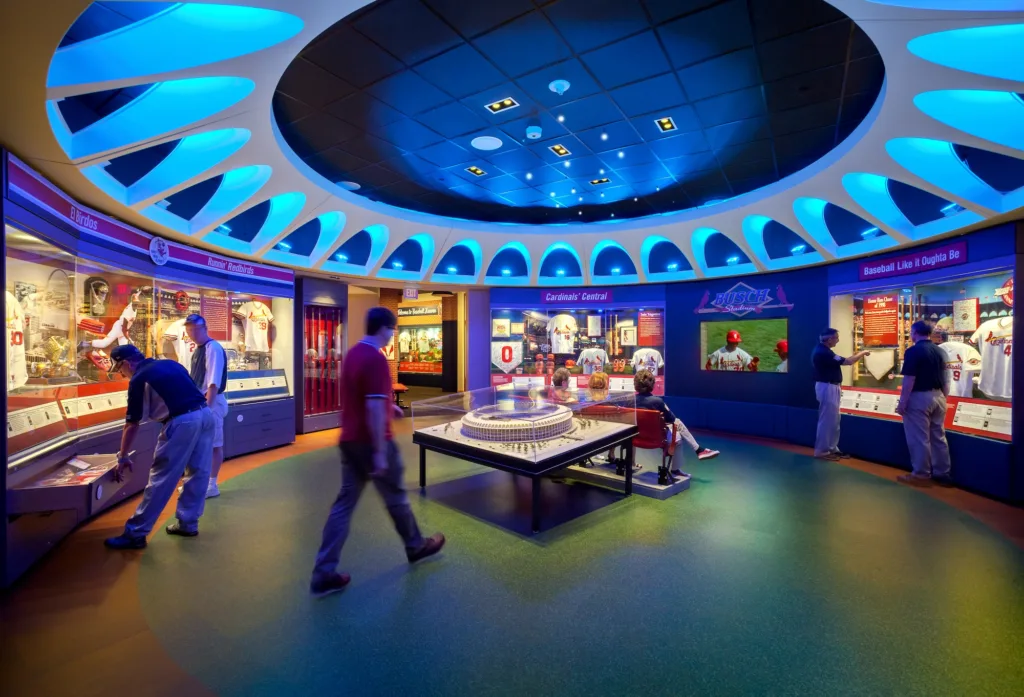
Multigenerational appeal played a key role in the design of the Cardinals Museum, for instance. “If you’re there with your parents, you see the sort of moment in Cardinals history that meant a lot to that person,” Konzen says. “They get to share that with you, and it’s personal. My father grew up going to Sportsman’s Park—he was part of the Knothole Gang. We went there with him and with my kids, and that was a beautiful moment. I think you can see that in pretty much all of our projects: creating those moments that become multigenerational magic.”
It’s a responsibility that the PGAV team takes seriously, Konzen adds: “We know that the moment of their life that we’re dealing with—that little piece of leisure time—could be very, very special to them for their entire life.”
Behind the Scenes
The employee-led firm’s perks align with its family-friendly approach. Its employee growth program, PGAV GO, provides employees with a yearly stipend for personal development. “A lot of people use it for travel, especially to go see projects that we’ve worked on,” Jasper says. “I’m using it this year to take my kids to Disney World. Last year, I used it for a writer’s retreat. One of my colleagues is using it for skydiving lessons. You can take a class, travel, learn a new skill, or sign up for memberships to the zoo or the aquarium.”
Designed by PGAV, the company’s downtown office space boasts a patio where the team converges to grill during Meat Sweat Fridays, as well as a “hive” space for viewing 3-D walkthroughs of forthcoming attractions, modeling and textile workshops, and flex work spaces.
The PGAV team is composed of more than 150 people who work in offices in St. Louis, Kansas City, and Orlando. Most work in the office to foster the business’ collaborative nature. Three times in the company’s history, its offices closed for a week to take employees—and their families—to a PGAV-designed attraction.
Midwestern Roots
Konzen attributes much of PGAV’s success to its St. Louis roots. “It’s our Midwest upbringing,” he says. “We are fairly humble in our thinking, and we’re also very empathetic in the approach to our attractions. We really make sure that we’re putting ourselves in our visitors’ shoes, especially in the attractions in St. Louis, because this is our hometown, so we want to take our family and friends and brag about these attractions here… It’s special when we can shape the cultural landscape of this place.”
For those who have experienced all of PGAV’s local attractions and want more, the team recommends drivable destinations such as the Columbus Zoo’s “Heart of Africa” and “North America Trek” exhibits; Big Cedar Lodge and the Wonders Of Wildlife National Museum & Aquarium in southwest Missouri; and the Mark Twain house in Hannibal.
The PGAV team will often brainstorm about dream projects—they have a gallery devoted to the subject in their office. Konzen would flip like an upside-down concrete for the ability to design a Ted Drewes Museum, for instance, and principal Ashley Edelbrock says she would love to take a crack at a European-style family summer camp-style resort in St. Louis.
“That’s part of our DNA,” Konzen says. “The willingness—and the desire—to tackle things that are just really new to us.”
The fact that PGAV is based in St. Louis is no accident. It’s a chicken-or-egg question: Is PGAV in St. Louis because it is a family-friendly city, or did PGAV’s work actually make St. Louis the family-friendly city we know and love?
“There’s a sense of pride in being from St. Louis,” Edelbrock says. “No matter where in the region you’re from, St. Louisans just love St. Louis. You love everything about it, from the Cardinals to the museum district to the zoo… A lot of cities don’t have that. When people here say they’re going to St. Louis, it’s so easy to say, ‘Here are at least 10 things you have to do, and they’re all affordable.’”
But as Konzen will say, PGAV isn’t alone in world-class talent. “We’re among the best in the world at what we do,” he says. “I’m not kidding you when I say that. I think it’s important to say because I want people to know that such organizations exist here. I think it’s really important that people become more aware, as a matter of civic pride… Downtown’s full of amazing businesses that do amazing things, and we are part of that.”
Learn more about PGAV on The 314 Podcast.