Is there a reason that so many restaurant chairs and barstools are so uncomfortable? —Mark B., St. Louis
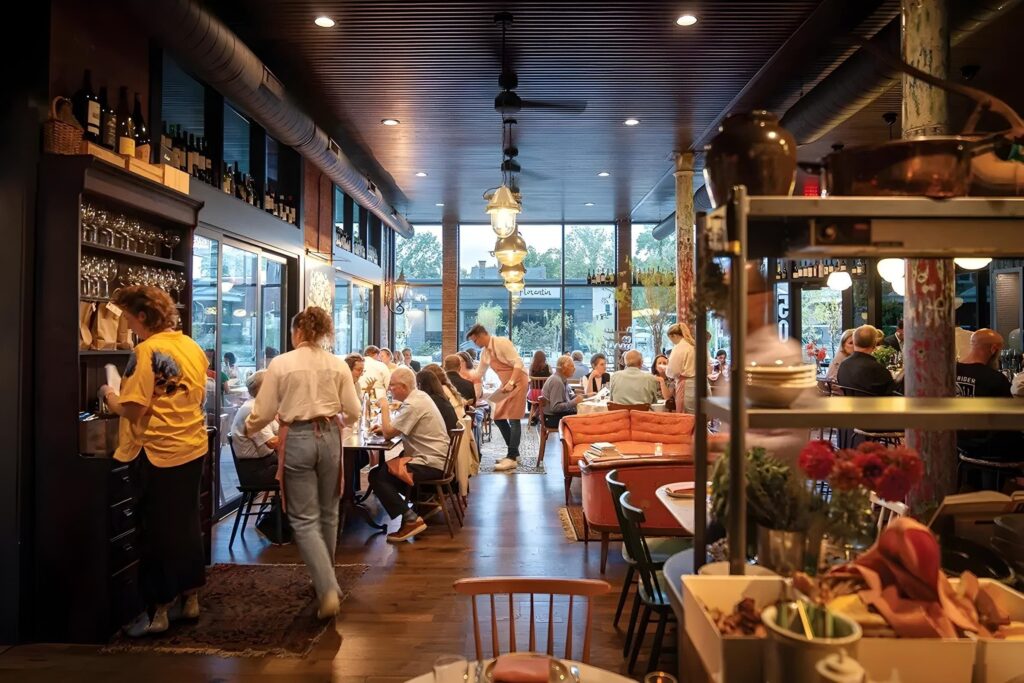
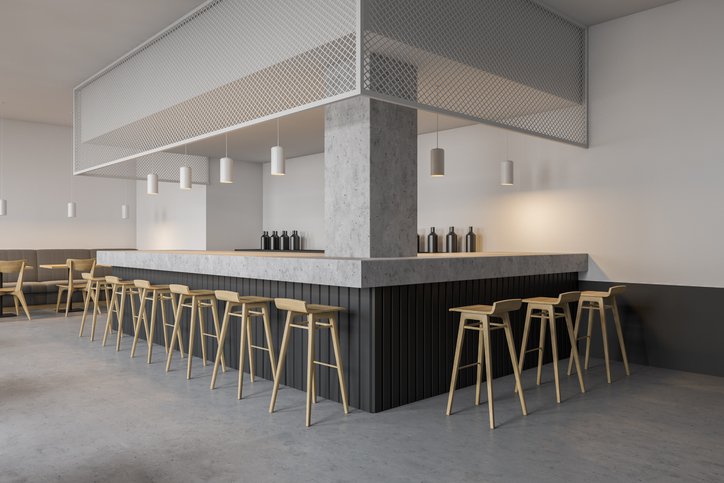
The questioner recently saw photos of chairs in a new restaurant and thought he “may be good for 20 minutes.” He then thought of three other restaurants with similar chairs—and three bars with horrible bar stools. His conclusion: Restaurant operators must put little thought into the comfort of their furniture.
Find the best food in St. Louis
Subscribe to the St. Louis Dining In and Dining Out newsletters to stay up-to-date on the local restaurant and culinary scene.
Before jumping off my rickety, undersized, backless barstool screaming and fist-pumping in total agreement, I asked several local designers to assess chair selection in restaurants.
Shelly Satke Niemeier, SPACE: “When working with restaurant clients, we handle the entire space, including furniture. We’re careful to ensure everything looks cohesive and meets quality standards, so it doesn’t need quick replacement. This is especially crucial in fine dining, where guests sit for long periods. We bring in sample chairs for clients to assess quality and comfort, addressing details like angled back legs that might stick out into a circulation path or a ‘cleanout’ gap for crumbs, which is helpful. We never have a carte blanche budget, so we ask about limits and find the best, most durable pieces. If clients feel ‘budget fatigue’ after other expenses, we remind them that furniture is a guest-facing element, worth the investment. We consider the typical clientele—whether older guests or families with children—and we’re flexible, assessing auction finds or used furniture to see if they can fit the space. We rarely have clients who have overly specific ideas on furniture, unless it’s a case of having extra furniture from a previous job they would like to use in a space. We’ve had some designs go sideways because we didn’t play a hand in selection, so the overall look of the restaurant suffered. It really is the finishing touch on a beautiful space. But generally, most restaurateurs want and ask for guidance because it is such a large budgetary item when building a new restaurant.”
Lori Olsen, RDG Planning & Design: “Designing seating requires balancing style, comfort, and budget. Stylish chairs may look appealing but can sacrifice ergonomics. Unique shapes and sleek lines, while striking, don’t always offer necessary support. Budget is key for owners, but the dining concept often guides furniture choice. For Sugarfire 55, a fast-casual spot, metal, streamlined chairs suit quicker turnover. Meanwhile, venues like Rosalita’s Cantina or Let It Fly (a sports bar in Omaha) use padded seating that invites guests to linger and enjoy another drink. We advise clients that even for quick turnover, cheaper seating wears out faster. Investing in quality seating can improve guest experience and make them more likely to return.”
Aleksandr Sasha Malinich, S.AMD: “Personally, my decisions and design process are fluid, instinctual, and primarily driven by my life experiences. Each decision is thoughtfully informed by client conversations with precedent imagery. It’s crucial to understand the owners’ vision (early in the process), along with operational needs and budget first, then provide furniture selections that dialogue well with our design language. Comfort and discomfort is purely subjective. People are made in all sorts of shapes and sizes. A particular chair may be comfortable to a specific person but also may be uncomfortable to another. In the end, my clients trust in the design process and expect that we choose responsibly for them. Unfortunately, many owners like to choose chairs, which are cost-effective and performance-driven (i.e. durable and easily cleanable, stackable, and meet BIFMA and fire ratings). Sadly, many of these chairs are not the most comfortable for many guests.”
Peter Tao, TAO + LEE Associates: “The contract furniture industry offers a vast range of designs, comfort levels, and durability. With copycat options in the mix, choices can feel overwhelming. When we’re involved in projects that need furniture, we ensure each piece complements the space’s overall design and seek out vendors that match the aesthetic. We recommend clients test sample chairs for comfort, sometimes even stress-testing them. We also request a range of options by price. Ultimately, while preferences matter, price often drives the decision. I like to share a story about shopping at Beijing’s Silk Street, where one could shop for anything fake. I went with my daughter to look at some ‘leather’ products. The very friendly salesperson brought us a range of examples, asking us if we wanted cheap, better than cheap, a good fake, or a really good fake. Bottom line: You get what you pay for, and at the end of the day, the client may say, ‘Oh, I found something cheaper online.’”
Patrick Knobloch. Mademan Design: “We don’t often specify furniture, but several factors influence a restaurant’s choice: cost, aesthetics, ergonomics, comfort, durability, ease of cleaning, desired experience, and target demographics. The final selection should balance these priorities to best suit the business. While no restaurateur wants patrons to feel uncomfortable, quick table turnover is often part of the business model. I’m certainly not defending bad selections/design, but in our experience, clients are typically very mindful about their choices.”
Follow George on X, Instagram, his Arch Eats podcast, or send him an “Ask George” email at [email protected]. For more from St. Louis Magazine, subscribe, sign up for the newsletters, or follow us on Facebook, X, and Instagram.