Hiring a designer to finish a room is a luxury not everyone can afford. But when you do tap their talents, more often than not, you’ll find yourself thrilled by the results. Credit it to their eye for detail, their access to a wealth of materials, and their experience in the world of fabrics, finishes, floorings, furnishings, flourishes, and fine design.
1. Follow the trends in small, changeable ways. Accessories like pillows, lamps, and rugs will allow you to stay up-to-date easily. —Ellen Albee, Phillips Furniture
Get a weekly dose of home and style inspiration
Subscribe to the St. Louis Design+Home newsletter to explore the latest stories from the local interior design, fashion, and retail scene.
2. Liven up your staircase by adding some color to your stair risers. Choose to paint them a complementary color to your walls, cover them in an exciting wallcovering, or—if you’re the adventurous type—choose a color from your home’s color story and paint them in an ombré pattern. It’s a small change with a large impact. —Diane Breckenridge-Barrett, Diane Breckenridge Interiors
3. For a small space, I love the dominance of white—white furniture and white walls. You can easily transform a room by simply changing the area rug. For walls, use an overscale mirror to create depth and the illusion of space. Group pictures and photos in vignettes for added interest. —Cindy Barnes, Cindy Conners Interiors
4. Remember your dining chairs when it comes to pillows. Pillows are an easy way to make dining more intimate. —Sue Callahan, The Designing Block
5. Rather than hunting for vintage cabinets, use old windows and glass doors, and have your contractor build your own. —Kelley Barr, k. hall designs
6. Area rugs can give rooms personality. On hard surfaces, rugs are necessary for comfort and for reducing echo, but you can also lay a rug on top of broadloom carpeting. Either way, the area rug can beautifully define the room with color, pattern, and texture. —Nancy Barrett, Beautiful Rooms
7. Make a standard frameless mirror look vintage and built-in with the use of 1- by 3-inch pine strips, softened at the edges, painted the same color as the wall, and placed around the sides. Similarly, add interest and depth to a dull wall by placing boards in rectangular shapes around mirrors and fixtures. The look is subtle but effective. —Barr, k. hall designs
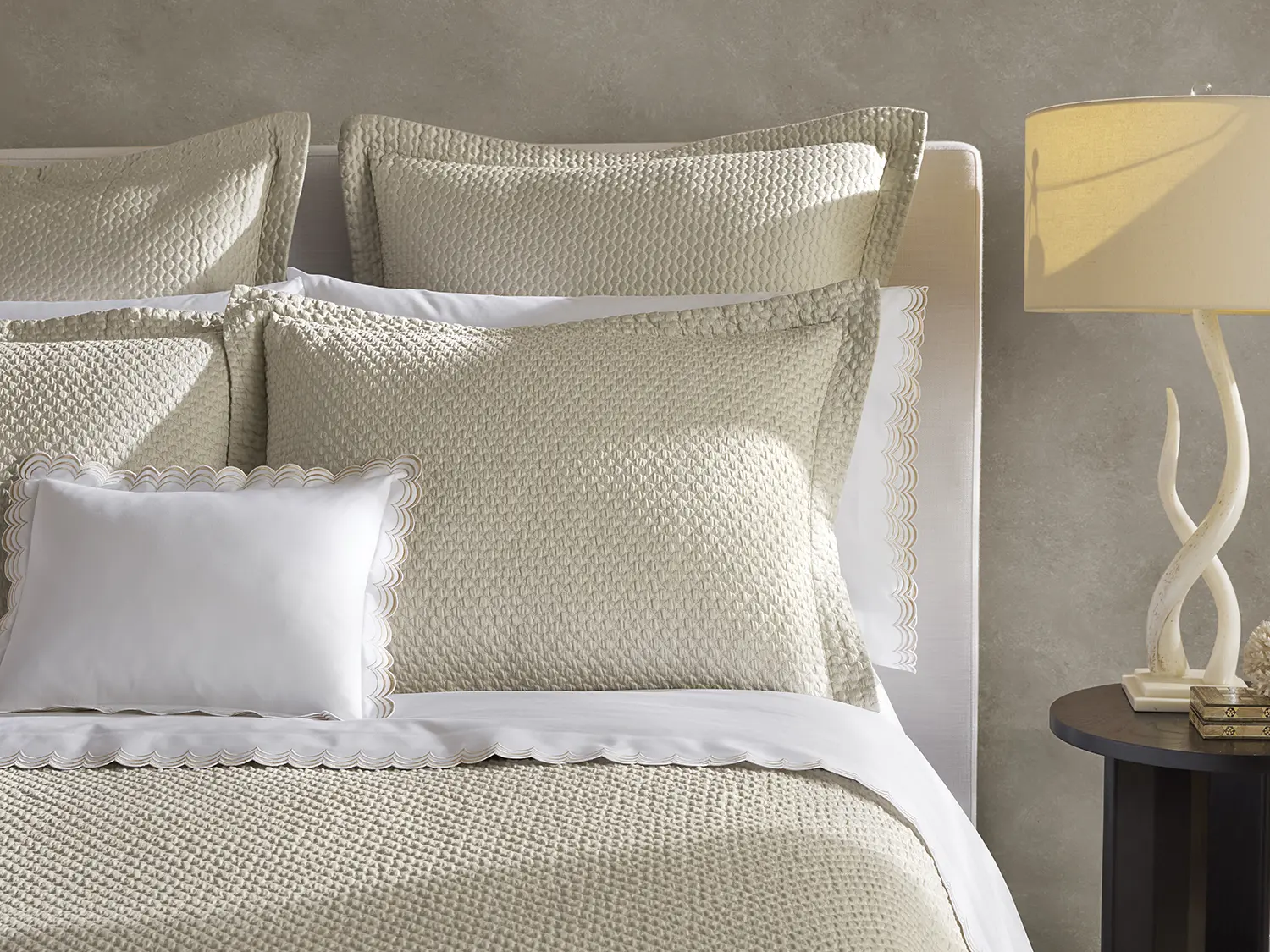
8. Use pillows with contrasting colors on front and back, so they can be flipped with the season. —Cindy Kistner, G.M. Doveikis & Associates
9. Adding a dramatic patterned chair in the living room or a pair of chairs in the dining room are great ways to stretch your budget and capture a designer look. And don’t forget that a room is changed most dramatically and cheaply with paint. —Elizabeth Kreienkamp, Phillips Furniture
10. One of the fundamental principles that can take a room from good to great has to do with establishing the right focal point. The more obvious focal points are architectural features such as a large window or fireplace. If your room doesn’t have one of these, don’t despair. You can create a focal point with a fabulous piece of artwork or unique furniture piece. After establishing your focal point, arrange your furniture symmetrically around it, which will establish the balance and harmony that are signatures of an exceptional room. —Emily Castle, Castle Design
11. Every room needs three things: mirrors, candles, and flowers. —Kay Hagan, Hagan Associates
12. Use nice platters and plates to bring color to a room. Hang a small grouping of different sizes on a wall (or even all over the wall) or place them on plate stands or bookshelves. Colorful plates can be found at flea markets and are a very inexpensive way to add interest to a space. —Teresa Drury, Textures Interior Design
13. When you are dealing with accessories, think waterfall. Put the biggest things at the back or above, and flow down from there. That way, nothing gets lost. —Catherine Geyer, Catherine Geyer Designs
14. Fresh flowers. Crisp linens. —Heather Helms, Interior Elements Design
15. Remember to layer light. There are three types of light: accent, ambient, and task. For the best effect and to fulfill all needs, all three should be present in a room. —Geyer, Catherine Geyer Designs
16. Always start a room with something you really love (a rug, a painting, etc.). That way, you set the style and color and have something to work with. —Amena Zamora, Amena Zamora Designs
17. Remember that collaborative design brings about the best results. Clients tend to consult a contractor before a designer, but for the very best design-driven results, you need a good design professional right from the start who provides a team of contractors and vendors. —Dana King, Next Project Studio
18. Lighting art correctly brings the piece to life and makes the room sparkle. The correct light must be placed at the correct distance and angle, according to the height of the room and the size and placement of art on the wall. To determine placement, draw a line from the ceiling 30 degrees down to the center of the artwork, which will determine how far from the wall the fixture should be located. —Jane Ganz, Directions In Design
19. A guest bathroom is the one room everyone sees. If your children are the most important thing in your life, hang their art in there. It will have guests’ undivided attention. And don’t forget to stuff the bathroom full of everything the guest might need but forgets to bring. —CJ Knapp, Savvy Surrounding Style
20. Reflective materials—incorporate them into your space. Mirrors, chandeliers, and other glass elements add qualities that open up a room and introduce a touch of glamour. —Mandi Gray, Restoration Hardware
21. If you don’t know what size sofa or end table to purchase, lay large trash bags out on the floor, preferably in an empty room. That way you can see what works best in terms of both size and placement. Try different configurations—for example, the sofa at an angle in the room or a round cocktail table versus a rectangular one. It helps you to visualize the space without purchasing items either too big or too small. —Denise Fogarty, Denise Fogarty Interiors
22. Raise your eyes. Don’t just hang wallpaper on the wall—try it on the ceiling (as long as it’s not heavy vinyl). Any regular wallpaper with a little shimmer or organic texture will give a boring ceiling an elegant designer look. —Nisha Tailor, Nisha Tailor Interior Design
23. Buy a great sofa. My favorite go-to version is the Belgian Linen Track arm sofa from Restoration Hardware. It has clean lines, and the slipcover brings a bit of casual easyness to the room. —Amie Corley, Amie Corley Interiors
24. Pick the right chairs. You can’t find more comfortable, timeless, and stylish chairs than the antique French bergères. —Corley, Amie Corley Interiors
25. One thing clients tend to get wrong is choosing pieces that are too small for the room. Don’t be afraid of scale. I will always opt to go bigger with a sectional and then have less going on around it than have a room that looks too cluttered with small things. —Paige McClellan, Niche Home Furnishings
26.
People tend to shy away from original artwork because they think it’s expensive. But local artists and students tend to be far more affordable. —Jessie Miller, The Design Daredevil
27.
I am a big fan of vintage thrift-store finds that no one else has. You don’t want a display home. —Miller, The Design Daredevil
28.
Flowers—every room should have something organic. Use unique containers for real or preserved flowers, sticks, and foliage. Think teapots, milk jugs, wine bottles, crates. Terrariums are hot right now. Air plants are beautiful and maintenance-free. —Dana King, Next Project Studio
29.
The first thing that comes to mind is to get the television and the computer out of the bedroom. Your bedroom should be your sanctuary, where you can escape from all the bad news. If you don’t have Big Brother staring you in the face when you wake up in the morning, you’ll have a much happier day. And it costs absolutely nothing! —Linda Kusmer, Total Interior Designs
30.
Match the right lighting to the room. Just like putting a color to your face, the right bulb will bring a room to life. If the room is painted in a warm color, use a warm bulb; if it’s cool, use a cooler bulb. —Geyer, Catherine Geyer Designs
31. Just as you would treat yourself to a manicure or pedicure, hire an interior designer for an hour’s consultation. It will be the best $100 (approximately) that you will ever spend on your home. —Kay Hagan, Hagan Associates
32. To create ambience and playful shadows on walls and the ceiling, put an uplight in a corner beneath a fiddle-leaf fig or banana palm. —Kistner, G.M. Doveikis & Associates
33. Backlighting for glass sinks creates a beautiful glow, as well as a night light for a master bathroom. —Ganz, Directions In Design
34. Before you hang a mirror, stand with your back to the wall and look out across the room. A mirror is going to paint a picture. Be careful about what you can see from that position, or else the mirror will reflect those dirty dishes, that hole in the wall, etc. —Knapp, Savvy Surrounding Style
35. When you buy a drapery, always hang it 8 to 10 inches above the molding of the window. It makes the window look taller and generally larger. The same applies to a shaped upholstered cornice. —Rose Roberts, Rose Roberts Interior Design
36. Reprint color family photos in black-and-white to unify them, and group them. —Kistner, G.M. Doveikis & Associates
37. If you have a tight space that needs some interest but there isn’t enough room for furniture, try placing a mirror on the wall. —Marcia Moore, Marcia Moore Design
38. Put a lamp on the countertop in the bathroom for warmth and intimacy. —Hagan, Hagan Associates
39. Get new lampshades. A drum shade will make a traditional lamp much more modern. —Cindy Kistner, G.M. Doveikis & Associates
40. For bathrooms, use towels with monograms or else some kind of trim, which makes them look custom-made. Guest napkins and colorful soaps and lotions also help to make a statement. —Teddy Karl, The Great Cover-Up
41. When painting a room, you’ll get the best result if you use a “blush” color on the ceiling, trim, and doors; a blush color is a touch of the wall color mixed in with the correct white. The effect pulls the room together. —Diane Rosen, Diane Rosen Interiors
42. Anyone can add a decorative pillow. What about adding color with unexpected found materials? For example, paint tumbleweed and place it artfully on a specimen stand, buffet, or coffee table. —Resito Pecson, twigs & MOSS
43. When you design a room, consider function, the focal point, and the flow. Determine first how you want to utilize the room. Give the space a purpose. Next, create a focal point. Have a special piece you want to showcase. This gives the room attitude. Last, establish a good flow, arranging the large pieces of furniture so they are facing your “special” piece. To ensure a cozier, more intimate setting, move the seating away from the walls. —Karen Pepper, Edwin Pepper Interiors
44. Get the height right! Hang a dining-room chandelier approximately 36 inches above the table. When shopping for a new sofa, the ideal seat height is 18 to 20 inches, and the seat depth should be at least 22 inches. As a general rule of thumb, artwork should be hung with the center between 60 and 65 inches off the floor; it doesn’t matter how high your ceilings are. Most people hang artwork too high. —Jennifer Rapp, JCR Design Group
45. We are seeing a shift from brown-toned colors to more gray and blue. This will be the trend for the next 10 years or so. If someone were building or redecorating significantly now, I would steer them to these colors so their home won’t look dated in five years. —Dana Romeis, Fibercations
46. Paint should be one of the last things you choose. There are hundreds of thousands of colors. Start your decision process with things that have fewer choices, such as area rugs, cabinets, and upholstery fabrics, then work your way out to the walls. —Kimberly Reuther, K Designs
47. When using accent colors, work them into the room in multiples of three, and not necessarily at the same scale. For instance, add an orange painting, a small orange tray, and an orange pillow to a living room. —Reuther, K Designs
48. The quickest, most inexpensive way to change a look is to put new hardware on bathroom and kitchen cabinets. —Julie Baum, BaumHouse design
49. Reupholstering just one piece can help to make a room feel quite different. —Teddy Karl, The Great Cover-Up
50. One thing that comes to my mind right away is the improper use of family photos. They are not art and should not be placed in prominent spots in public areas. Put them, rather, in the private spaces where the family can appreciate them. An occasional nicely framed grouping on easels, however, can look nice on a table or piano. —Randee Jacobs, RJI Design
51.You can create a sense of formality by angling a few pieces of furniture. Enhance the feel of the room with mirrors, artwork, and accessories in the vertical space. This creates the personality of this room. Trust your gut. Designing is an art, not an exact science. —Pepper, Edwin Pepper Interiors