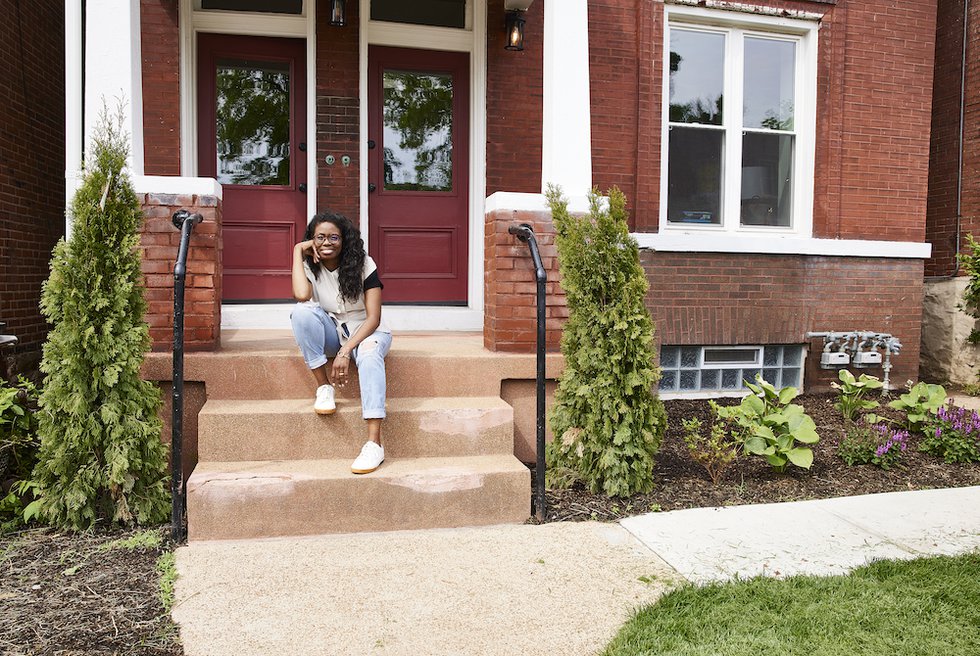
Monique Thomas can see why developers are eyeing the West End, the city neighborhood that extends several blocks north and east from The Pageant on Delmar.
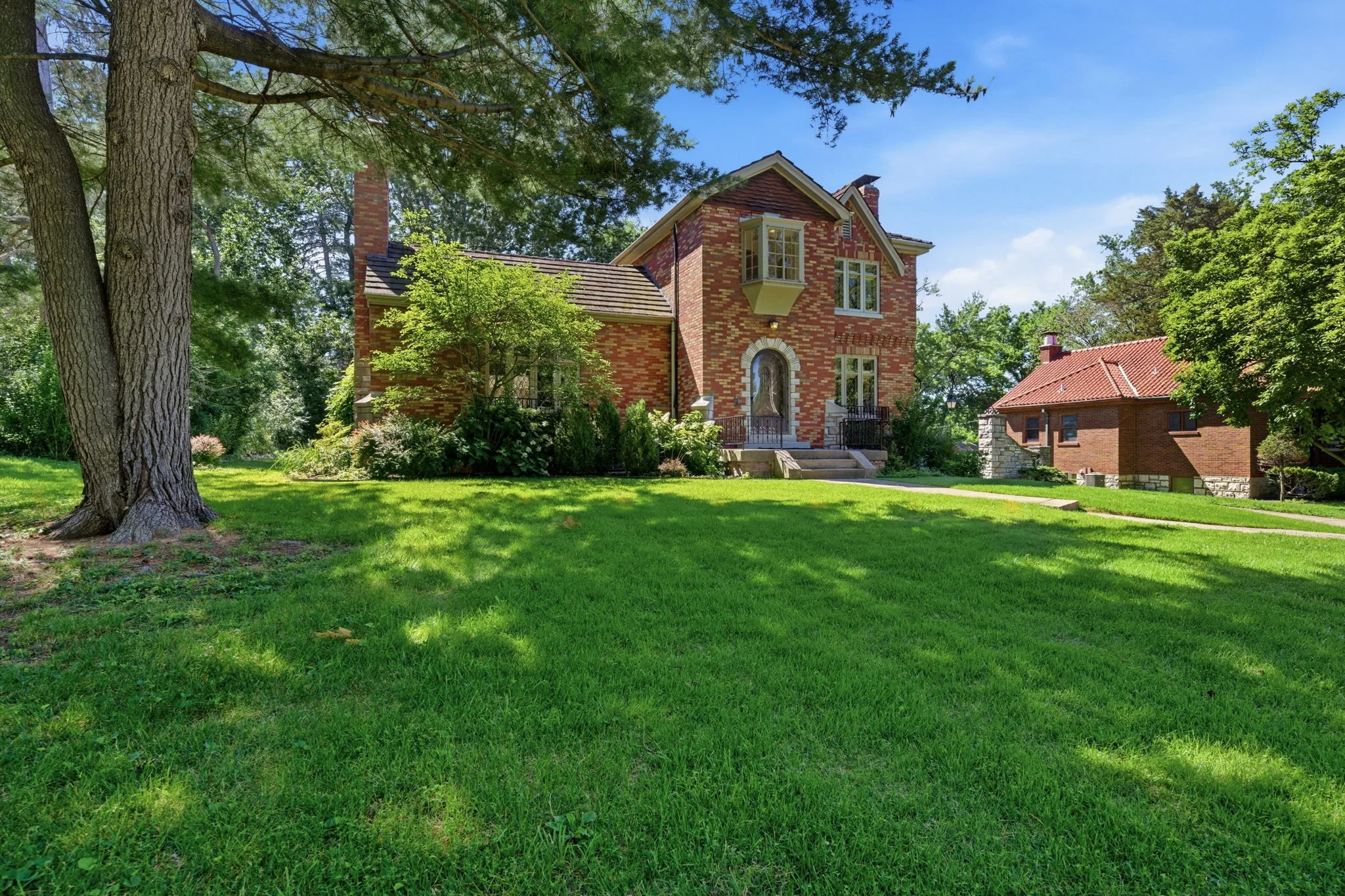
For one thing, it still has the stately high-ceilinged houses that rose up there more than a century ago, observes Thomas, executive director of Cornerstone, a faith-based group with a longtime presence in the neighborhood. For another, the West End still has what emerged after the “white flight” of the postwar period: naturally occurring affordable housing. Dwellings in this category are cheap to own or rent, even in the absence of public subsidies, but they’re also low on amenities.
Get a weekly dose of home and style inspiration
Subscribe to the St. Louis Design+Home newsletter to explore the latest stories from the local interior design, fashion, and retail scene.

Lately, such properties have attracted the interest of developers sensing a spillover of demand from the nearby Delmar Loop and Washington University in St. Louis. These developers would rehab and flip the properties for a profit, but that can render them too pricey to low-income residents, whom Cornerstone has served for decades. So in 2020, Thomas says, a new board of directors coalesced around an idea: Cornerstone itself could upgrade and beautify properties while using private donations to keep them affordable.
The idea became a reality earlier this month, when Cornerstone’s rehab of a three-bedroom in the 6000 block of Suburban was completed and the unit was rented for $820 a month. “What Suburban represents to us,” says Thomas, “is the way to keep housing affordable while ensuring it’s beautiful, and how a space can be a place to heal and save money and decide on next steps.”
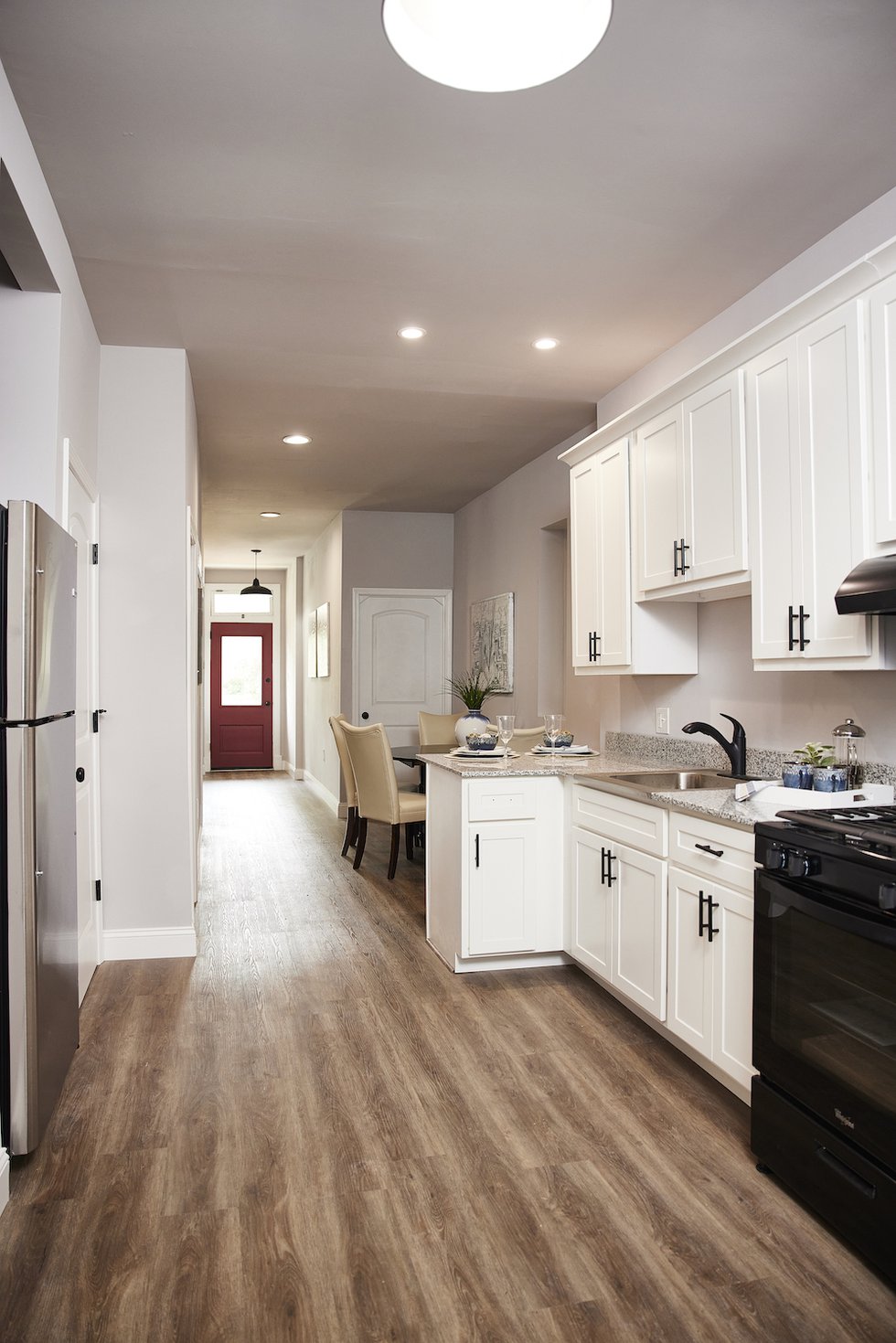
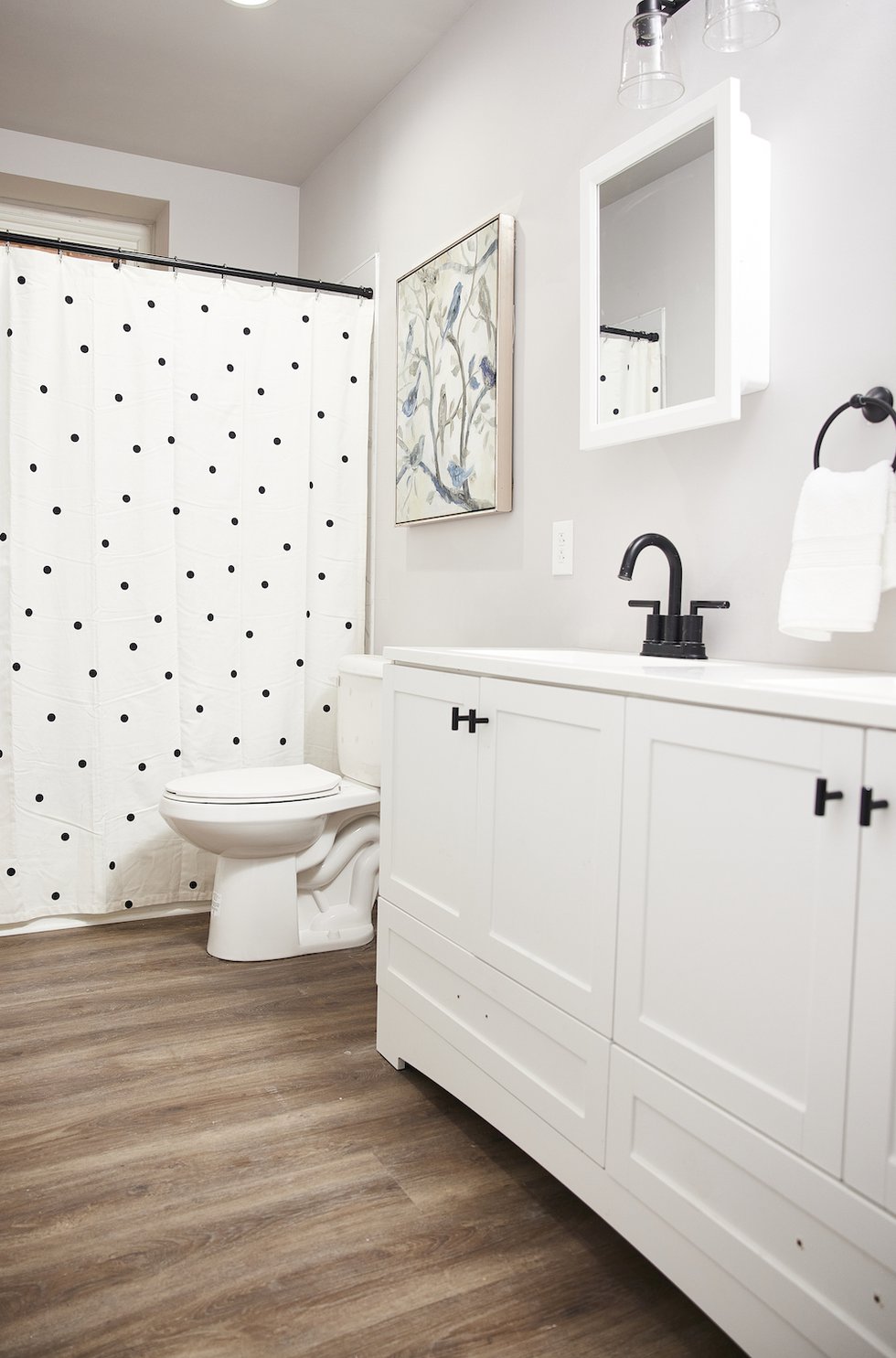


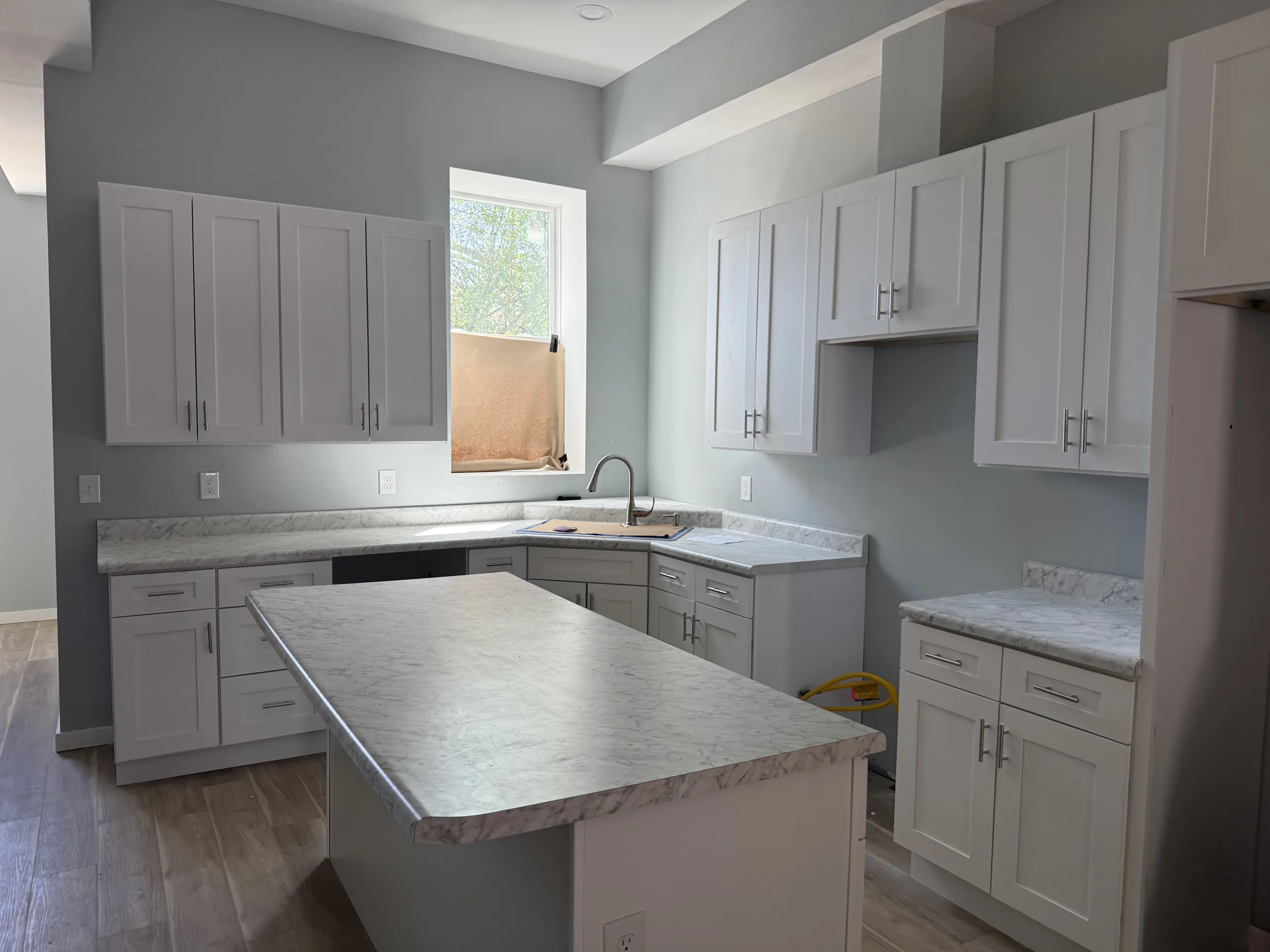
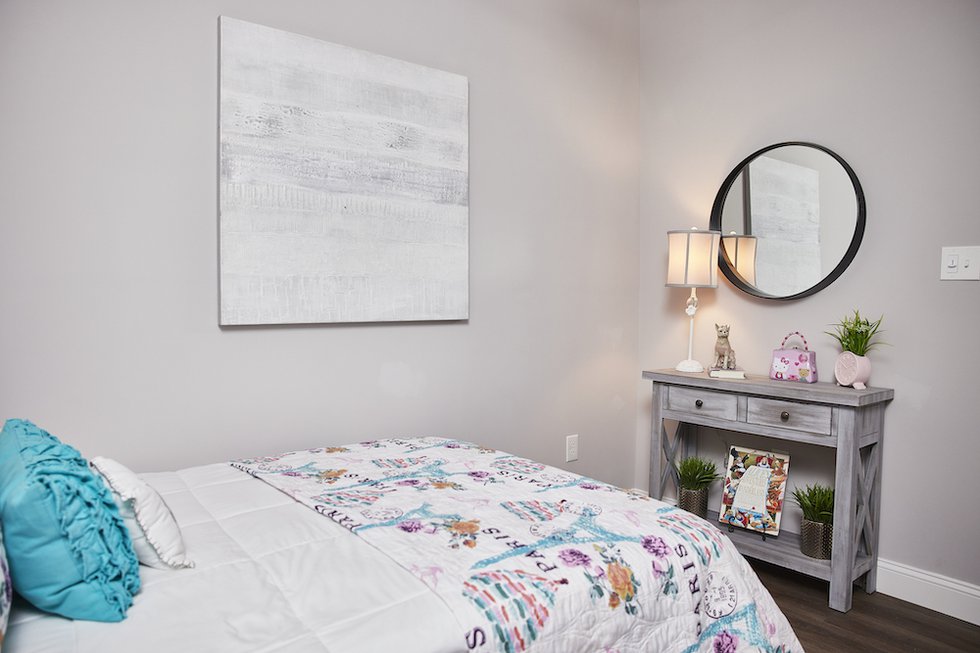
Thomas says that since Cornerstone’s launch, in the ’70s, the organization has accumulated 41 units in the area, many on Etzel between Hodiamont and Hamilton. For decades, she explains, the group’s ethos was to keep costs low and expectations modest, but after the board decided on a new direction, Cornerstone raised enough funds to make what Thomas calls “dignity upgrades” of the properties, which included new cabinetry and light fixtures. At the Suburban rehab, the front doors were painted red; the original glass and the brass doorbell remained. Inside, the walls were painted a bright gray, and black fixtures, from the knobs to fans, were added. Granite countertops and a deck were installed.
By Thomas’ count, 34 families are renting Cornerstone units. Their income generally falls between 20 and 80 percent of the area median; these renters have some source of money coming in but are struggling to get by and seeking to improve their situation. The Cornerstone model, Thomas says, has allowed more than two-thirds of participants to avoid being “rent burdened,”—or having to spend more than 30 percent of their income on monthly rent. The average rent is about $500 a month.
Cornerstone has accomplished all this without any tax credits or public subsidies, Thomas says. Instead, the group relies on private donations. Most have been less than $100, she points out, but certain individuals and families have donated $10,000, $15,000, or even $25,000. Thanks to the community development group Invest STL, Cornerstone has been working with a fundraising consultant to figure out how to diversify the group’s funding streams to avoid overreliance on one source.
The goal for Cornerstone is to keep rehabbing and eventually have enough housing to serve 50 families. For now, the house on Suburban serves as the proof of concept. “Even though it’s a smaller project in scale,” Thomas says, “it’s meaningful for us.”