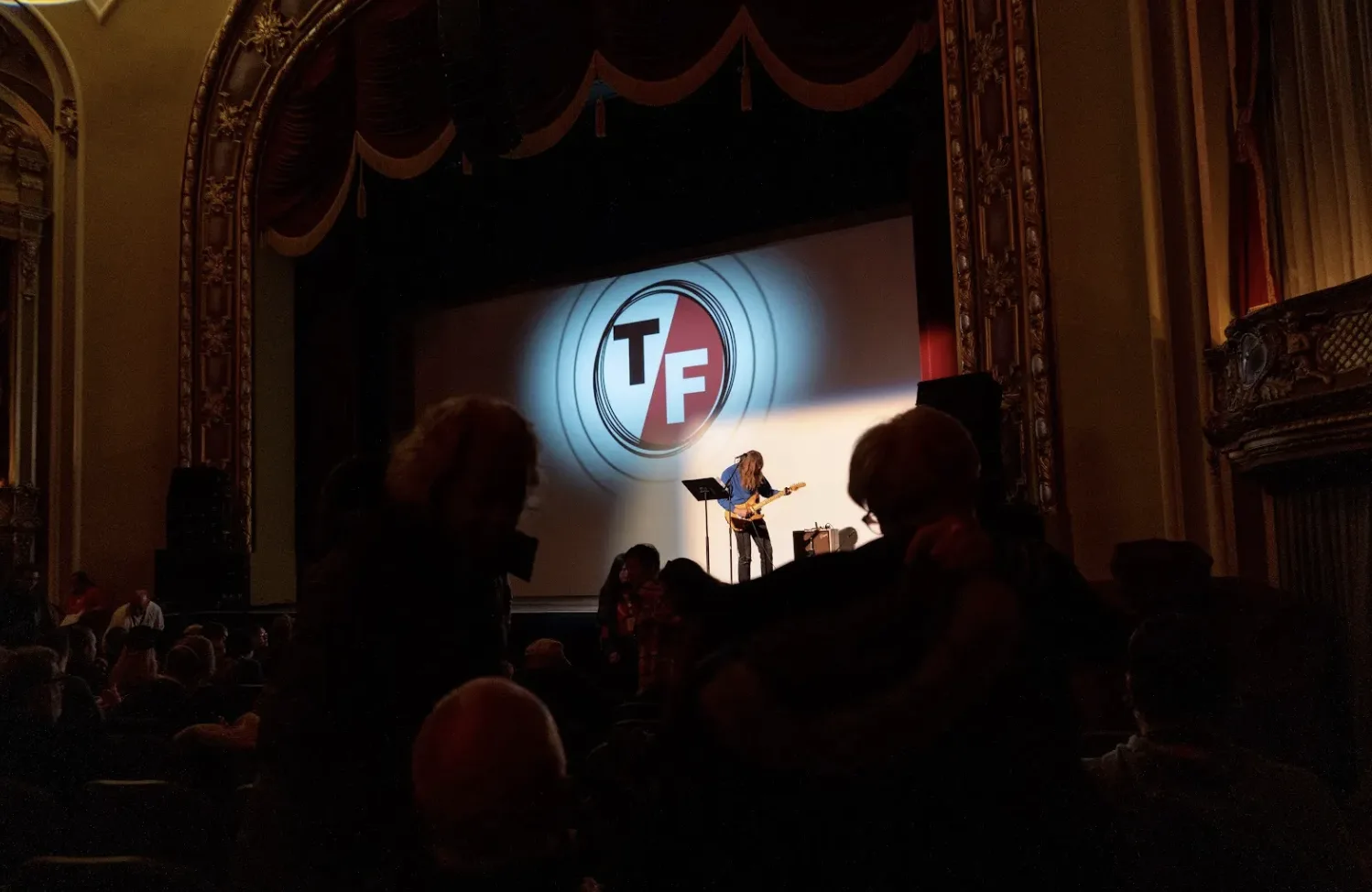
The True/False Film Fest has long felt like a homecoming for hip Missourians, Columbia townies, university students, and the nonfiction filmmaking community alike, so it only makes sense that the theme for the 2026 iteration was “You Are Here.” While the films at the fest aren’t programmed with the theme specifically in mind, this year’s slate aligns pretty squarely with many interpretations of the theme. This year’s fest featured many ways for viewers to feel seen onscreen by exploring topics such as the memory of people we’ve lost, our place in the universe, the place we call home, the immigrant experience in America, and reclaiming a place in popular culture.
Director Ross McElwee’s latest feature, Remake, is a moving, sometimes funny, look at the ways film can keep the memory of loved ones alive after they’ve passed on, especially for a grieving parent. McElwee, this year’s True Vision Award recipient, first grew to critical and cult acclaim with his 1985 film Sherman’s March. That film features McElwee’s first-person account of attempting to retrace General William Tecumseh Sherman’s famous “March to the Sea” through the American South, only to be constantly derailed by his family and friends trying to set him up with a “good southern woman.” The film, which screened as a repertory offering at the fest, is a particularly great showcase of McElwee’s intensely personal approach and his wry sense of humor both in front of and behind the camera. He’s a clear influence on nonfiction alt-comedy figures such as John Wilson and Nathan Fielder.
Stay up-to-date with the local arts scene
Subscribe to the weekly St. Louis Arts+Culture newsletter to discover must-attend art exhibits, performances, festivals, and more.
Remake, which had its North American premiere at the fest, is McElwee’s first film in 14 years and finds him reckoning with the loss of his son Adrian. McElwee takes viewers through his son’s life and struggles, using a trove of footage filmed throughout Adrian’s life, while also contending with an increasingly troubled fictionalized Hollywood remake of Sherman’s March, about which he is supposed to make a documentary. McElwee initially enlists Adrian to help shoot the documentary about the remake, but as the years go on and the project fails to get off the ground, the extent of Adrian’s addiction struggles come into sharp focus. Looking back through this trove of footage both he and Adrian shot, McElwee begins to question the impact of depicting his family and friends onscreen over his career and whether the strain it put on their dynamic potentially deepened his son’s addiction struggles. On one hand, McElwee is grateful to be able to feel like Adrian is still with him while working on the film and see the world through his eyes via the unfinished footage. But it’s also clear that he struggles with the feeling that this onscreen conception of Adrian is not the full picture—at times it feels more like looking at a flattened, fictionalized version of his late son.
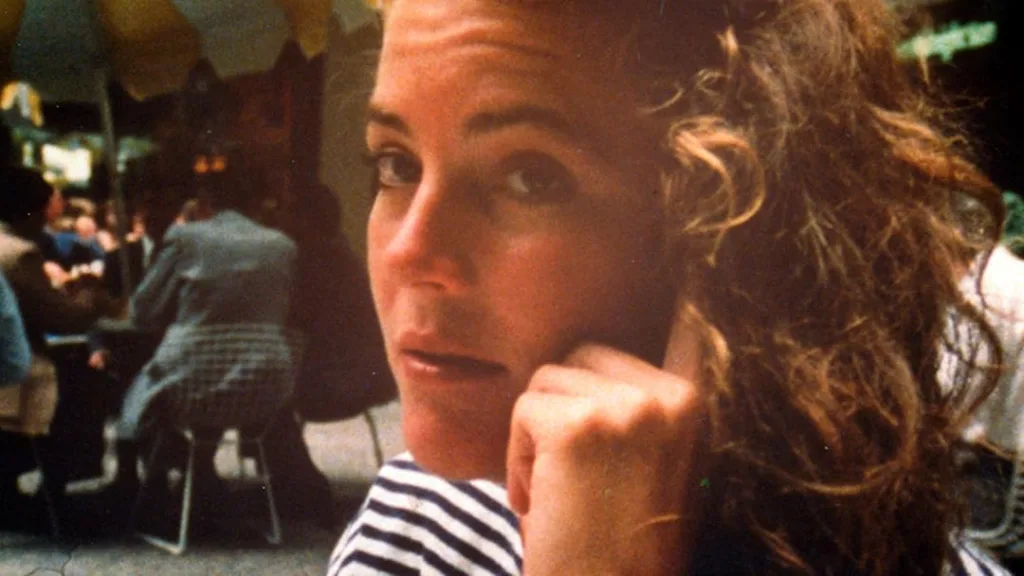
Thankfully, as McElwee noted in his introduction to Remake, there are many moments of levity—often driven by his longtime friend and former teacher Charleen Swansea, who is a memorable figure from across McElwee’s work—that help to buoy the film. As a result, Remake works incredibly well as a melancholy meditation on memory and the ethics and power of being behind the camera, as well as an unvarnished portrait of a father’s grief as he works to keep his son’s memory alive.
This intersection of memory and family is also key to the film Aanikoobijigan from directors Adam and Zack Khalil. The film focuses on the repatriation of Native American remains exhumed in the name of science and retained by museums and research institutions across the country, specifically focusing on the Anishinaabe, which include the Ojibwe, Odawa, Potawatomi, Mississaugas, Nipissing, and Algonquin peoples of the Great Lakes region. The title, Aanikoobijigan, refers to the Anishinaabe word that means ancestor, great-grandparent, and great-grandchild, and is meant to highlight the non-linear way indigenous peoples and their ancestors are always connected to one another across time, and the way exhuming their remains severs that connection. The film uses a mix of interviews, animation, and archival footage to offer a fuller picture of these issues and how the Anishinaabe continue to fight for their ancestors, who have been exhumed in the name of “science” for more than a century. This includes discussions indigenous activism going back to the 1970s, why “ancient Indian burial grounds” became such a trope in popular culture (specifically in films like Poltergeist and Pet Sematary), the importance of the Native American Graves Protection and Repatriation Act (NAGPRA) passed in 1990, and the Michigan Anishnaabek Cultural Preservation and Repatriation Alliance’s (MACPRA) continued work repatriating remains from institutions and fringe-y collectors and properly laying ancestors to rest. Throughout the film, the actual remains are obscured, as the act of showing the remains is seen as highly disrespectful. The film is not only an enlightening testament to these indigenous ancestral connections—Zack Khalil noted that he and his brother felt like the film helped them feel connected to their late mother—but also an informative look at an ongoing way American museums and research institutions continue to disrespect indigenous people’s wishes regarding these remains, even in the face of NAGPRA. It’s the kind of thing that really makes a person rethink Indiana Jones’ famous line about what “belongs in a museum.”
Director Josef Gatti’s debut feature, Phenomena, which had its world premiere at True/False, seeks to understand our place in the universe in a more cosmic sense, while still keeping our feet firmly planted on the ground. Gatti works with his physics teacher father, an artist specializing in crystalline structures, and a musician to explore the way 10 different phenomena, such as light, gravity, and electromagnetism, can be captured on film. The result is a mesmerizing psychedelic odyssey through the wonders of the physical world, soundtracked by the driving electronic music of Nils Frahm and Rival Consoles. While the film may be light on deep thoughts about hard science, it more than makes up for it with its stunning visuals.
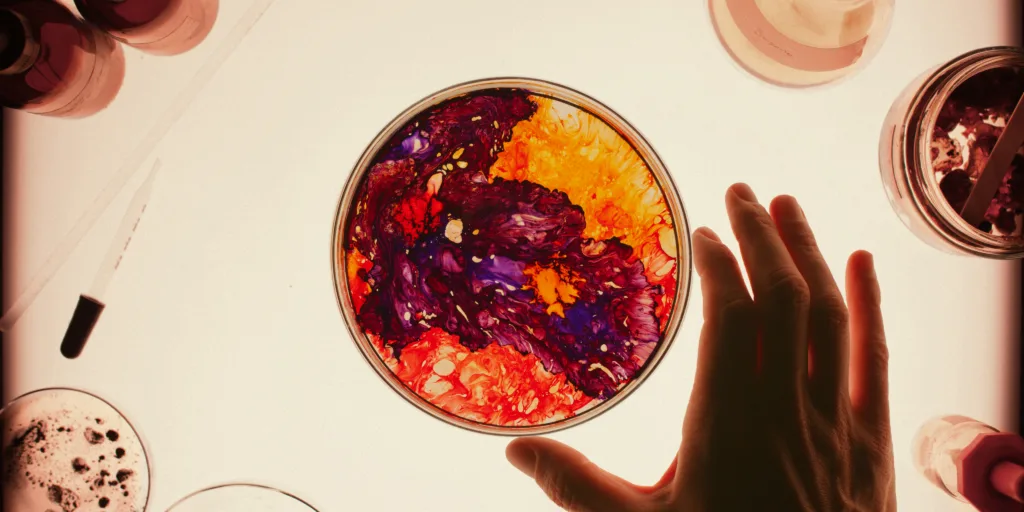
A skeleton key that unlocks what makes Phenomena so compelling is its commitment to “real images.” The film begins with a disclaimer that “all of these images are real.” While this might seem like a given to some viewers, in an age where generative AI is being used by many to create disposable “cool” images, this feels like a testament to the amount of work and human effort that goes into making the eye-popping images onscreen. What’s more, we also see much of the trial and error Gatti and his collaborators go through to achieve the images, adding to the layers of authenticity and excitement when the finished product flashes across the screen. A perfect fit for a late-night screening at the fest, Phenomena feels right at home with films like Godfrey Reggio’s Koyaanisqatsi, an influence Gatti cited during the post-screening Q&A, Jodie Mack’s The Grand Bizarre, and the Jean Painlevé shorts of sea creatures scored by Yo La Tengo collected in The Sounds of Science. In short, the best way to experience Phenomena is on the biggest screen with the loudest soundsystem possible, and you’ll be in for a hell of a ride.
Coming back down to Earth, directors Biljana Tutorov and Petar Glomazić take viewers to the majestic pastures and valleys of the mountain Sinjajevina in Montenegro with their film, To Hold a Mountain, yet another world premiere at the fest. The film centers on Gara, a farmer whose peaceful life with her daughter, Nada, is threatened by the possibility of Sinjajevina becoming a training ground for NATO forces. The film takes care to show Gara’s activism, both at protests and debating military representatives on television, alongside her and Nada’s day-to-day life milking cows, rescuing lost calves, and tending to their many kittens, among other chores. This, coupled with breathtaking photography of the region, helps to drive home just how important this place is to the people who live there and how vulnerable they feel as ominous black helicopters haunt the skies, breaking the idyll and threatening their livelihood by startling the animals. This fear and paranoia is also compounded by revelations about Gara and Nada’s relationship, as Nada prepares to go off to school and Gara worries over her safety, especially with the potential return of a violent figure from their past. This leads to an extremely compelling dynamic between both mother and daughter, underscoring the film’s broader fight to protect their home with a warm coming-of-age story.
The mother-daughter dynamic is also front and center with Carolina González Valencia’s surprisingly experimental debut feature, How to Clean a House in 10 Easy Steps, the recipient of this year’s True Life Fund and yet another world premiere. The film centers on Valencia’s mother, Beatriz, who left her home and family in Colombia to start a new life in the United States, finding work as a house cleaner and service worker. Valencia applies a fictionalized conceit (no spoilers here) to better understand her mother’s life and the sacrifices she made in service of her own American dreams. The magic of this film is the way it consciously removes and applies layers of artifice along the way to tell Beatriz’s story. As a result, Valencia is able to impart the wisdom Beatriz has gained from decades of cleaning houses in Florida alongside the isolating, alienating feelings from when she first moved to America. She is then able to show how those feelings are often universal for immigrant services workers in America and how the power of building community to make other immigrant workers feel more welcome. Using illustrations, family photos, talking head interviews, and a surprising musical number, Valencia crafts a moving and heartwarming portrait of her mother, and of immigrant service workers at large, that feels like a vital text in a time when it has never been harder to be an immigrant living in America.
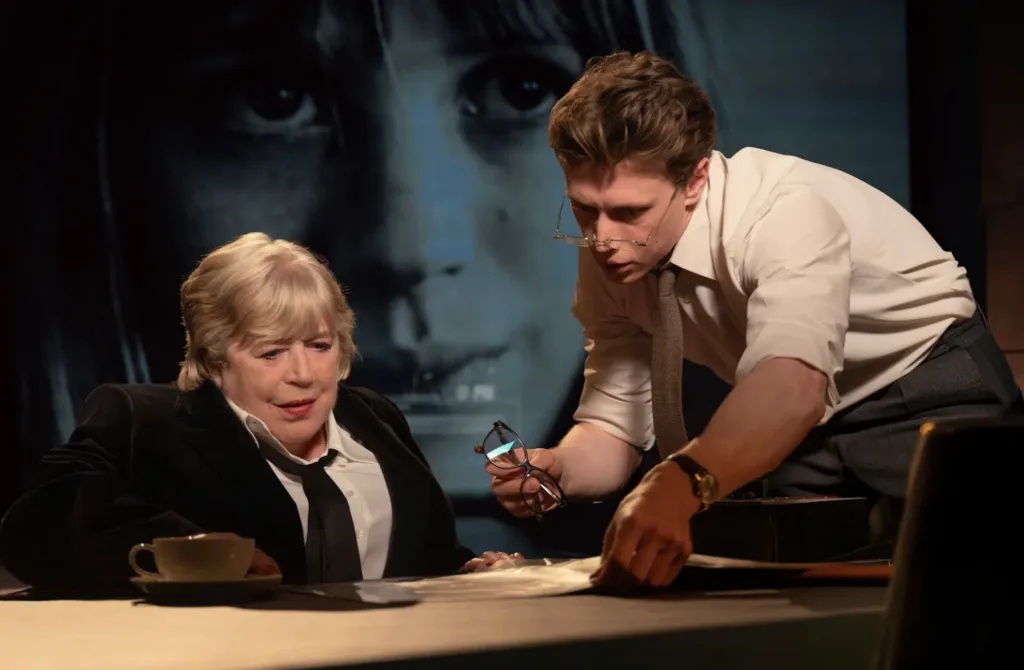
One last film that highlights the power of feeling “seen” is Iain Forsyth and Jane Pollard’s bold and experimental Broken English, which offers rock icon Marianne Faithfull a final artistic statement after her often maligned career. The setup for this film sees Tilda Swinton as “The Overseer,” who heads up the fictional Ministry of Not Forgetting and tasks George MacKay as “The Record Keeper” with reviewing the life and work of Marianne Faithfull. What follows isn’t your traditional “biographical rock-doc” with wall-to-wall talking heads showering the subject with praise. Instead, the film sees MacKay’s Record Keeper character interviewing Faithfull herself about her life, tracing her rise to stardom with pop and folk music in the ‘60s, her proximity to the Beat poets and Bob Dylan, her time with The Rolling Stones that turned her into tabloid fodder, her many controversies in the media, and her eventual comeback.
Broken English would be great if it was just a documentary helping Faithfull regain control of her own narrative, bringing greater attention to the way female artists across generations are disproportionately dragged through the mud for simply existing and speaking their minds, but Forsyth and Pollard take things even further. They support these interviews with roundtable discussions with cultural scholars reflecting on Faithfull’s legacy, as well as performances from artists reinterpreting Faithfull’s work (a searing cover of “Times Square” performed by Courtney Love and Thurston Moore is a highlight), as well as Faithfull’s final performance before her death in early 2025, backed by Nick Cave and Warren Ellis.
While the film’s fictional framing device isn’t going to work for everyone, the choices Forsyth and Pollard make show the work that goes into every aspect of putting a documentary like this together. They literalize the process through the fictionalized archive of the Ministry of Not Forgetting, which is full of technicians responsible for trawling footage and articles, recording the artists paying tribute, finding the right experts to speak about the subject’s legacy in the roundtable, having a compelling interviewer in MacKay working with Faithfull along the way, and Swinton driving everything from her office. This fictional device ironically offers a level of transparency around the research and the work being done by the filmmakers that makes the film’s conclusions about Faithfull’s place in broader popular culture all the more authentic and compelling to watch. Those going into this film with little knowledge of Marianne Faithfull will come away with a strong understanding of her place in popular culture and how she set the mold for a specific kind of young female star who is able to overcome the controversies others ascribed to her by the media and others, while still being able to live a successful, fulfilling life.
True/False Film Fest continues to be a place where these unorthodox approaches, undersung stories, and vital conversations not only have a home to screen, but also a willing and excited audience who is ready to engage with everything they see. It still feels like a marvel that the fest continues to go on this strong after 23 years in a college town in Missouri. With incoming festival artistic director Farihah Zaman at the helm, there’s sure to be more conversations to be had and experiences to explore for the festival’s 24th iteration next year.