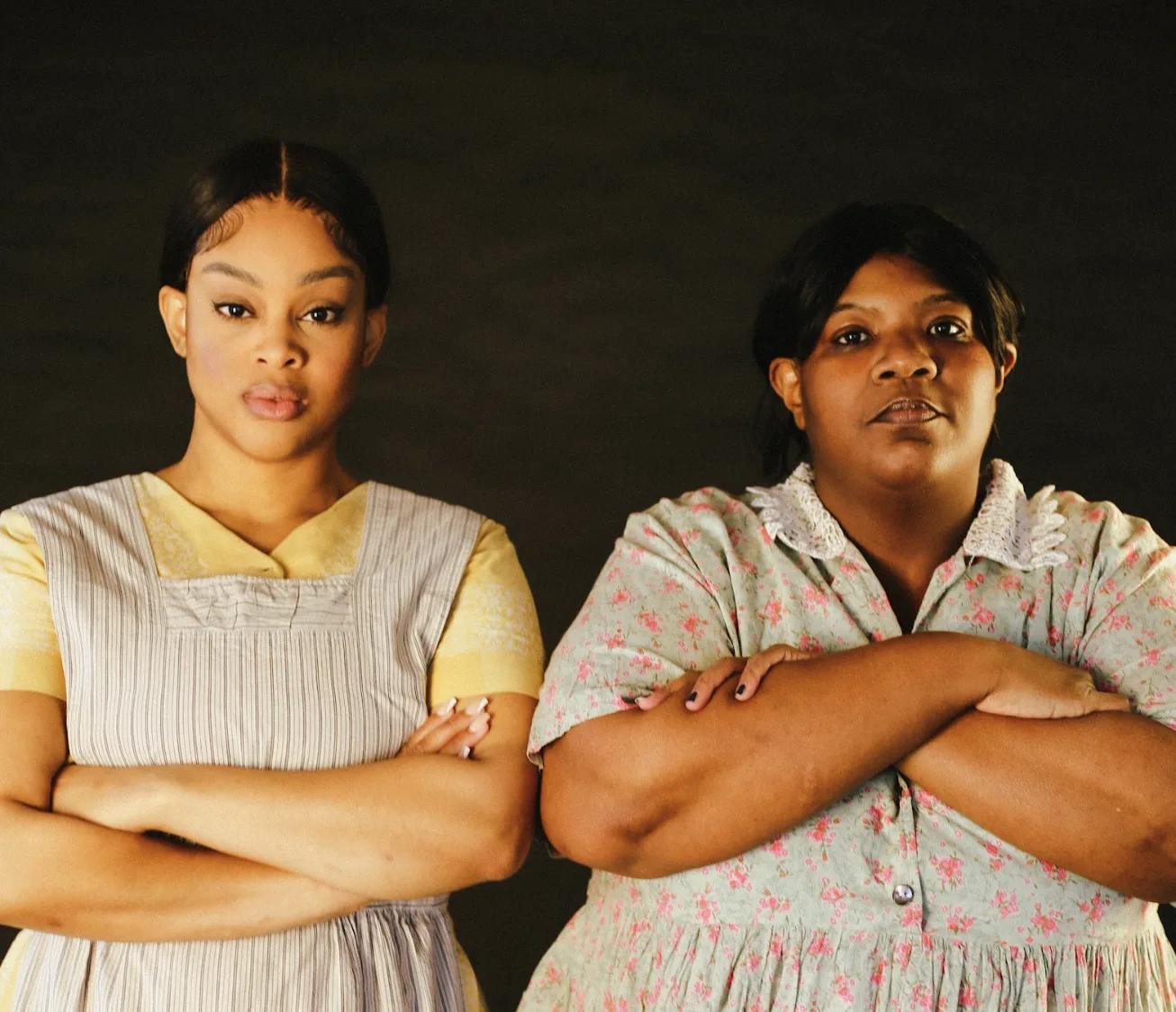
Nearly 100 years after the events it chronicles, Bread and Roses Missouri, an arts nonprofit dedicated to highlighting the stories of labor workers, is bringing the story of the Funsten Nut Picker Strike to life through their newest production, A Brick and a Bible.
The 1933 strike, which took place in St. Louis, saw Black women leading more than 2,000 factory workers in a fight against low wages, unsafe conditions, and segregation in the R.E. Funsten pecan-processing factory.
Stay up-to-date with the local arts scene
Subscribe to the weekly St. Louis Arts+Culture newsletter to discover must-attend art exhibits, performances, festivals, and more.
“The strike itself happened in St. Louis, and it’s amazing to bring that history to life on stage where people can see it and connect with it today,” says Emily Kohring, executive director of Bread and Roses. “It’s about our city and its history, and our artists are deeply invested in telling these local stories.”
A Brick and a Bible will premiere at the Missouri History Museum on February 20, followed by shows at the Metro Theatre Company and ending with a pay-what-you-can series at St. Stephen’s & the Vine Episcopal Church. The production, which features an original jazz and blues score, is the work of a team of St. Louis creatives including playwrights Colin McLaughlin and Kathryn Bentley, who spent a year working in the show in partnership with composer Alicia Revé Like, director Rayme Cornell, and eight actors.
“There’s a lot of excitement among the creative team because they’re all from St. Louis. It’s really a St. Louis story told by St. Louis artists.” Kohring says. “We focus on local stories not because we can’t tell stories from elsewhere, but because St. Louis offers a rich mine of stories about working people and collective action that resonate today.”
For Bread and Roses, keeping their work grounded in their St. Louis roots makes perfect sense. Along with appealing to locals, the area’s rich history makes for a powerful backdrop for storytelling.
“St. Louis has traditionally been a kind of cauldron of the labor movement,” Kohring says. “The International Brotherhood of Electrical Workers Local One, the General Strike of 1877—there’s a lot of labor history and working-class history right here, and our work tends to focus on that local history because it’s rich with stories to tell.”
A Brick and a Bible is part of Bread and Roses’ Workers Theater Project, which commissions plays about working people and the labor movement that share an empowering message. As Kohring puts it, “When ordinary working people come together, they have power and can accomplish a lot.”
“I think it’s really important right now, when sometimes it feels like the people with the most power and money are always winning, to see how a group of women organized together to advocate for themselves for a better life,” Kohring says. “They advocated not just for better wages, but also better working conditions. And they won.”
Bread and Roses is also committed to making their shows accessible to working-class audiences. Frequent theatregoers will appreciate the high quality of the creative team, while others who may be new to theater will appreciate the “entertaining, uplifting, and empowering” story of these working class individuals.
“Working people and working-class people are not often represented on stage, or they don’t always feel comfortable in institutions like large theaters or museums, and we’re trying to break down those barriers. We want working people to see themselves reflected on stage, both in the stories we tell and by literally putting workers on stage to tell their own stories,” Kohring says. “Whether you’re a regular theatergoer or rarely go to plays but want to hear a story about people who collectively organize to overcome injustice, you will enjoy the show.”
Editor’s note: A previous version of this story misspelled the name of playwright Kathryn Bentley. SLM regrets the error.