Founders looking to innovate in the health sector are finding that St. Louis’ medical and academic prowess makes it a great place to grow their companies, with experts who are generous with their time and willing to share their knowledge. And while it hasn’t always been easy for St. Louis-based entrepreneurs to gain the funding they need, several initiatives are providing a welcome infusion of capital.
Just last week, Buck Surgical and Aegis Digital Health, two local health-related startups, each scored an additional $100,000 “Growth Grant” from the nonprofit Arch Grants, whose annual competition funds new companies that are well-positioned to grow locally.
Keep up with local business news and trends
Subscribe to the St. Louis Business newsletter to get the latest insights sent to your inbox every morning.
“This grant came at a perfect time, because we’re in the middle of a fundraising round right now,” says Aegis Digital Health CEO and co-founder Stephen Von Rump. He adds his venture has also scored support from the St. Louis Arch Angels, Cultivation Capital, and the Missouri Technology Corporation.
Arch Grants executive director Gabe Angieri says the follow-on funding charges up the continued growth of two previous Arch Grant recipients (Buck Surgical in 2021 and Aegis Digital Health in 2023) by providing money with few strings attached, other than that both companies have matching investments lined up.
“Both of these companies have very experienced, competent leadership teams,” he says. “They both have proven their product, and are going to raise capital now to further develop their businesses. We’re thrilled to be a part of that.”
The additional funding means Arch Grants has now pushed $3 million into biomedical or health related startups, about 15 percent of the total funds the nonprofit has awarded over the past 13 years, Angieri says. He argues the St. Louis region “punches above its weight in medical and biotech innovation” with renowned institutions in WashU and BJC, coupled with a well developed medical landscape.
Angieri adds St. Louis has “a lot of serious people here” including biomedical entrepreneurs, medical practitioners, corporate leaders, and other industry experts who can evaluate the worthiness of a new company. While it might be more difficult for a St. Louis-based startup to score its first check, he believes the support is more consistent once someone signs on as a funder.
“The ecosystem here is designed to say yes to innovation and support particularly companies in the biomedical space because of the strong history [and] great institutions we have here,” Angieri says. “Startups here can collaborate with top tier scientists, test their technologies in real world settings and then find the early adopters.”
That was true for SweetSpot, a software platform and clinical support service developed by Von Rump’s Aegis Digital Health for the remote management of diabetes patients who use continuous glucose monitors. These devices, like an insulin pump, collect data much more frequently than traditional measurements like the A1C, which can only be taken every 90 to 120 days, but many medical providers didn’t have an easy way to view the more granular measurements, Von Rump says.
“There’s the opportunity to manage diabetes much more effectively and converge on the right treatment plan for a patient in weeks instead of months or years,” he says.
Even with an experienced endocrinologist on the team, Von Rump’s team still had a lot to learn on the business side, he says.
“We got tremendous support from biogenerator and I’m not just talking about funding,” he says. “I’m talking about mentors, advisors, people who were willing to spend the time with us and help us design the business model and market approach. All of those things.”
As a serial startup founder (Aegis is his third company), Von Rump argues St. Louis has a leg up on other cities with strong health innovation ecosystems, like those on the coasts, because it is much more approachable.
“Could you have done the same thing in a place like San Francisco? Yeah I suppose,” he says. “But here it’s just the right size. If I contact the head of biomedical engineering at the WashU med school, she’ll talk to me.”
Others in the health innovation space have experienced similar generosity from medical professionals and academic experts when asking for help or a meeting to get a gut check of their idea.
“The best way that people volunteer here is not with their pockets necessarily, but with their time, which is the most precious resource we have,” says Erica Barnell, co-founder and chief medical and science officer at Geneoscopy.
The company, founded in 2014, develops diagnostic testing, including its noninvasive colorectal cancer screening test which won FDA approval last year and is now included in the National Comprehensive Cancer Network Guidelines. Barnell says she’s seen how the landscape for building a company focused on health innovation has matured in the decade since she started Geneoscopy with her brother.
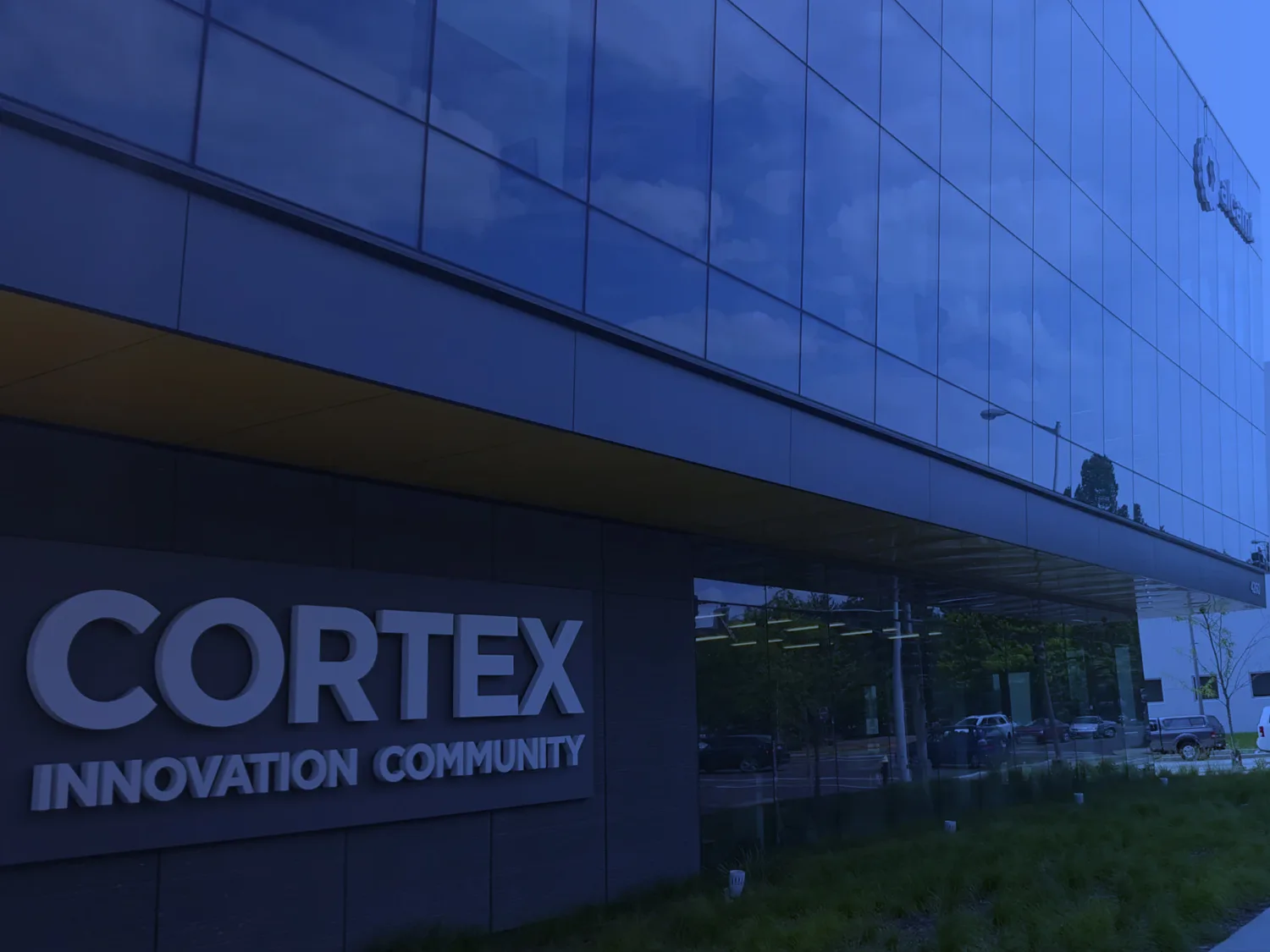
“In front of my eyes, I was seeing Cortex coming up, SLU, WashU, these incubators. I was seeing all of this activity here in St. Louis,” she says. “We realized very quickly that it was not only possible, it was probably the most cost-effective, strategic way to build a healthcare company in the middle of this massive medical conglomerate.”
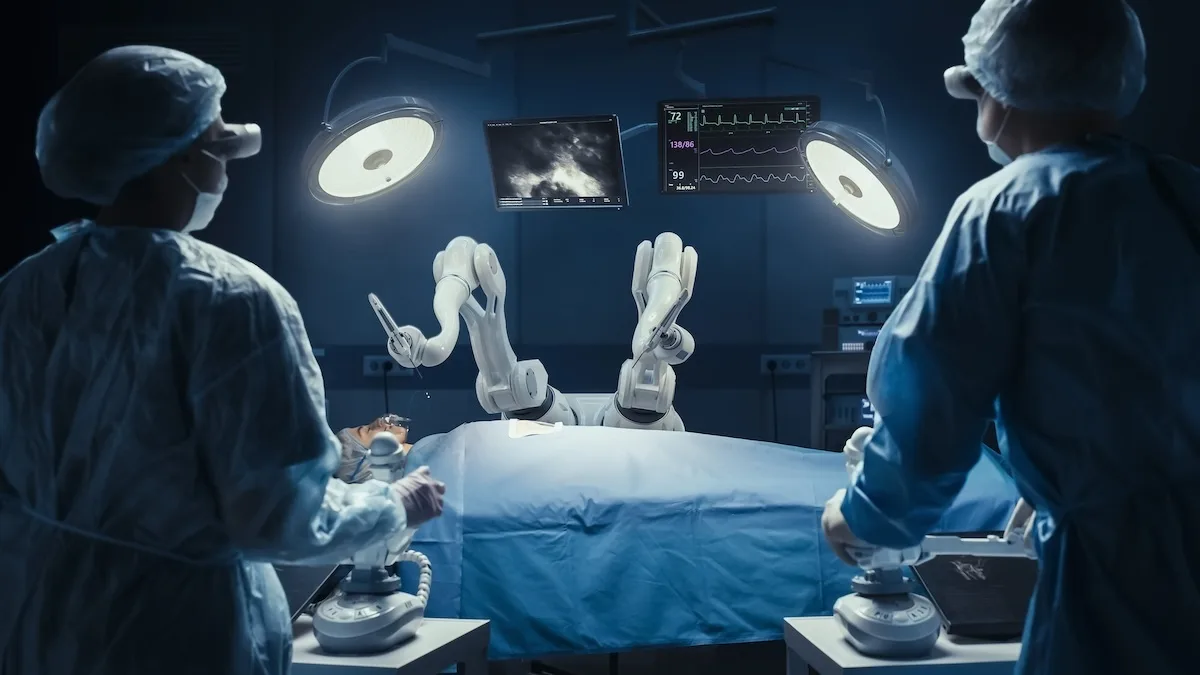
Some lament that, despite that direct access to experts, the local ecosystem isn’t as developed as it could be, particularly when it comes to medical devices. David Fishel, CEO of Stereotaxis, a medical device company that makes advanced robots for minimally invasive cardiovascular surgeries, says the area suffers from a lack of scale.
“[It’s] disappointing because there are really very few of us,” he says. “And whenever you have enough of a critical mass that does help the flywheel turn and creates a virtuous cycle. I’d be delighted to be a part of it.”
There are some local startups pursuing new medical devices, but Fishel says the road to developing one is long and challenging because of regulatory hurdles and how long it can take to bring a new technology, drug or device to market.
“When I see startups that come and say they want to develop A, B, or C, I see how hard their path is going to be,” he says, adding that while Stereotaxis has developed most of its capacities for innovation in-house, many startups don’t have that luxury.
Fishel does, however, share other founders’ reverence for the local academic and medical prowess in St. Louis.
“There remains a value of face-to-face interactions and particularly hands-on experience,” he says. “Whenever you’re doing innovation in medical devices, you need to collaborate and get feedback from and and work closely with the clinicians that would actually use the technologies.”
And the local universities offer strong talent that his company, and others, need when pursuing new technologies.
“There’s a good talent base in terms of individuals, particularly with engineering talent: electrical engineering, mechanical engineering, software engineering, biomedical engineering, the gamut,” Fishel says.