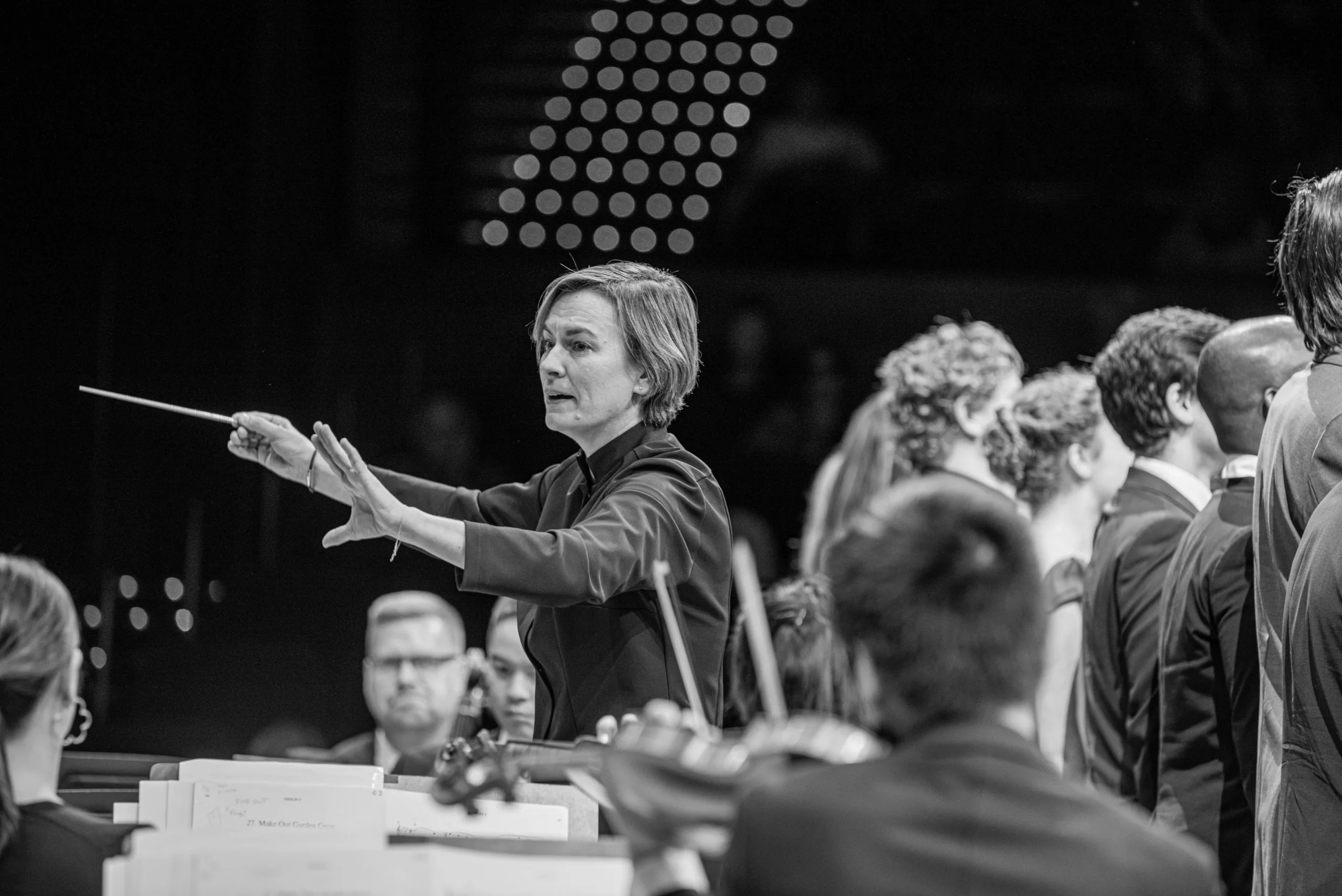
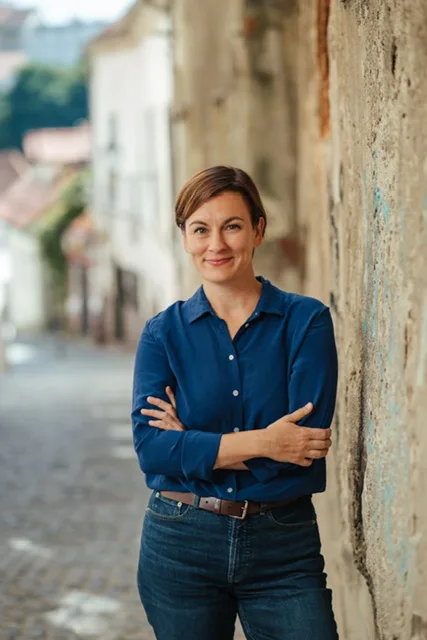
At Opera Theatre of Saint Louis, Principal Conductor Daniela Candillari says the biggest difference between spoken theater and opera isn’t just that the words are sung—it’s that the orchestra becomes part of the storytelling.
How it works:
- The orchestra steps into the role of narrator.
- Music reveals subtext and emotional undercurrents
- Composers use orchestration to shape time, transitions, and mood
- Experts help refine narrative clarity and historical context
“In opera, not everything needs to be set on stage alone,” she explains. “A lot of the emotions, the setting, even the psychology of the characters can be translated into the orchestra.”
The orchestra as the narrator
In spoken drama, subtext can be found in pauses and delivery. In opera, it often lives in the pit.
Candillari points to A Streetcar Named Desire, which OTSL will stage June 7–26, as an example of how the orchestra evokes the soul of New Orleans. The city where the story unfolds comes to life through jazz-inflected clarinet and trumpet solos, motifs tied to the city’s rhythm and sound, and musical textures that echo improvisation.
“The amount of live music on the street—that’s the soul of New Orleans,” Candillari says. “André Previn, the opera’s original composer, translated that so well into the score.”
In opera, the orchestra doesn’t just accompany the singers. It can even reveal what they’re feeling before they express it themselves.
How music shapes time and mood
Another major shift is time. In spoken theater, a scene change can happen instantly. In opera, composers must decide how music bridges moments.
If three months have passed, that might require a five-minute interlude. If only a day has passed, perhaps a short transitional phrase will do.
Are we moving from a heated argument to quiet sunlight in a bedroom? The orchestra sets that emotional temperature.
Music becomes the connective tissue between scenes, shaping pacing and mood in ways dialogue alone cannot.
Candillari also emphasizes the role of dramaturgs—experts who shape the narrative arc and help ensure the adaptation honors both tradition and innovation. With an outside perspective, they help refine what is essential.
When everything is sung, emotion is magnified. Emotion deepens, the city takes on a sound, and the orchestra becomes the unseen voice revealing what lies beneath the words.
Frequently Asked Questions
Candillari answers common queries about turning a play into an opera.
How does a spoken play become a sung opera? It begins with the words, as the librettist and the composer shape the text into a focused dramatic arc that music can expand and deepen.
How does the orchestra influence the story? Orchestration can signal mood, represent setting, highlight psychological tension, and even guide the audience through the passage of time and between scenes.
Can the same story feel different in opera, theater, and musicals? Absolutely. Just as different stagings of Romeo and Juliet emphasize different themes, each production can bring its own artistic lens.
Should an opera adaptation just copy a play’s source material? Not exactly. It’s more about honoring the source while using music to reveal new emotional and thematic layers.
Why do many operas come from shorter stories? Shorter source material often works best because opera magnifies emotion and benefits from a clear central focus rather than multiple competing subplots.
Does the audience play a role in opera performances? Yes—audiences bring a powerful, unspoken energy to the theater, and performers respond to that presence, creating a dynamic exchange that makes every performance unique.
Read more in this series:
- How a play becomes an opera: Inside the creative process
- How close should an opera be to a play’s source material?
This post was created by SLM Partner Studio on behalf of Opera Theatre of Saint Louis. For more information about the season and to purchase tickets, visit opera-stl.org.