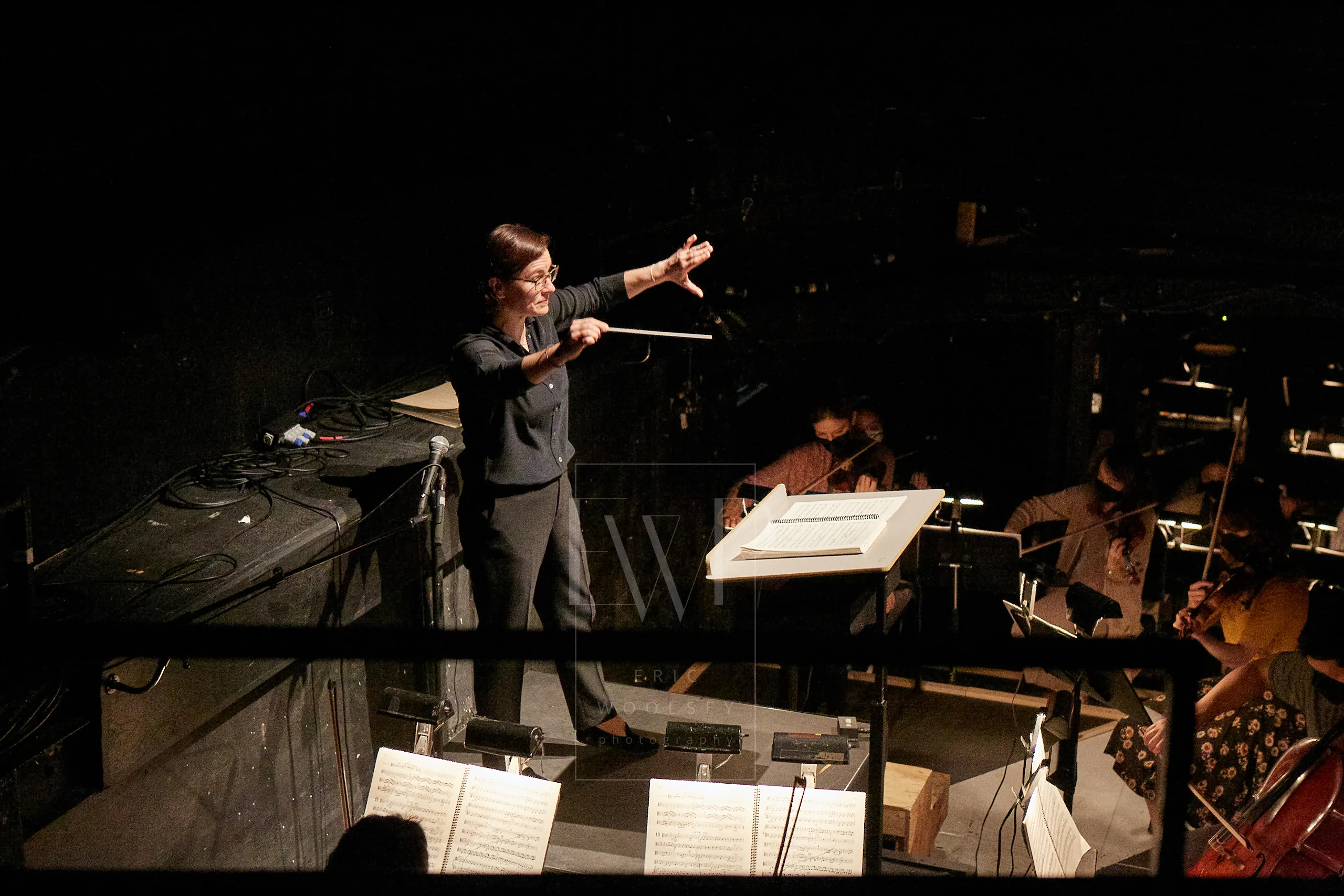
When adapting a beloved play into an opera, how closely should the new work follow the original? According to Principal Conductor Daniela Candillari, the answer is less about strict fidelity and more about thoughtful interpretation.
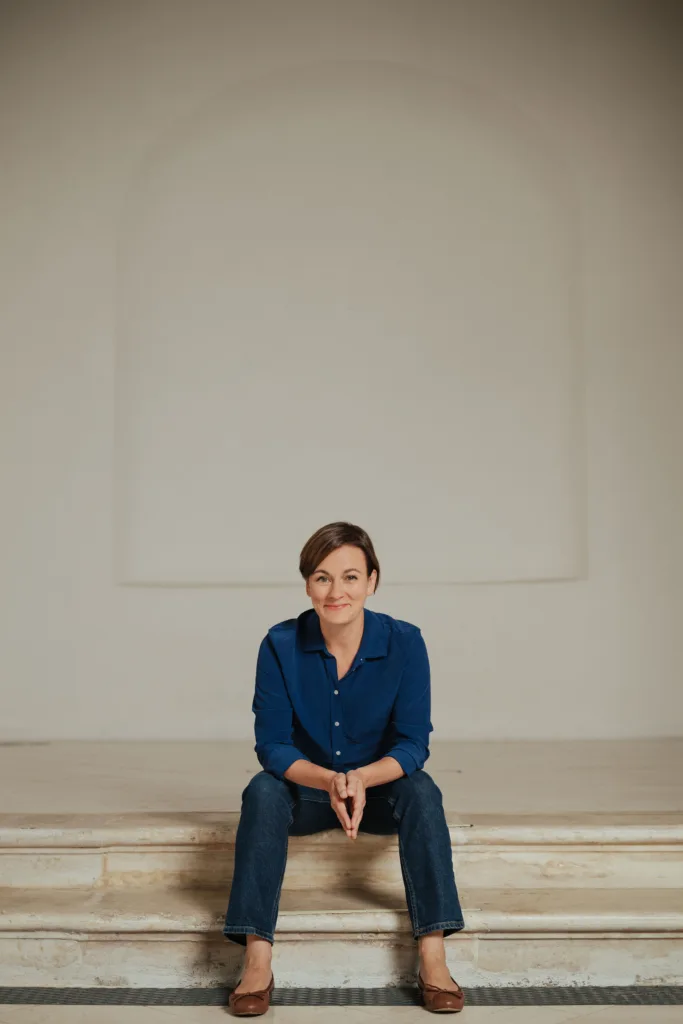
How it works:
- Adaptation begins with deciding what to keep.
- Copyright considerations can influence how much may change.
- Every production can have a unique interpretation.
- Operas should honor the source while offering a new artistic lens.
At Opera Theatre of Saint Louis, faithfulness begins as a conversation between the librettist and the composer. “It ends up being a discussion of how much we want to keep,” Candillari explains.
That conversation can also be shaped by copyright—if a work is protected, the creative team must collaborate with the original playwright or rights holders to determine what changes are allowed. Sometimes revisions are minimal. Sometimes there is room to reshape.
Where interpretation comes in
Even when much of the original text remains, interpretation is inevitable.
“Creating opera—or creating any art—ends up being interpretation of material that is presented,” Candillari says.
She points to this year’s production of Romeo and Juliet as a perfect example. The story contains multiple layers of political tension, class divisions, generational conflict, and the central love story. Depending on the production, different themes may rise to the surface.
A ballet version of Romeo and Juliet can feel vastly different from an opera adaptation, as each may highlight different emotional arcs. Even when the text is already there, creators must decide:
- What should be omitted?
- What should be emphasized?
- What speaks most clearly to today’s audience?
For Candillari, adaptation is both tribute and perspective. Like conductors interpreting the same score differently, each creative team channels the material through its own artistic lens.
Faithfulness doesn’t mean replication. It means honoring the source while offering audiences a new way to see—and hear — the story.
Frequently Asked Questions
Candillari answers common queries about turning a play into an opera.
How does a spoken play become a sung opera? It begins with the words, as the librettist and the composer shape the text into a focused dramatic arc that music can expand and deepen.
How does the orchestra influence the story? Orchestration can signal mood, represent setting, highlight psychological tension, and even guide the audience through the passage of time and between scenes.
Can the same story feel different in opera, theater, and musicals? Absolutely. Just as different stagings of Romeo and Juliet emphasize different themes, each production can bring its own artistic lens.
Should an opera adaptation just copy a play’s source material? Not exactly. It’s more about honoring the source while using music to reveal new emotional and thematic layers.
Why do many operas come from shorter stories? Shorter source material often works best because opera magnifies emotion and benefits from a clear central focus rather than multiple competing subplots.
Does the audience play a role in opera performances? Yes—audiences bring a powerful, unspoken energy to the theater, and performers respond to that presence, creating a dynamic exchange that makes every performance unique.
Read more in this series:
- How a play becomes an opera: Inside the creative process
- What changes when words are sung in an opera vs. spoken in a play?
This post was created by SLM Partner Studio on behalf of Opera Theatre of Saint Louis. For more information about the season and to purchase tickets, visit opera-stl.org.