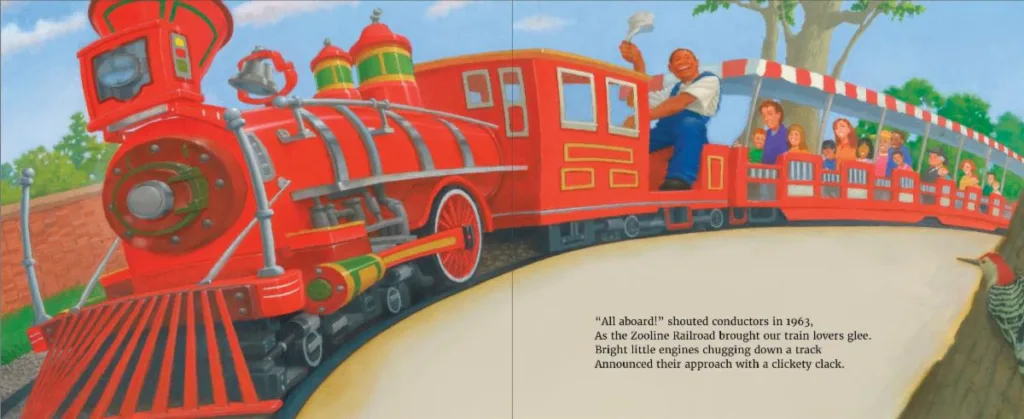
For generations of St. Louis families, a trip to the Saint Louis Zoo has been something of a childhood rite of passage. Maybe you remember riding the Zooline Railroad, visiting Phil the gorilla, or the excitement surrounding Raja’s birth. Now, a new children’s book is helping families revisit those memories while introducing a new generation to the animals and stories that have made the zoo a St. Louis institution.
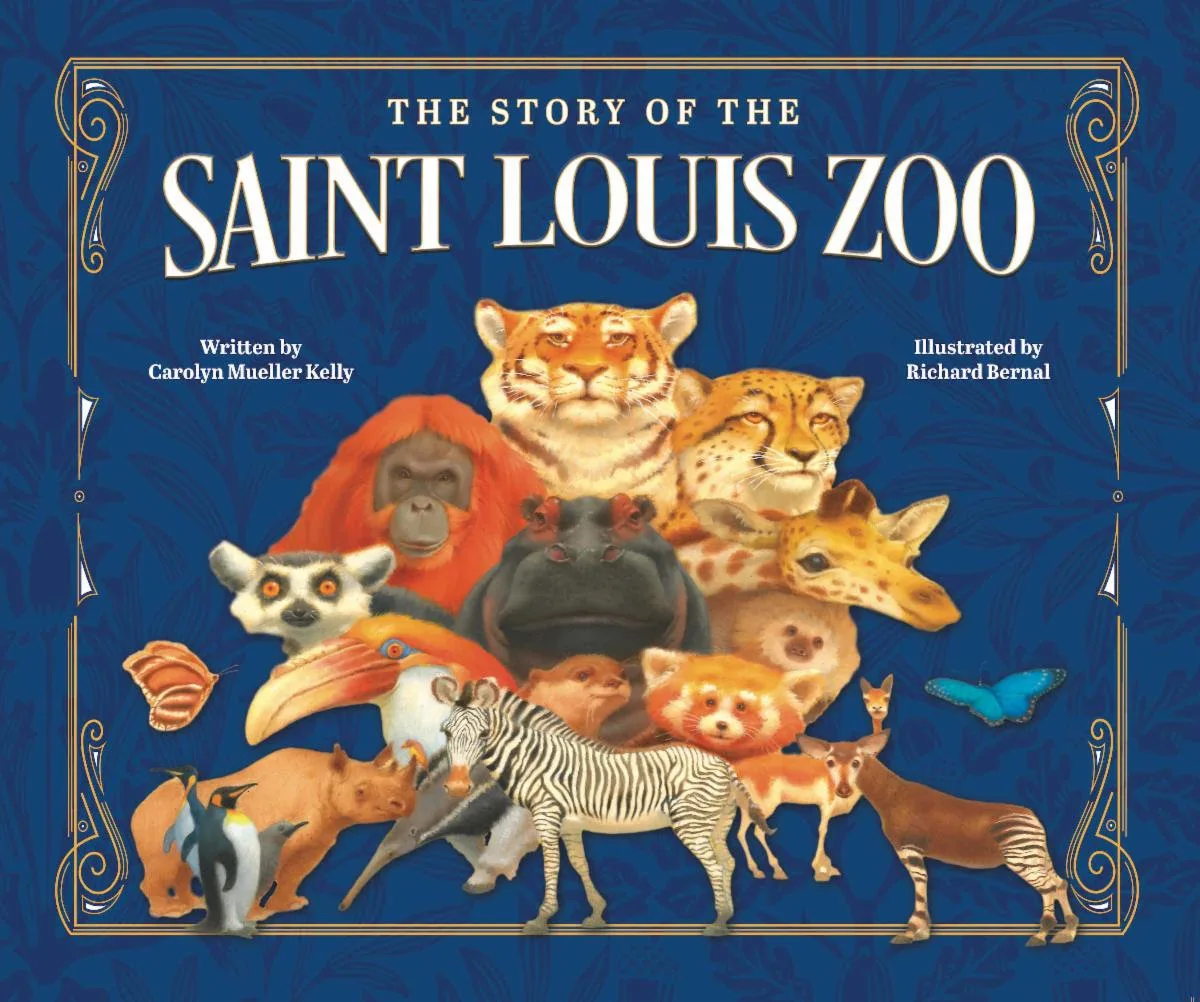
The Story of the Saint Louis Zoo, published by St. Louis-based Reedy Press and now available on the Reedy Press website and in the zoo’s gift shop, takes readers through more than a century of zoo history in 32 pages, pairing colorful illustrations with rhyming text and historical details. The result is a book that young animal lovers can enjoy today and grow into as they get older.
Discover fun things to do with the family
Subscribe to the St. Louis Family newsletter for family-friendly things to do and news for local parents, sent every Monday.
For author Carolyn Mueller Kelly, who has spent nearly two decades working at the zoo, the project was a natural extension of a place that’s long been part of her life.
“Because the zoo is my happy place, and somebody said, I worked, and I spend nearly every day, I just felt like the right person to tell that story,” Kelly says.
Her first book, published 14 years ago, told the story of Bubbles, a cow she cared for while working as a keeper in the children’s zoo. That experience sparked her interest in connecting young readers with the personalities and stories of animals they could actually visit.
With her latest book, she wanted to tell a much bigger story.
“I want kids to be able to enjoy the pictures of the animals, the fun rhymes, and things like that, but also, as they get older, understand how significant this place is in our city,” Kelly says.
A century of animals and memories
Condensing more than 100 years of zoo history into a picture book meant making some tough decisions. Kelly approached the project by mentally walking through the zoo, making sure its different animal areas were represented while identifying the milestones that helped shape the destination visitors know today.
Among the featured animals is Miss Jim, the zoo’s first elephant, whose arrival was made possible by local children who saved their pennies to help purchase her in 1916.
“I think the story of those kids saving up their pennies and buying the zoo its first elephant really set the tone for how supportive our community is of the zoo today,” Kelly says.
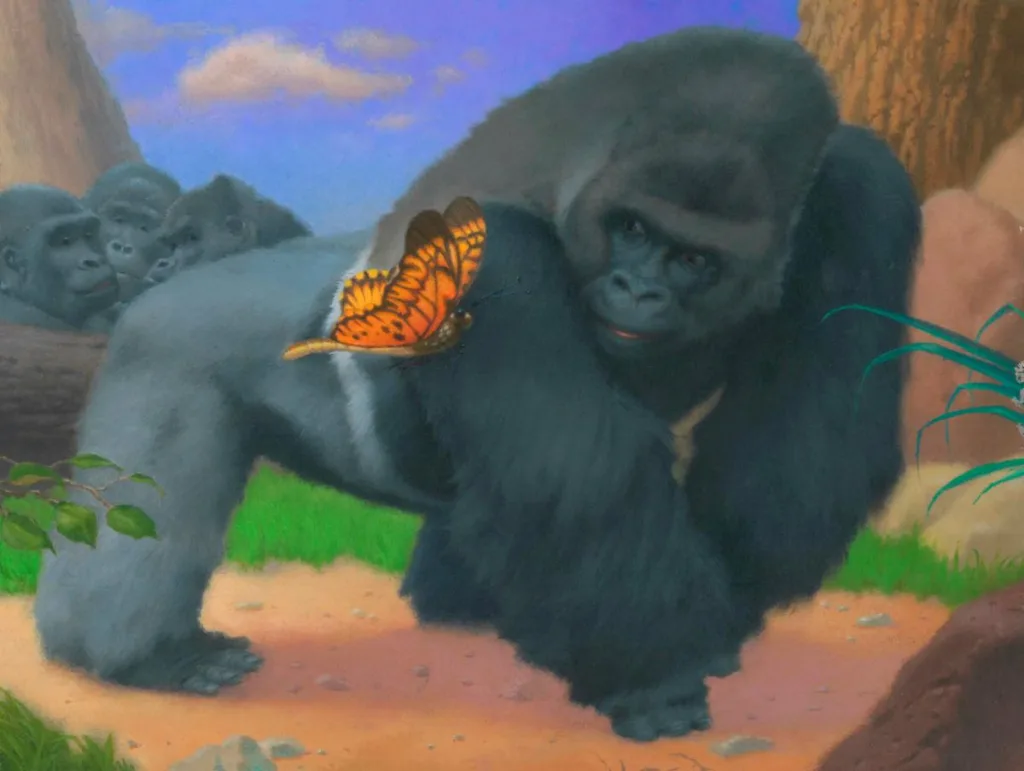
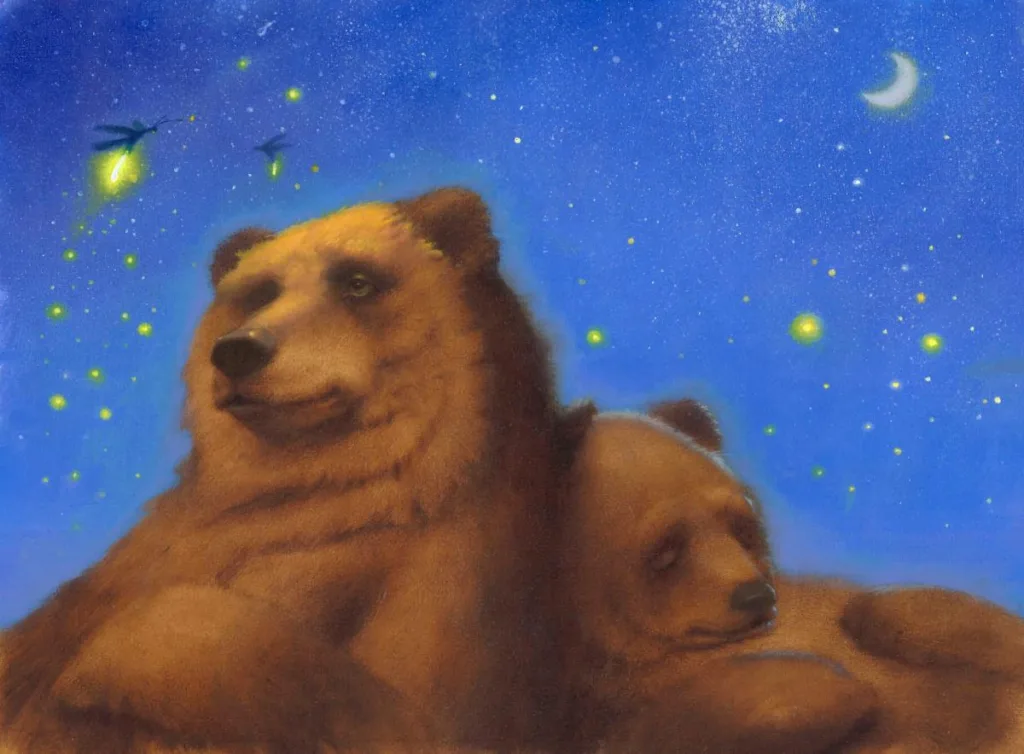
Other familiar faces include Phil the gorilla, Siegfried, and Raja, whose birth became a defining zoo memory for many St. Louisans. Kelly also included bears Kali, Huckleberry, and Finley, animals with whom she has a personal connection through her work.
The book highlights newer attractions, too, including Primate Canopy Trails, a favorite of Kelly’s own children, ages 7 and 4.
That mix of past and present was intentional. Kelly hopes the book sparks conversations between parents, grandparents, and children who may have entirely different memories of visiting the zoo.
“I feel like there’s a unique childhood memory for really, like, the last four generations that we can pull out,” she says.
For one family, that memory might be riding the railroad for the first time. For another, it could be watching Raja grow up. And for today’s youngest visitors, it might be climbing through Primate Canopy Trails or spotting their favorite bears.
Bringing the zoo to life on the page
Illustrator Richard Bernal approached the project with his own longtime connection to the zoo. He frequently visited to sketch animals and take photographs, particularly in the Bird House and near the chimpanzee exhibits.
That familiarity helped him capture both the zoo’s historic moments and its present-day attractions.
To suggest different eras, he relied on small visual details, including the clothing and uniforms worn by zookeepers in earlier decades. Familiar animals, such as Phil the gorilla, also help signal a particular moment in the zoo’s history.
One of his biggest artistic challenges? Drawing baby elephants.
“You always want to sort of make them endearing and charming, and sometimes it’s a matter of color, sometimes it’s a matter of expression,” Bernal says. “Sometimes it’s something really subtle, and there’s a fine line between, you know, caricature and cartooning and the real thing.”
The book’s cover was another highlight, giving Bernal an opportunity to bring together some of his favorite zoo animals in a single illustration.
For young readers inspired to draw their own favorite animals, his advice is refreshingly simple: Start drawing, pay attention to what you’re looking at, and keep practicing.
“You only learn by experience, and hopefully you’ll make mistakes, but you’ll learn from those mistakes,” he says.
A book that grows with its readers
Although The Story of the Saint Louis Zoo is designed for children, Kelly hopes that families will return to it as their kids grow.
Younger readers can enjoy the rhymes and illustrations, pointing out animals they recognize from their own zoo visits. Older children can explore the book’s appendix, which offers additional historical context and a deeper look at the zoo’s conservation work.
That educational component was especially important to Kelly. Beyond its role as a beloved family attraction, she wants readers to recognize the zoo’s contributions to protecting animals and their habitats around the world.
Her hope is that a toddler might recognize a bear from the book during a zoo visit, while an older child might begin to understand the institution’s larger role in wildlife conservation.
Ultimately, though, Kelly hopes that readers come away with something even more personal: pride in a place that has been part of St. Louis childhoods for generations.
“There are so many levels of magic that you can find at the zoo, both through those core memories that you make with your family or through your childhood,” she says. “My hope is that this book allows families to bring that magic home.”