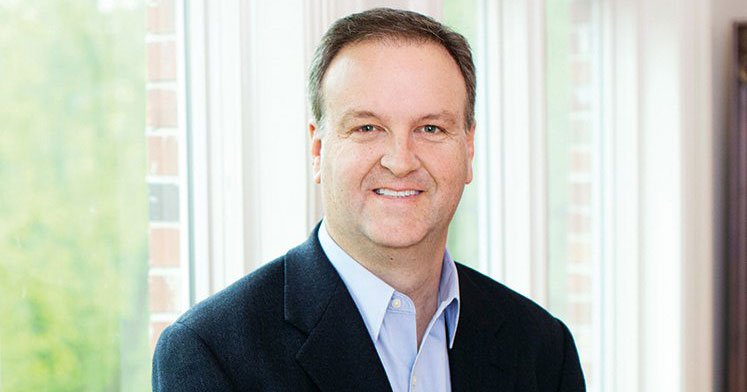
St. Louis County Executive Sam Page has only been on the job for a little while, but already he’s building trust. He persuaded State Auditor Nicole Galloway to audit the county government and St. Louis Economic Development Partnership after former County Exec Steve Stenger pled guilty in a pay-to-play scheme. He promoted Hazel Erby, the county councilwoman who voted against his nomination to county executive, to serve in his administration as director of diversity, equity, and inclusion. And he’s working to make his interim term count. “I’m here for a year and a half before I’m up for re-election,” he says. “I feel a lot of urgency to accomplish things quickly. There’s a lot of things I want to do.”
On the parallels of his job as an anesthesiologist and government official: Public service is like being a doctor—you just take care of large groups of people instead of one person at a time. The concept of sorting out complicated issues and trying to make sure government works for people, it’s the same process. As far as anesthesiology goes, it’s fast-paced, intense, high stakes. Usually it goes smoothly, but sometimes you’re involved in emergencies that are not ideal, and that requires you to keep your cool.
Get a fresh take on the day’s top news
Subscribe to the St. Louis Daily newsletter for a smart, succinct guide to local news from award-winning journalists Sarah Fenske and Ryan Krull.
On restoring trust: I have to empower the employees to feel comfortable in making decisions without any fear that they may not please someone; if they have good ideas, I want to hear their good ideas. I think that we should be much more transparent in how our government works. We get a lot of requests for information, and the last administration worked hard to push back and suppress those requests. They’re relatively routine and harmless, and there’s little that goes on in county government that we shouldn’t be willing to share.
On the opioid epidemic: I think we could do a lot more working with our providers, hospitals, and community groups, and we need to make sure that we have enough substance-abuse-treatment opportunities for the people who need them. If you don’t redirect someone into treatment when they’ve recovered from an overdose, you’ve missed an opportunity.
On the county’s biggest problem: Racial segregation is really the root of a lot of our issues: poverty, education, crime… It all goes back to, there are certain segments in the county where kids grow up, and they just don’t have the same opportunities for health care, for a good education, for a job when they graduate from high school. That’s just not right. County government has a big role to play in trying to make sure we put our resources in the places that make a difference. We should really be using our authority as the largest political organization in this region to be leading this conversation.
On Better Together’s now-tabled city-county merger plan: The proposal that was brought forward had so many flaws, it’s easy to see why it didn’t take off. But the underlying issue that it was trying to address is racial segregation and disparities, and we need to keep that conversation going. What we see now is that a lot of our leaders in the municipalities in St. Louis County are more engaged. They saw what looked like an assault on their ability to run their municipalities on sovereignty. And they’re pretty motivated, and they’re talking to each other and working together in ways that they haven’t in a while.