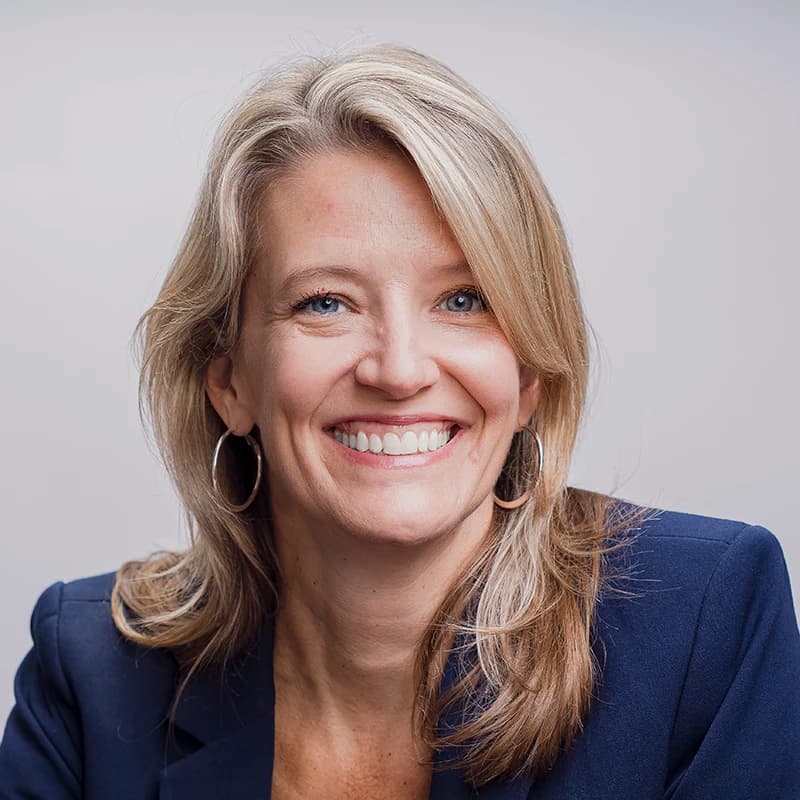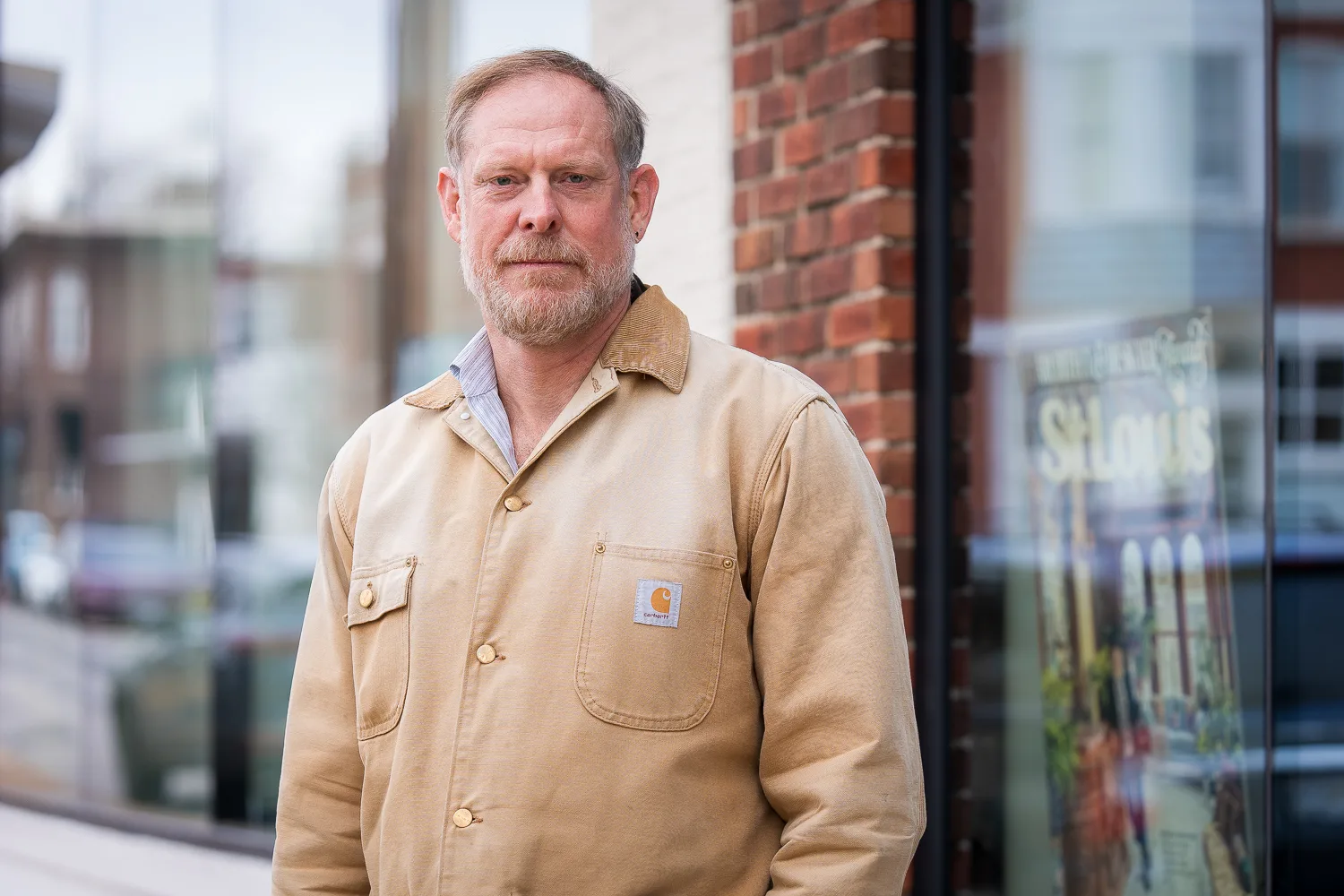
Giles Oldroyd, the new president of the Donald Danforth Plant Science Center, thinks now is the time for plant science to change the world. The ability to sequence DNA has created a “phenomenal foundation of knowledge” where scientists truly understand how plants function, he says. And that’s creating big opportunities both to solve issues of food insecurity in the developing world and to turn to more sustainable agriculture in places like the U.S.
“There is a transformation coming in the way we approach food production, and I believe the Danforth Center can be the world leader in that, and St. Louis can be the destination for that,” he says in a new episode of The 314 Podcast. “This is a huge growth area. And I think for us in St. Louis, it’s about making sure it comes to here in St. Louis, that it doesn’t go to Research Triangle Park or doesn’t go to Boston.”
Get a fresh take on the day’s top news
Subscribe to the St. Louis Daily newsletter for a smart, succinct guide to local news from award-winning journalists Sarah Fenske and Ryan Krull.
A Brit who moved here last October and ascended to president of the Danforth Center on Jan. 1, Oldroyd is an internationally recognized plant geneticist who’s taken to his new role with gusto. A few years ago, thinking about the fact he likely had about 20 good years of his career left, he says he took a step back: “It really made me think, What do I want to do? What do I want my legacy to be? And I think, I really want to drive impact.”
Scientists, he says, have made huge discoveries. Now, he says, “What we’re missing is taking that knowledge and driving true impact around the planet to change the way we grow our food, to be much more sustainable, and to drive food security in places where we just take it for granted.” He came to St. Louis because he thought the Danforth Center, the largest independent plant science organization in the world, was the place to do that.
Adding to the Danforth Center’s board Dr. Cary Fowler—president of the Food Security Leadership Council and the 2024 World Food Prize laureate—is just one sign of the organization’s commitment to solving the problems of world hunger. Oldroyd also sees tremendous opportunities to spur a revolution in American agriculture. “It’s a radically different way of farming,” he says of sustainable agriculture practices. St. Louis, he believes, is the perfect perch for bringing that idea to American farmers and finding private sector applications for the breakthroughs now underway.
That doesn’t mean everything is easy. Thanks to federal funding cuts, he says, the Danforth Center is facing a deficit for the first time in its 40-year history.
“This year, we’ve lost 25 percent of our federal funding as compared to last year,” he says. “That’s huge. The federal funding supported a lot of the research that we do.” And that’s meant layoffs. As Oldroyd acknowledges, “The worst thing you have to do when you’re a leader is to lay people off.”
Even so, Oldroyd sees opportunity in the nation’s new research paradigm. He notes that government funding—whether in the United Kingdom or the U.S.—has never been good about the long, difficult slog that follows an initial discovery. Private investment can be more patient, more understanding the need for a commitment beyond a two- to three-year cycle. And so the solution to less federal funding may well be an increased focus on making the case to private funders.
“ I think it’s reaching out to the broader community who feels a commitment and passion,” he says, adding, “We are principally a philanthropic funded organization. We have an endowment that has grown because of the generous support of the community, and most of that is the St. Louis community that’s created that.”
So what’s holding the region back? What could keep the agtech scene here from being supplanted by, say, North Carolina or Massachusetts? Oldroyd gives the question a moment’s thought before responding with something oft-observed: “We’ve got all of these organizations. Which, I’m really happy that we’ve got people that focus on different remits, but it’s bringing all of those pieces together to actually work in a totally coherent manner [that’s the challenge].”
Even so, he stresses that that’s a good problem to have: “That’s easier than setting up from scratch. … We just need to make sure we’re really fully aligned and, and we, we are communicating the same things. And, then, of course, it all comes down to money, right?” It’s hard to argue with that.
Watch Fenske’s full interview with Oldroyd on The 314 Podcast.