If your daily routine has you loading the dishwasher, there’s a good chance your detergent was made right here in St. Louis, at Procter & Gamble’s 17-acre manufacturing campus in the Near North Riverfront neighborhood.
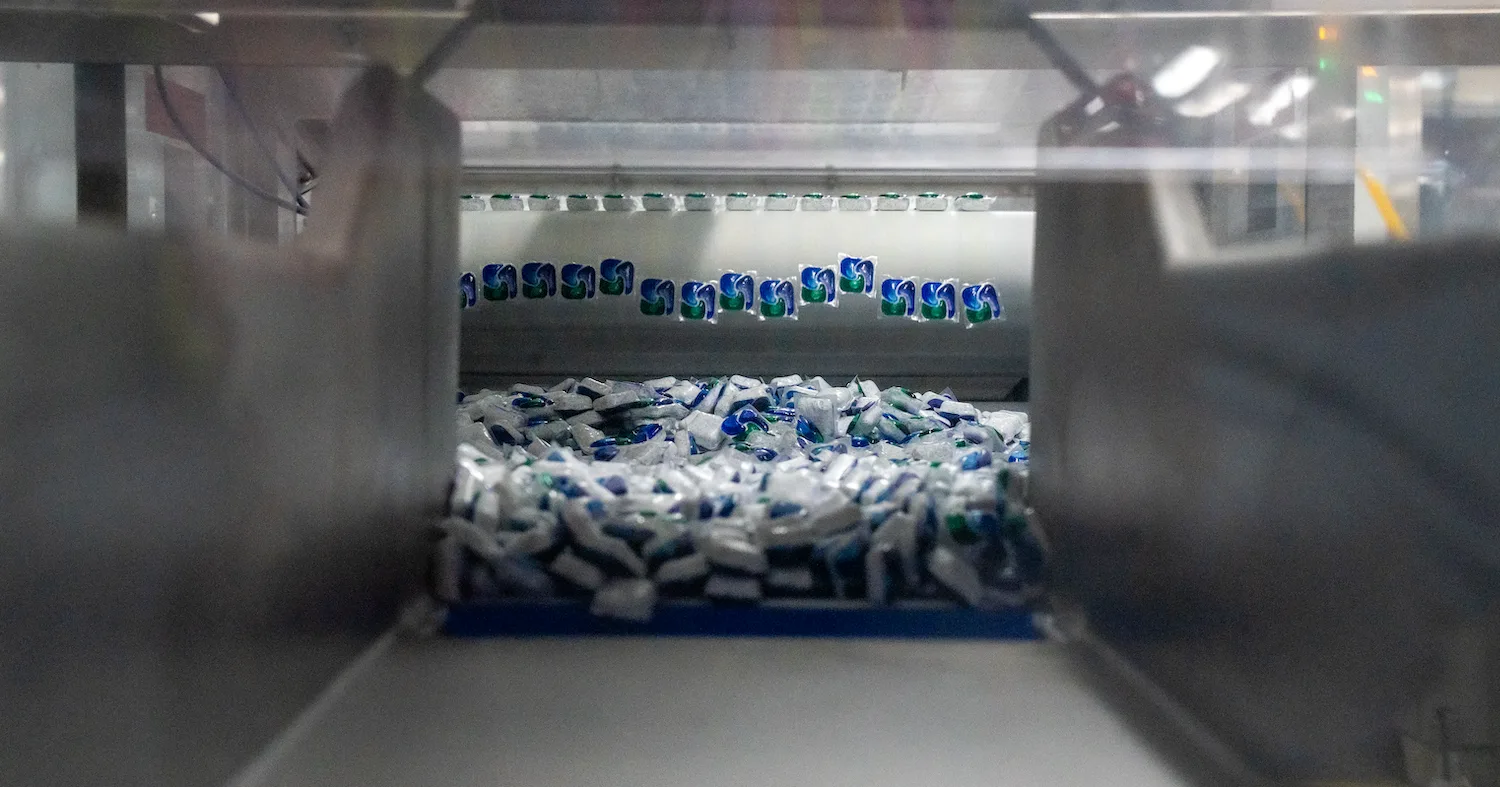
The St. Louis site of the Cincinnati-based consumer product giant is the sole maker of its many varieties of Cascade detergent pods—some 23 million a day.
Keep up with local business news and trends
Subscribe to the St. Louis Business newsletter to get the latest insights sent to your inbox every morning.
“We have seen generations of Cascade Pods, [with] different colors of the liquid tops,” says site leader Tharini Sudanandha. “We are the only ones who can bring that into a reality at this site. That’s the pride that we carry.”
And yet Sudanandha says the St. Louisans she interacts with in the grocery aisles at Dierbergs or Schnucks are often shocked to hear that products such as Mr. Clean, Swiffer, Febreze, Dawn Powerwash, and of course the dishwasher pods, are manufactured locally. She even suggests it may be worthwhile to put up signs for shoppers saying as much.
“It’s important to know that this is St. Louis made,” Sudanandha says. “Our presence in St. Louis is something that we want to be heard [and] felt. We are right here, and we have been here nearly 100 years, and we deserve to be heard because we make the best products.”
That’s even if some newer items leave her scratching her own head, like a pumpkin spice version of Mr. Clean, which she says has been a surprising hit.
“When we first heard that people would love a flavor like this, I think you ask yourself, is this really true?” Sudanandha says. “Because personally, you may not like pumpkin spice, like myself, but it’s not about the individual. It’s about what the consumers are telling us.”
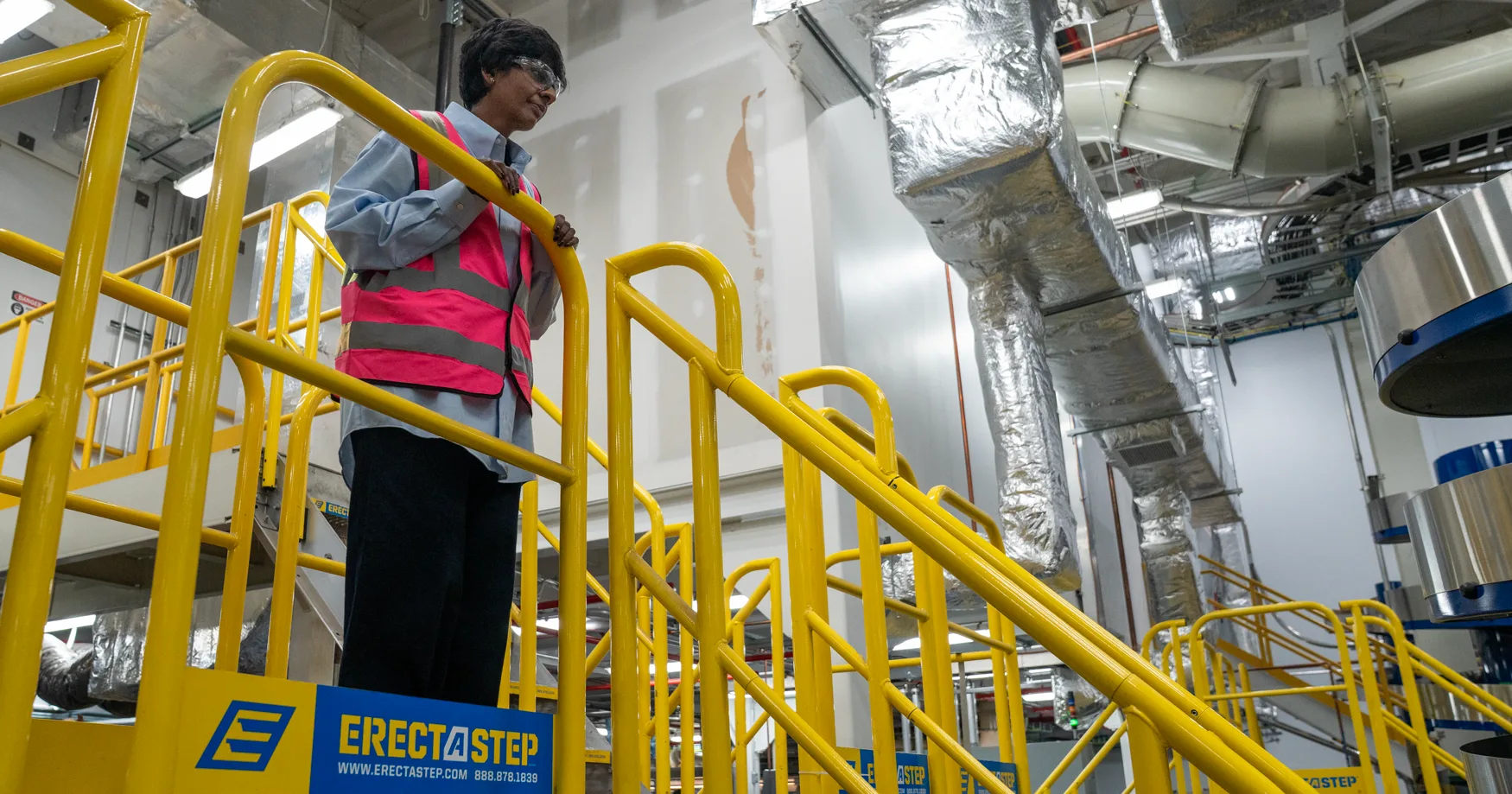
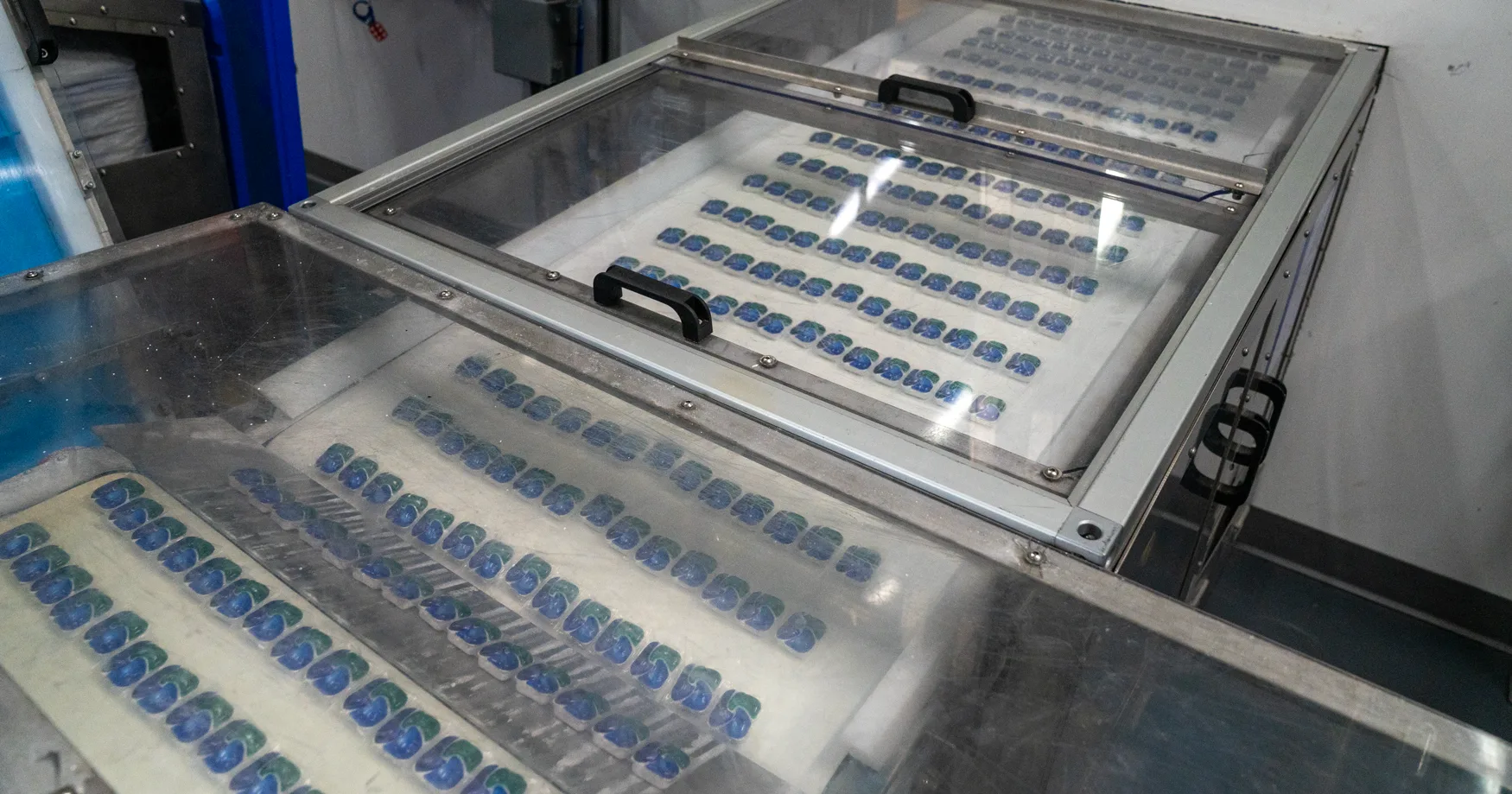
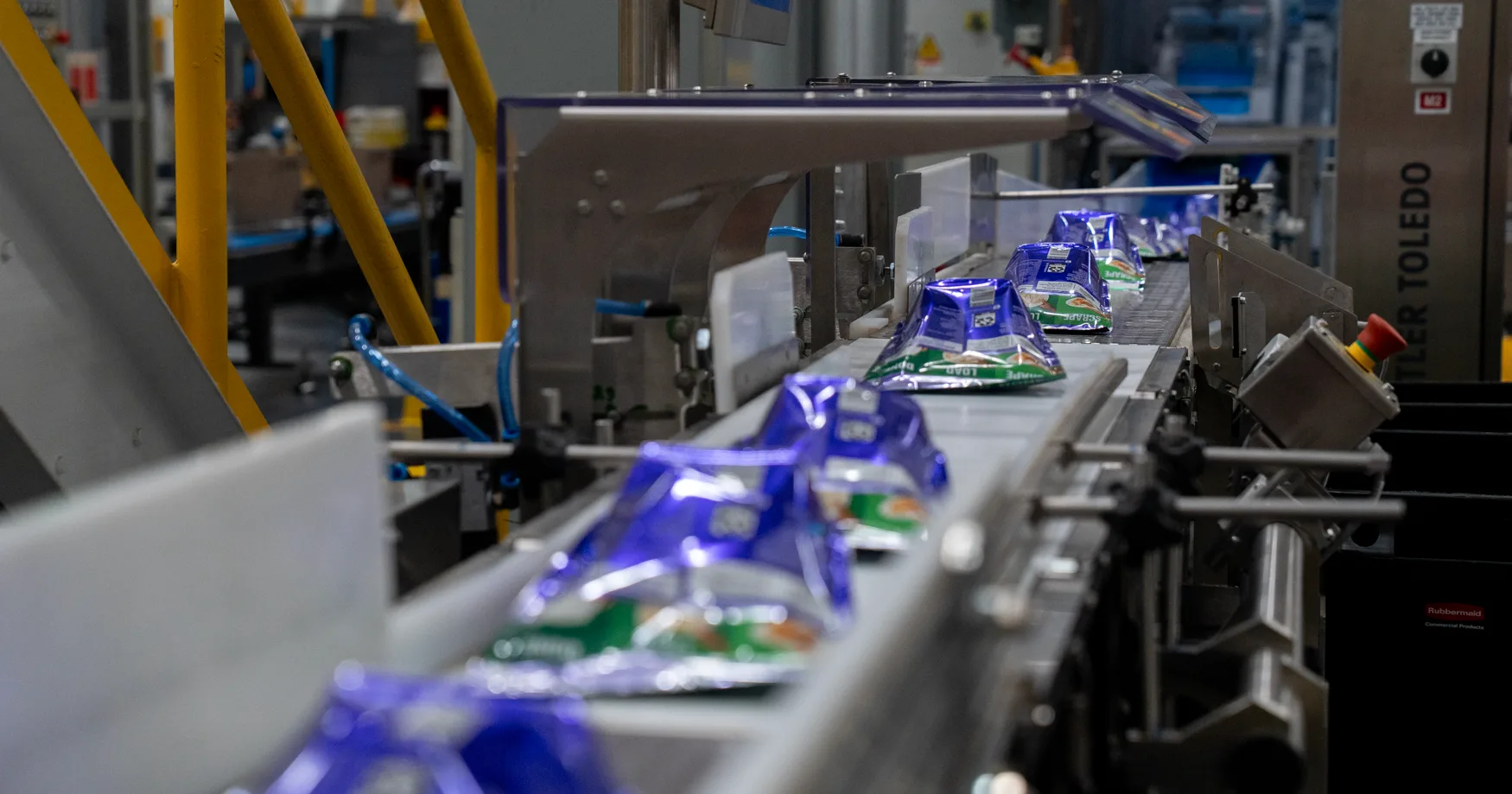
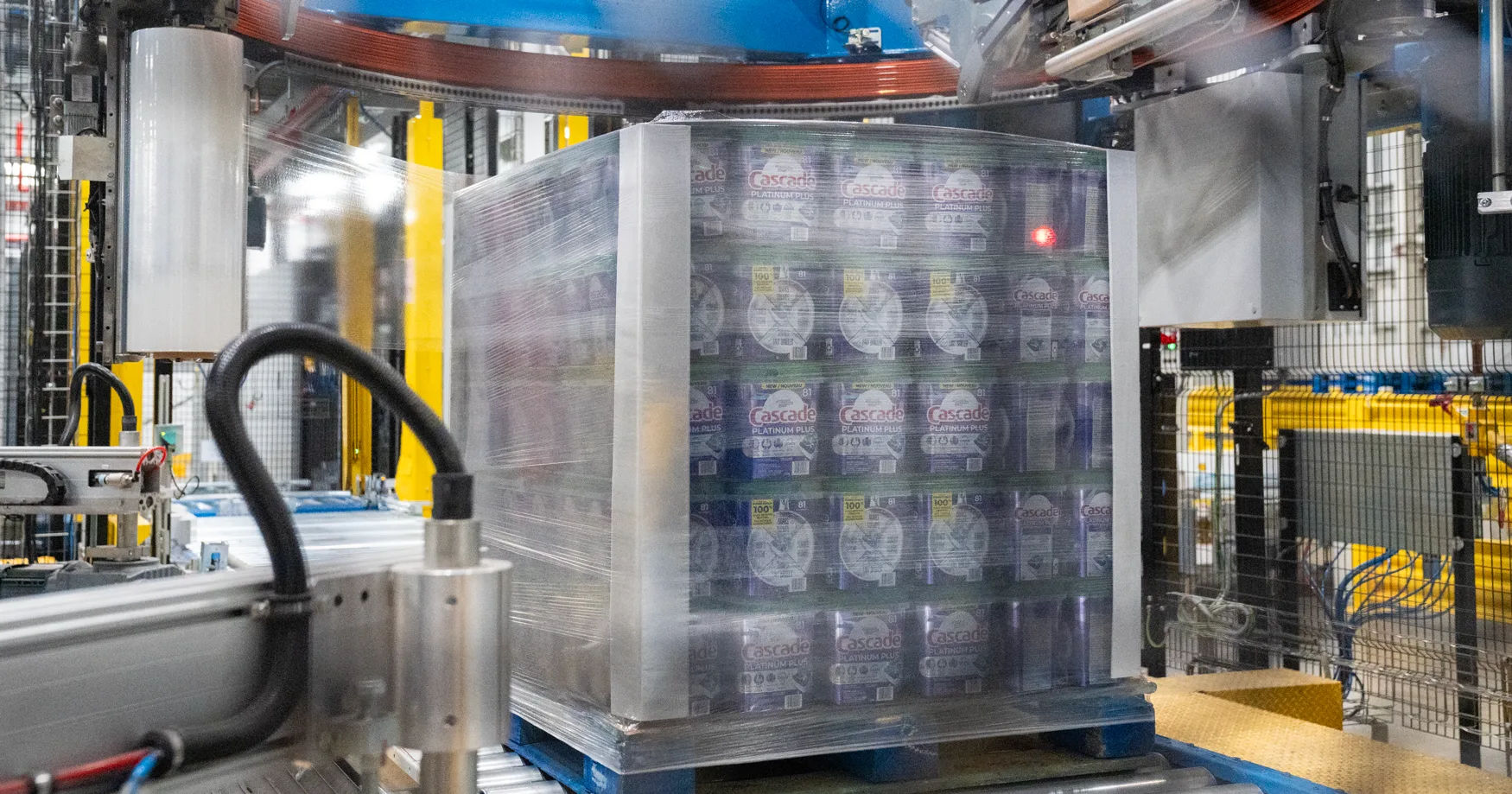
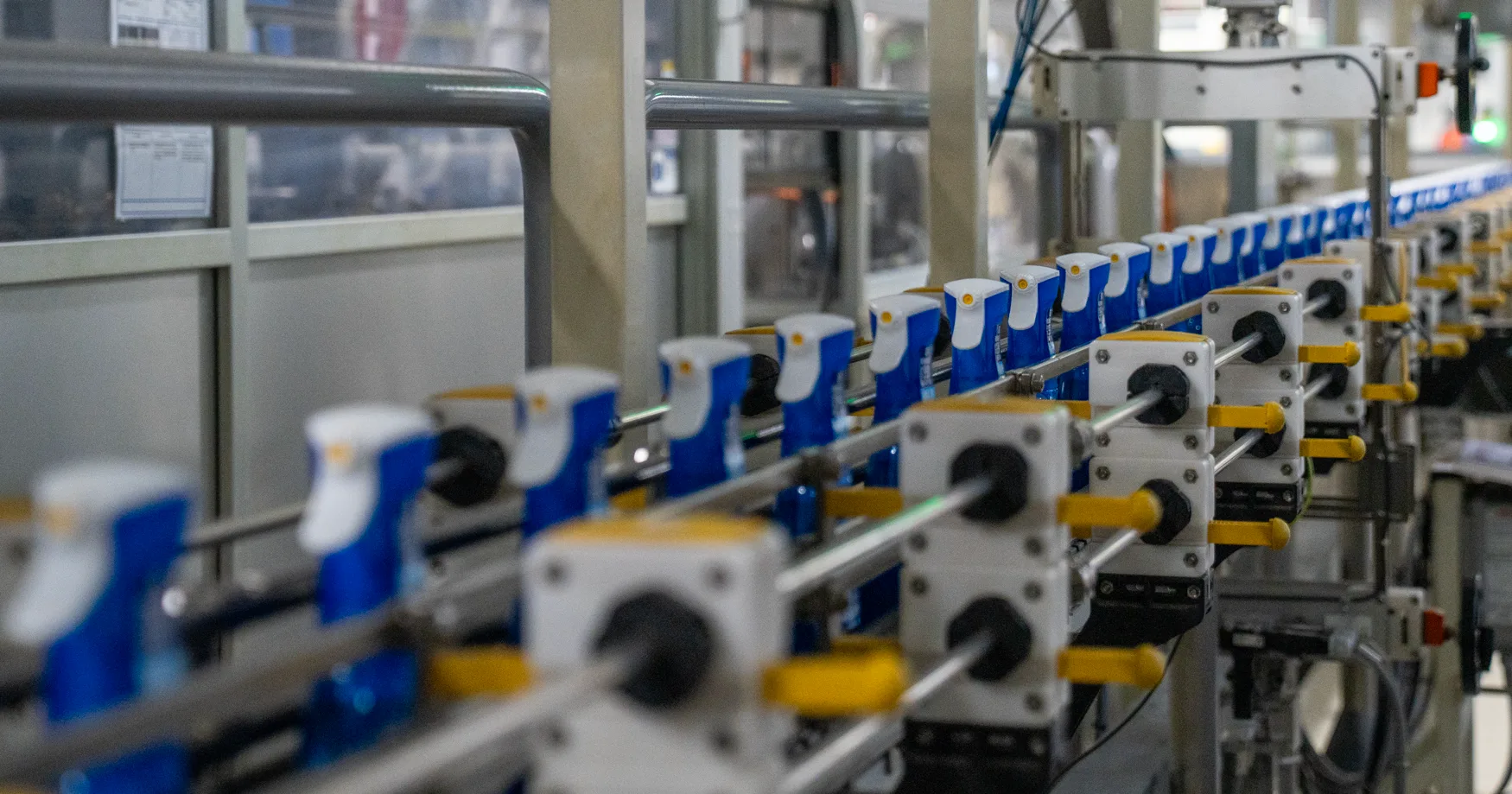
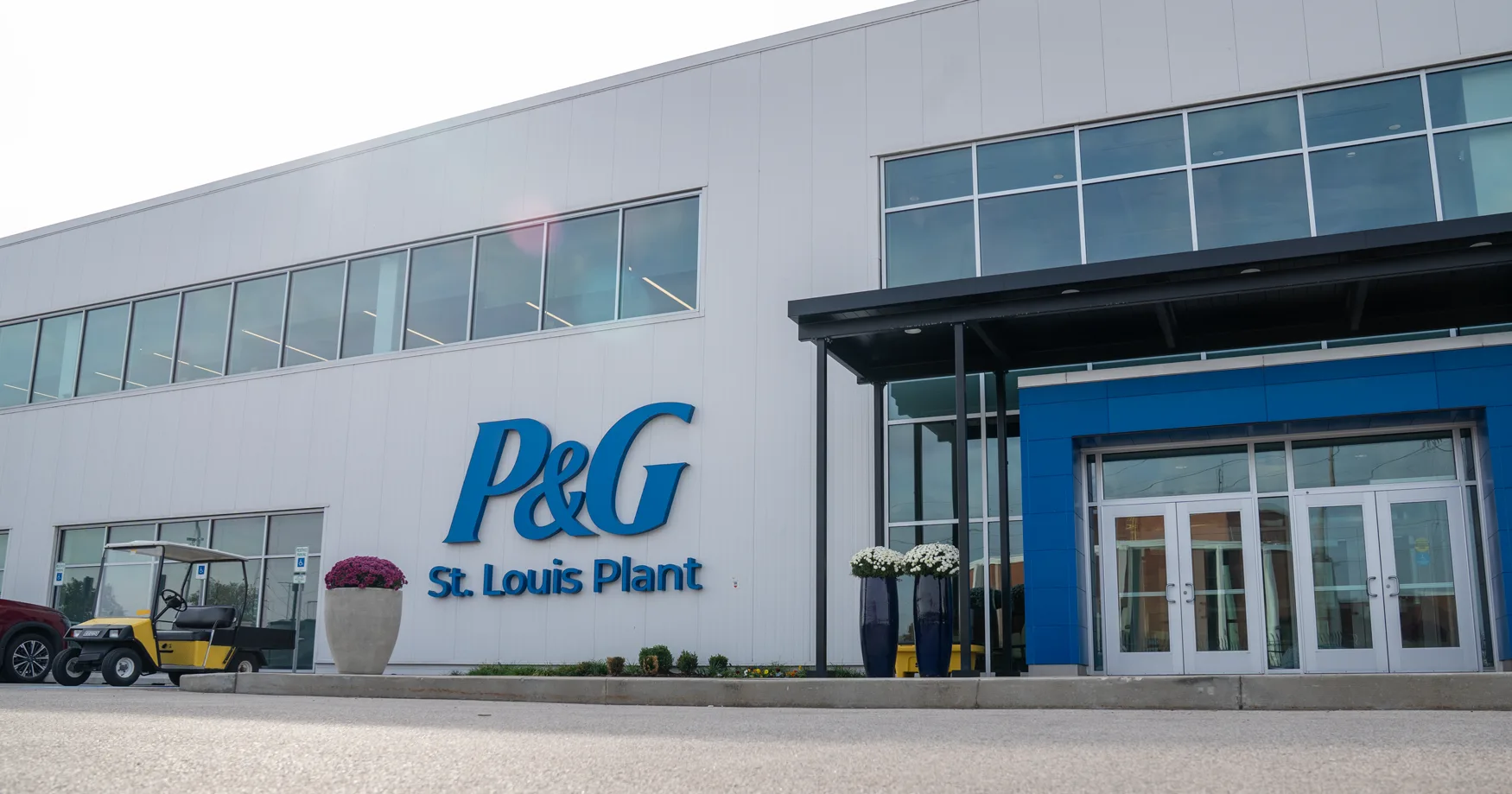
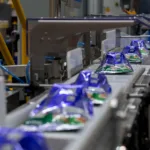
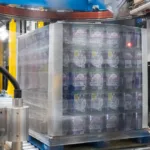
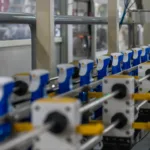
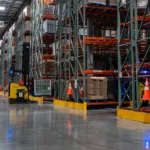
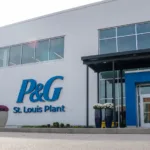
P&G first expanded to St. Louis in 1927 with its acquisition of the William Waltke & Co. soap manufacturing facility, and nearly a century later the campus hums as different lines churn out pallets of home consumer products that will eventually wind up in stores across the country. Two years ago the company doubled down on local operations, investing $180 million into an expansion, which promised to add 100 additional jobs to the existing 530 on site at the time.
Today, Sudanandha counts 650 P&G employees at the site. She says it’s a place fertile with opportunity for those willing to seize it.
“We are a promote-from-within company,” Sudanandah says, with entry-level work on a specific part of a manufacturing line sometimes becoming leading that line, or even leading business across lines. The company seeks to instill new skills in employees, such as digital skills or leadership qualities.
“I’ve been 20 years in the company, and throughout my career, I have not only focused only on manufacturing. I have done supply chain,” Sudanandah says. “I’ve done an assignment in digital. Done one in end-to-end synchronization across the region. Because many different skills enable you to become a well-rounded leader.”
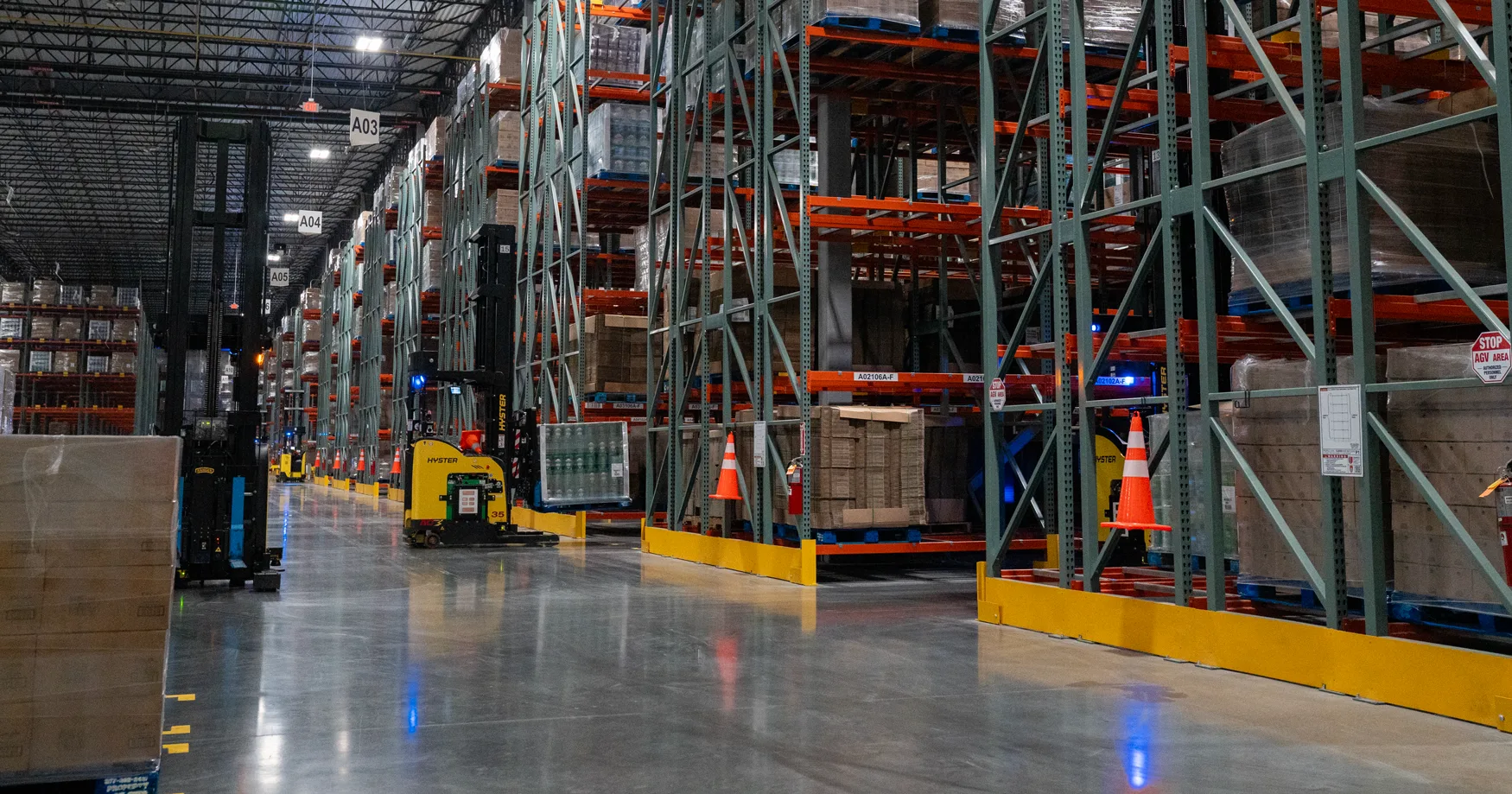
And even amid a push for more automation within P&G’s operations (the North City facility has dozens automated forklifts that maneuver pallets of products around), she says the company invests into training that keeps workers’ skills relevant.
“We need people who are able to understand how that technology works,” Sudanandah says. “It’s about shifting away from the non-value-added tasks—do I load something, do I handle material?—to, ‘How do I think about the strategy and flow of an [automated guided vehicle]?”
That shift, she says, creates more meaningful work instead of eliminating jobs.
Despite being at the company for two decades, Sudanandah is a newcomer to St. Louis, having transferred a little more than a year ago from the company’s Tabler Station site in West Virginia. The first 13 years of her career were spent in Germany.
“As someone who doesn’t come from this country, I felt embraced here,” she says. “I love the city. I think the beauty of it is the people, the friendliness of the community. I love the food scene. I love how history is mixed with everything. I turn a corner and I see something that’s been there for 100 years.”