Susan Hanley once expected something bigger. Something grand.
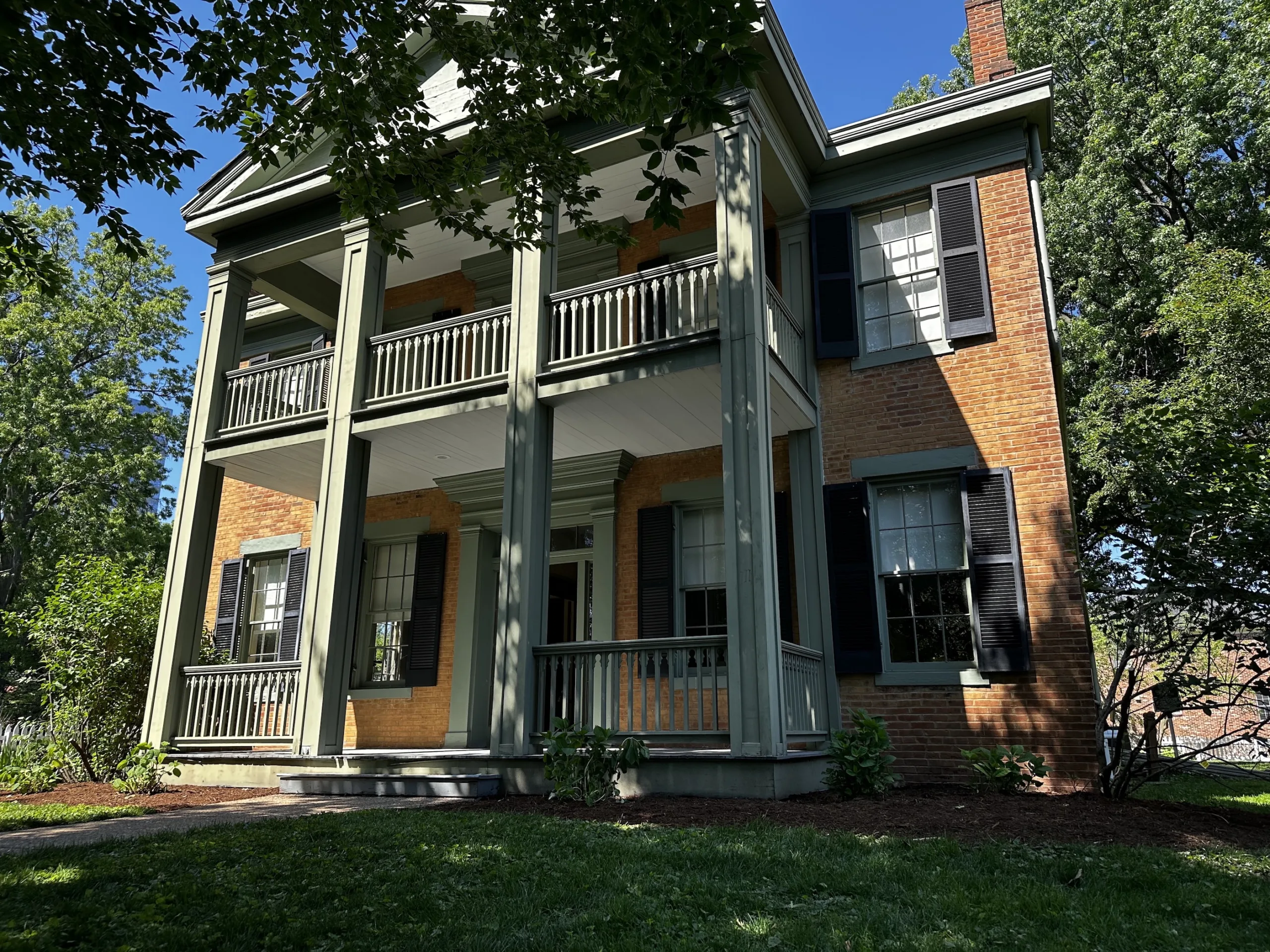
As a child growing up in Minneapolis, Hanley had heard of her family’s ancestral Clayton home, with its brick facade and surrounding farmland property, and pictured something stately and Hollywood-esque. “Without seeing it, I had visions of Tara in Gone with the Wind,” Hanley says.
But when Hanley first visited the home years ago, she was struck by the reality of the property. It was more compelling than she imagined in childhood. Not romantic like Tara, but more honest and revealing about the era—and the people—that produced it.
Discover the latest Clayton news and events
Subscribe to the Clayton newsletter, sent every Thursday.
The Hanley House (7600 Westmoreland), which closed during the pandemic in 2020, hosted a ceremonial reopening Tuesday ahead of public tours resuming next year. During the closure, the property saw restoration work, like masonry repairs and waterproofing. But what struck Hanley, a retired professor now living in Seattle, during her latest visit to the neighborhood this week was how much of the home’s story remains intact.
“It’s all still here,” Hanley says.
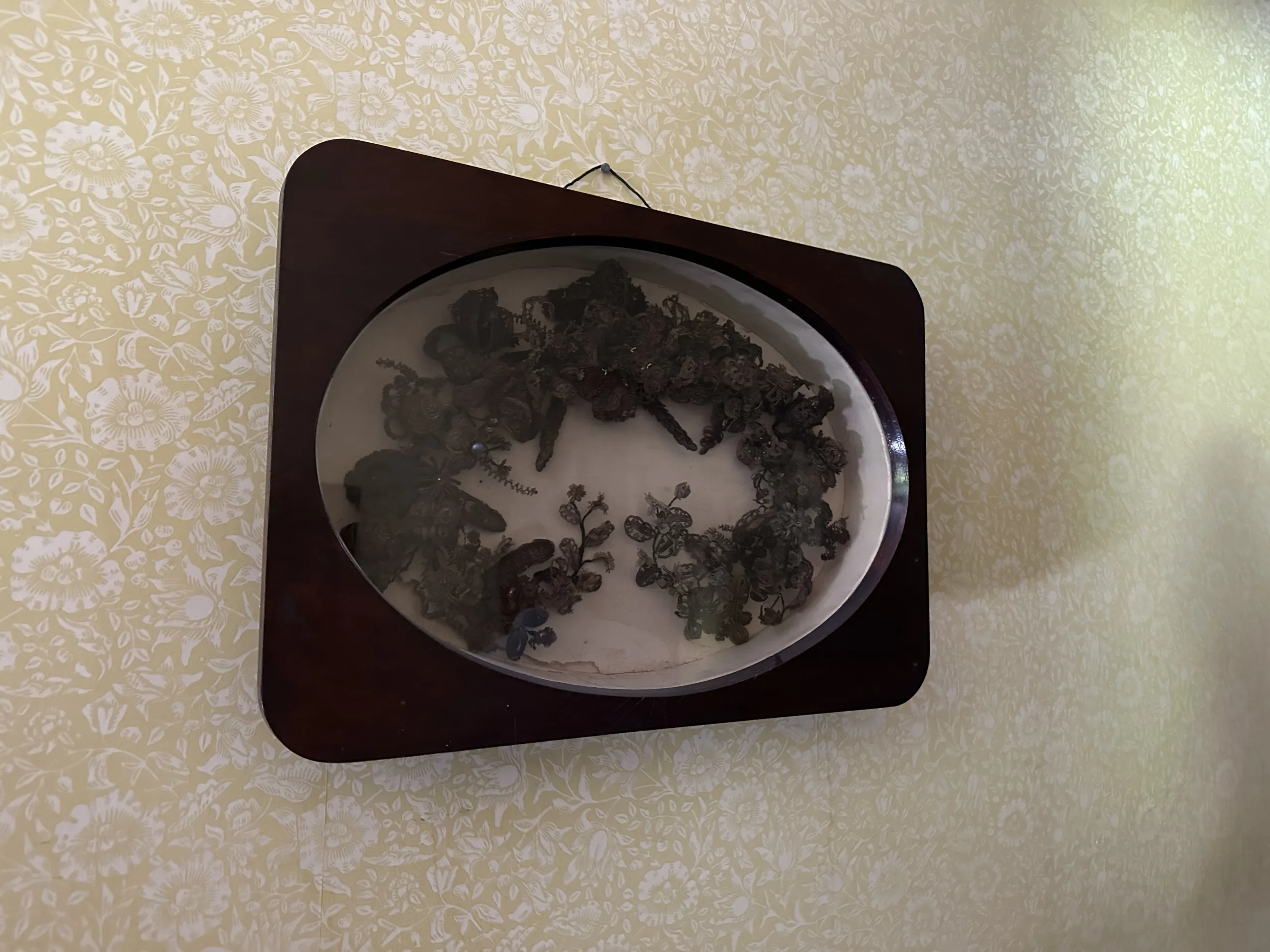
That includes many of the original furnishings and personal artifacts neatly stored inside the rooms. Yellowed handwritten letters are still tucked inside the drawers of a secretary desk. Framed hair art made from relatives’ strands hangs on a wall by the staircase. A piano once played for Civil War soldiers also remains.
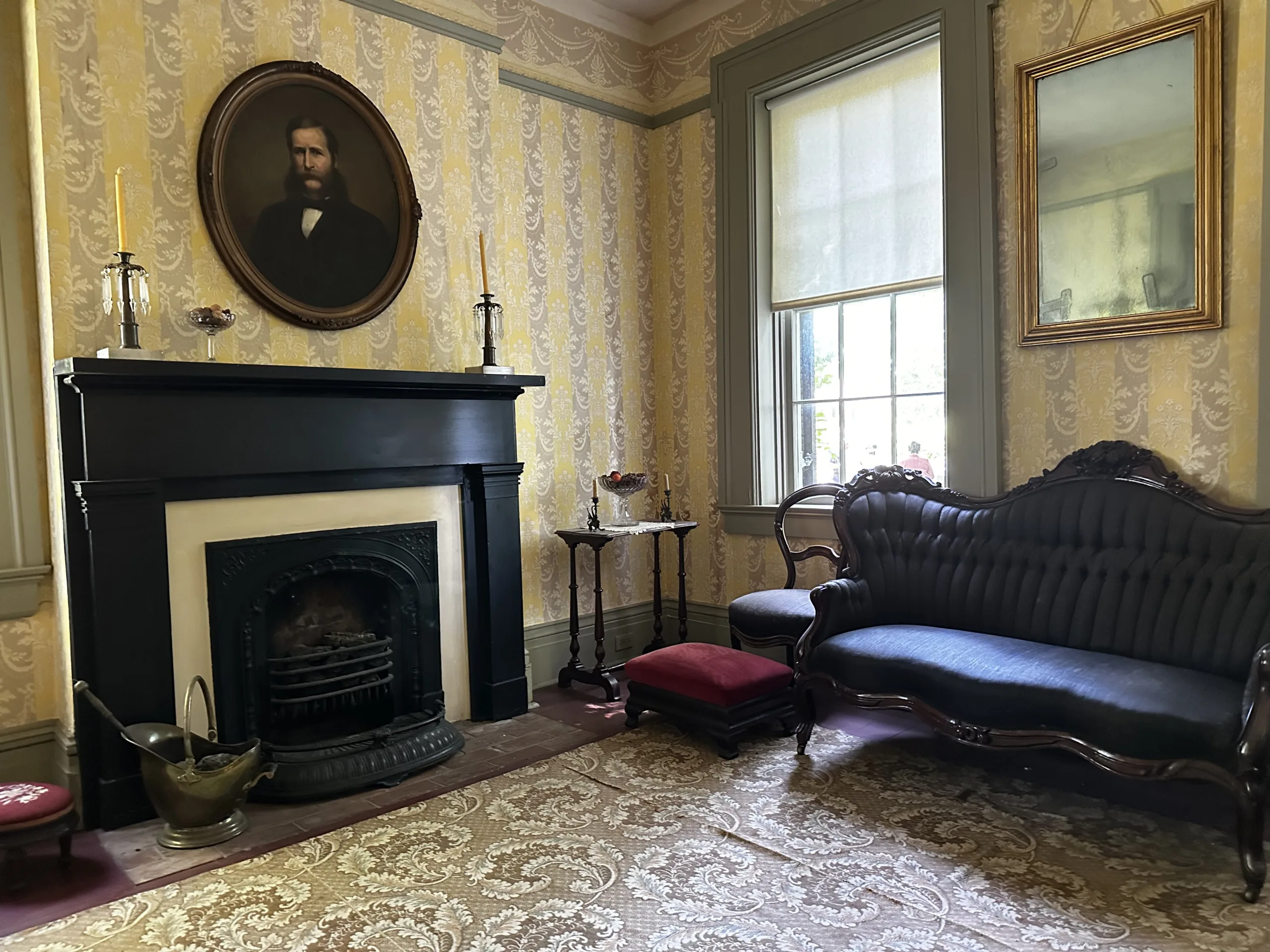
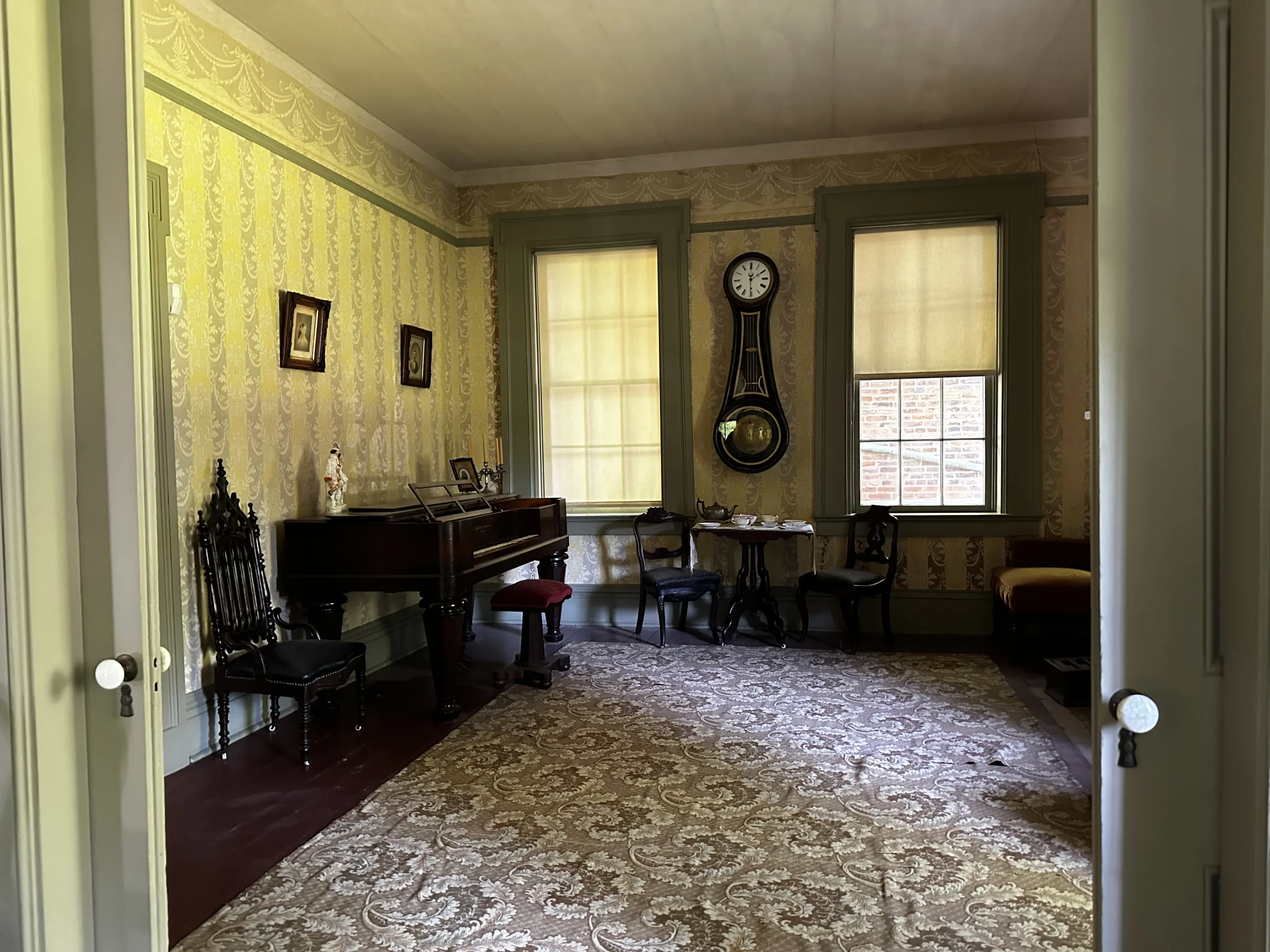
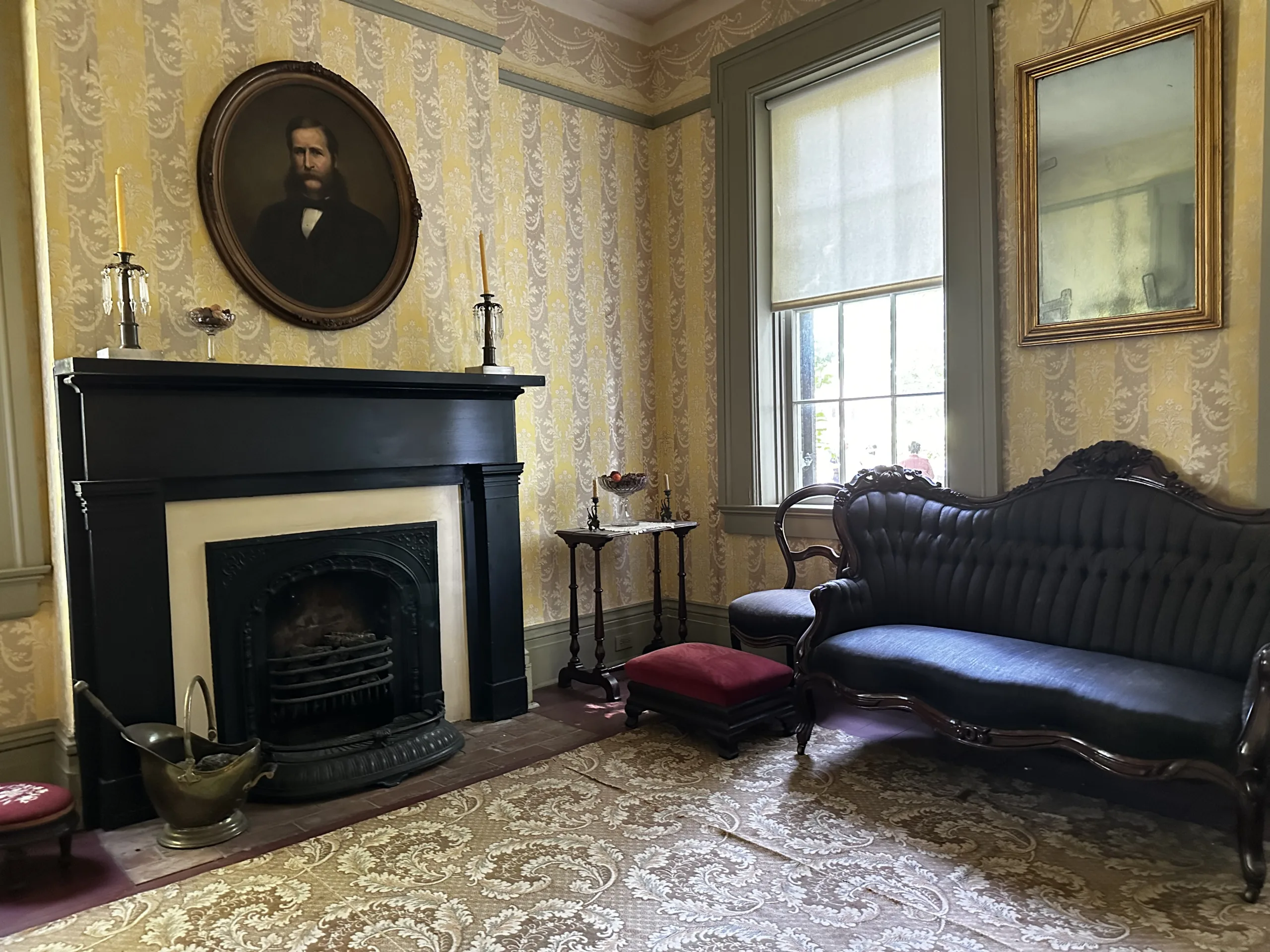
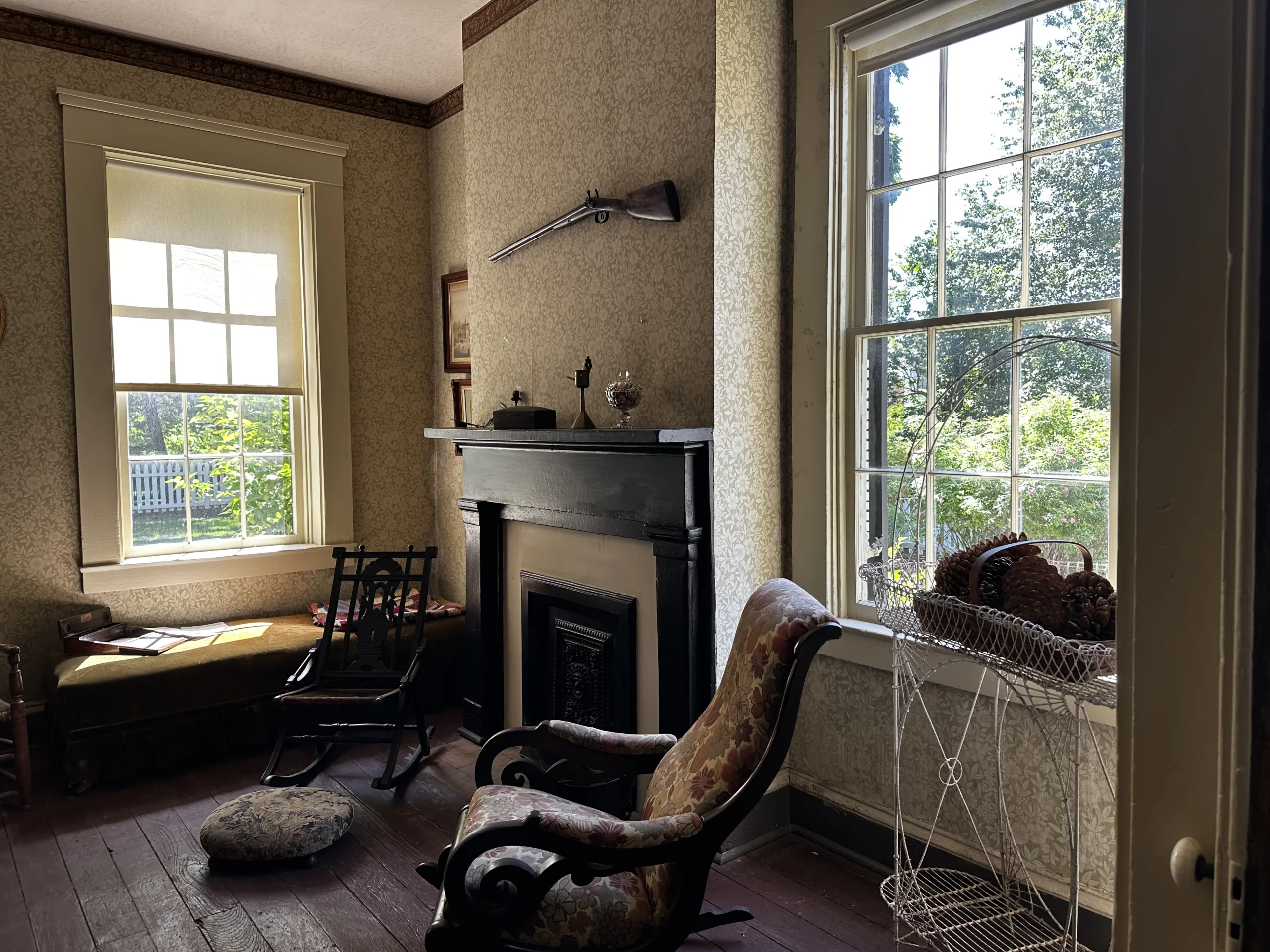

Listed on the National Register of Historic Places, Hanley House is the oldest surviving home in Clayton. It was built by Susan Hanley’s great grandfather, Martin Franklin Hanley, in 1855. Roughly two decades later, Martin Hanley donated four acres of farmland, alongside neighboring farmer Ralph Clayton’s 100-acre donation, to form the city of Clayton—and the seat of St. Louis County after the 1876 “Great Divorce.” The Hanley House remained in the family for generations before the city of Clayton acquired the property in 1968.
“This is the reason the city of Clayton exists,” says Alex Elmestad, executive director of the Clayton Community Foundation. “Without the Hanleys donating a piece of their acreage to become the county seat, we don’t have the Clayton we know today. It is, in a sense, the founding story of the city of Clayton.”
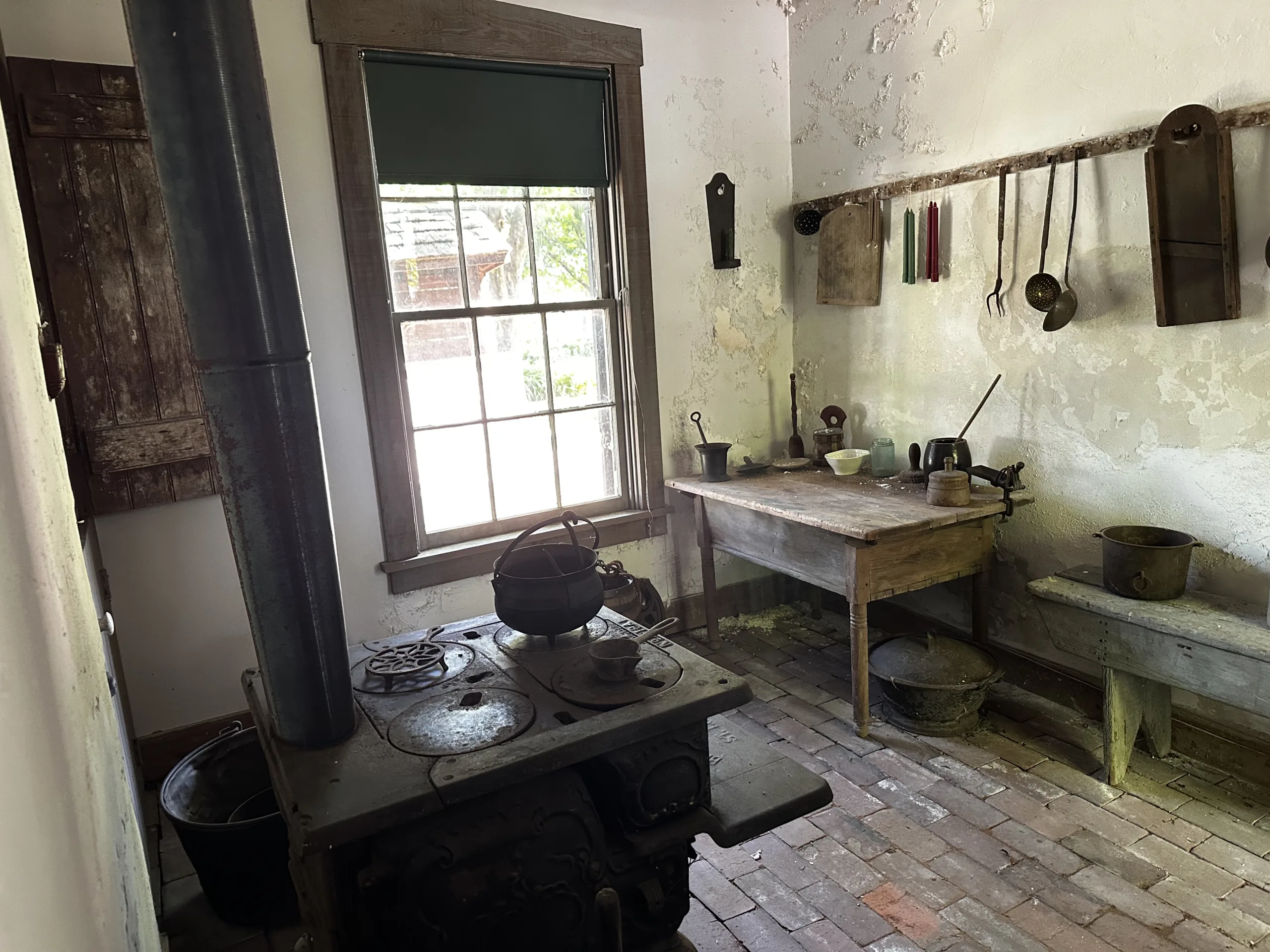
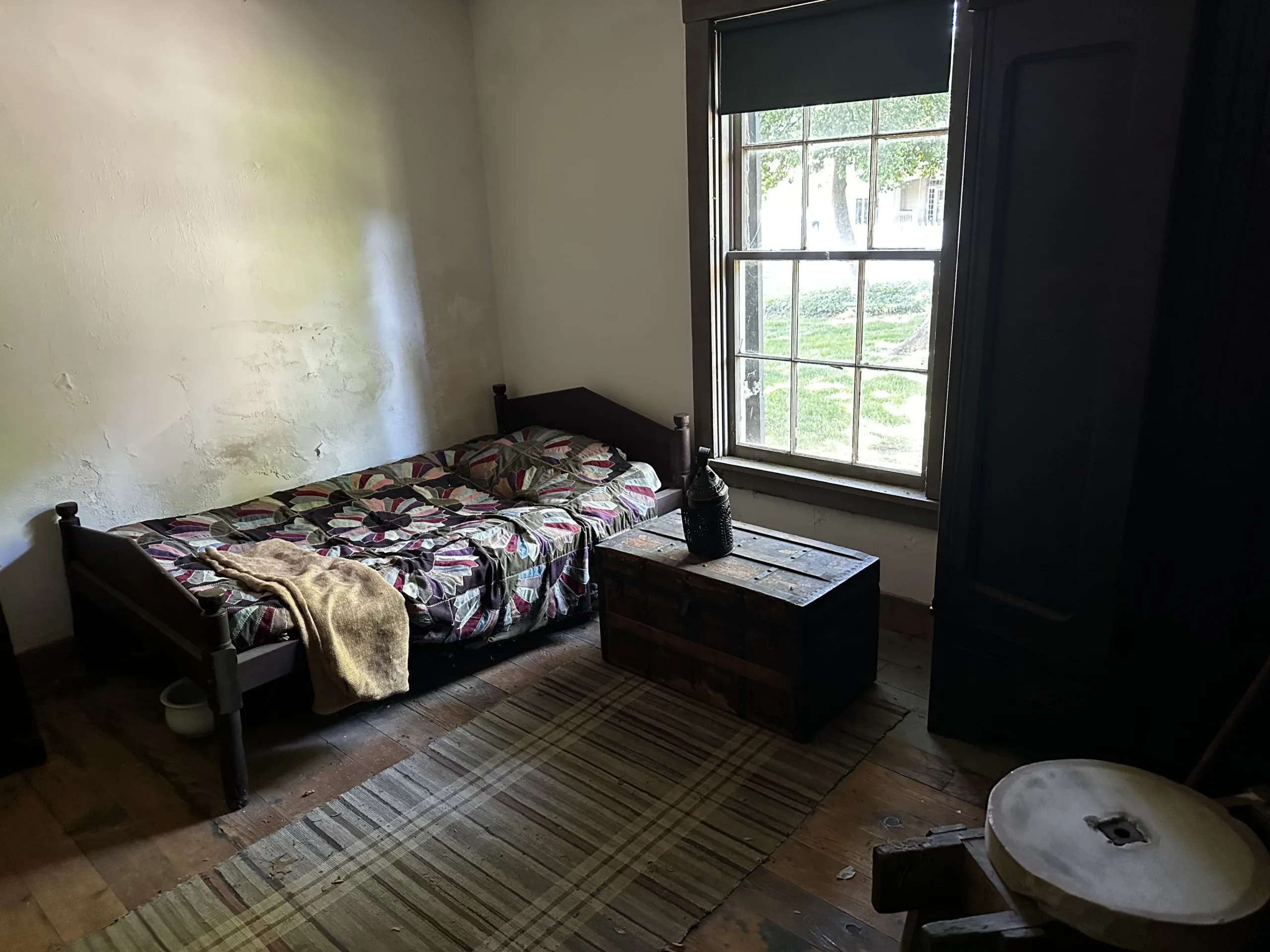
Behind the main house, a detached building with a brick kitchen and preserved slave quarters remains standing. That’s a rarity. Elmestad says it’s his understanding that fewer than 2 percent of historic homes in the state still have standing slave quarters.
The Hanley family owned three enslaved people, including a woman named Lydia Jackson.
“This house not only represents a well-to-do family—although often dealing with financial problems—it also represents how slaves who worked for a family lived,” Susan Hanley says. “This represents all classes of society. It really represents to us what the past was like, and how people lived 170 years ago.”
On Tuesday morning, Hanley joined city officials outside the house for a ceremonial oak tree planting. For her, the experience of returning to the ancestral home meant a lot. The home she once imagined as something big and grand now feels valuable for a much different reason.
“It really shows how life was lived,” Susan Hanley says. “It’s not political history. It’s the history of common people. I am very proud to be a part of trying to save this house.”