Editor’s Note: This interview took place in mid-March, at the very beginning of the COVID-19 crisis.
In April 2019, Jack Galmiche, longtime CEO of the Nine Network, died unexpectedly. His passing sparked a nationwide search for a replacement, but the station ended up choosing a candidate here at home: Amy Shaw. As a kid, she’d been a viewer of KETC; in 2003, she became an employee. Eventually she rose to the No. 2 spot as the station’s senior vice president and chief content officer. In the years that Shaw has been on board, the network has branched out to four broadcast channels, multiple online platforms, and live events. As CEO, she wants to ensure that Nine stays relevant in the age of Netflix, iPhones, and now, COVID-19. Says Shaw: “People aren’t gathering. We in public media are in a very good position to help them through that.”
Get a fresh take on the day’s top news
Subscribe to the St. Louis Daily newsletter for a smart, succinct guide to local news from award-winning journalists Sarah Fenske and Ryan Krull.
Will you steer the network in a new direction? Nine Network is a really big deal in the public media industry—we’re known to be innovative; we walk into a room with swagger; people know who we are—but we’re an organization with limited resources. Especially now, with this [COVID-19] crisis, we’re going to have to figure out where our impact is greatest and focus on the things that are most essential.
What is most essential, in your mind? Local, local, local. A lot of our content is national, and that’s important, but what’s essential is the steady drumbeat of stories from inside our community. In the financial downturn we did Facing the Mortgage Crisis. We were there for Ferguson, talking to the activists and leaders. Gentlemen of Vision was a documentary we did about a step team. It’s a St. Louis story that’s not about crime; it shows young men of color in a different light. The U.S. State Department chose it to be part of a film diplomacy program. It’s been seen by millions of people.
The number of regular shows that Nine produces in-house has dwindled. Are you shifting resources more toward live events? Events are a very big part of our work. Last year, we engaged 25,000 people who came to Nine Network events—for example, we celebrated the local food scene with Taste and See in the Public Media Commons. We’ll be reinvesting in local content as time goes on; the plan is younger talent, different voices, on air and online. But for us, it’s not just about telling the stories; it’s being part of St. Louis’ transformation.
“Public media’s real evolution is this idea of being relevant and essential in our community by addressing big issues.”
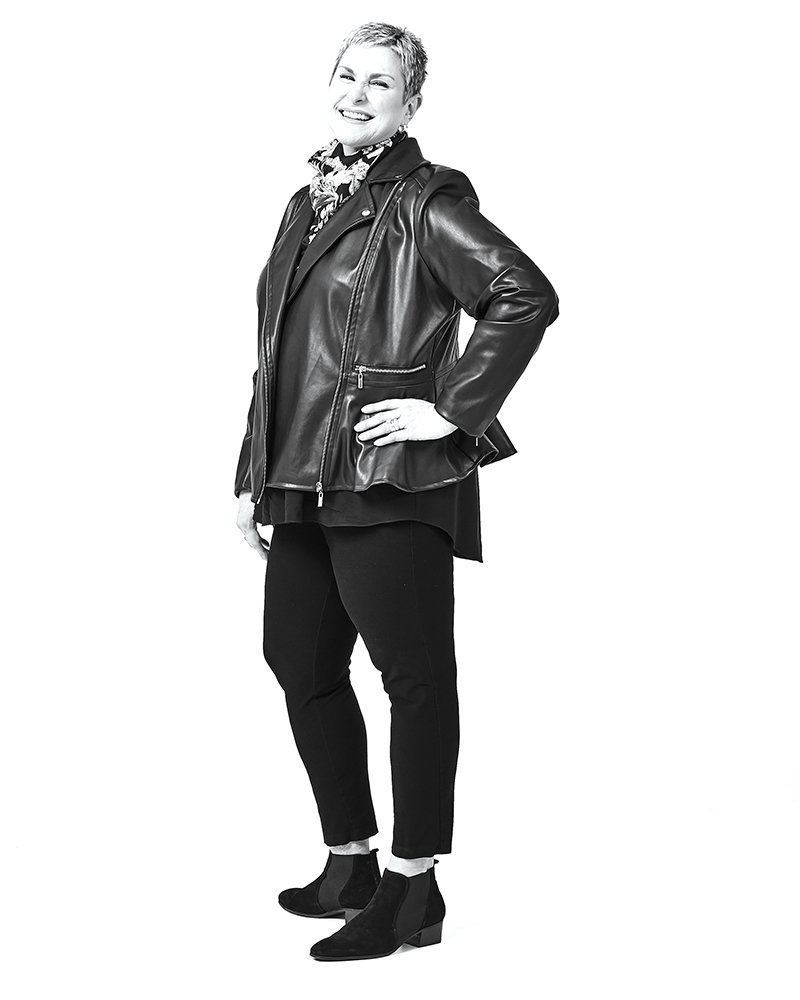
Has the popularity of subscription streaming services and video-sharing changed your operations? It has turned out to be a benefit for a couple reasons. We’re available everywhere now. We’re on YouTube TV. Facebook is our sweet spot. We can never compete with Netflix—our entire annual budget is basically equivalent to the cost of producing one season of The Crown—but we have our fingers on the pulse of the community. The key differentiator is that we’re local. Public media’s real evolution is this idea of being relevant and essential in our community by addressing big issues.
What big issues are you addressing? One is early childhood education. We work with a large group of partners on the ground who use our PBS KIDS content. You can stream PBS KIDS free of charge. It has 70 free apps for children. Another big issue is workforce development. We’re the lead nationally on the American Graduate initiative, which has evolved to focus on the need for talent in areas like IT, coding, health care, skilled trades. It raises awareness among young adults of the education and training pathways to high-demand skilled careers. Our work has been very clear in telling those stories.
But how are you reaching young adults? I can’t imagine they watch a lot of PBS. So many kids are cord-cutters or cord-nevers. But we are seeing our numbers increasing among people 18-34 years old. That doesn’t mean they’re watching us in the way their parents did. We connect with that demographic through social media, but also they’re getting us through their influencers—their high school teachers, guidance counselors and parents. That generation is very connected to the adults in their lives. The magic is that they believe in the content because it’s a trusted source. They grew up with Sesame Street and Mr. Rogers. Because of that nostalgia, we have an entree that a lot of other media would not have.
Sometimes PBS will nationally advertise an upcoming film or series but it doesn’t appear on Nine right away. Why? Public television stations are locally owned and operated. If something is happening locally is really important to the St. Louis community—and we know that based on our data—oftentimes we’ll have that show push back the national programming. Over the last year we have very much tried to limit that and to adhere to the national schedule, partially to leverage national promotion. But we’re not NBC or CBS; we’re not mandated to run certain things prime-time. We’re meant to have a lot of flexibility.
The BBC is often held up as a model of public broadcasting. What can we learn from it? There’s a lot to be learned from the BBC, but it’s not an easily replicable model in the U.S. Their funding is basically a tax levied on the citizens of the U.K. If every person in the St. Louis region gave a dollar more a year, it would augment our revenue by $2.7 million. Just think about what you could do with that, how you could create content that addresses community issues. But that’s not our model of public broadcasting, which gets one hundredth of 1 percent of the federal budget. At Nine, less than 15 percent of our funding comes from government sources, so we need the support of the local community.