Dr. Kavitha Kosuri
Medical Oncology
Mercy Clinic Oncology and Hematology
The six-letter word carries with it significant weight, so Kosuri is extra mindful of the impact whenever she says “cancer” to a patient. “That word can be paralyzing, at times,” Kosuri says. In her career, Kosuri has used education and empathy to combat the horrors associated with the word. Sometimes, all it takes is a conversation about treatment options or the importance of getting screened at appropriate times. “Depending on where a person is in their cancer journey, my role is to provide recommendations based on science,” Kosuri says. “The equally important piece is to help people understand their options and help them not be so fearful.”
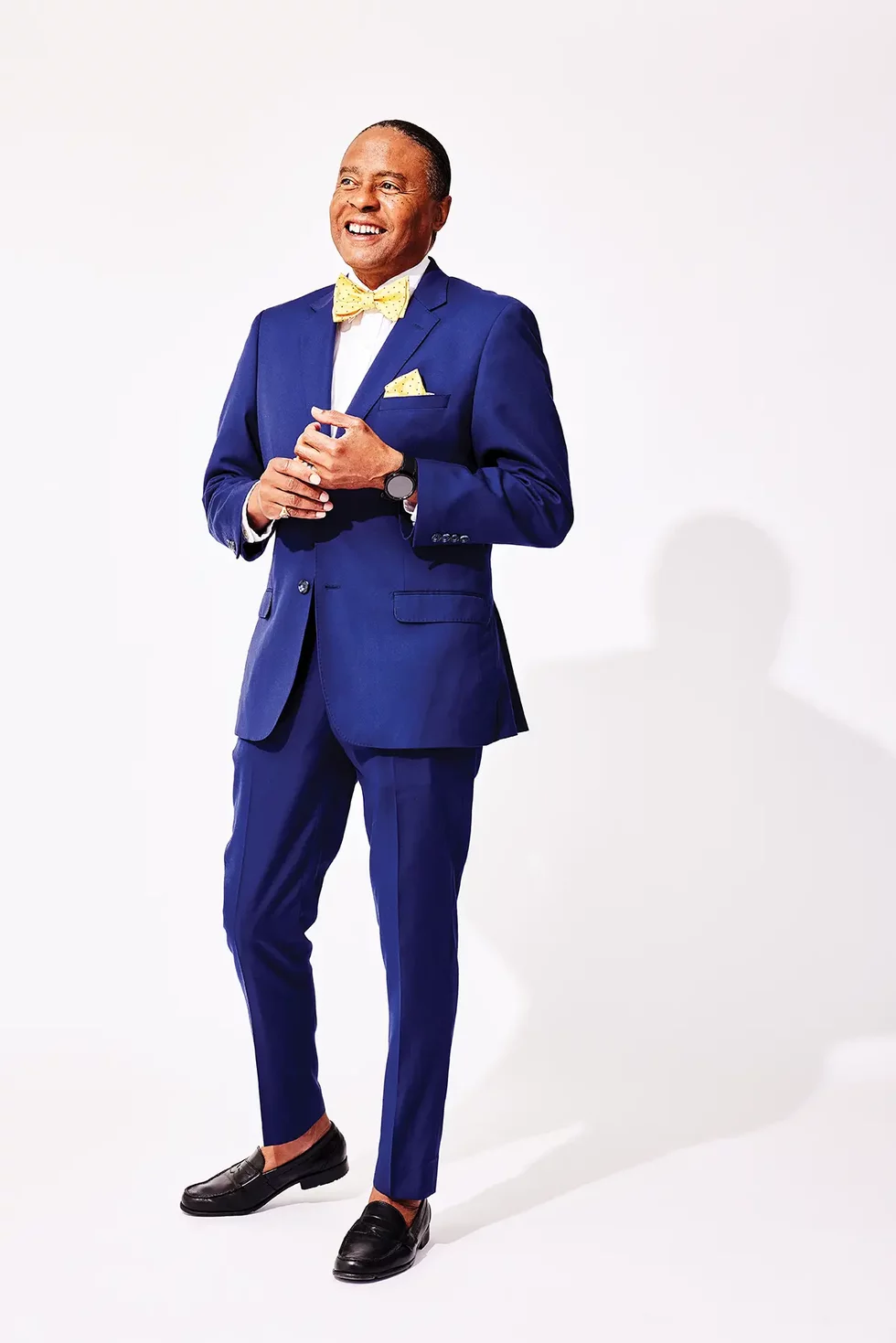
Dr. Joel Y. Riley
Gastroenterology
SSM Health Medical Group
Artificial intelligence tools are helping gastroenterologists such as Riley reimagine how they administer care. Riley uses AI applications nearly every day, and the new technology has proven especially helpful during colonoscopies. It has allowed Riley and his colleagues to examine a bigger swath of data to highlight areas of concern and oversee better, more thorough evaluations. “It’s evolving so quickly,” Riley says. “Two years ago, we weren’t using it. Now, using artificial intelligence with colonoscopies is becoming the standard of care.” Caring for patients has been a privilege for several generations of Riley’s family. As a kid, he’d tag along to work with his grandfather, a cardiologist, and his father, a surgeon. Today, his sister and two sons are also in the medical field. “What I was taught, and what I have tried to instill in my children, is being a physician is a humble honor,” Riley says. “Our mission is to serve.”
Your guide to a healthier, happier you
Sign up for the St. Louis Wellness newsletter and get practical tips for a balanced, healthy life in St. Louis.
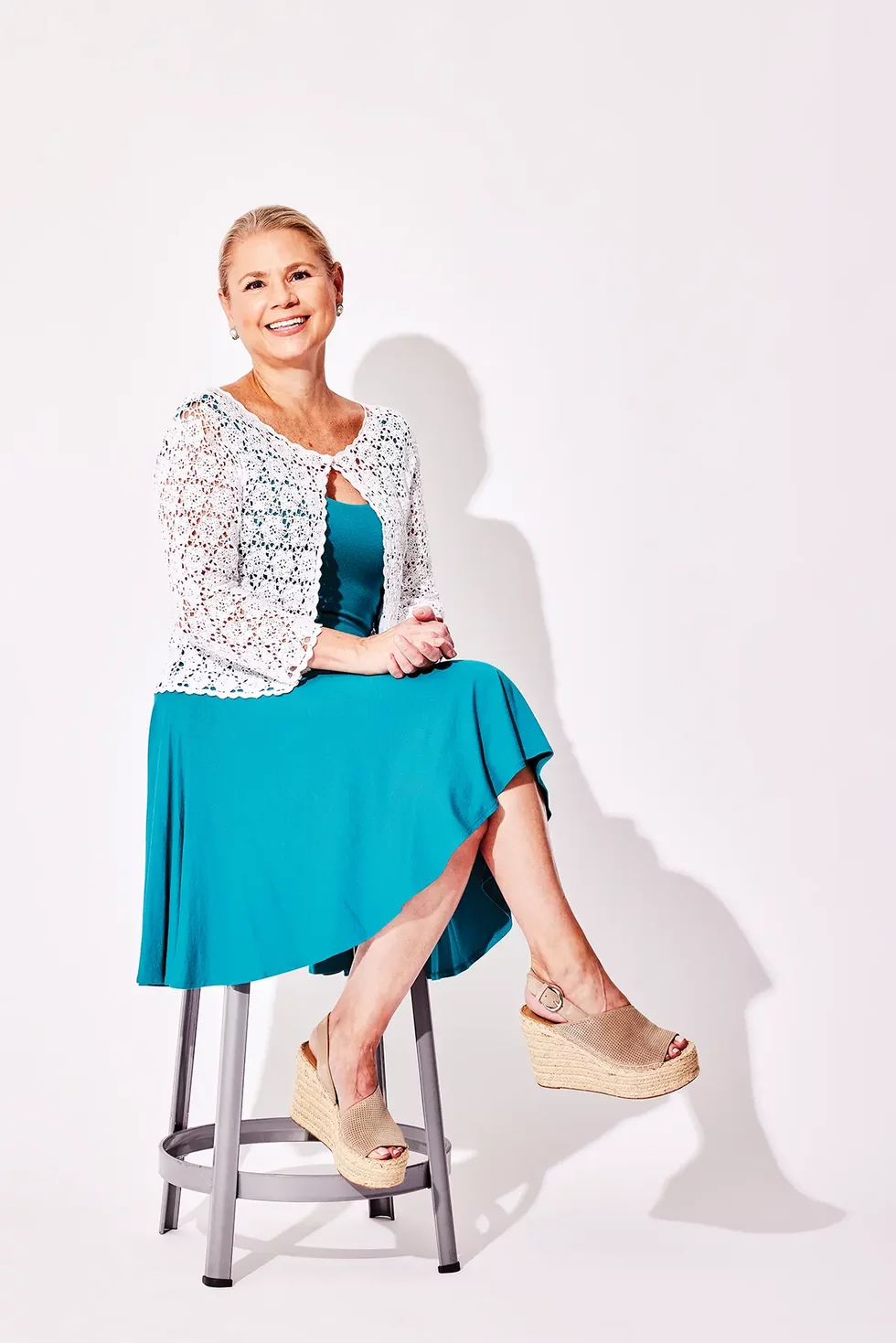
Dr. Lizette Alvarez
Physical Medicine & Rehabilitation
Signature Medical Group
Alvarez specializes in a field that allows her to not only impact a patient’s functional abilities but also treat their entire well-being, rather than focusing on a particular symptom or problem. For Alvarez, there are plenty of advanced treatments to look forward to using with patients, including stem cell therapy to treat stroke patients, as well as those suffering from spinal cord and brain injuries. “On a regular basis, we see patients improve their daily lives,” Alvarez says. Recently, the expanded use of botulinum injections has allowed Alvarez and her colleagues to better treat patients with migraines, cervical dystonia, spasticity, hyperhidrosis, and neurogenic bladder, among other issues. “After [giving] injections, we often hear gratitude that we have given them their lives back,” Alvarez says. “That alone makes what I do worthwhile.”

Dr. Tingting Li
Nephrology
Washington University Physicians
Li specializes in glomerular diseases, which are rare conditions that are often autoimmune in nature. For decades, doctors had few treatment options for such disorders. In some cases, there was no treatment at all. Recent years, however, have proven more fruitful. “We have entered an exciting era with several approved treatments and many more emerging therapies on the horizon,” Li says. “These remarkable breakthroughs have shown promise in delaying or preventing kidney failure and brought hope to our patients with these devastating diseases.” As advanced innovation and modern research continue to help the field of nephrology evolve, Li is hopeful that physicians such as herself will soon have even more diagnostic tools, along with personalized therapies, to help patients navigate their conditions with minimal side effects. “I would like to see all patients receive the comprehensive care they deserve,” she says, “with a patient-centered approach and access to specialized care and affordable treatment options.”
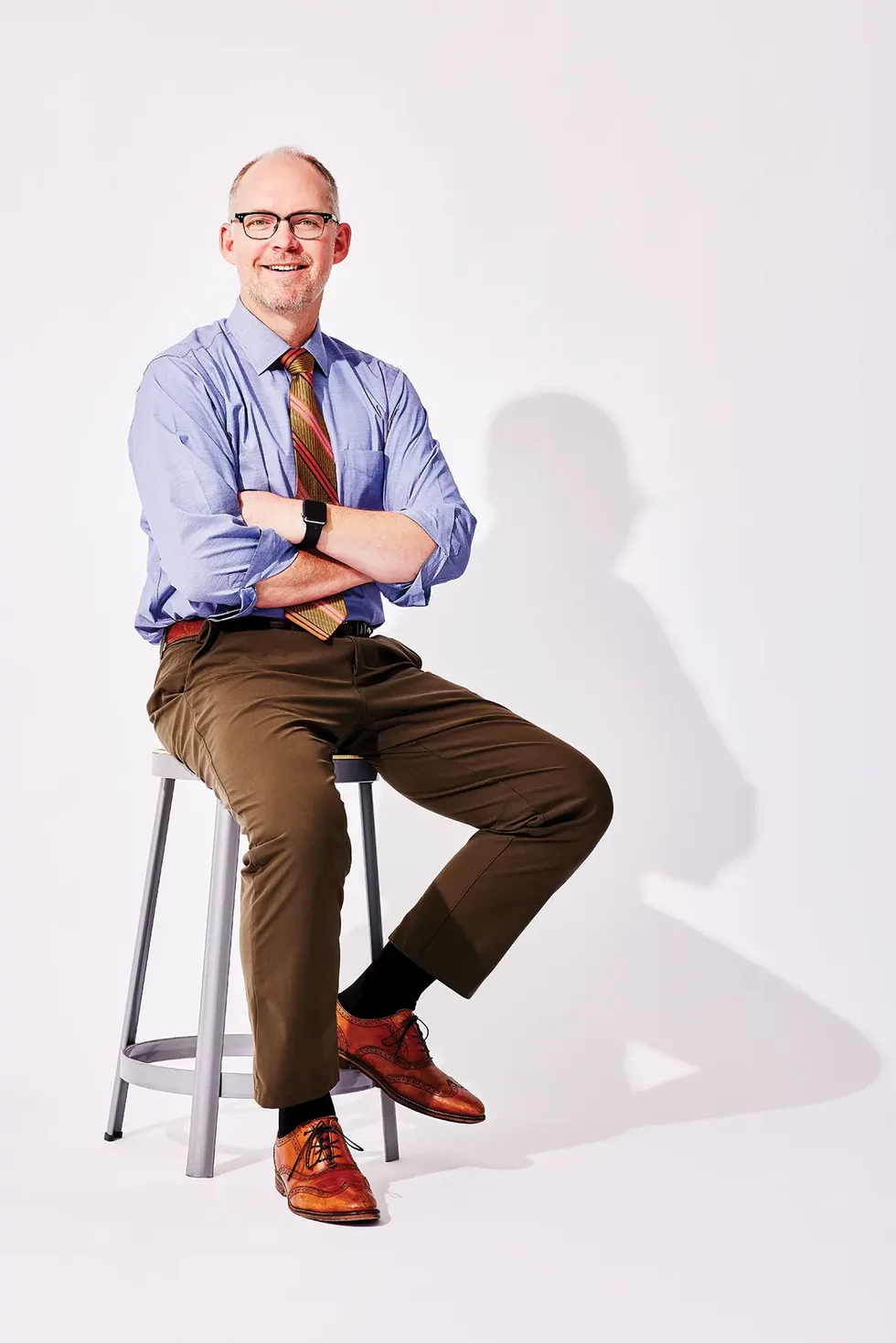
Dr. Brian G. Peterson
Vascular Surgery
St. Luke’s Medical Group
There are parallels between the jobs of a vascular surgeon and a plumber: Both focus on trying to get fluid from one place to the next, dealing with blockages, and, sometimes, relining the pipes. Peterson received an apprenticeship under his favorite teacher: his father, who started the vascular surgery fellowship training program at Saint Louis University. “Watching how dedicated he was to teaching the next generation of vascular surgeons, many of whom stayed in the St. Louis area to pursue a career in vascular surgery, was awe-inspiring,” Peterson says. Over the years, Peterson has watched as several technological advancements in his field have made procedures easier for patients and surgeons alike. Recently, for example, there has been a significant push for less invasive surgeries. “Surgery will always be necessary,” he says. “But if we can make these surgical interventions less invasive, allowing for quicker postoperative recovery, patients—and all of society—will benefit.”
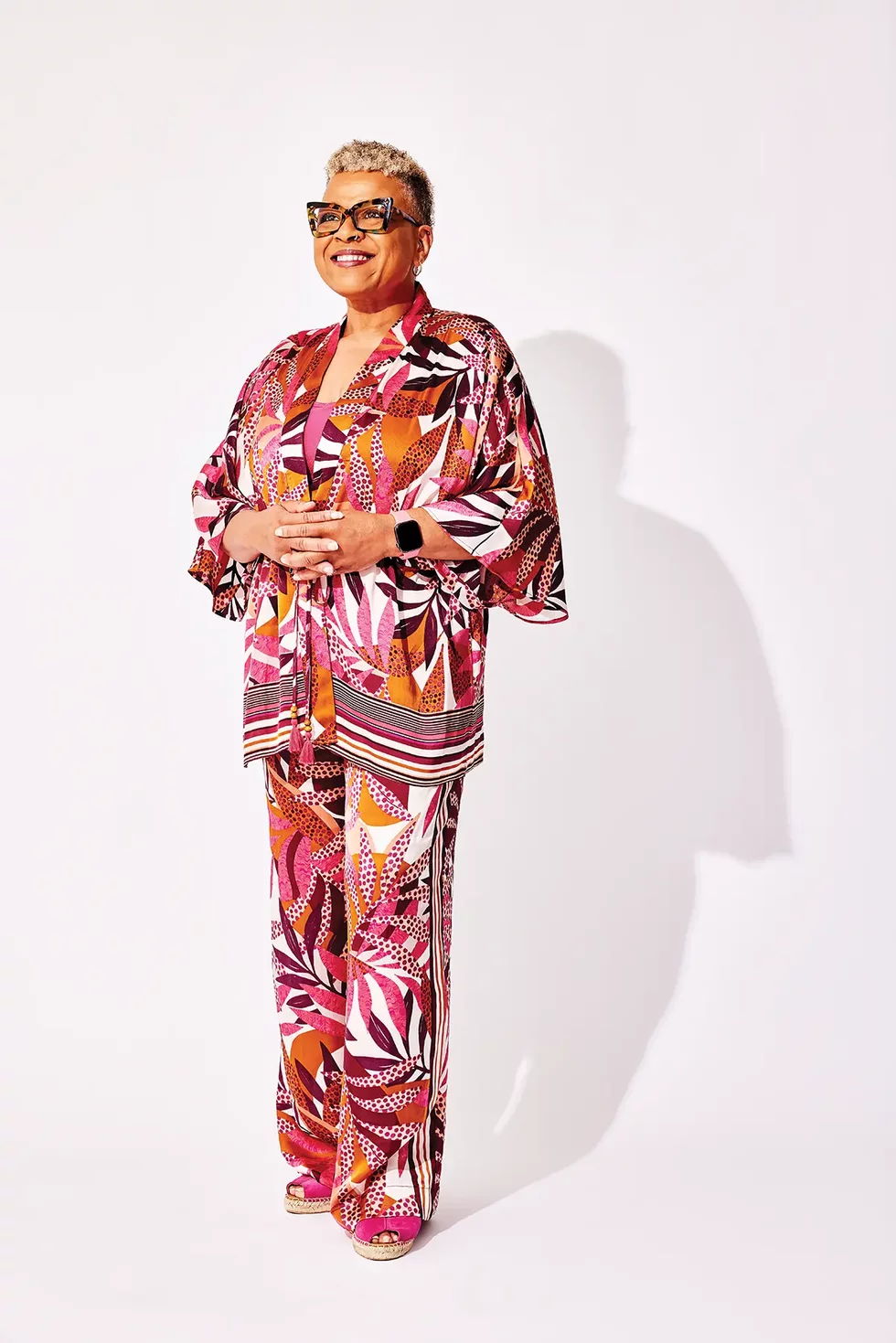
Dr. Cherese Y. Collins
Obstetrics & Gynecology
BJC Medical Group, OB/GYN Associates at Sunset Hills
Collins thanks her mother and grandmother for inspiring her to pursue a career in women’s health. Her grandmother was a midwife in a rural Louisiana town, and her mother was a registered nurse who had big dreams of her own. “When I expressed an interest to go into medicine, my mother told me, ‘I want you to be whatever you want to be,’” Collins says. “She wanted to be a doctor but was told she couldn’t. She said, ’But you’re in a different time. If you want to be a doctor, be a doctor.’” Collins is glad that she took her mother’s guidance to heart. It’s gratifying for her to build relationships with patients and know how impactful her work can be for women and their families. Says Collins, “What’s better than bringing life into the world every day?”
Dr. Jorge Granadillo
Clinical Genetics
Washington University Physicians
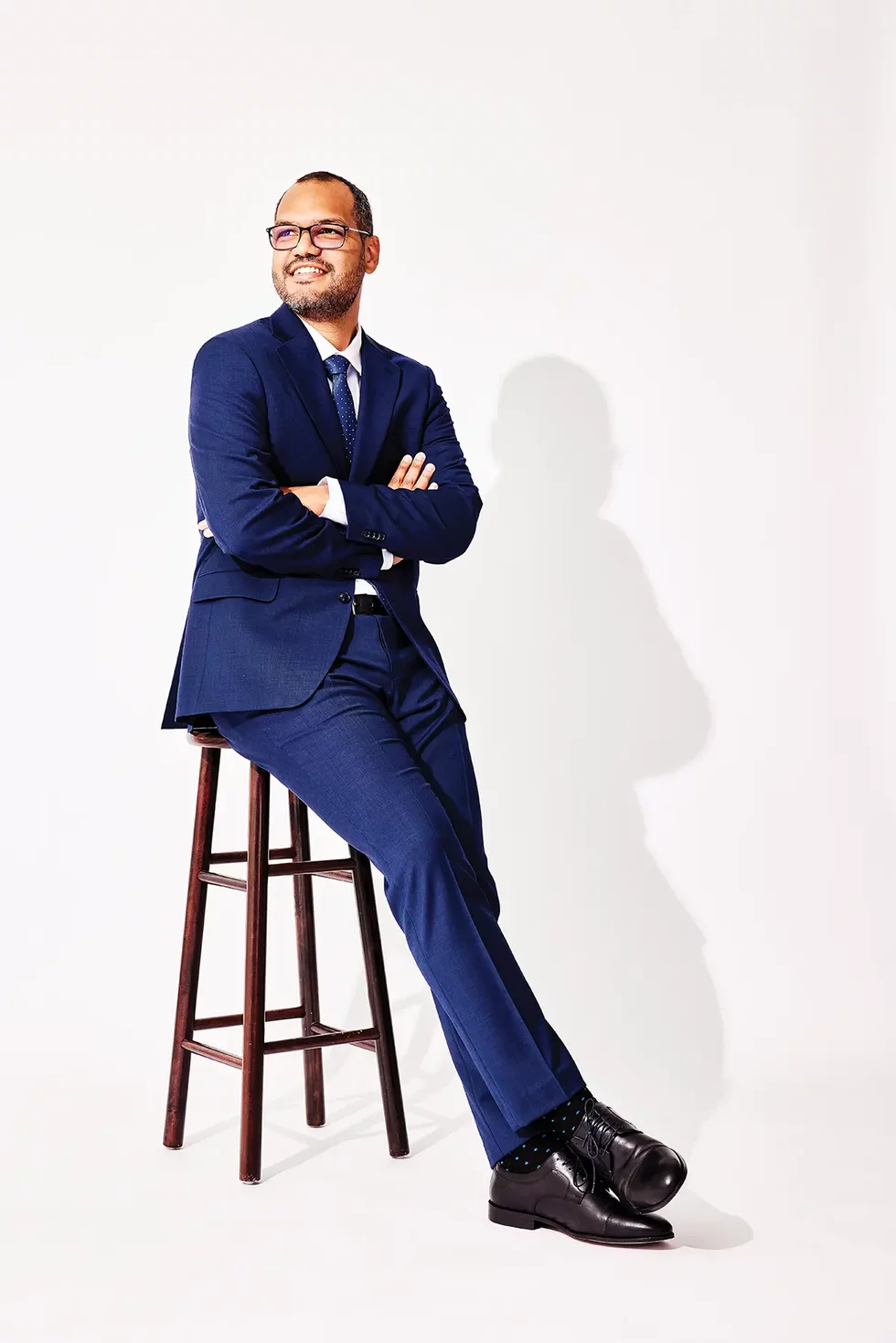
Granadillo traces his interest in genetics to the first time that he saw the film Jurassic Park as a kid. In the movie, scientists use fossilized DNA to re-create a world of dinosaurs. “That was the first time I learned about DNA,” Granadillo says. “I thought, Oh, you can make a dinosaur out of that? What else could you do?” As Granadillo has learned, the answer includes saving lives. Working in medical genetics has allowed him to solve mysterious disorders, help children overcome birth anomalies, and improve patients’ quality of life. Granadillo has a particular interest in developmental disorders, and helping families get the answers they need has been one of his driving motivators. Ultimately, Granadillo wants every patient to know that they are much more than their diagnosis. “There is a tendency for families, and even physicians, to label the patient and put them in a box with their diagnosis,” Granadillo says. “Even though a diagnosis can tell us a lot about some of the challenges they will face, every patient is unique.”
Dr. Gloria C. Lehmann
Pediatric Cardiology
SSM Health Cardinal Glennon Children’s Hospital
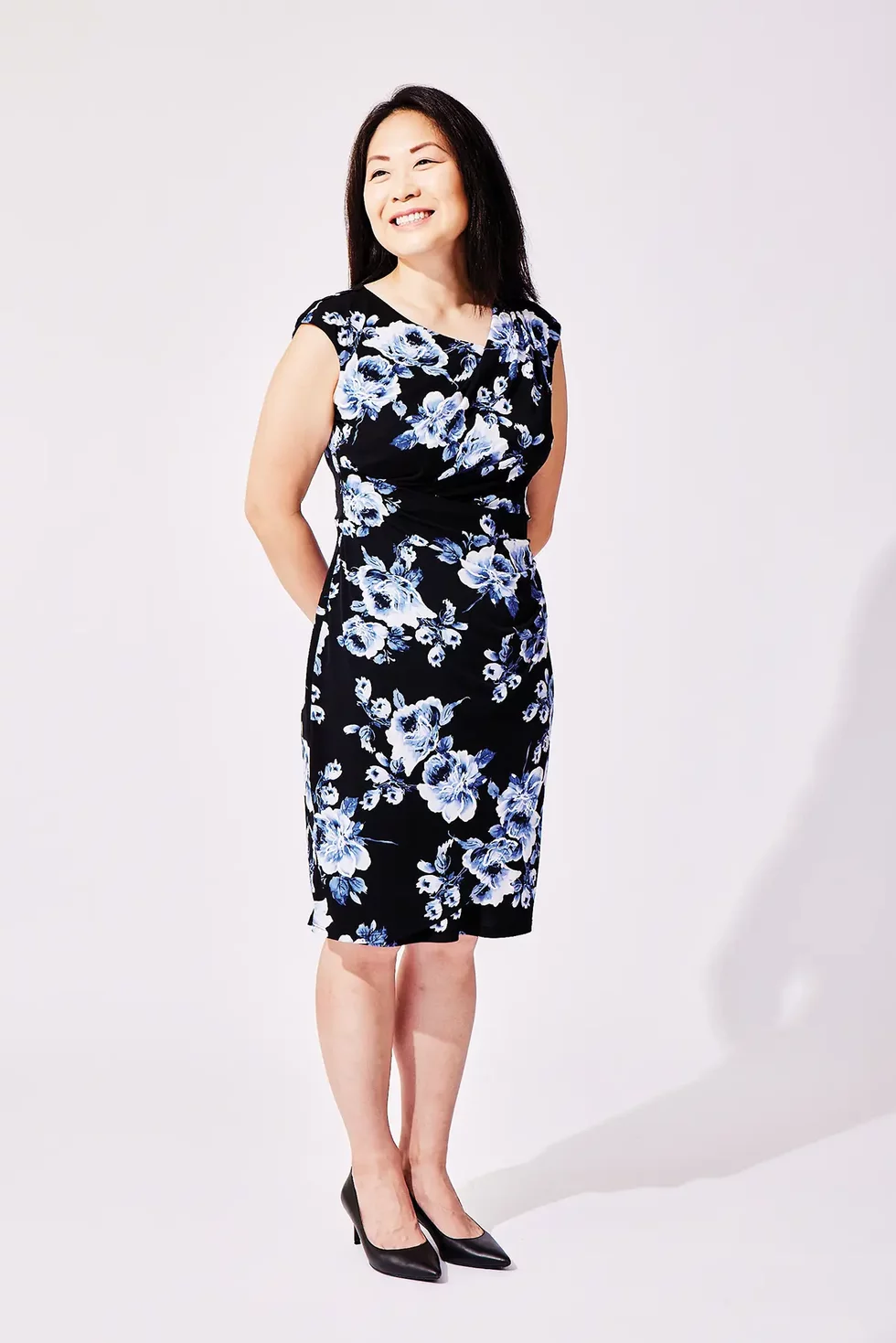
While studying at Saint Louis University School of Medicine, Lehmann cared for a very sick newborn who underwent open-heart surgery. She was struck by the boy’s resilience and his defiance in the face of a complex congenital heart defect. Even more impressive to Lehmann was the power of echocardiography—an ultrasound of the heart—and how it was able to diagnose disease in the tiniest patients, aid in surgery, and give families hope. As a mother of three young children, families are always at the front of Lehmann’s mind. Being a parent helps her relate to those dealing with unimaginable fears and keeps her grounded when someone asks, What would you do if this were your child? “Being a physician is not only about the science and medicine,” Lehmann says. “It’s also about taking care of humans during their most vulnerable state. I recognize it takes a great deal of trust from parents and families. It’s scary to have a sick kid. You want a doctor who will treat your child as if he or she was their own.”
Dr. Gabriela M. Espinoza
Ophthalmology
SLUCare Physician Group
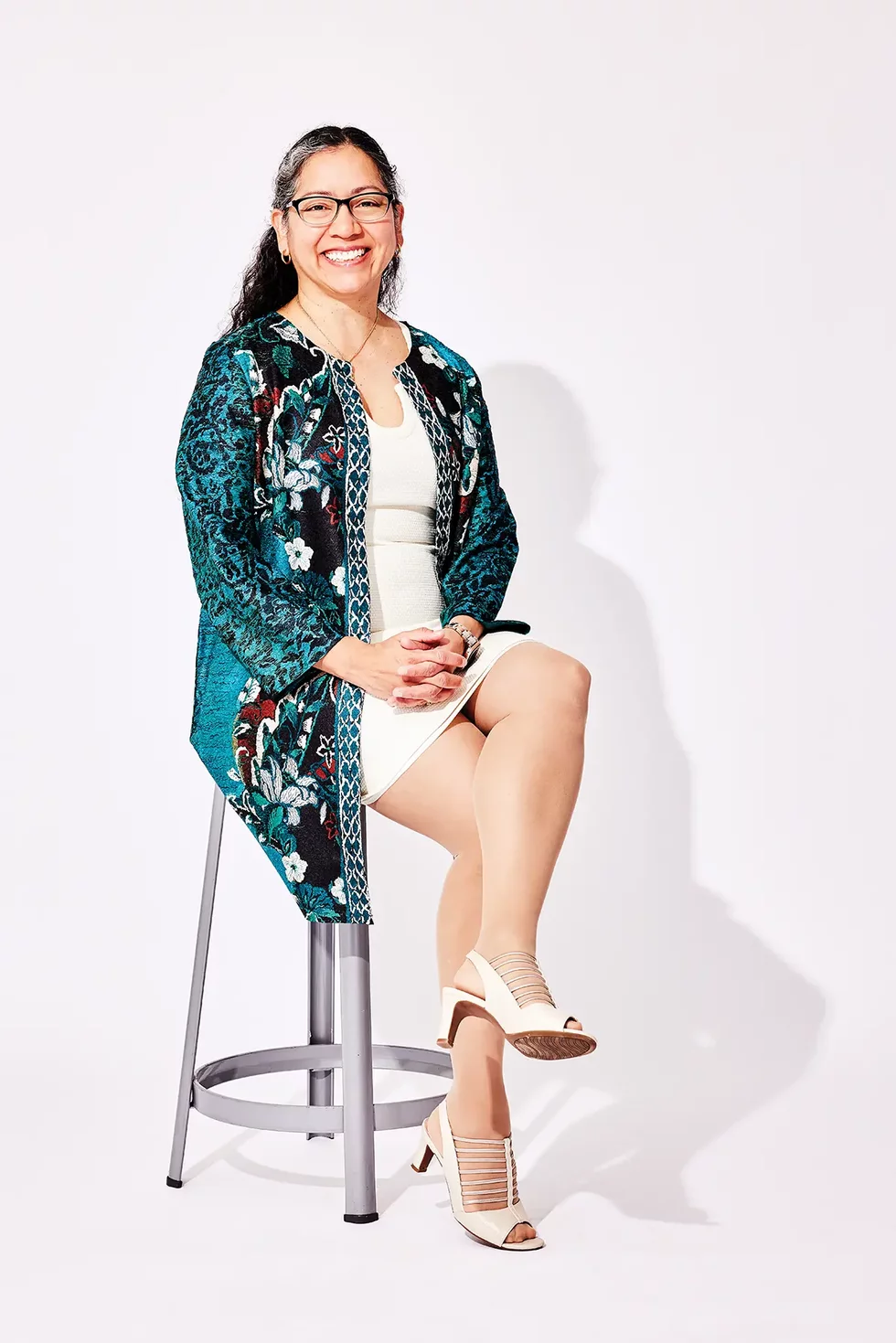
Nearly every patient who walks into an ophthalmologist’s office is bonded by a common fear: None of them want to lose their vision. “This is important to understand because it helps me connect to the patient with compassion and sympathy,” Espinoza says. “Listening is the key to finding out not only what is wrong, but how it will affect their lives.” It’s an exciting time to be in Espinoza’s field. New drugs and treatments are being developed to combat thyroid eye disease, a painful inflammatory condition that can cause eye swelling, vision loss, double vision, and bulging of the eyes. “The newest treatments are aimed at modifying the disease to reverse these adverse effects,” Espinoza says. “I am in favor of improving the quality of life for patients with TED, while minimizing the risk of surgical interventions and the side effects of immune suppression.”
Dr. David E. Hartenbach
Pediatrics
Esse Health
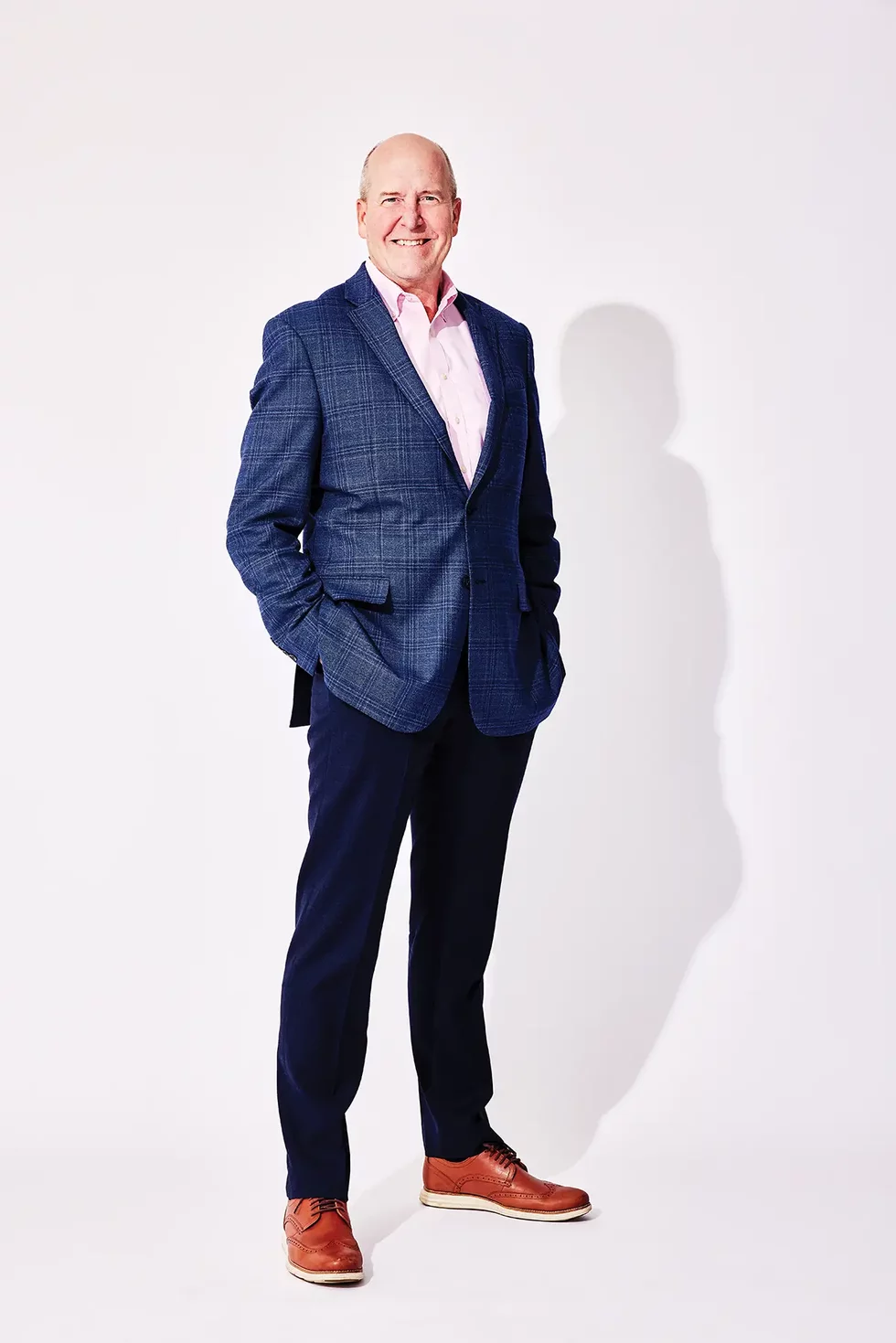
For Hartenbach, building relationships with kids and parents over many years is the most rewarding aspect of a career in pediatrics. “Every day, I am reminded of why I do what I do,” he says. “I get to watch a new mom and dad take care of their newborn. I get to have a conversation with a toddler about any number of fascinating topics. I get to see the developing adolescents give me hope for our society, knowing all that they will bring. It’s so inspiring.” While Hartenbach knows families rely on him for accurate information about their children’s health, he also tries not to take himself too seriously; a visit to his office can be silly and serious in equal measure. The goal is to put everyone at ease and help children understand the value of a healthy life. “For the kids, I mostly just try to listen and try and help them solve problems,” Hartenbach says. “I give advice to parents. I encourage them to love their child, use common sense, do the best they can, and be a good example. Don’t try to fix your child—try to make them the best of who they are supposed to be.”