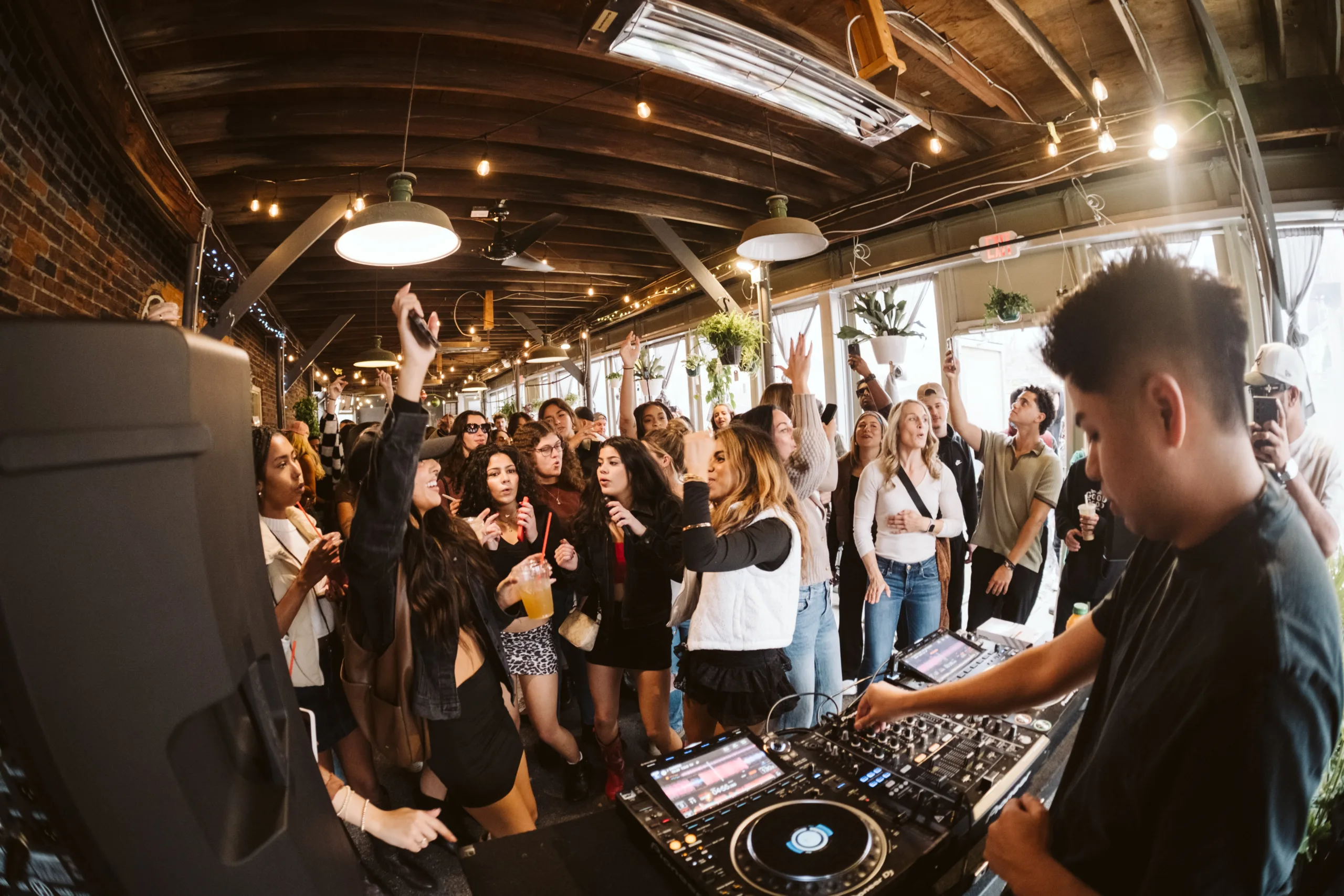
On Sunday mornings in St. Louis, hundreds of people are trading hangovers for house music, coffee, and community. Sunday House Club, a new pop-up daytime dance party hosted in local coffee shops across the metro area, blends electronic music with a sober, all-ages environment designed to make movement, wellness, and connection accessible to everyone.
Founded by former nightlife promoter and owner of PulxeSTL Juan Beltran, who was seeking something more intentional, the event taps into a growing desire for alternative ways to socialize—proving that dancing, community, and joy don’t have to wait until after dark.
“After a while, I just got tired of the nightlife scene—how people act and all of the crazy stuff. I wanted to build something that felt positive, welcoming, and intentional,” Beltran says. “People are drinking less and less, and they’re looking for new ways to connect. This gives them something positive to look forward to on Sunday mornings.”
Your guide to a healthier, happier you
Sign up for the St. Louis Wellness newsletter and get practical tips for a balanced, healthy life in St. Louis.
The concept latches onto a trend increasingly seen in major coastal cities, but Sunday House Club is all about celebrating St. Louis to its core: local coffee shops, DJs, wellness vendors, and photographers.
“There’s something magical about being in a room full of people, all sober, dancing, spreading positivity. You can feel it in the air,” Beltran says.
What to Expect
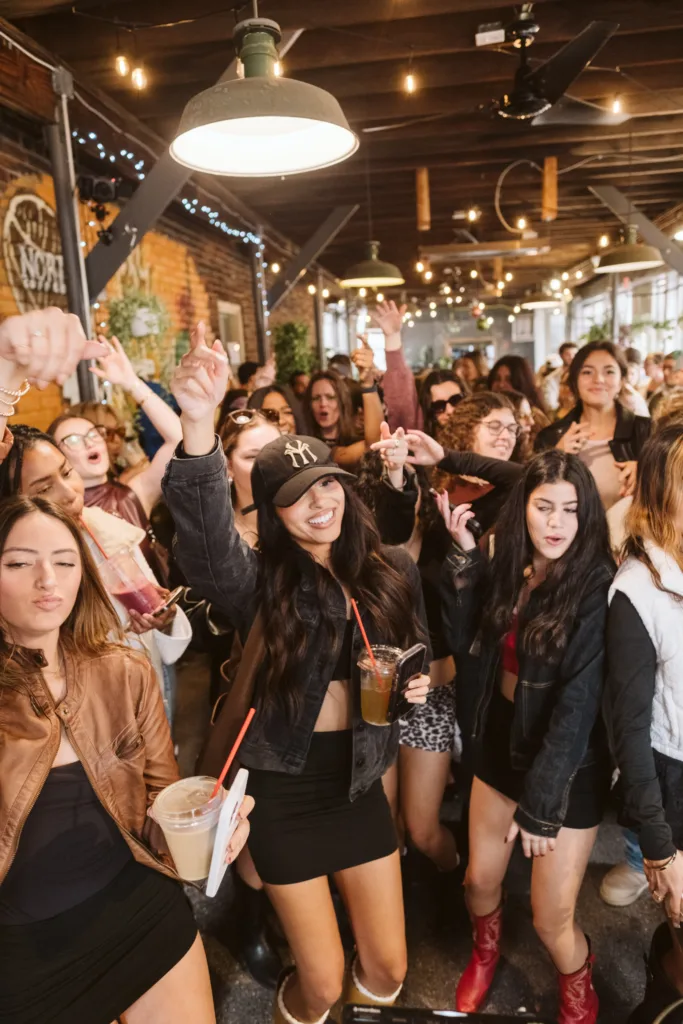
Sunday House Club functions as a pop-up—and is an experience like no other in the metro area, according to Beltran, who started with the idea in St. Charles coffee shops near Lindenwood University in August 2025. Sunday House Club then found a new level of notoriety through its partnership at Northwest Coffee Roasting Company.
The events have attracted anywhere from 200–600 people, depending on the size of the venue. RSVPs are required, and the $7 spots typically go fast. For the coffee shops, the club provides large crowds that inevitably purchase coffee drinks and treats during the four-hour span. Four hours (10 a.m.—2 p.m.) might seem like a hefty length of time to maintain the energy of the crowd, but Beltran explains that near the end, people are often chanting, ‘Go on, more!’ “They didn’t want to leave,” he adds with a laugh.
DJs change out every hour to provide variety. The house music starts with chill vibes as partygoers get comfortable and slowly escalates to thumping beats as the crowd starts to get caffeinated and let its guard down. “We decided to do house music because of how big the genre is getting and how free it feels,” Beltran says. “People hear the rhythm and their bodies just start rocking back and forth. It makes people come out of their shell. There are a lot of people who feel shy dancing, and house music makes people feel comfortable enough to enjoy themselves around others.”
Essential to Beltran’s vision for Sunday House Club is that it remains alcohol-free and inclusive to all ages. “The goal is a welcoming environment for anyone who’s sober or just wants to start their week differently,” explains Beltran, who has personally almost hit a year of sobriety. “If you get out of bed early on a Sunday and attend one of our events, the positivity and energy really sets you up for a good week.”
Party Perks
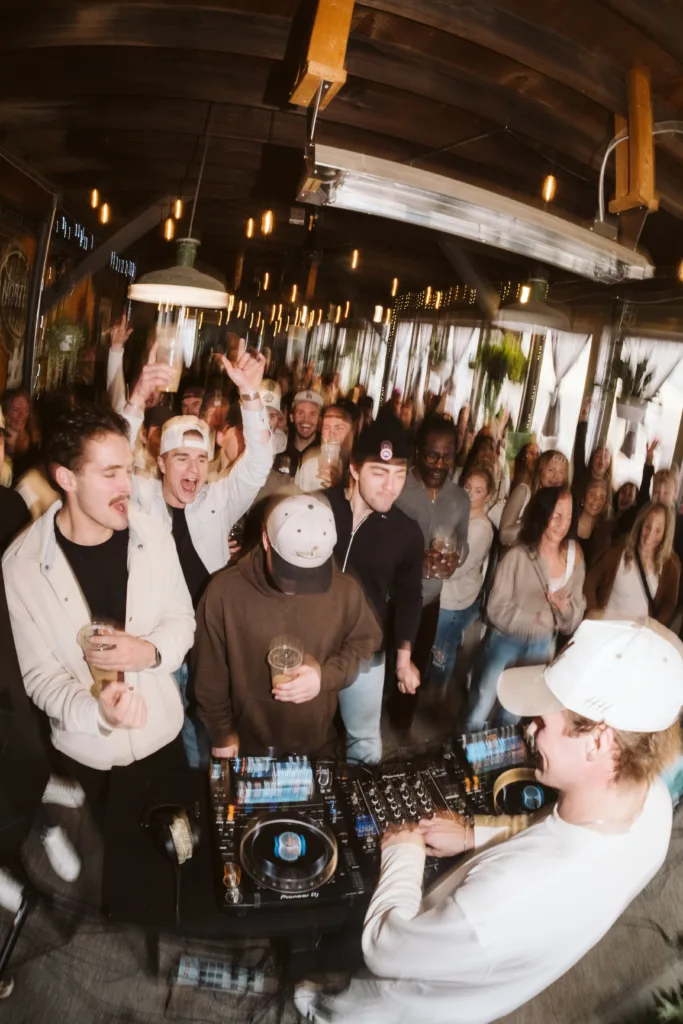
Beltran argues that a morning coffee dance party can support everyone’s wellbeing—mentally, physically, and emotionally. “There have been studies on house music and how BPMs (bars per minute) affect your heart, your emotions, the way you feel. There’s something magical about being surrounded by your friends, all sober, dancing and spreading positivity,” he says.
The energy in the room, he explains, creates a standout experience, but that’s not the only reason he believes that the Sunday House Club pop-ups have taken off. He also credits a societal shift in people’s recreational interests and an elevated focus on wellness-forward activities.
“The overwhelming interest in these events tells me people are craving sober events and fun things to do on Sunday mornings,” he says. “A lot of people see Sundays as a day to lay in bed and do nothing. This gives people something new to look forward to, where you’re present, you’re moving, you’re releasing stress. It can be mindfulness, stress relief, and cardio all at the same time.”
Most of the current Sunday House Club audience consists of people in their 20s and people in their 40s, Beltran adds. “But as we grow, younger crowds are starting to come in. It’s a ripple effect—one person comes, tells their friends, and it just keeps spreading.”
Raves to Put on Your Radar
The next big Sunday House Club event is February 15 at Northwest Coffee Roasting Company in the Central West End. Beltran says they currently have more than 200 tickets sold, but they’re anticipating around 1,000. The February 15 event will also feature yoga around 9 a.m., before the dance floor opens.
Beltran is planning a larger, outdoor wellness-centric event for this spring. He’s working with around 10 local wellness experts and says to expect popular wellness stations, such as a sauna, a cold plunge, vitamin shots, and other health-focused activations. “It will all be about wellness and community,” he says.
Long-term, Beltran adds, he knows that Sunday House Club will outgrow the capacity available in coffee shops. “When that happens, we’ll find venues that align with our values—lots of plants, greenery, a minimal, natural vibe,” he says. “I see this becoming an outdoor experience with trees and nature, where people can feel even more connected. But as with all of our events, it’ll be lots of energy and good vibes.”