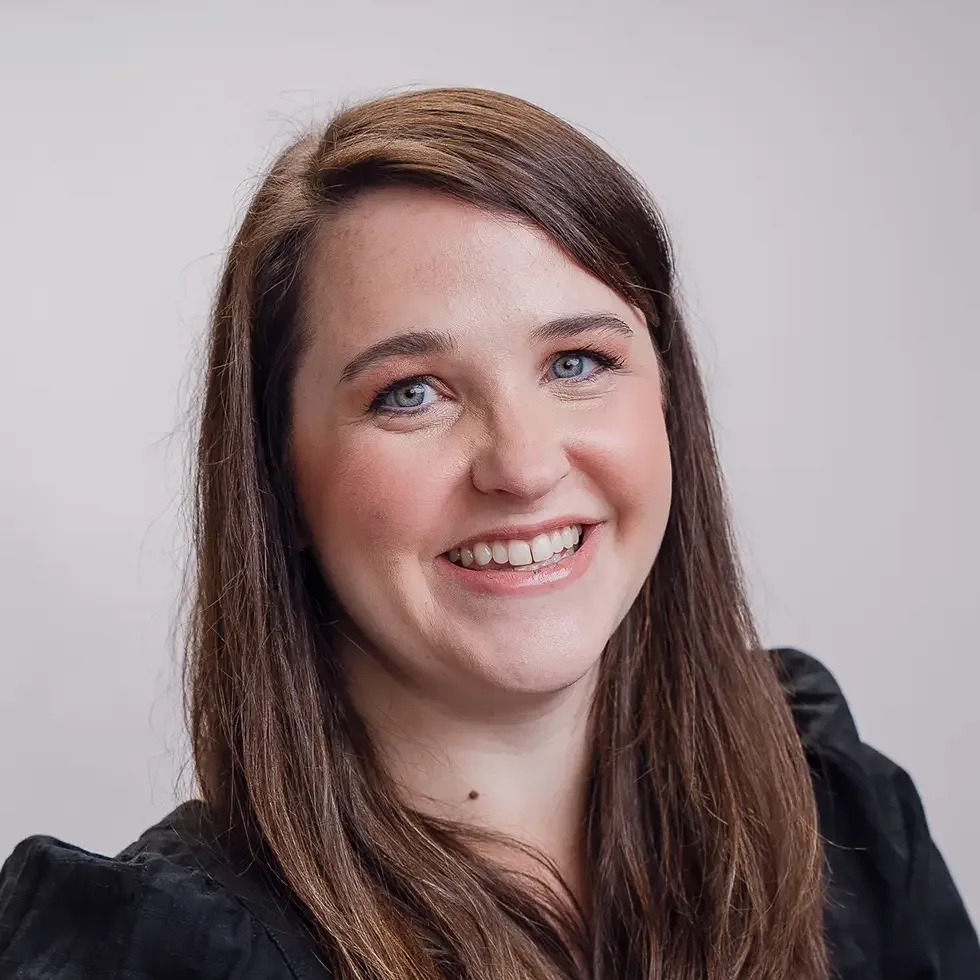
Fatigue. Dizziness. Brain fog. Falls. Many older adults assume these symptoms are simply part of aging. But according to St. Louis pharmacist Hedva Barenholtz Levy, the real culprit could be hiding in plain sight: their medications.
“The problem of harmful or unnecessary medications is often invisible,” says Levy, founder and director of HbL PharmaConsulting, a senior-care pharmacy practice that she launched in 1997. “Patients, caregivers, and sometimes even healthcare providers may not recognize when a medication is doing more harm than good.”
Your guide to a healthier, happier you
Sign up for the St. Louis Wellness newsletter and get practical tips for a balanced, healthy life in St. Louis.
Levy specializes in geriatric pharmacy, a field focused on the complex medication needs of older adults. Many seniors take multiple prescriptions for chronic conditions such as high blood pressure, diabetes, arthritis, or heart disease. Add in over-the-counter medications, supplements, and increasingly, cannabis products, and the risk of drug interactions and potential side effects grows. This phenomenon, known as polypharmacy, can increase the likelihood of adverse drug reactions, from confusion and low blood pressure to dangerous falls. Yet symptoms are sometimes misattributed to aging itself.
“It’s not that medications are bad,” Levy says. “They can be lifesaving and absolutely appropriate. But every medication should have a clear purpose, and that purpose should still make sense for the person taking it.”
Levy has spent decades advocating for safer prescribing and thoughtful “deprescribing,” the supervised process of tapering or stopping medications that may no longer be necessary. A past president of the American Society of Consultant Pharmacists and an adjunct faculty member at the University of Health Sciences & Pharmacy in St. Louis, she works closely with older adults, caregivers, and healthcare teams to evaluate entire medication regimens.
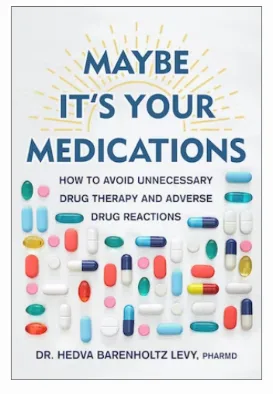
Levy’s book, Maybe It’s Your Medications: How to Avoid Unnecessary Drug Therapy and Adverse Drug Reactions, was written to empower patients to ask more informed questions during doctor visits. She encourages individuals to keep an updated medication list and to discuss not only prescriptions but also vitamins, herbal supplements, and cannabis use.
“Sometimes, a medication was started years ago for a condition that’s no longer an issue,” Levy says. “Sometimes, two drugs are treating the same symptom. And sometimes, the risks begin to outweigh the benefits as we age.”
Age-related changes in metabolism, kidney function, and body composition can alter how drugs are processed, making older adults more sensitive to certain medications. Even common drugs such as sleep aids, anticholinergics, or some anxiety medications can contribute to cognitive changes or balance problems in seniors, Levy says.
Levy recommends that older adults request a comprehensive medication review at least once a year or any time that a new drug is added. Key questions to ask include: Why am I taking this? Is it still necessary? Are there safer alternatives? What side effects should I watch for?
Levy also emphasizes that patients should never stop medications abruptly without consulting a healthcare professional. “Deprescribing should be done thoughtfully and in partnership with your provider,” she says.
Beyond her consulting practice, Levy is an active community educator, speaking locally and nationally about medication safety and healthy aging. She is scheduled to give a talk at the Mirowitz Center on March 31, part of an ongoing effort to help St. Louis seniors and their families better understand the role that medications play in overall wellness.
The central message in her talks is simple: Aging well isn’t just about adding treatments; it’s also about reassessing them.
“Medications should support quality of life,” Levy says. “If something doesn’t feel right, it’s worth asking whether it’s the condition—or maybe it’s your medications.”