Ask the Expert: What is the difference between licensed dispensaries and the smoke shops that sell THC products?
Last month, a reader reached out with a question that vexes many in the Missouri cannabis community:
Your guide to a healthier, happier you
Sign up for the St. Louis Wellness newsletter and get practical tips for a balanced, healthy life in St. Louis.
“I was wondering if you could address the cannabis buying confusion I have. I’m 68 years old and new to the cannabis world. I understand the dispensaries like Proper, Swade, and other licensed outlets. It seems you can buy the same things from a local mom-and-pop store, which I see in every neighborhood, as you can buy in a licensed facility. Also, I’ve been introduced to some sort of homegrowers’ market in St. Louis Can you summarize the differences between purchasing marijuana at the various options? It is all very confusing to me. The homegrowers farmers’ market-type events are the most interesting aspect of purchasing, though it seems there are no taxes being collected there.”
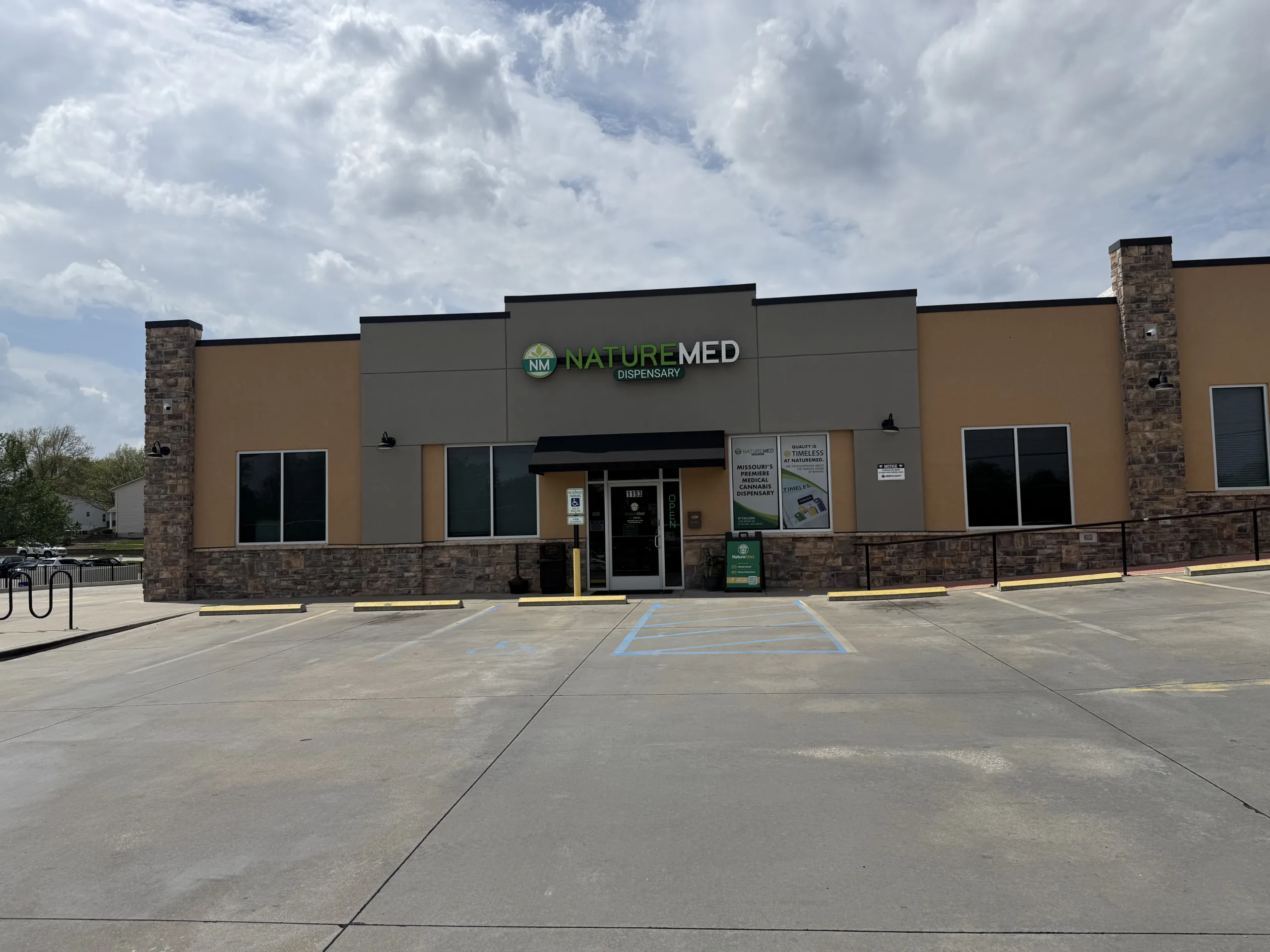
He’s not alone. My understanding is that licensed dispensaries such as Proper, Kind, Swade, etc. are taxed and regulated, and they sell what most typically think of as marijuana. THC products sold at gas stations and “mom-and-pop” shops, on the other hand, are a different form of THC that is not currently illegal because it is considered a hemp-derived substance, which is legal under the 2018 Farm Bill. Because it’s federally legal, it does not have to be regulated like THC sold at dispensaries and can therefore be sold anywhere. Some people have taken this loophole and run with it, and they are producing all sorts of unregulated items under the hemp umbrella. There is currently legislation to regulate Delta-8 that is pending and poised to go into effect in November.
Lindsay Hof, director of marketing for High Fidelity Brands (which includes Kind Goods dispensaries), shared more details on the subject:
“I actually think your reader’s question is one of the most important cannabis education topics in Missouri right now. Even consumers who have been purchasing cannabis products for years are often confused by the differences between licensed dispensaries, hemp retailers, smoke shops, and the various ‘farmers’ market’ style vendors that have appeared in recent years.
To help provide some background, I wanted to share two resources that do a good job outlining the current landscape: Stop Fake Dispensaries and Missouri Hemp Hoax. Both resources focus on helping consumers understand the differences between Missouri’s regulated cannabis market and the unregulated intoxicating cannabinoid products that have been sold through other channels. They discuss topics such as product testing, labeling, age verification, consumer safety, and tax collection.
This issue has become significant enough that Missouri lawmakers recently passed HB 2641, the Intoxicating Cannabinoid Control Act, which Gov. Mike Kehoe signed into law. The legislation aligns Missouri’s hemp definition with federal standards and brings intoxicating hemp-derived cannabinoid products under Missouri’s existing marijuana regulatory framework. It also requires businesses that are not licensed under Missouri’s cannabis program to discontinue manufacturing or selling these products.
As Gov. Kehoe stated when signing the bill: ‘For too long, bad actors have exploited loopholes to market intoxicating products—including candy-like gummies or look-alike products—without meaningful oversight or accountability. This legislation ensures that Missourians know the products sold in their communities are safe, regulated, and kept out of the hands of children.’
From a consumer education perspective, I think the simplest way to explain the differences is:
Licensed Missouri dispensaries:
- Products are tested by state-licensed laboratories.
- Products are tracked from cultivation through sale.
- Packaging, labeling, and advertising are regulated.
- Sales are restricted to adults ages 21 and up (or qualified medical patients).
- Businesses operate under state oversight and licensing requirements.
Hemp retailers and smoke shops:
- Historically have sold hemp-derived THC products that often produced intoxicating effects similar to marijuana.
- Have operated under a different regulatory structure than licensed dispensaries.
- Consumers frequently assume these products are subject to the same testing and oversight requirements as dispensary products, which has contributed to significant confusion.
- In Missouri, HB 2461 “Requires non-licensed entities to discontinue the manufacturing or sale of hemp-derived cannabinoid products” effective November 12, 2026
Unlicensed or illicit sellers:
- Operate outside Missouri’s regulated cannabis system.
- Product sourcing, testing, potency, and labeling may be unknown.
- Consumers have fewer protections and less transparency regarding what they are purchasing.
The bottom line, says Hof, is that you can only guarantee that you are getting exactly what you are looking for if you purchase your cannabis from a licensed dispensary. To be sure, the landscape is everchanging, but the one constant is that a regulated product sold from a professional outfit is the closest guarantee you get to having a safe and fun experience.