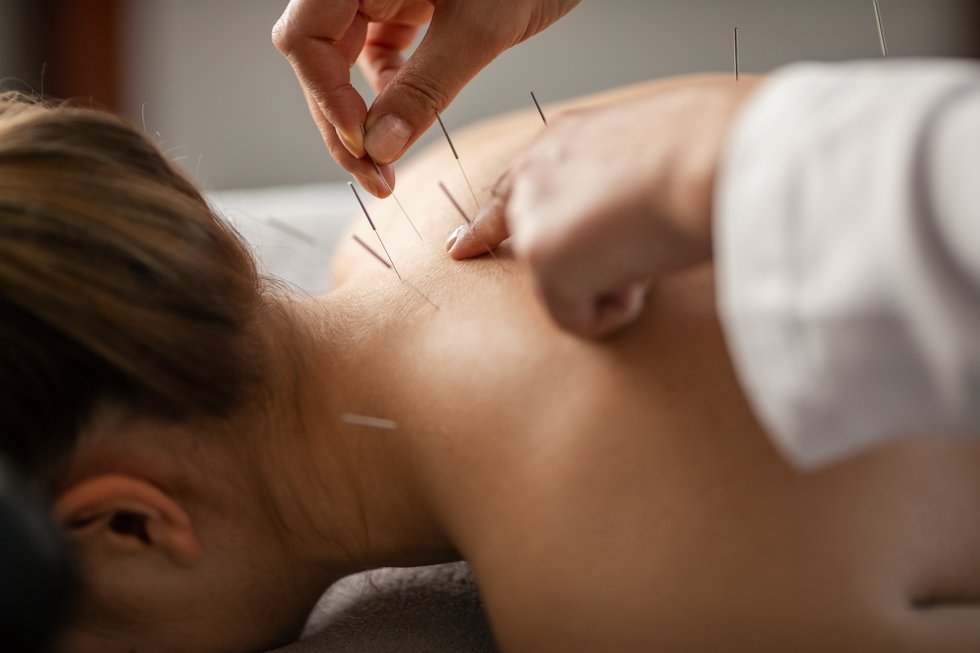
Of the various wellness practices said to yield the most effective results, acupuncture is consistently top of the list–but it also can be one of the most anxiety-inducing to try for the first time. Acupuncture is a medical treatment that involves inserting thin needles into a person’s skin at strategic points to help ease pain, tension, and other discomfort. This alone can seem a bit unusual to people unfamiliar with the practice. But, according to local experts, it’s best to think of acupuncture as one tool of many that can be used to address muscoskeletal conditions.
“The acupuncture that I do is actually a little bit different than what is done by most other acupuncture providers,” Washington University Orthopedics Director of Acupuncture Chi-Tsai Tang, MD explains. “I view acupuncture from a more structure-based viewpoint and believe it works by modulating certain structures, rather than promoting circulation of blood and qi through the body as typically thought of in Traditional Chinese Medicine.”
Your guide to a healthier, happier you
Sign up for the St. Louis Wellness newsletter and get practical tips for a balanced, healthy life in St. Louis.
Acupuncture can be administered by medical doctors trained in the treatment and licensed acupuncturists who become certified to administer the treatment without attending medical school. People often understand acupuncture as a practice relating to the circulation of energy and qi. Qi is a Traditional Chinese Medicine concept that can be most simply described as the life force within different things. However, Dr. Tang explains that a lot of the acupuncture points are actually specific structures within the body.
“A lot of times, it’s the fascia—the lining of the muscles—that connects separate muscles into longer chains,” he says. “Oftentimes, the target for treatment is the fascia throughout the body. Other times, the target may be nerves or sometimes even blood vessels. When you’re needling, you’re actually thinking, Which structure am I trying to hit?”
Generally speaking, acupuncture can treat chronic pain conditions. Dr. Tang primarily uses it to treat musculoskeletal ailments. Acupuncture can decrease local inflammation. Combined with physical therapy and other treatments, it can also reduce muscle spasm/guarding and improve pain.
The side effect profile is very low, as is the risk for infection. Studies even suggest it can help treat anxiety and depression. One of the factors Dr. Tang explains to his patients is that the process can be somewhat uncomfortable.
There’s a distinction between “spa acupuncture” and the medical acupuncture that Dr. Tang administers, he explains. In spa acupuncture, “needles are typically placed very superficially, which can have a calming effect,” he says. “But when patients come to see me, they typically have a pretty chronic and difficult pain problem that requires more aggressive needling techniques. So, it can be pretty uncomfortable.”
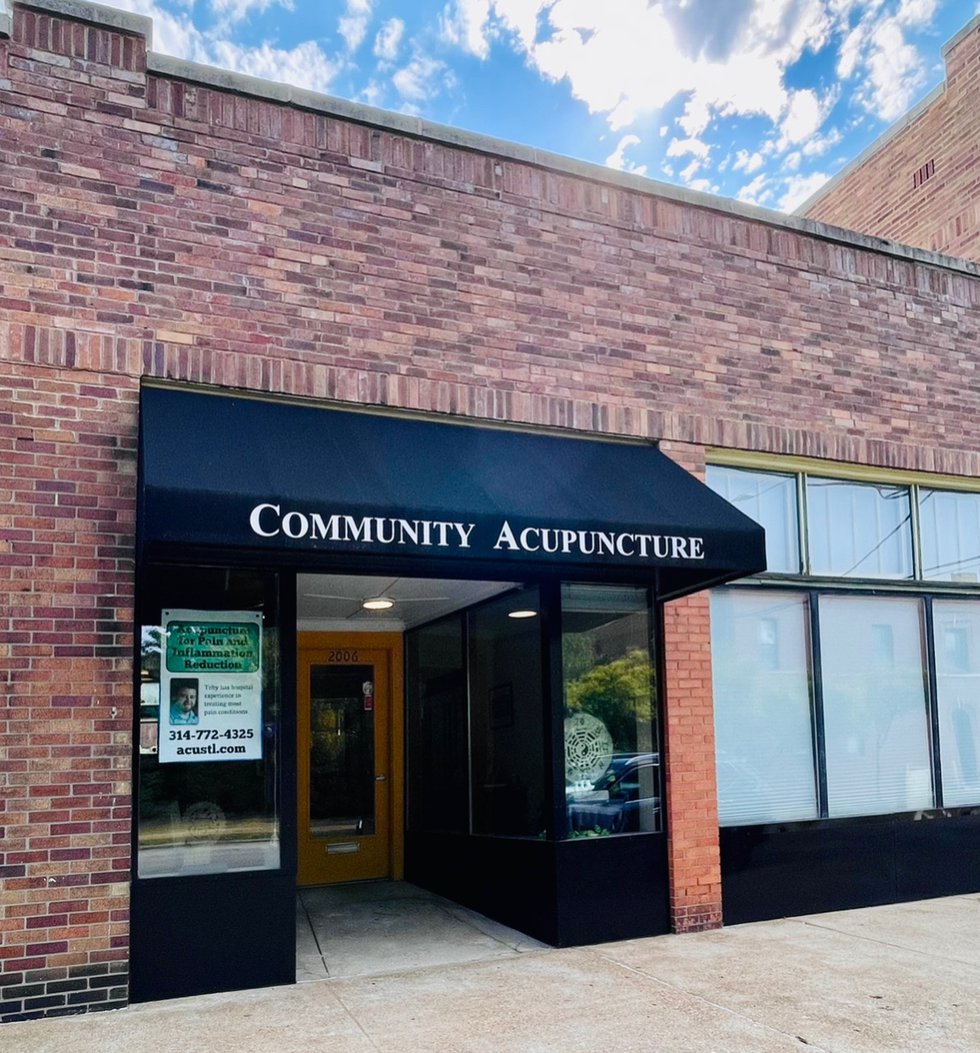
Toby Donaker owns and practices acupuncture at Community Acupuncture of St. Louis, where he’s worked for seven years. Despite their training differences, Dr. Tang and Donaker both liken acupuncture to something that should be used as part of a more holistic treatment. For example, Dr. Tang always conducts a medical workup before treatment because “you don’t throw out all your medical knowledge just because they’re getting acupuncture.”
“Patients should think of acupuncture like physical therapy,” Donaker says. “Expect four to six visits, followed by a reassessment of symptoms.”
One of the primary hurdles with acupuncture currectly is insurance coverage. Many carriers don’t cover the treatment yet; if they do, it’s only for a limited number of diagnoses. Still, acupuncture has become more mainstream, thanks partly to Medicare’s 2019 commitment to cover it to treat chronic lower back pain. With that said, licensed acupuncturists can’t bill Medicare because they aren’t medical doctors.
Like most treatment types, nothing is one size fits all. Donaker recommends using acupuncture with pre-screenings, physical therapy, medications, and surgical interventions to fill the gaps in patient care—and ultimately improve health outcomes.
“Acupuncture is just another tool in the treatment option bag for providers and patients,” Donaker says. “It should be considered as an early intervention to resolve mild to moderate conditions, or as managed care to improve quality of life in chronic conditions.”