Last September, 63-year-old LeAnn Areford, a patient access specialist at Missouri Baptist Medical Center, was on her lunch break when she noticed her left leg “felt funny.” She asked a coworker for help before being whisked to the nearby ER. That speed was crucial: Areford was having a stroke.
With high blood pressure and Type 2 diabetes, Areford’s stroke risk was already elevated. An MRI showed small vessel disease in the brain, an additional and unexpected underlying risk factor. ER staff quickly moved to assess Areford and activated the BJC HealthCare Telestroke Program. A monitor connected Areford’s medical team with Dr. Derek Holder, a WashU Medicine neurologist and stroke specialist at Barnes-Jewish Hospital who serves as telestroke medical director.
Your guide to a healthier, happier you
Sign up for the St. Louis Wellness newsletter and get practical tips for a balanced, healthy life in St. Louis.
Through the program, Holder and his telestroke colleagues help treat about 3,500 patients per year at the 13 hospitals in the network. Areford’s case was typical in that a “stroke code” was called within minutes of her arrival in the ER.
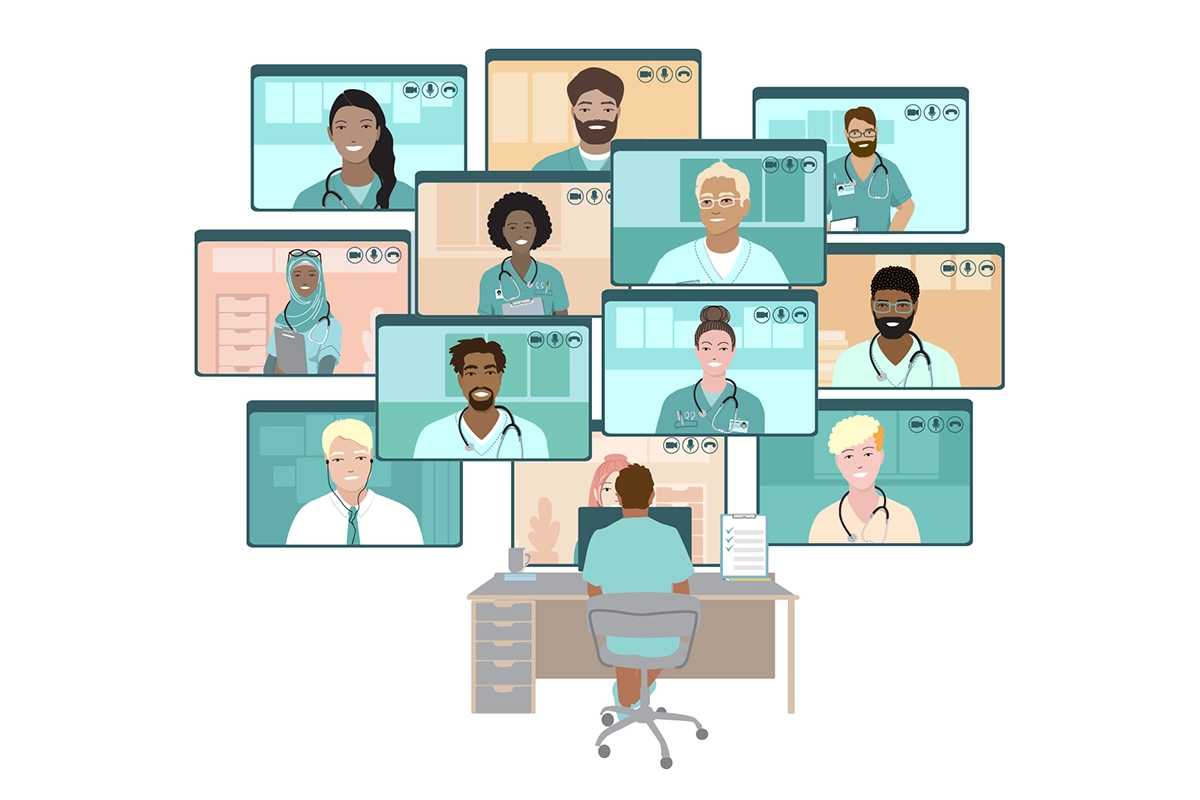
“That code basically starts a standardized format of activating stroke care, which is very time critical,” Holder notes. Patients receive imaging while the telestroke team is connected via phone or video call. “Our goal is to have the hospital that’s needing our help be able to talk with us within five minutes,” Holder adds. “If we need to see the patient in real time, we use two-way video consultation carts with pan, tilt, and zoom capabilities, so we can examine the patient remotely in real time.”
The Telestroke Program is crucial for community hospitals that don’t have a neurologist or stroke specialist available in the ER. When Holder began directing the program in 2017, it saw only about 400 patients per year; nearly a decade later, the health care system rotates calls among 18 telestroke physicians.
“There are two main treatments for stroke care: medication or surgery to break up blood clots that are causing strokes,” Holder says. “Having access to a stroke neurologist in a timely fashion is an important factor, as far as whether patients may be candidates for those interventions.”
The ability to consult quickly also helps prevent hospital transfers, but when a patient needs surgical stroke intervention that isn’t available at a small community hospital, the speedy diagnosis and treatment plan is crucial to swiftly transfer the patient to a hospital that has neurosurgical capabilities.
Minutes after her stroke code was called, Areford spoke with Holder via video, answering questions and performing physical tasks so Holder could assess her condition. The team determined that she needed the intravenous “clot-buster,” tPA, to dissolve the clot. “After about two hours I started to notice I had movement back in my left foot,” she says. “By five hours later, I was basically back to normal.”
Areford doesn’t take her health for granted. She plans to complete an annual 20-mile hike this summer. She wants others to learn from her experience: “If you think something’s wrong with you, get help. The sooner you get treatment, the better your outcome.”