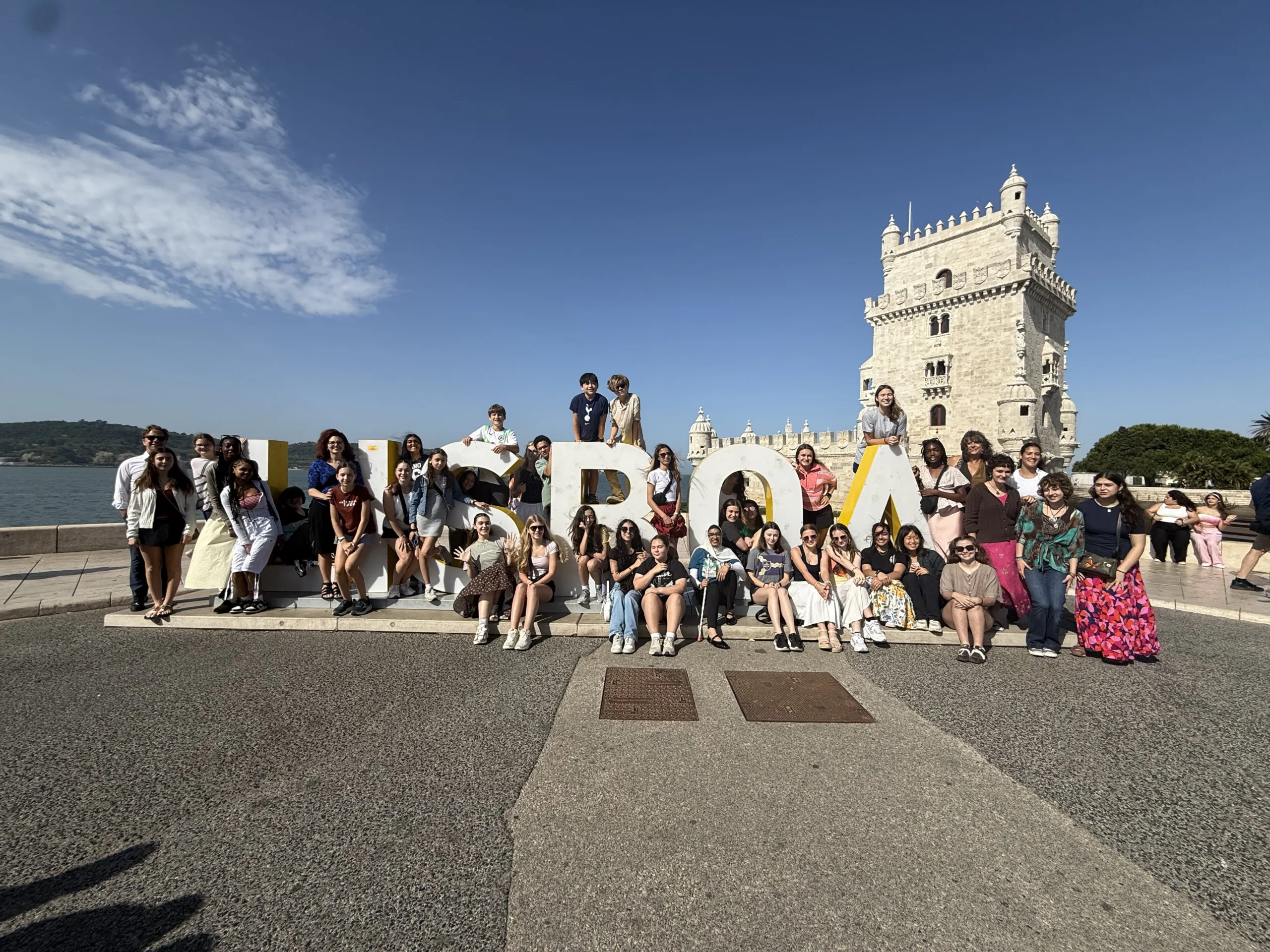
For members of the St. Louis Children’s Choirs, a recent performance tour through Portugal was about much more than singing overseas. Over the course of a week, 37 students performed in a world-renowned concert hall, a nearly 900-year-old church, and an intimate theater; collaborated with Portuguese children’s choirs; and immersed themselves in the country’s musical traditions—all while building confidence, independence, and lifelong friendships.
The Portugal tour marked the organization’s 15th international trip, continuing a tradition that has been part of the St. Louis Children’s Choirs for decades. Entering its 49th season, the nonprofit has previously traveled to countries including Japan, Australia, Sweden, Scotland, Ireland, and Russia. The organization typically plans an international tour every three years, giving students the opportunity to participate during high school.
Get a fresh take on the day’s top news
Subscribe to the St. Louis Daily newsletter for a smart, succinct guide to local news from award-winning journalists Sarah Fenske and Ryan Krull.
“Our mission is transforming lives through musical excellence,” says Ben Nordstrom, executive director of St. Louis Children’s Choirs. “Of course, here in St. Louis we have weekly rehearsals, concerts and a rigorous music curriculum. But touring allows us to provide experiences that are transformative for children and focus on character as well.”
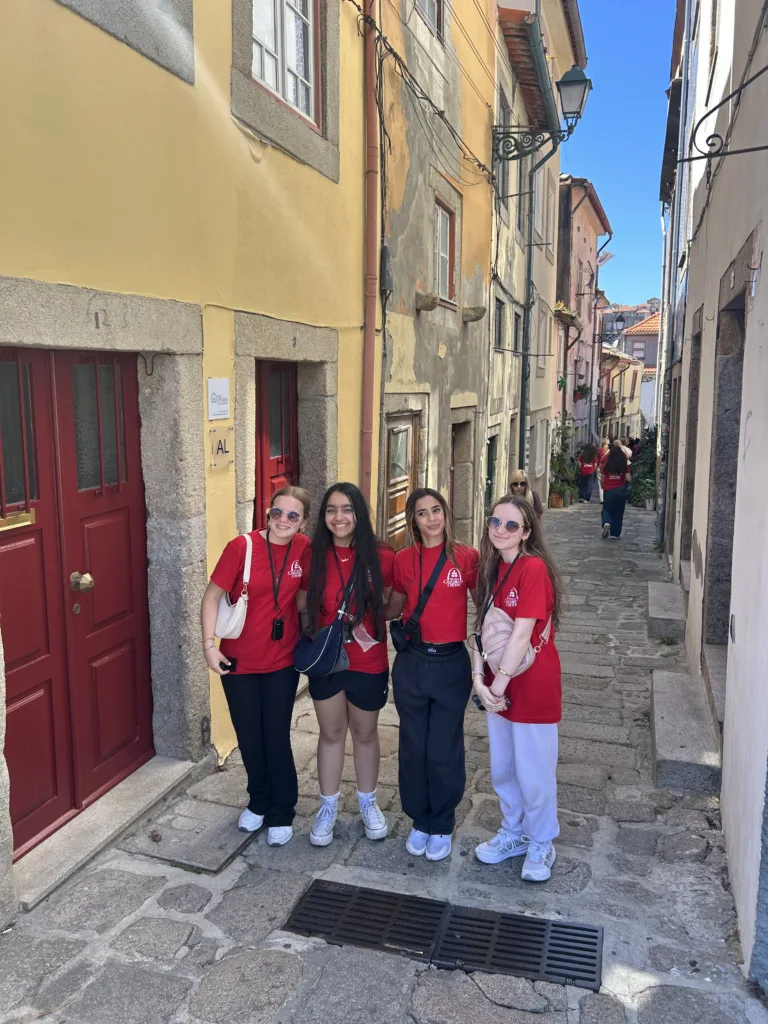
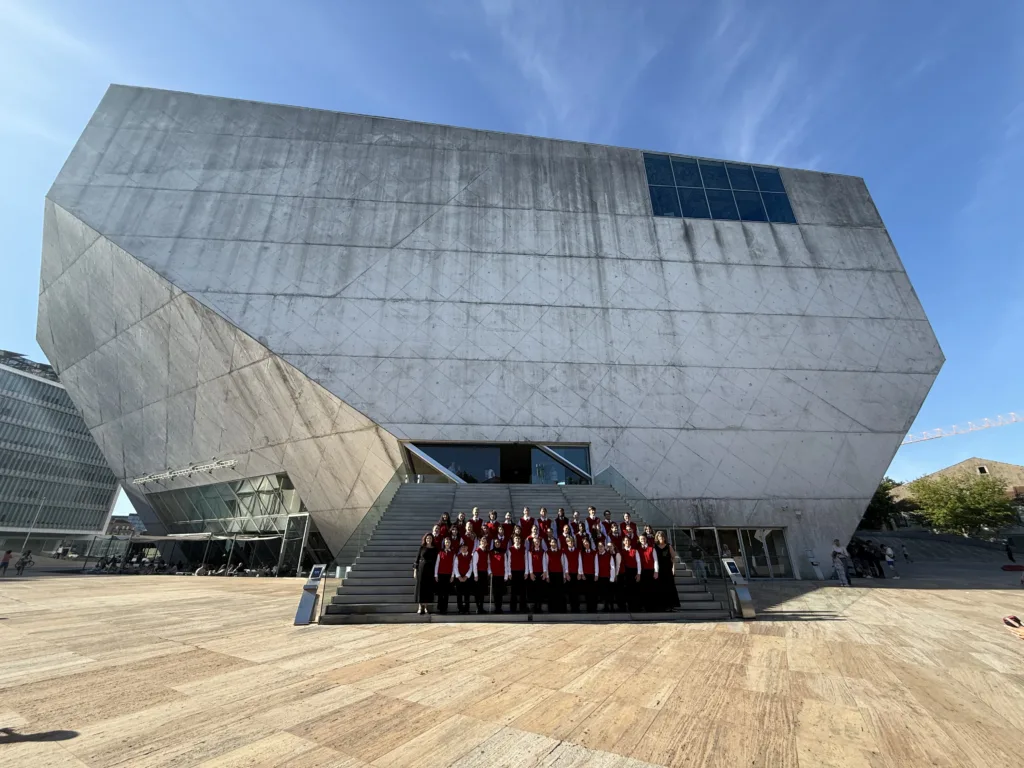
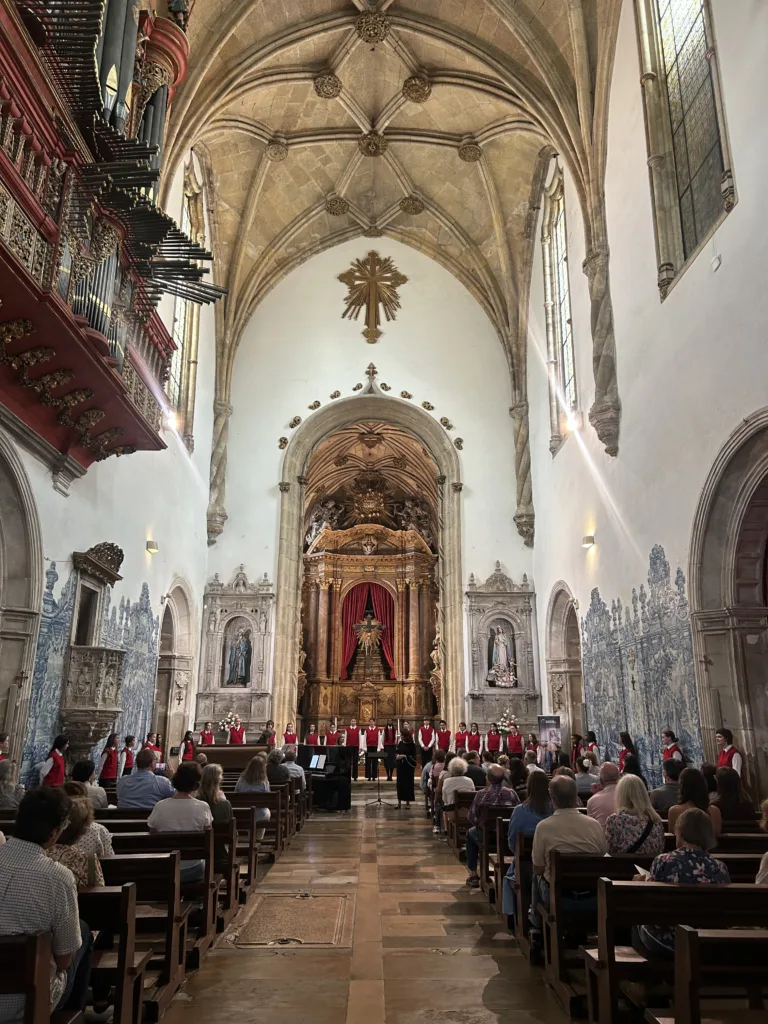
This year’s choir traveled to Porto, Coimbra, and Lisbon, with each stop offering a distinctly different performance experience. In Porto, students sang at the acclaimed Casa da Música before collaborating with a local children’s choir. In Coimbra, they performed in a church built in 1131 that Nordstrom says offered “the finest acoustics our organization has ever experienced.”
The trip concluded in Lisbon, where the ensemble shared the stage with one of Portugal’s premier children’s choirs after spending the day rehearsing, learning one another’s music, and sharing meals together.
For Nordstrom, those collaborations became the highlight of the trip.
“At first it was like West Side Story,” he says with a laugh. “Our kids were on one side and their kids were on the other side, and everyone was being shy. Within five minutes they were all laughing and talking. At one point there was a dance circle. It was really beautiful to see. It was more than just showing up and singing a couple of songs together on stage.”
Student Emerson Mattia says those connections made the experience unforgettable.
“The trip to Portugal with the Choirs was one of the most memorable and impactful experiences I’ve had with SLCC,” Mattia says. “Being able to interact with different cultures while sharing a passion for singing is something I will never forget.”
Nordstrom says moments like those are exactly why international touring has remained a cornerstone of the organization for four decades.
“The concept of touring is all about building independence and competence and young professionalism and resilience and flexibility,” he says. “These are personal character traits they build on top of the cultural exchange, being able to collaborate with kids across languages, cultures and geography.”
Students are also reminded that they represent more than themselves while traveling abroad.
“We tell them time and time again: You’re representing yourself, you’re representing the St. Louis Children’s Choirs, but you’re also representing St. Louis around the world,” Nordstrom says. “This may be the impression another child takes away of what a St. Louis kid is like. We love that we’re representing St. Louis around the world.”
For Dr. Alyson Moore, artistic director of St. Louis Children’s Choirs, the tour was designed to expose students to the richness of Portuguese music and culture. Along with performing in multiple languages, the choir participated in a workshop on Portugal’s traditional fado music and collaborated with children’s choirs from both northern and southern Portugal.
“I always like to expose students to a wide variety of musical styles,” Moore says. “Music is such a vast art form, and I find that it’s important for students to sing in multiple languages. For this tour, we wanted them to have an experience that was uniquely Portuguese.”
That philosophy of exploring new cultures and ideas through music extends far beyond the travel experience.
“Whether we’re preparing tour repertoire or concert repertoire, we’re looking for diversity,” Moore says. “Does it come from a different century? Is it in another language? Does it reflect different moods? We want students to have a wide array of experiences in choral music.”
While the performances were memorable, Nordstrom says some of the greatest growth happened between concerts.
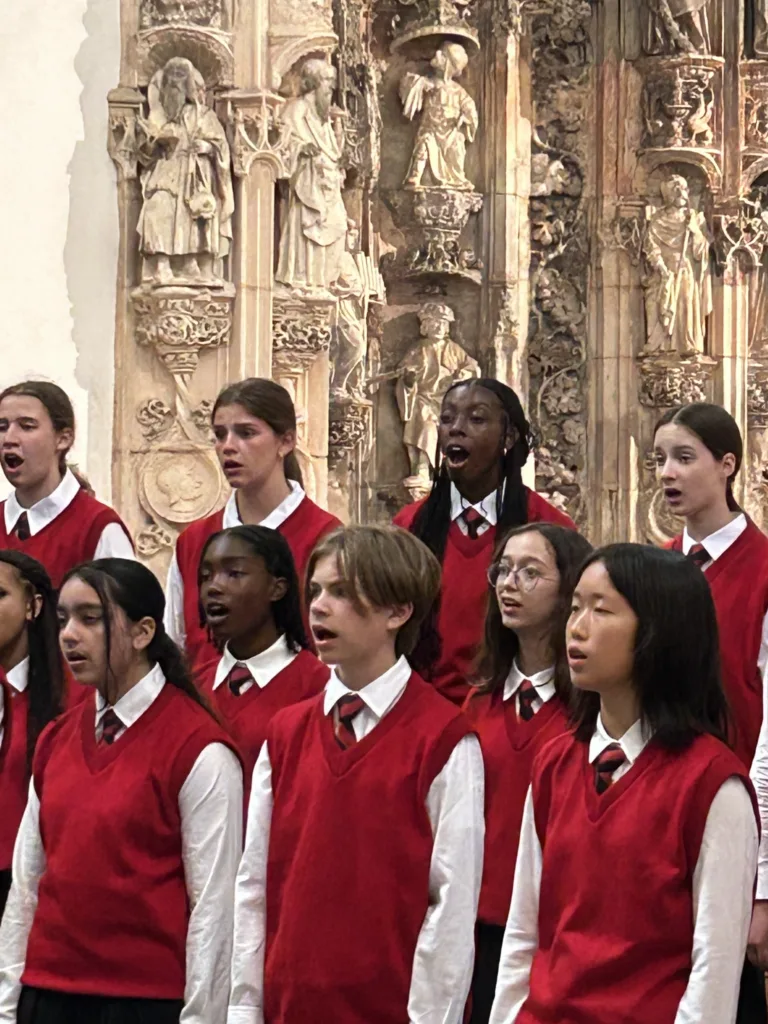
“You can literally see students change over the course of the week,” he says. “By the end of the trip, they carry themselves differently. They stand a little taller. They speak a little louder and clearer. They have this attitude of, ‘I can do this. I can handle this.’”
The fast-paced tour also gave students experience adapting to unfamiliar venues and schedules.
“Our concerts here are spread throughout the year,” Nordstrom says. “On tour it’s boom, boom, boom. You perform, travel to the next city, rehearse and perform again. When the lights come up and the curtain goes up, you do your job. It’s like going to work—you still have to show up professionally.”
Moore says choir naturally reinforces those lessons because students succeed both individually and as an ensemble.
“Choir gives them this incredible team experience while at the same time helping them feel like superstars because of what their own voice can do,” she says. “The stronger the individual is, the stronger the group becomes, and the stronger the group becomes, the better the individual feels. It’s a really beautiful relationship between community and self.”
As the St. Louis Children’s Choirs prepares for another season, both leaders hope students carry home much more than memories of Portugal.
“It’s so fun to stand alongside these kids and help them gain these important life skills,” Moore says. “To watch them realize, ‘Yeah, I can do this,’ and to see that kind of growth in a child, there’s nothing better.”