Behind the scenes at the Saint Louis Zoo, a different kind of experience unfolds—one that goes beyond public pathways and exhibit glass. For those who sign up for a behind-the-scenes tour, a visit becomes less about observation and more about understanding: how animals are cared for, how relationships between keepers and species are built, and how conservation efforts extend far beyond St. Louis.
“With behind-the-scenes tours, guests gain a unique perspective,” says Carla Altnether, tours manager. “Tours are held in areas that guests do not typically visit on a normal zoo trip. Guests also get a chance to meet animal experts and learn about the animals here at the zoo, how we care for them, animals in the wild, and our conservation efforts.”
Get a fresh take on the day’s top news
Subscribe to the St. Louis Daily newsletter for a smart, succinct guide to local news from award-winning journalists Sarah Fenske and Ryan Krull.
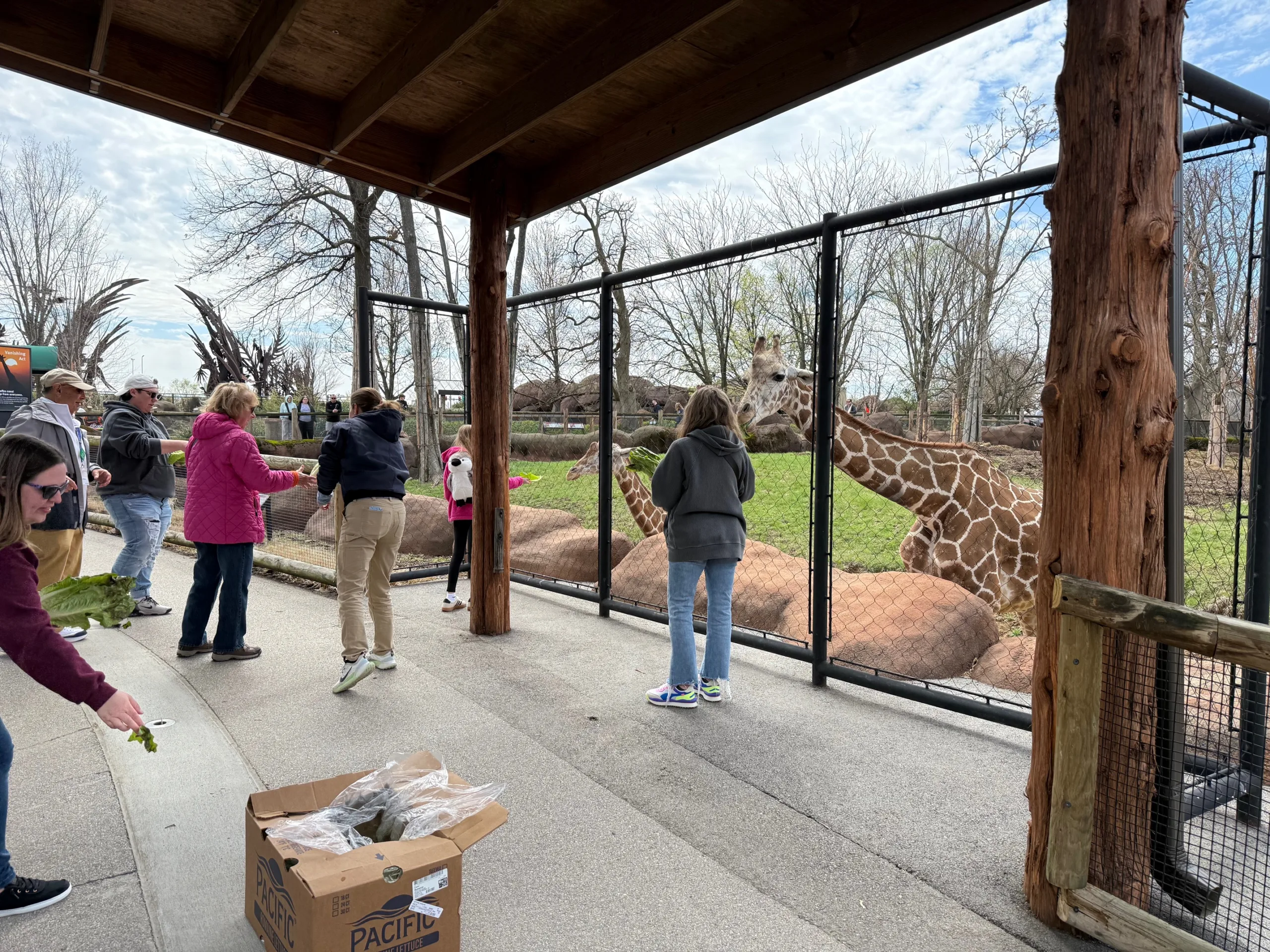
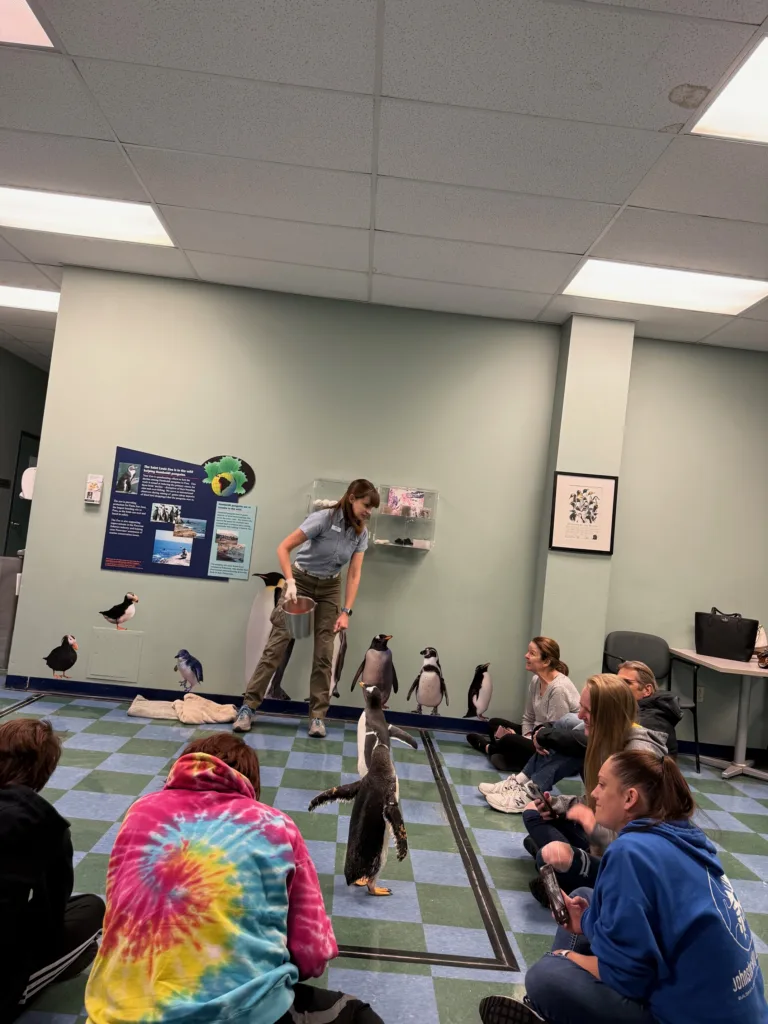
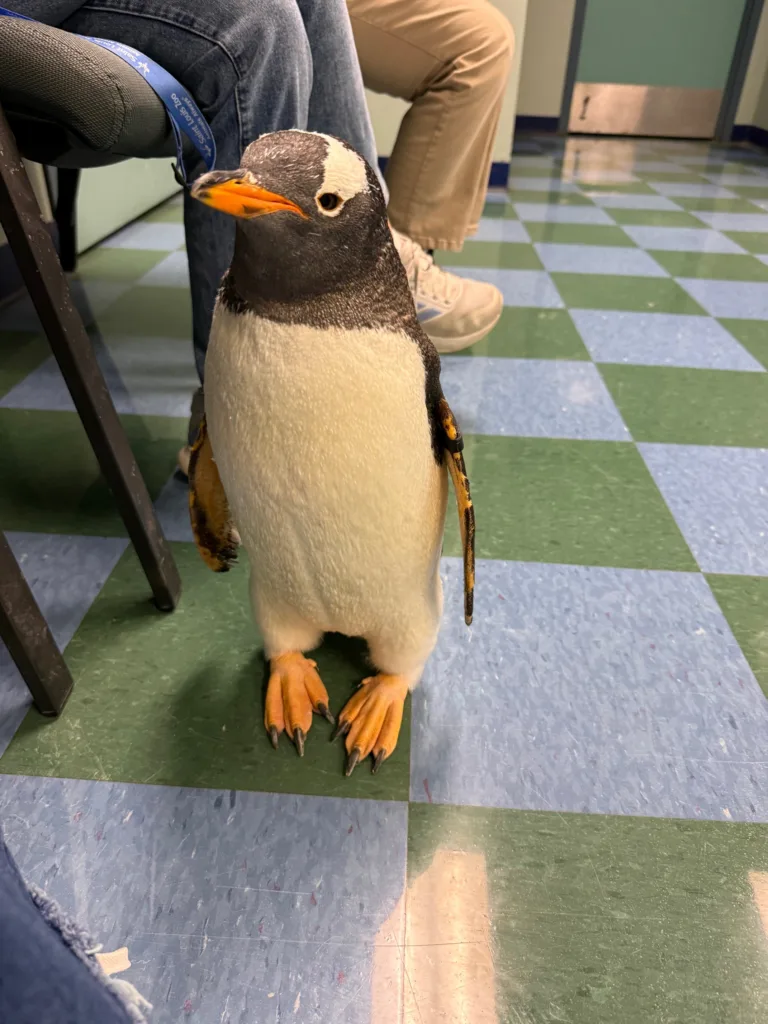
That deeper perspective is what sets the experience apart. Whether coming face to face with penguins or standing just feet away from giraffes, visitors gain insight into the daily care, training, and enrichment that support each animal’s well-being. The tours reveal the complexity of zoo operations in ways a typical visit cannot.
“You are usually within a couple of feet of the animals,” Altnether says. “Some tours are more hands-on and include feeding opportunities, touch experiences, meet-and-greets, or a combination of these exclusive offerings.”
Those interactive elements are intentional. Feeding sessions and close-contact encounters double as enrichment, encouraging natural behaviors while strengthening trust between animals and their caretakers. Select experiences, like the Tour de Tortoise, even allow participants to step directly into the habitat.
The popularity of these tours reflects their impact. When dates are released quarterly, they often sell out quickly—especially during peak seasons like summer and school breaks. The Penguin Encounter, one of the zoo’s most sought-after experiences, can fill within a week of becoming available, fueled in part by its viral presence on social media.
“It is always better to try and book your tour early,” Altnether says. “But it doesn’t hurt to check for availability on shorter notice.”
Despite high demand, tours remain intentionally small. Most cap attendance at 10 participants, creating a semi-private setting that allows for more meaningful interaction with both animals and staff. Accessibility and age requirements vary by tour, with details outlined in each program’s description.
Beyond the personal experience, each tour reinforces the zoo’s broader mission. A portion of all zoo revenue—including tour fees—supports conservation efforts, and conservation messaging is woven throughout, connecting what visitors see in St. Louis to global work in the wild.
“With all tours, we include a conservation message,” Altnether says. “We discuss the zoo’s work in the wild, including global efforts through the WildCare Institute. Guests also learn actions they can take at home, such as reducing plastic use and choosing sustainable seafood.”
That sense of connection often leaves a lasting impression. Some visitors travel across the country for a single encounter, while others return repeatedly, working their way through the zoo’s growing list of tour offerings.
“We have people come from across the country to attend our tours. One group on a Penguin Encounter road-tripped from the West Coast,” Altnether says. “Other guests work their way through multiple tours; we might see them on Gentle Giants, then Here, There and Grizzly Bear, and they’ll tell us they’ve already signed up for their next one, Planet Protectors. We begin to recognize many of our frequent visitors.”
For both distant and local visitors, the up-close encounters can have a profound impact.
“To be that close to the animals and learn about them can make someone’s day—if not their year,” Altnether says. “We often hear it’s been on someone’s bucket list or a lifelong dream. Sometimes, guests even cry when meeting their favorite animal, especially the sloths and penguins.”
Even for frequent visitors to the Saint Louis Zoo, these tours offer something new: a chance to step beyond the exhibit barrier and into a deeper understanding of the animals and the people who care for them.
“Going on a tour is not like your typical visit to the zoo,” Altnether says. “It’s a chance to see areas you don’t usually access and get up close with animals while learning about their care and conservation.”