What are signs of separation anxiety?
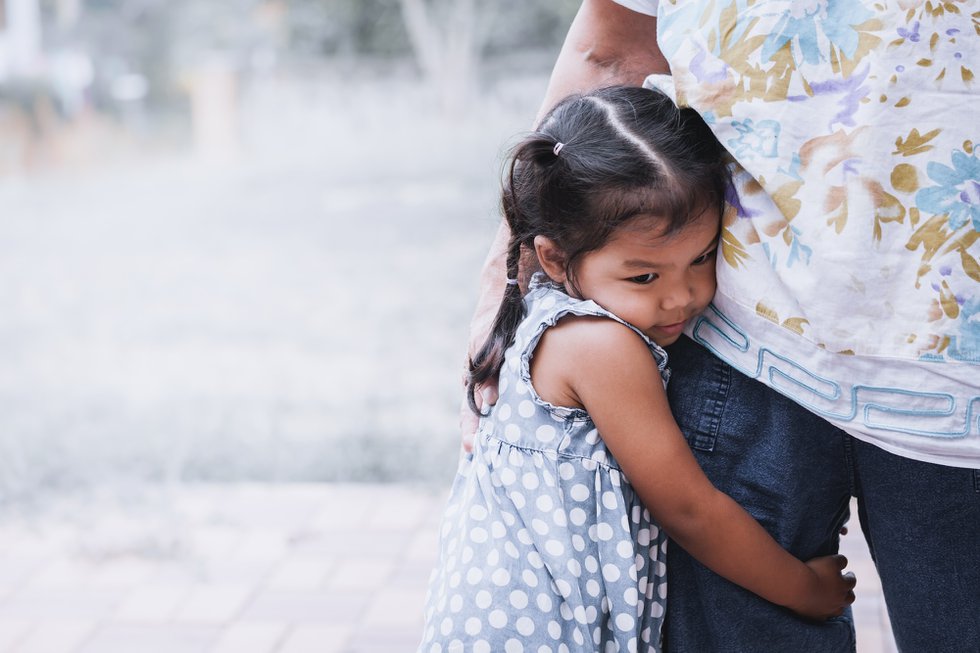
There are many reasons why a child might have difficulty separating from a parent or caregiver. One of these reasons is a specific anxiety disorder called separation anxiety disorder. This condition is characterized by fear that something bad will happen to the child or to the caregiver when they separate from each other. For example, the child might fear that they themselves will be kidnapped or that the parent will get into a car accident. Children with separation anxiety often have challenges separating from caregivers when going to school or other activities, being in a room by themselves at home, and falling asleep by themselves and staying in their own rooms at nighttime.
Discover fun things to do with the family
Subscribe to the St. Louis Family newsletter for family-friendly things to do and news for local parents, sent every Monday.
What causes separation anxiety?
Separation anxiety likely arises from combination of genetics and from prior experiences that the child has had. In general, children who have more experience separating from their caregivers are less likely to experience separation anxiety.
How to tell the difference between separation anxiety and first-day jitters?
It is normal to have anxiety and difficulty separating the first few days of school. Separation anxiety disorder is characterized by prolonged challenges separating from caregivers, lasting weeks or months after school starts. Also, separation anxiety disorder includes symptoms that occur in other settings, such as challenges sleeping in one’s own bed at night or difficulties being in a room alone at home without caregivers nearby.
How do you comfort your child? In the moment? Later that day?
The best practice is to prepare children in advance if they tend to have separation anxiety. Let them know that you love them, and that while you know they get scared with separation, the best way for them to reduce their anxiety over time is to have a brief goodbye when separations happen. With this advance preparation, in the moments when they experience separation anxiety, ideally you briefly comfort them but firmly state that it is time to separate.
If they are clinging to you and crying, do you stay or ‘rip the Band-Aid off’ and leave?
Ideally, you plan in advance for a brief goodbye and stick with the plan. The caregiver staying can reinforce the child’s belief that they are only safe if the caregiver is around. If the parent does stay, there should be a specific plan for gradually reducing the amount of time that the parent stays each day until drop-offs are normal.
What can be done?
For most children, separation anxiety will reduce if they gradually get used to longer and longer periods of being separated from their caregivers, both at outside locations such as school as well as at home. Caregivers can look for opportunities for their children to practice being away from their caregivers, including staying at friends’ houses, going to sports practices without the caregiver present, staying in their room by themselves including at bedtime, or going inside the school during non-school hours. The idea is start with easy, achievable separations and gradually progress to situations that are more challenging for the child. This gradual practice has generally been found to be more useful than teaching children specific coping skills to use in the moment.
When should someone seek expert help?
Caregivers should consider getting expert help if separation is prolonged or if the separation anxiety starts to cause problems for the child. These problems could include missing school, having fewer friends than they would like, missing important activities, requiring a parent to be around in situations in which other parents usually are absent, requiring to be next to a parent or in a parent’s bed to fall asleep, or if the child experiences significant prolonged distress. Another reason to consider getting help is if the child is entirely resistant to the gradual approach to getting used to separations described previously.