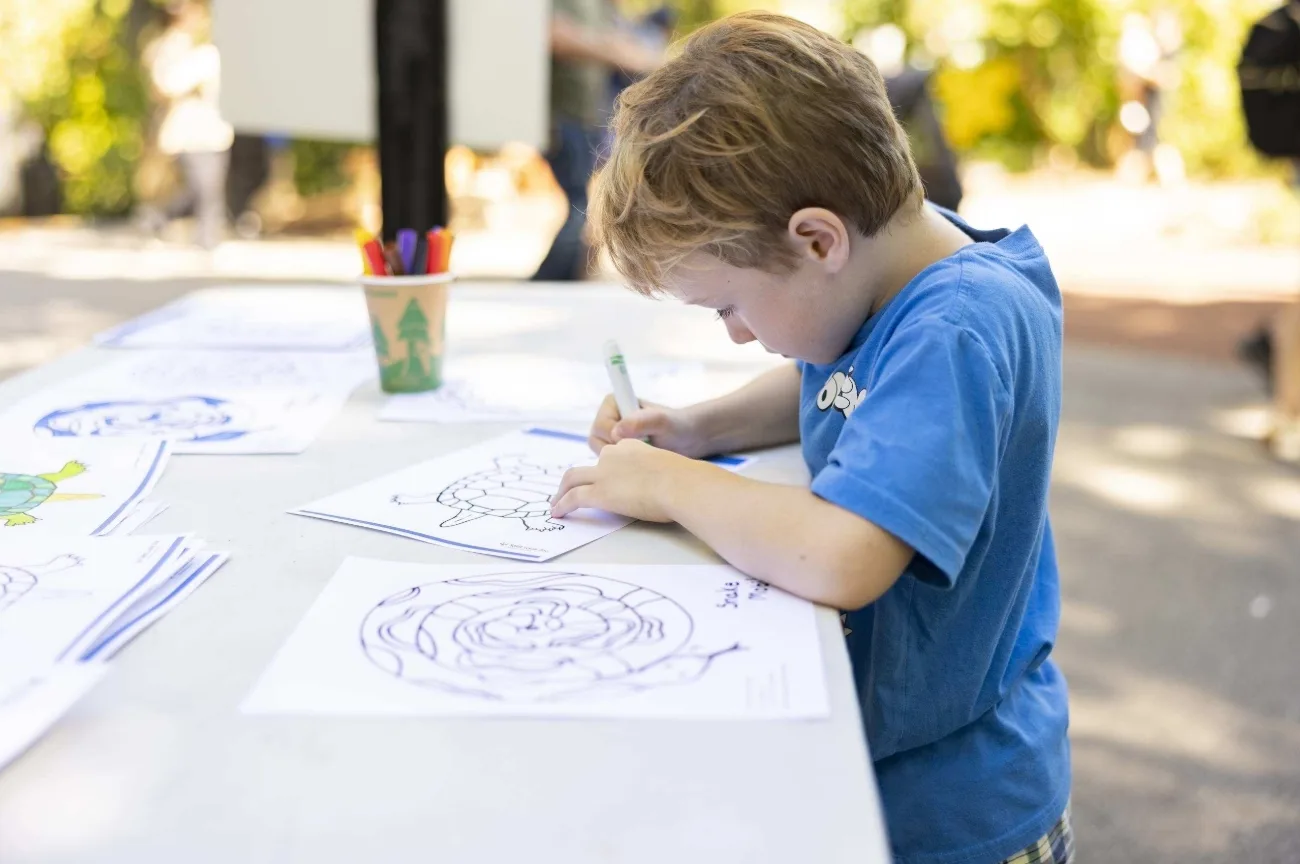
Last year, a preschool class at Raintree School decided to learn more about chickens by raising them on campus. So they began brainstorming. They researched the necessary resources, created chicken-coop designs, and visited a nearby farm. They wrote letters to experts. They even built model coops to test for durability and weather resistance. After months of hard work, the coop—and four chickens—were on campus at last.
“You can see the math, the science, the literacy, the social-emotional development—all of those things are built into the project framework,” says head of school Ilya Eydelman. “Everything is done in the context of the project.”
Discover fun things to do with the family
Subscribe to the St. Louis Family newsletter for family-friendly things to do and news for local parents, sent every Monday.
The concept of project-based learning can be defined differently from school to school. Raintree, for instance, follows a child-directed curriculum that incorporates place-based education through the natural environment. While approaches vary, many area grade schools find that some form of interactive learning helps students develop interpersonal skills and find their own passions.
“They want the kids to problem-solve—they want them to hit those walls and challenges and say, ‘OK, this is what happened. What do you think we should do next?’”
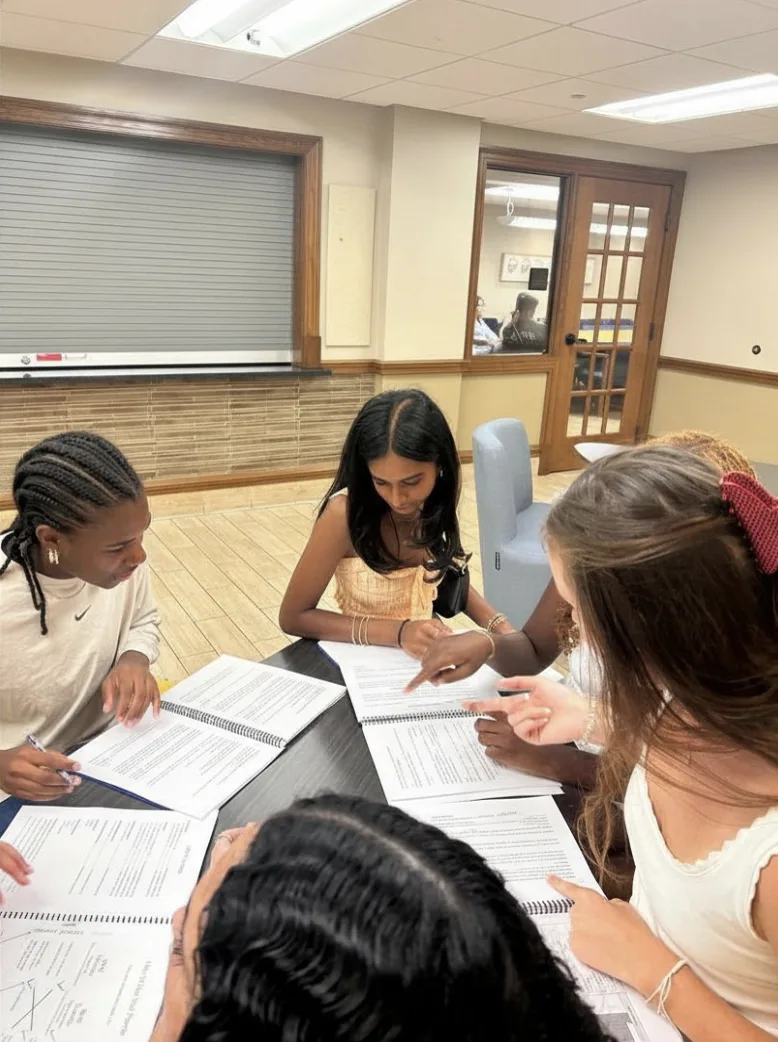
At Chesterfield Montessori School, elementary-age students receive almost all of their education in groups. According to head of school Kim Schneider, this format allows kids to build their emotional and academic skills at an age when they become highly social. After a teacher presents an overarching concept, the groups follow up on a more specific area of interest. Schneider says a lesson on human anatomy and physiology always yields unique projects. Over the years, classes have decided to study the eye through dissection, interview a brain surgeon about neurology, and create a larger-than-life mockup of the cardiovascular system. “They develop the capacity to deeply concentrate, observe, and research,” says Schneider.
This year, MICDS’ Lower School introduced cross-curricular theme weeks to help students learn about a topic through different lenses. In the fall, kids of various ages read about pumpkins and used a seed-counting activity to improve their estimating and graphing skills. Then, during “Winter Wonderland Week,” they created snowflakes to practice fractions and heard from FOX 2 meteorologist Chris Higgins about the science behind the weather. Lower School literary coordinator Robin Campbell noticed students problem-solving through collaboration and found that many were still talking about the projects days later.
Although students in project-based learning blaze their own trail, teachers must guide them, and that requires specialized training. To understand best practices, teachers at Rohan Woods School participate in frequent professional development. Rohan Woods uses the Project Approach, a child-directed curriculum that builds sequentially as students mature. The school adopted this framework in 2016, after watching it in action at Duke School in Durham, North Carolina—an institution leading the way for project learning nationwide. Now, Rohan Woods sends all of its teachers to train at Duke and invites Duke instructors to visit campus. Head of school Sam Templin-Page says the Project Approach is beneficial for educators as well as students.
“In Project, our educators take a step back, and they guide but they don’t teach,” Templin-Page says. “They want the kids to problem-solve—they want them to hit those walls and challenges and say, ‘OK, this is what happened. What do you think we should do next?’”
Students at Raintree are using those same problem-solving strategies to care for their new feathered friends. And despite some initial uncertainty, their diligent research paid off: All four chickens weathered the winter months and will remain at the school for the foreseeabe future.