In this latest edition of This Month in Your Garden, Ian Graves of Quiet Village Landscaping, shares his to-do list
1. Prepare for fall
As one hot summer comes to a close, temperatures will (hopefully) start to cool down and leaves will begin to fall. “There are a few things to think about and leaf cleanup is at the forefront,” says Ian Graves, garden and estate manager at Quiet Village Landscaping, “[It’s a good time to] start getting a plan together for what type of leaf cleanup you want to do this year,” he says. Most folks either decide to clear out all the leaves and mulch artificially, or keep leaves in the garden beds as natural mulch. “The best method I’ve seen is if you don’t want to do a full leaf cleanup, strategically blow the leaves into the beds and off the turf. If you leave the leaves on the turf, that can cause dead spots, which you would have to remedy later. So getting them off the turf and into the beds is the best option.” So how many leaves should I keep in my beds? Think of it as mulch. In the springtime, most people lay down a two-to-three-inch layer of mulch. You’ll want to do the same with your leaves now. “Not only will that help suppress those late-season weeds, but it also acts as a nice blanket for your garden bed going into wintertime,” says Graves.
Get a weekly dose of home and style inspiration
Subscribe to the St. Louis Design+Home newsletter to explore the latest stories from the local interior design, fashion, and retail scene.
2. Breathing room
Whether you’re letting leaves fall or mulching your beds, plants need breathing room. “Similar to mulch, if you have a really wet area there is something called slime mold, and that is a cosmetic mold that we see. It doesn’t really harm plants,” says Graves. Be careful, though, not to pile on too many leaves around the crown of plants. If you do, that can lead to disease, which can lead to rotting. Compact wet areas are a no-no for plant health,” says Graves. If it’s a particularly rainy fall season, make sure to give your garden plants plenty of wiggle room beneath their mulch blanket.
3. Great time to plant trees
Fall is not just for harvesting and clearing out the dead, it can also be a great time to plant. Root establishment is big so if you plant a lot in fall, those new plants get time to establish their roots from fall into winter and through the following spring season before it starts to warm up again in the summer. When planting in springtime, “you plant them and the roots only have through that spring season to establish the roots,” says Graves. Although planting in fall versus in spring can give plants more time to establish their roots before summer heat, certain plants that are sensitive to cold weather might struggle, so always make sure to research or consult a local nursery before deciding which season is best for your specific plant.
4. Take inventory
As pests retreat for the year and your garden winds down, September is the perfect month to assess its health and plan for spring. “Fall is a good time to analyze the plants around your garden, see what got hit hard with pests this year and what you could do next year,” says Graves. “See which pests took over, see if any fungus took over, maybe something wasn’t getting enough water and you just never got around to it.” Graves says. September is a great time to clear out dead plants. The beginning of fall poses the unique opportunity to look at the big picture, see what worked and what didn’t, and adjust from there.
5. Lawn care and aeration
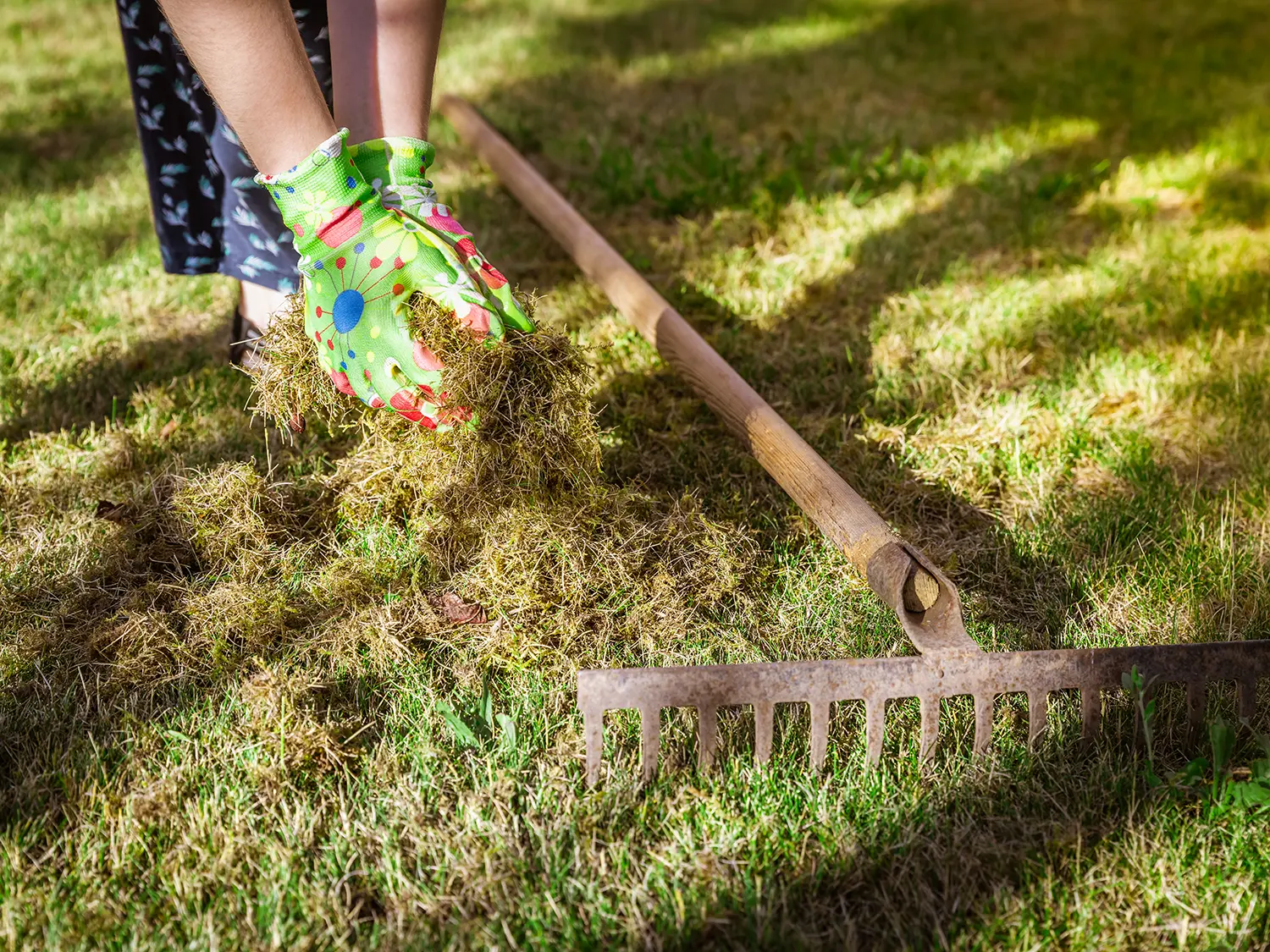
After a record-breaking summer, grass is ready for a cool down. Nurture damaged grass through aeration, watering, fertilizing, and top-seeding. “[Your lawn] has gotten beaten up and bruised through this really hot weather,” notes Graves. Everything from aeration to top-seeding will be more effective in September because grass can be continuously watered and it’s cooler–so those treatments are going to be more effective, he says.
6. Fall bulbs brings May flowers
April showers aren’t the only thing that brings flowers. September through November is known as bulb season and, according to Graves, bulbs are particularly responsive when planted in the fall months. Think tulips, daffodils, crocus, and hyacinthus—now is a great time to plant them for a colorful spring flower installation, Graves says.