Market Report
Tips from real estate experts for renters, buyers, and sellers
Despite recent decreases in mortgage interest rates, local experts say the inventory of homes in the St. Louis area still doesn’t come close to meeting the demand of prospective home buyers. “We’re seeing a few more [homes] hit the market than we did last year, but it’s still not at a level where it needs to be for the buyers to feel relief right now,” says Tina Siebert, the 2024 president of St. Louis Realtors.
“It’s tough for buyers right now, but you just have to keep moving forward,” says Mindy West, president of St. Charles Realtors. “If you just sit on the sidelines, [opportunities] are going to pass you up. Houses are not getting any cheaper.”
Get a weekly dose of home and style inspiration
Subscribe to the St. Louis Design+Home newsletter to explore the latest stories from the local interior design, fashion, and retail scene.
The average interest rate in St. Louis for a 30-year fixed rate mortgage dropped to 6.62 percent in December 2023, after reaching as high as 8 percent in October. At press time, the interest rate was 7.05 percent—significantly higher than average interest rates in 2021, which were as low as 2.76 percent in January 2021.
Following interest rate increases in 2023, Siebert says, it was harder to purchase homes for prospective new homebuyers and those looking to upgrade. Some people turned to the rental market. New construction of homes slowed as well before returning to a more normal pace. “We still have such a lack of inventory out there [that] in a lot of cases we haven’t seen the interest rates being higher and moving around really affecting the market,” says Sam Row, current president of the Southwestern Illinois Board of Realtors.
In many areas, houses don’t stay on the market long—typically less than a week. “If you have it priced competitively for that neighborhood, then they’re moving,” says Siebert. “It doesn’t matter your price point.” Homes that don’t move in the first week or so are likely priced too high and need a price drop, says Row. “We have buyers out there who have been looking for a year or two or even longer,” Row adds. “The buyers tend to be very educated on where pricing should fall.”
Compared to St. Louis city and county, St. Charles County and southwestern Illinois have far more available space for new construction projects. “We don’t have massive amounts of land to develop [in St. Louis],” says Siebert. “When we see these [new construction] pockets going up, the subdivisions are much smaller.”
Still, even in areas such as St. Charles County, where homes pop up at a faster pace than in St. Louis, it can be a tough market for buyers. “Even though they’re trying to build [more homes],” says West. not everybody can afford a new construction home.”
Buyers
“Getting an agent and a lender involved early on is important,” says West. Before looking for homes, consider securing pre-approval to understand what monthly payment plan makes the most sense. “We can really work that math backwards and zone in on the right properties,” Row says. Starting the search early is also important. “If your lease is up at the end of March, then you need to be looking in December,” says Siebert.
Sellers
Before listing, talk to your real estate agent about updates you could make to increase the home’s value. “I’m a firm believer in putting your best foot forward,” says Row. “If you’re taking that professional advice from a selling standpoint, you’re going to reap the benefits of it.”
Renters
Talk to property managers about what’s available, ask questions while touring rentals, and be honest about your needs—for instance, if you have a pet. It’s also important to know your financial situation, prepare rental application documents in advance, and look out for scams. “Be extremely careful of all the scams out there,” says Siebert. Don’t pay to view a property, for example, or make a lease payment for an unseen property.
Fueling Growth
Wentzville, Missouri’s fastest-growing municipality, is flush with development—but not at the cost of its hometown feel.
North County native Tricia Byrnes moved to Wentzville in 2005, drawn there by its schools and community feel. In the nearly two decades since, she has witnessed its explosive growth as a resident, realtor, and state representative. She is continually heartened that the community has not lost itself along the way. In fact, Byrnes feels like its neighborhood feel keeps getting stronger.
“It’s become a big city—we’re close to 50,000 people now—but it still feels like a small town,” says Byrnes. “We have a growing eclectic downtown area, different hometown festivals, parades and events, tremendous parks, dedicated space for our historical society and the arts council, a rec center that appeals to people of a variety of interests and abilities. It’s growth, but it’s a sustained growth.”
Indeed, it’s difficult to find a municipality in the St. Louis metropolitan area that has the wind at its back in terms of development quite like Wentzville. Economic development manager Ben Motil chalks it up to a handful of factors: the sustained impact that the General Motors plant has on the area’s economy, the city’s proximity to the intersection of I-64 and I-70, and city leadership’s support of thoughtful growth. Just this April, Mercy health system announced plans to build a $650 million hospital in Wentzville, which Motil notes will bring more jobs and economic impact to the area. This, coupled with new developments such as the mixed-use Junction district—complete with restaurants, retail, and residential outlets—and Wentzville’s commitment to its green space, demonstrate the city’s approach to growth is holistic; as people see that Wentzville is the place to be, more people follow.
“We do have a lot of expansion, but we wouldn’t have this sort of explosive growth if people came here and said they aren’t into it,” says Byrnes. “It’s the little things we do for our community and each other that give it the hometown feel and really speak to who we are.”


Small-Town Turnaround
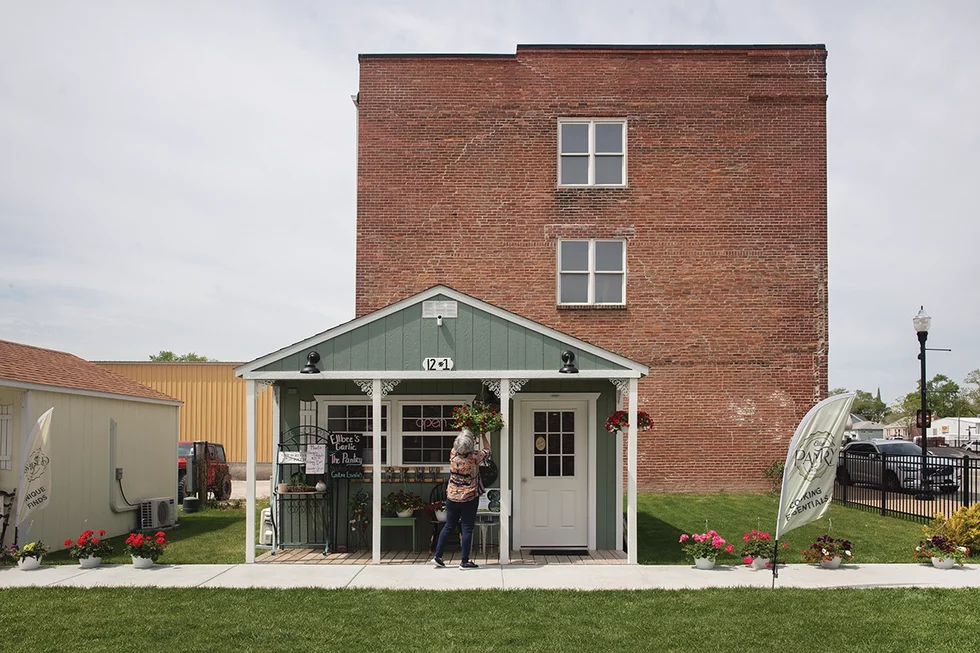
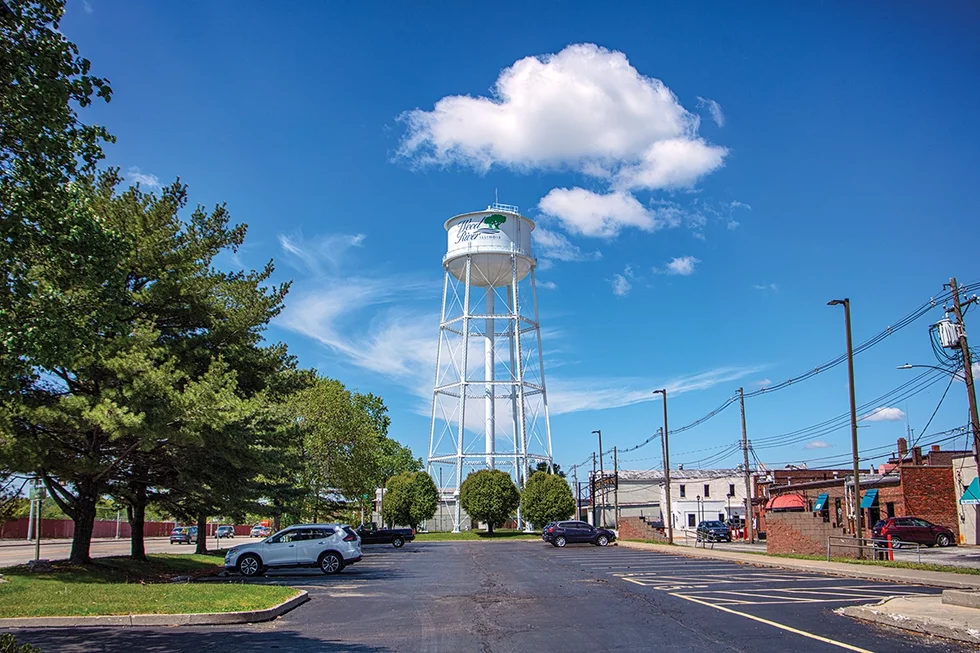
A group of civic visionaries have committed themselves to turning things around in Wood River, Illinois.
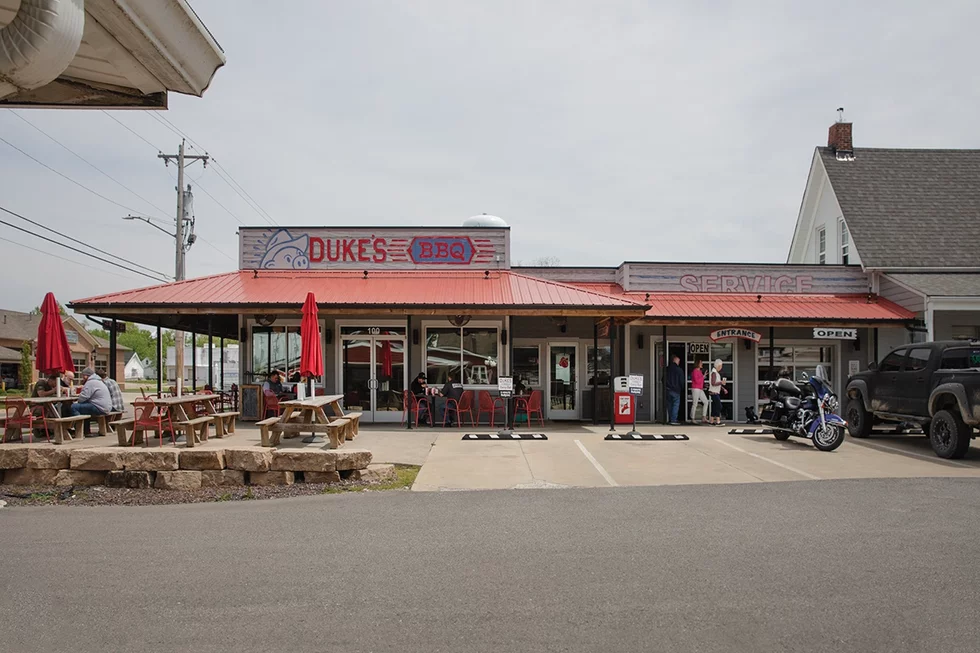
Bootleggin’ BBQ Tavern co-owner Brenton Brown can’t help but smile about all of the raised eyebrows when he told people he was going to open a second location of his Kansas City–style barbecue joint in downtown Wood River—especially the one that came from his girlfriend, who’s lived in Wood River her entire life.
“She’s seen the ups and downs of what this town can do, but I’ve been showing her the things they are doing, and she’s quite impressed,” says Brown. “The people here see the vision. We’re going to change the city for the better.”
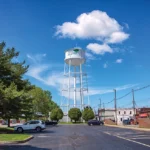
Brown’s significant other may have needed some convincing about Wood River’s promise, but that’s understandable: After an oil refinery closure in 1981, the city has been “slowly dying on the vine ever since,” says Mayor Tom Stalcup. Businesses pulled out of the historic downtown, buildings decayed, and a sense of defeat permeated the area for decades.
Things began to change a little over two years ago, however, when a group of leaders, spurred on by police chief and building and zoning administrator Brad Wells, decided that they were no longer willing to accept the status quo. Wells, together with Stalcup and city manager Steve Palen, brought in developers such as Tim O’Donnell and began courting businesses with hopes of reclaiming Wood River’s position as an attractive place to live, work, and do business.
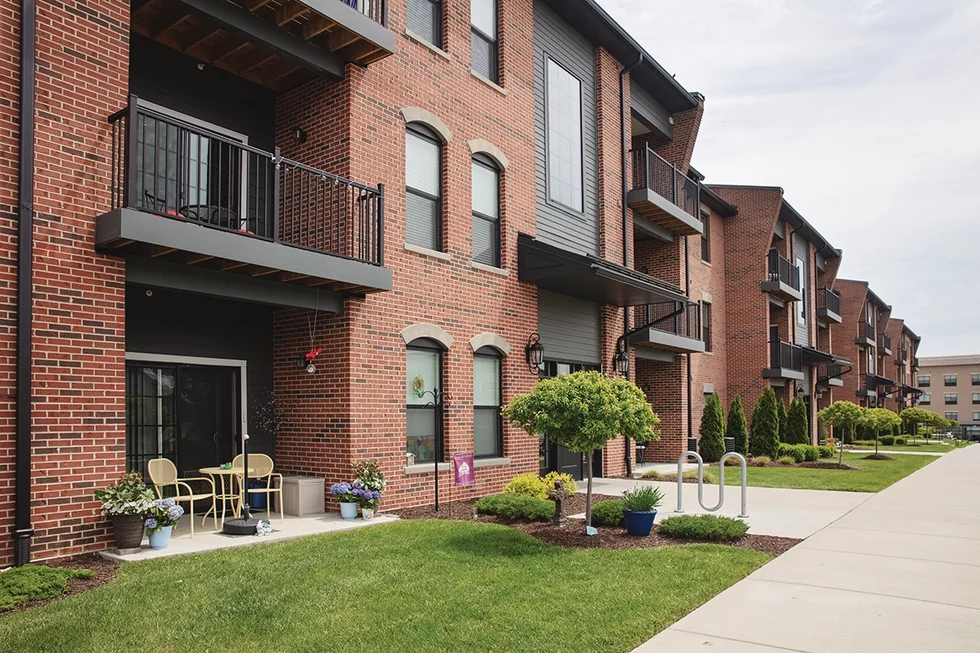
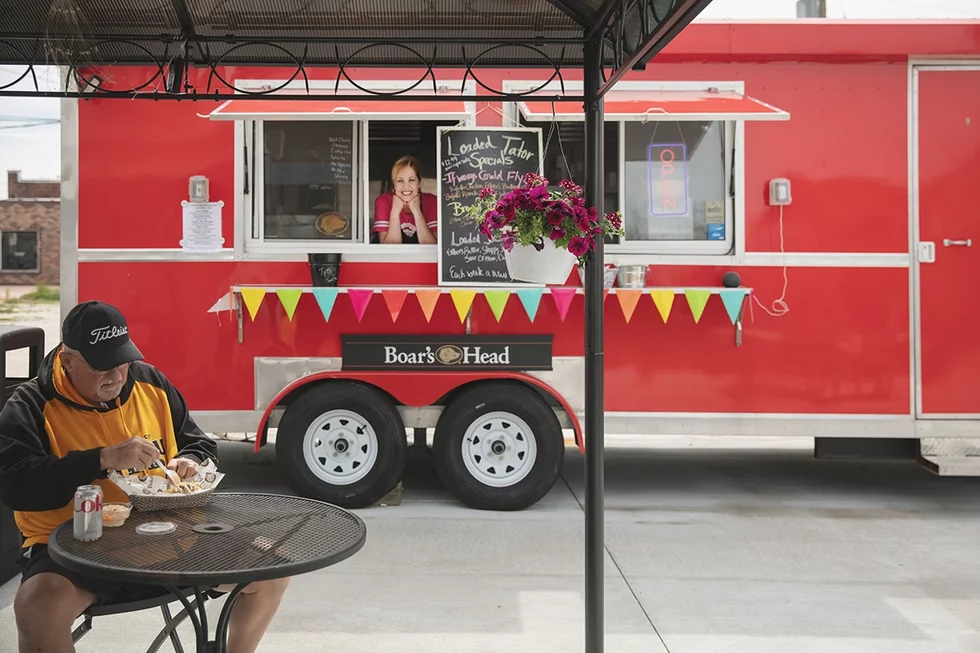
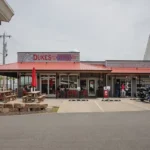
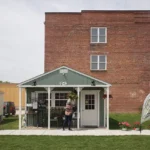
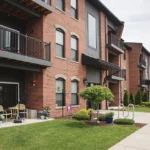
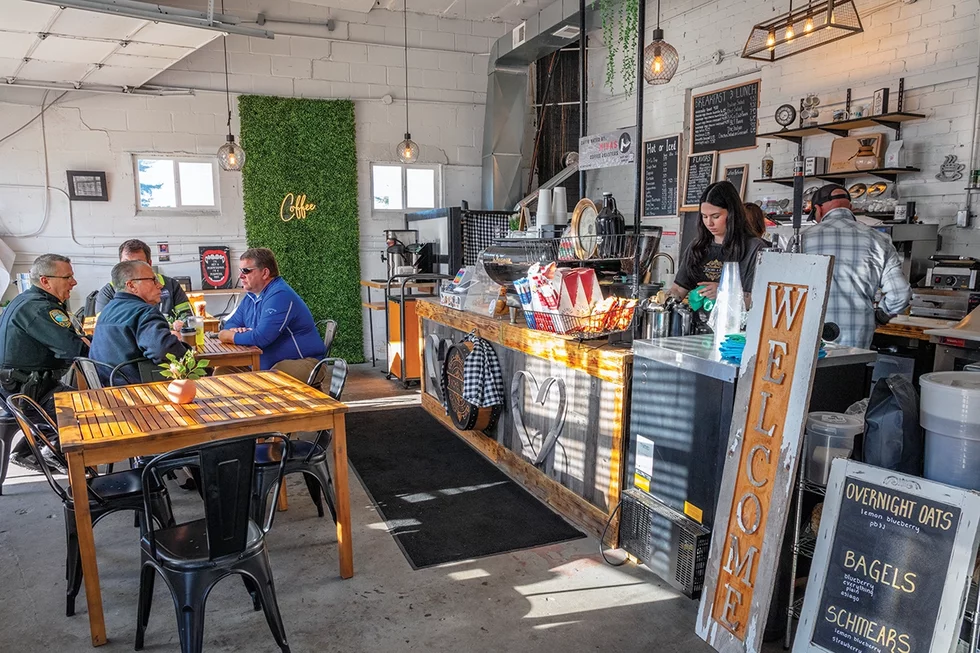
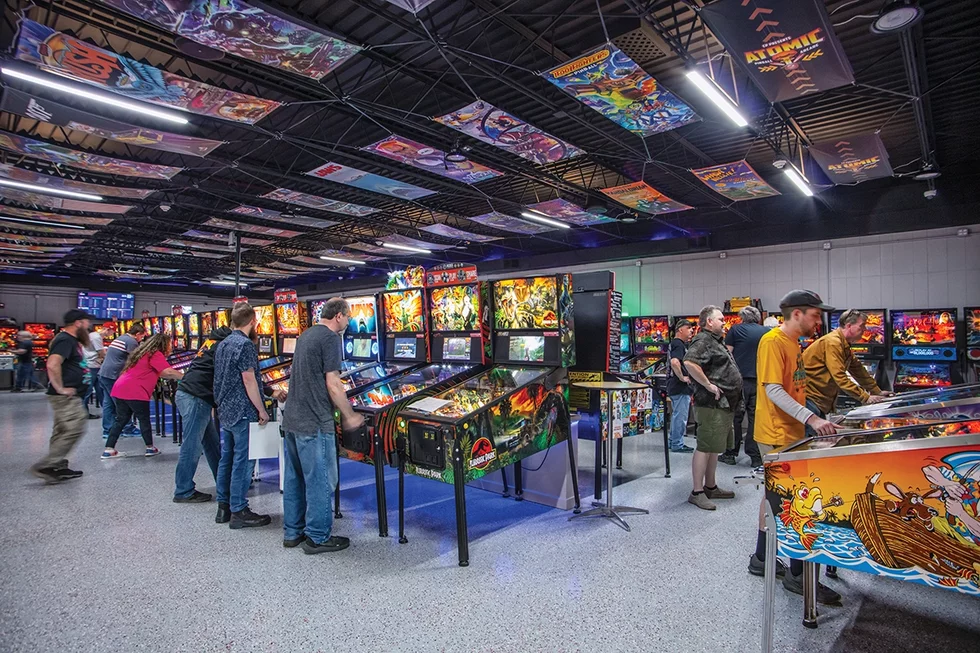
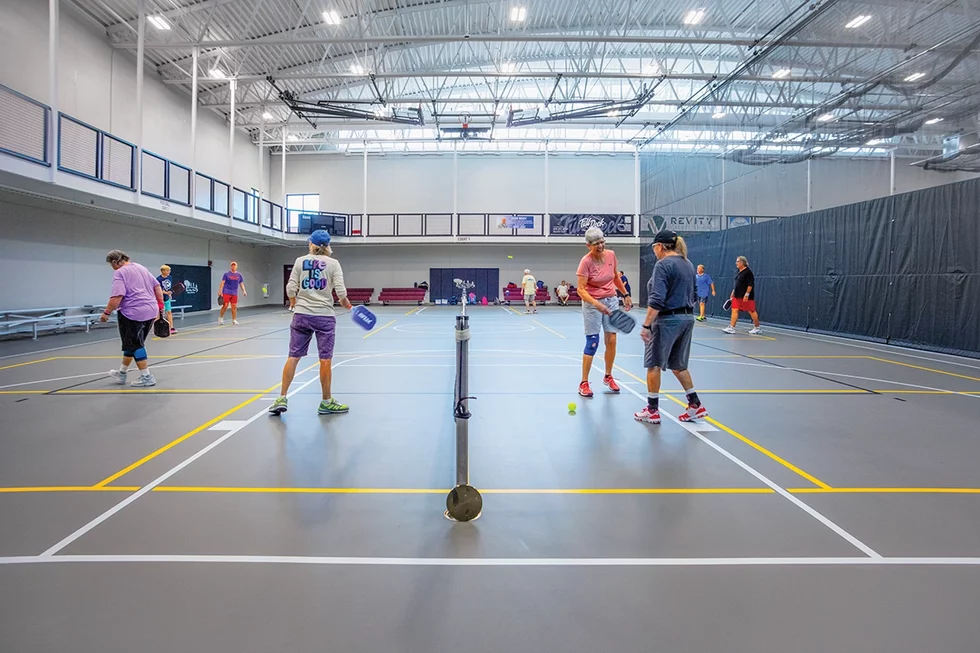
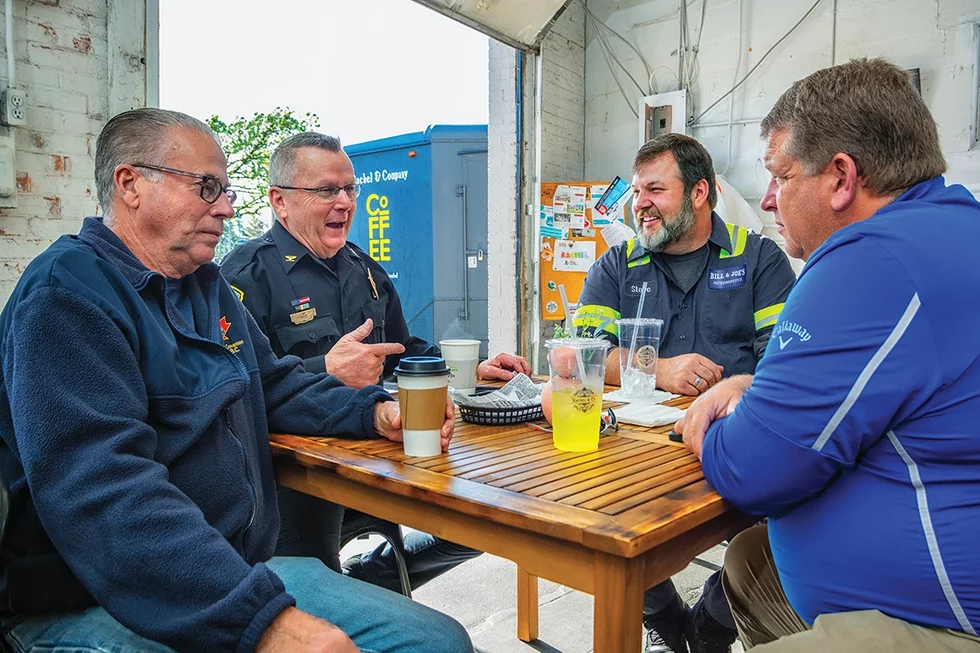
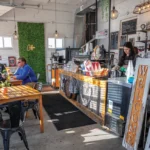
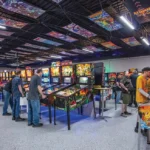
Although they admit there’s still much work to do, they’ve already seen their efforts begin to pay off. Businesses such as Rachel & Co. Coffee House, Atomic Pinball Arcade, and 1929 Pizza & Wine have brought fresh energy to the downtown area, while forthcoming restaurants such as Bootleggin’ BBQ and Gaucho’s Steak House are excited to be part of the mix. A newly renovated rec center has been a popular amenity, new housing developments have welcomed their first residents, and a new truck stop and police station add to the sentiment that things are finally going Wood River’s way.
“This has been a team effort,” says Wells. “And through this collective effort, I think we have something special going on and are going to put this city back together.”

A Modern Main Street
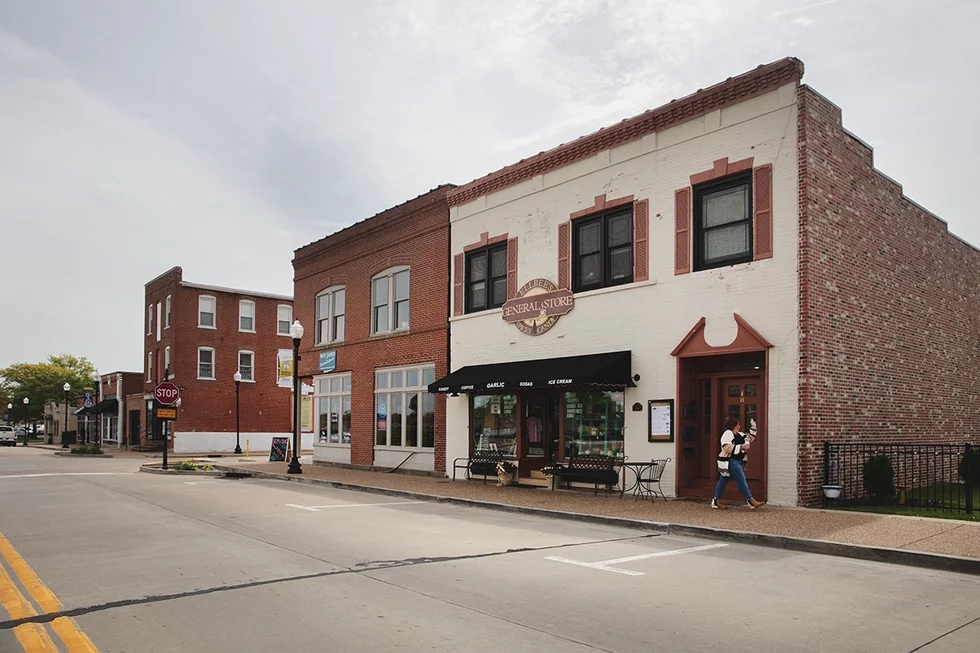
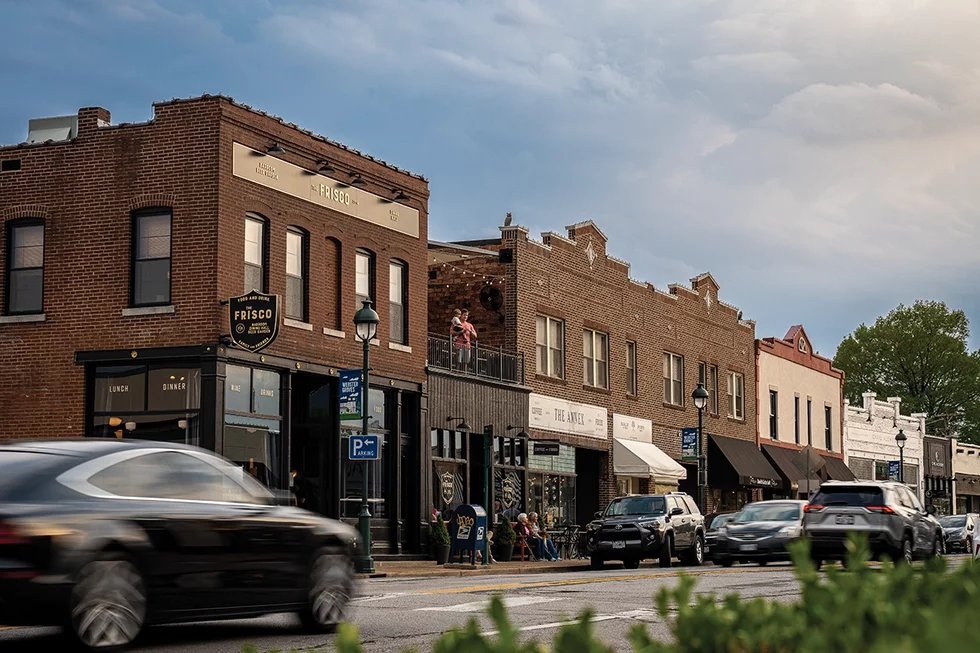
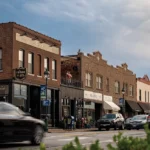
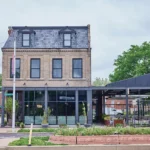
A commercial stretch of Webster Groves’ Old Orchard neighborhood is being transformed into the classic American Main Street.
John Barr remembers what it used to be like driving back to his Webster Groves home after a night out. It’s what lit the initial spark in him and his wife, Kelly Hall-Barr, to help bring about change.
“We’d go to Maplewood to have beers at night and hear music at Schlafly, and it just had this thriving central strip along Manchester,” says Barr. “I remember driving from there and then through the Old Orchard strip on Big Bend, where the lights would be off by 8 or 9 p.m. We saw that this strip had so much potential.”
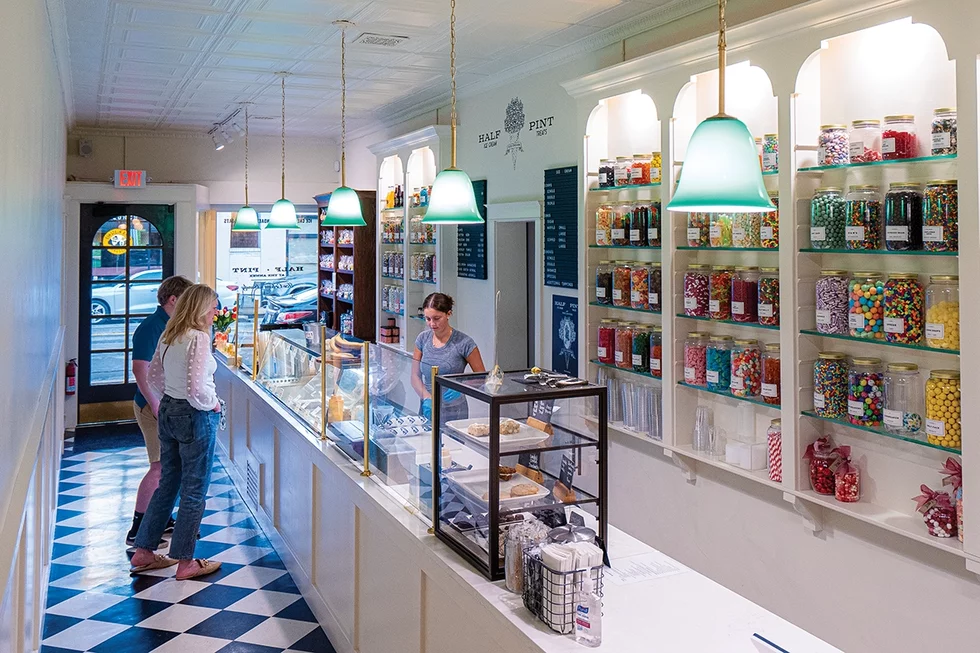
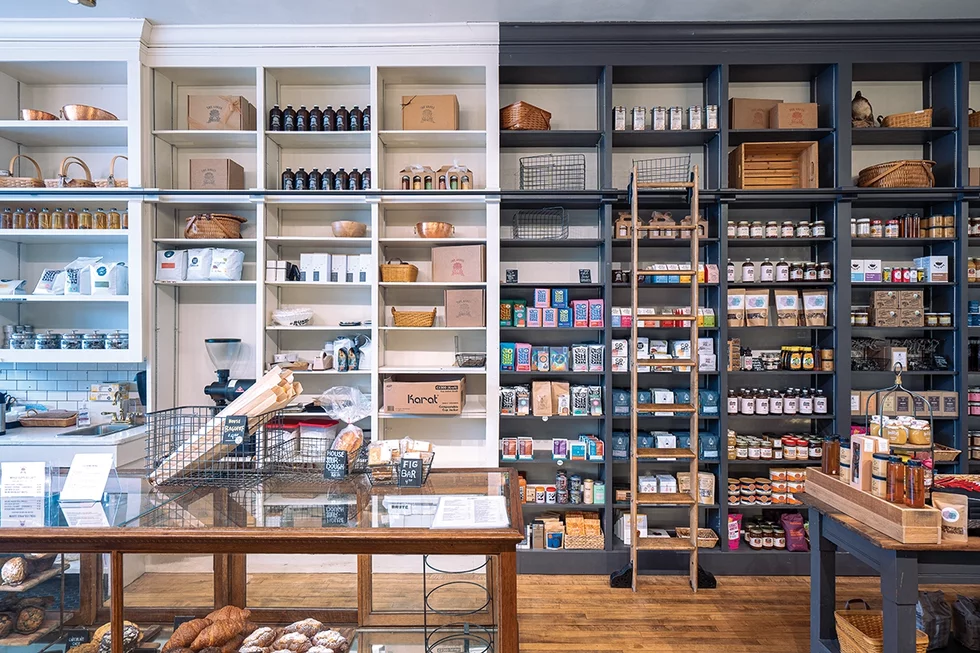
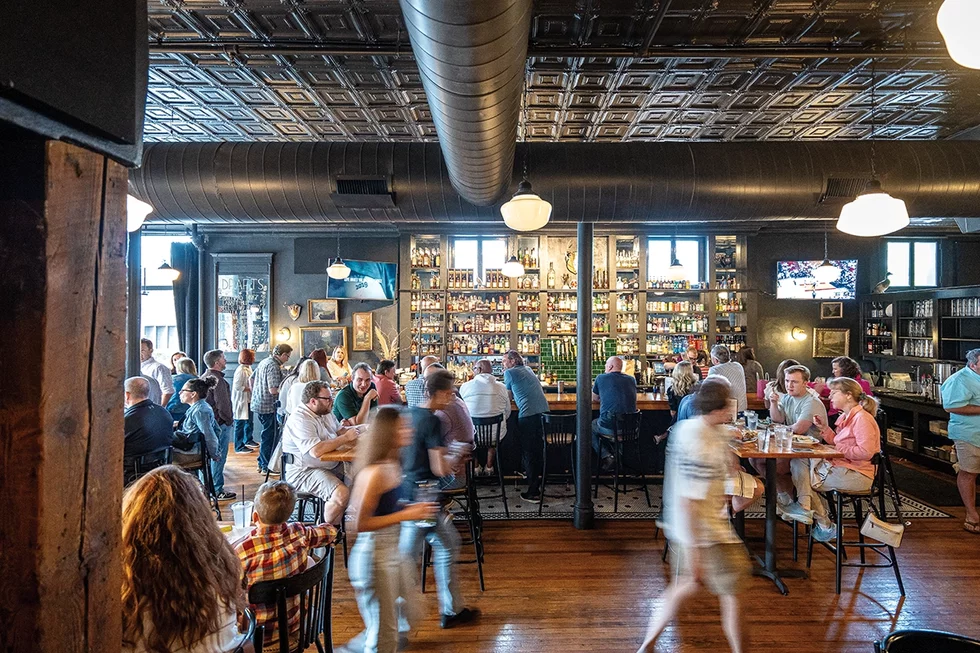
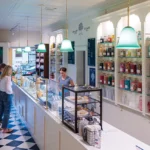
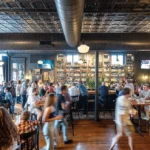
Today, the couple owns a string of successful businesses along Old Orchard’s commercial strip, including Civil Alchemy, The Annex, The Frisco Barroom, and Half-Pint. Their work is about more than operating successful businesses, says Barr—it’s about realizing a long-term vision for the area as a classic American Main Street, filled with independent restaurants, shops, and experiences. Since opening Civil Alchemy in 2017, the husband-and-wife team has made it their mission to help facilitate the area’s vibrancy, investing in properties, recruiting businesses, and supporting neighborhood mainstays to imbue the strip with an energy that appeals to new and longtime residents.
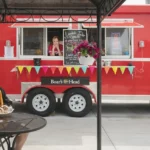
Barr and Hall-Barr are not alone in their quest. In recent years, several new businesses have sprung up, from the acclaimed Balkan Treat Box to independent retailers such as Dharma & Dwell. More are on the way, including The Little toy shop and print shop Papillon Press. Each small business brings a different personality to the mix, so there’s a little something for everyone.
“People want to have that old feeling of walking when there wasn’t a need for shopping malls,” says Barr. “They still want to get out and walk and browse. Big developers are building new Main Streets in suburbs and trying to create the same thing. This is different because it comes from the neighborhood. We’ve been here 17 years; the people have changed and therefore the businesses that serve those people have changed. I’m not sure which comes first, but what we have seen is that the neighborhood itself has helped to create this street.”


Beyond the District
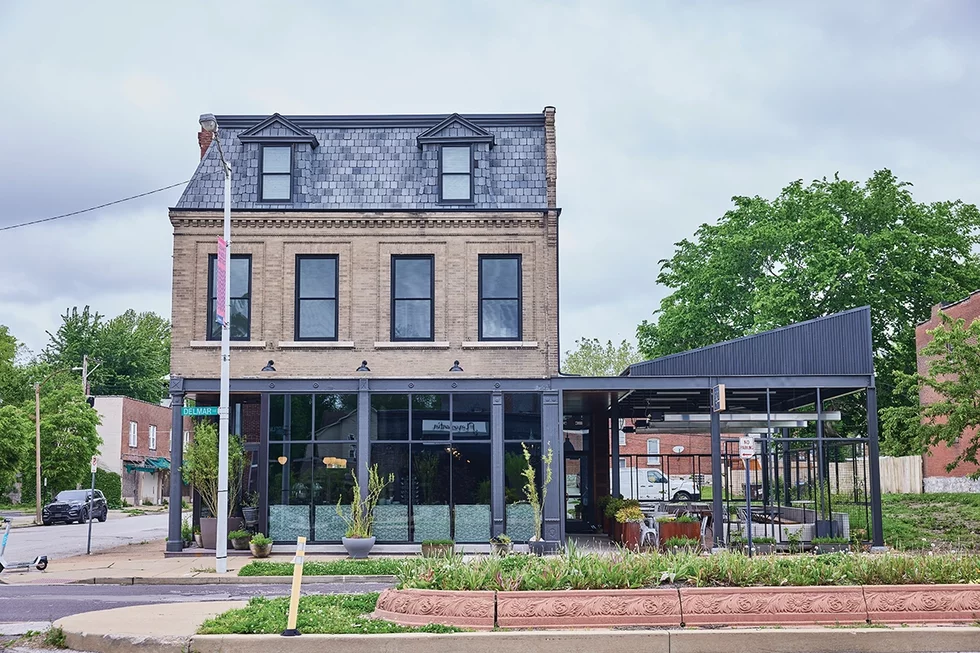
For years, the stretch of Delmar Boulevard between Union and Kingshighway has been underserved in terms of retail and restaurants. Now, it’s becoming one of the city’s most exciting neighborhoods.
On a Wednesday evening in April, Rhonda Jones celebrated her birthday at Esca, the latest establishment from restaurateur Ben Poremba. It was a delightful meal, the kind she raved about for days—and one that did not exist in her neighborhood months earlier.
Esca, which opened on Delmar Boulevard in late March, is just one of Poremba’s five planned restaurants in the area and part of the larger restaurant-retail-maker landscape, known as the Delmar Maker District. Billed as a hub for artists and makers, the district is surrounded by a number of neighborhoods, including Academy-Sherman Park, the West End, Visitation Park, Fountain Park, and DeBaliviere Place.
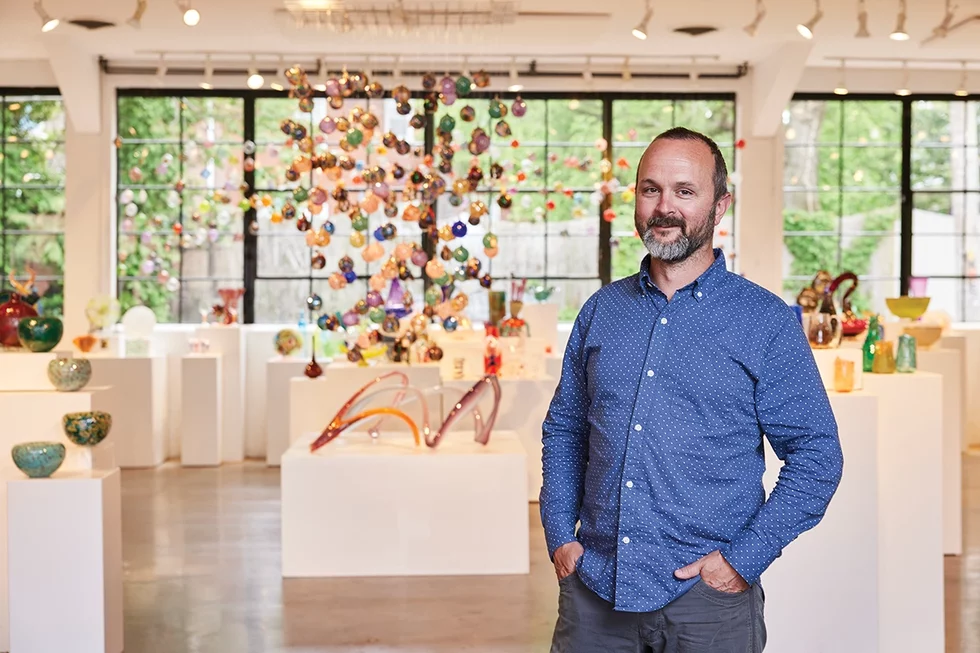
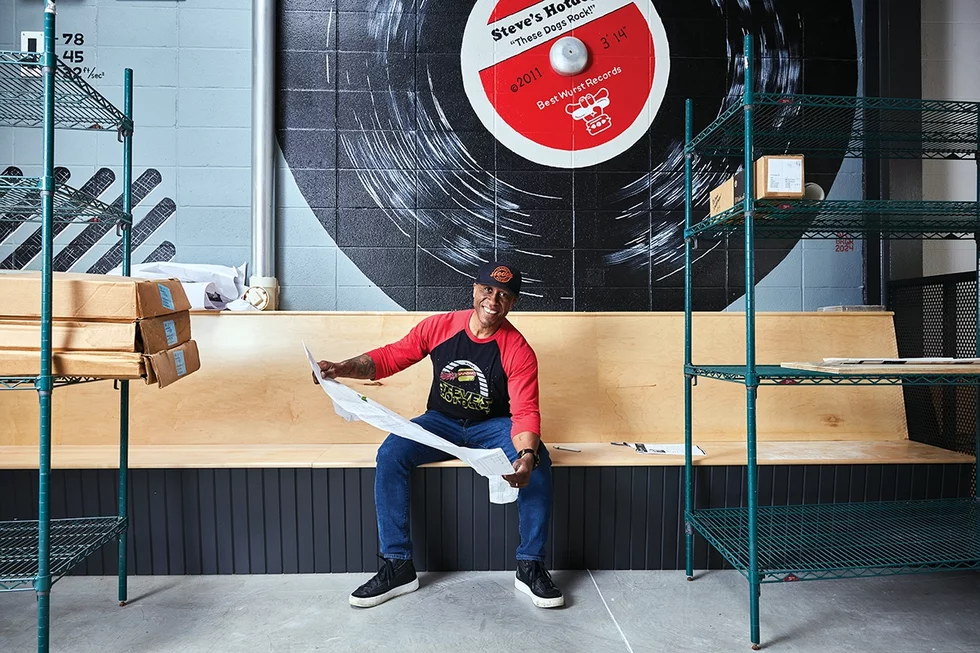
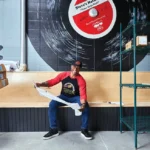
It’s an area that Doug Auer has been involved with for over two decades, as a resident, business owner of Third Degree Glass, and one of the main drivers of the district’s creation. As Auer explains, the seeds of the district were planted a little more than two decades ago, when he moved Third Degree to its home at 5200 Delmar. In 2018, the idea of a maker district began to take shape with the opening of MADE Makerspace, which caught the eye of Craft Alliance and The Magic House, which opened MADE for Kids in 2019. Food vendors followed, including Poremba, as well as Steve Ewing and Danni Eickenhorst, who plan to open the Fountain on Delmar and Steve’s Hot Dogs in the Makers Locale development. “I don’t think anyone understands how different this stretch of Delmar is going to be 12 months from now,” says Auer. “My catchphrase is: We want to be a center, not a divide. We want to be the center of these neighborhoods where everyone comes together.”
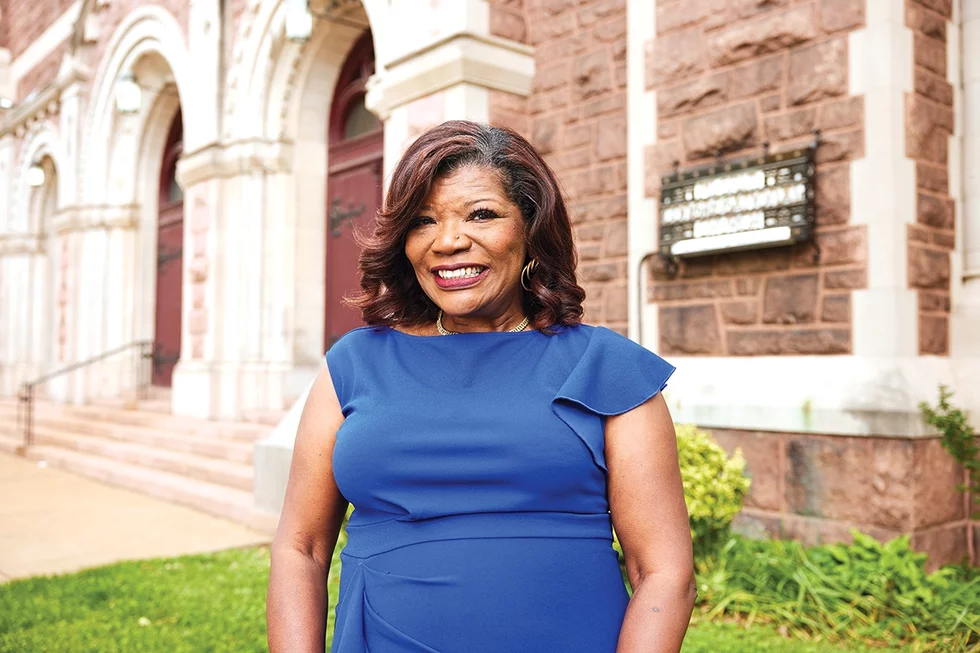
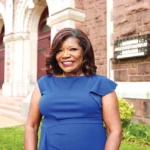
Jones hopes for this, too. As a realtor and resident of Academy-Sherman Park since 2001, she has also noticed that the increased attention to the area has resulted in an increasingly diverse neighborhood and higher home prices. She thinks the key is communication between Delmar Maker District stakeholders and area residents. “You want to see things progress and get better,” says Jones, “but when you start working in community and find out about how complicated the fabric of the neighborhood is, you understand that you really need input from the people who are there and support for connection and humanity.”